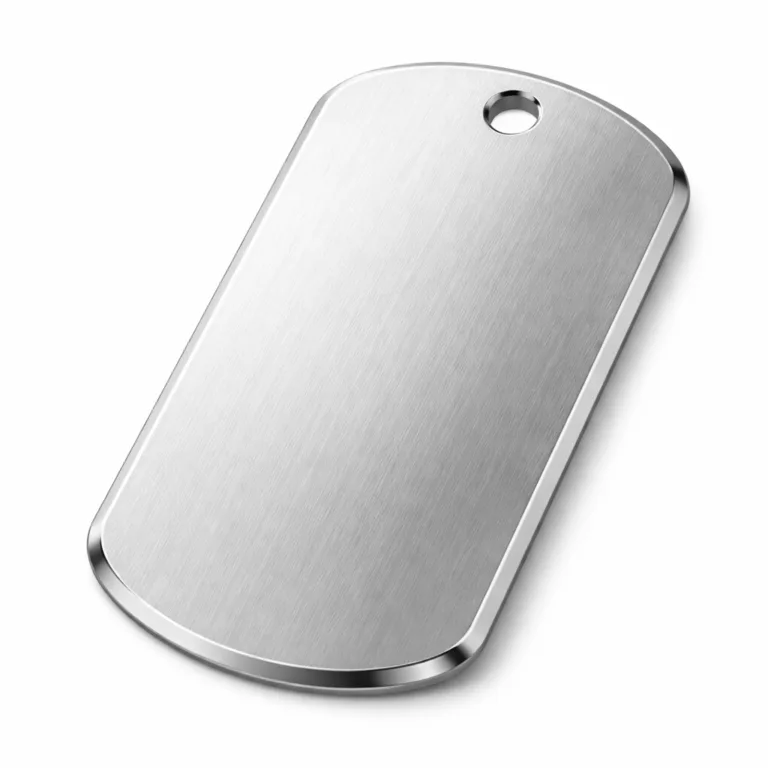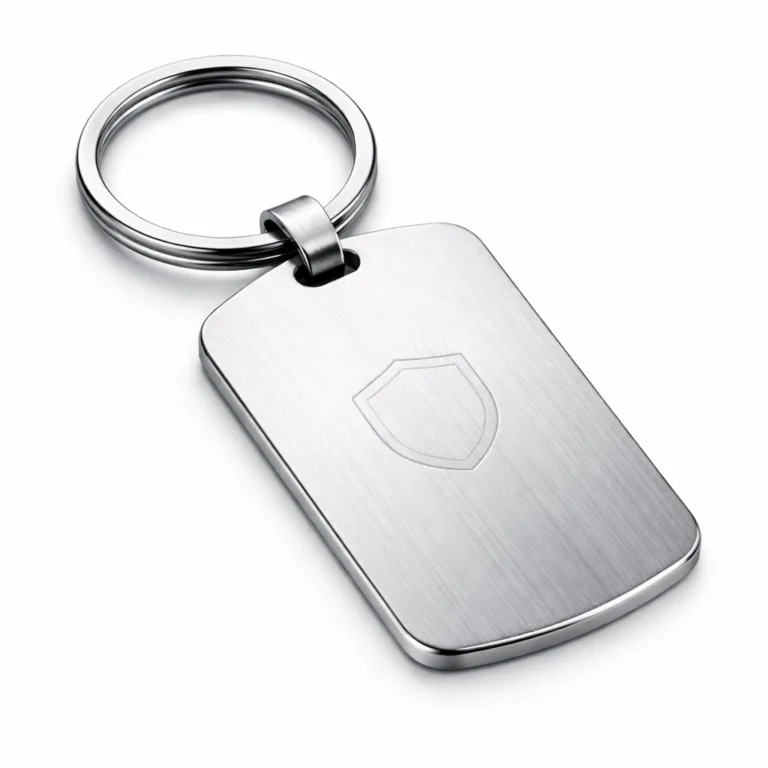
Introduction to Ball Chains for Dog Tags
Ball chains are the backbone of secure and convenient dog tag usage. Constructed from a series of interconnected metal balls, these chains act as the primary attachment for dog tags, making them highly visible, easy to wear, and simple to replace. The functionality of ball chains goes beyond aesthetics—they are essential for identification and security in both everyday pet applications and commercial or industrial uses.
Durability and strength are at the core of effective ball chain selection for dog tags. The chain must resist breakage and environmental damage while remaining comfortable for continuous wear. Many factors influence the optimal choice, including the intended lifestyle (active dogs, indoor pets, or harsh work settings), exposure to elements, and tag design preferences. In recent years, the demand for custom ball chains has grown, as brands and buyers seek to match chain attributes with specific applications. Attention is also turning toward how chain choices align with environmental priorities and varied canine activity levels, shaping the next generation of dog tag solutions.
Understanding Ball Chain Sizes
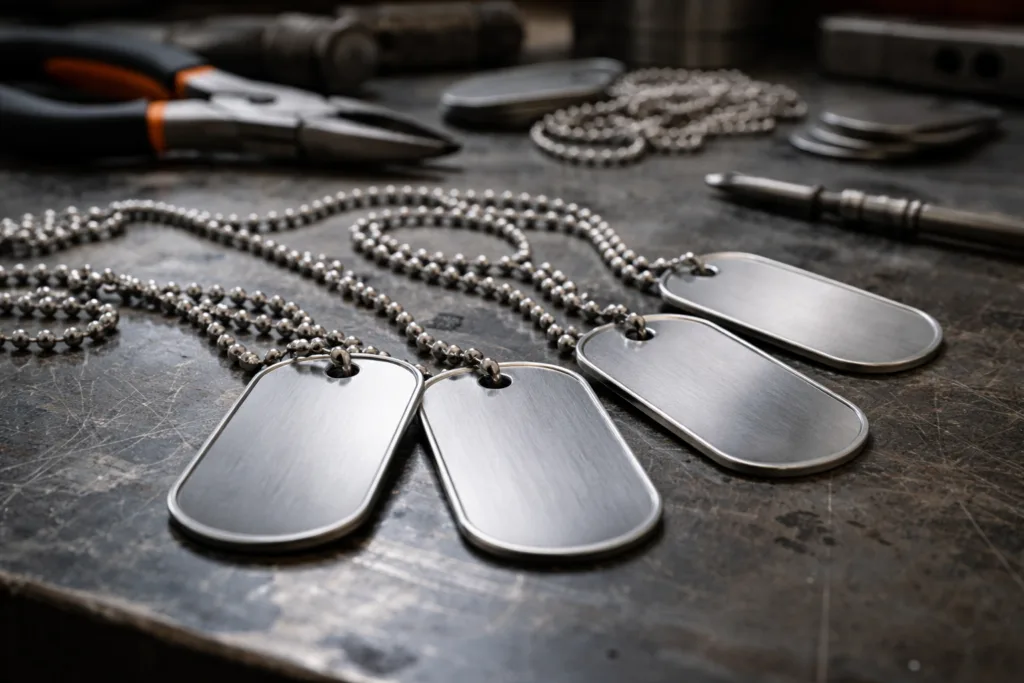
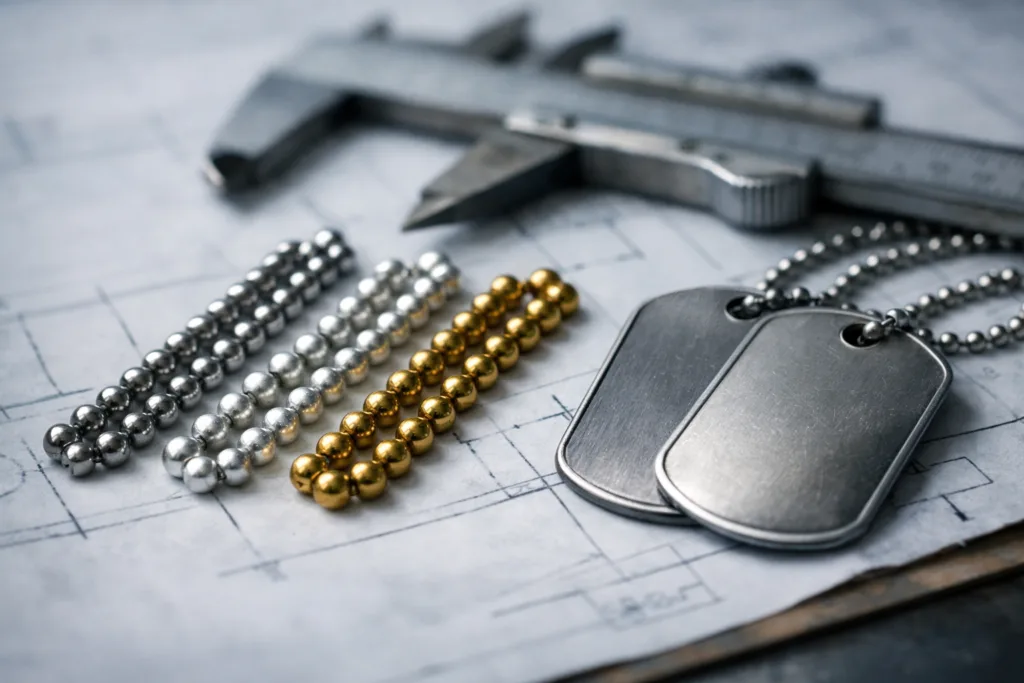
Selecting the appropriate ball chain size is vital for both the functionality and appearance of dog tags. The most commonly used ball chain diameters include 2.1 mm (No. 3), 2.4 mm (No. 3.5), and 3.2 mm (No. 6), with lengths typically ranging from 4 to 30 inches depending on user preference and pet size.
The diameter not only influences the visual weight of the chain but also its compatibility with different dog tag holes and attachment types. For example, smaller-diameter chains are sleek and less obtrusive, ideal for petite tags or smaller breeds. Larger chains offer enhanced strength, making them suitable for robust, heavy-duty tag designs or active dogs that need extra security.
- Short chains (4–12 inches): Best for collar attachment or keychain use.
- Medium chains (14–18 inches): Common for dogs under 50 lbs or for human ID tags.
- Long chains (20–30 inches): Preferred for oversized tags or larger breed applications.
It’s important to ensure the selected chain size comfortably fits through the tag’s hole but is not so thin that it risks breaking under tension. Adjustments for larger or more active breeds typically require moving up to a thicker gauge, while small dogs and cats benefit from lighter chains. Size also affects accessibility—shorter chains keep tags closer to the collar for easy visibility, while longer chains allow more movement but may pose a snag risk. For more options on tag attachment, see our guide on split rings vs. jump rings.
Materials Used in Ball Chains
The material composition of ball chains plays a significant role in how well they perform with dog tags. Three primary metals dominate the market: aluminum, stainless steel, and brass. Each presents unique strengths, weights, and corrosion resistance profiles.
| Material | Strength | Weight | Corrosion Resistance | Aesthetic/Finish | Allergy Risk |
|---|---|---|---|---|---|
| Stainless Steel | Very High | Medium | Excellent | Glossy, Matte, Black, PVD | Low (Nickel alloys may risk) |
| Aluminum | Medium | Low (Lightweight) | Good (Best if anodized) | Anodized Colors, Satin | Very Low |
| Brass | High | Medium-High | Fair-Good | Gold Tone, Antique Finish | Moderate (May require nickel-free) |
Stainless steel is often chosen for its superior durability and corrosion resistance, even in harsh outdoor or coastal environments. Aluminum chains are much lighter and also resist corrosion, especially when anodized for extra protection and color options. Brass provides a classic gold appearance and substantial strength, but may tarnish over time if not sealed.
Exposure to moisture, chemicals, or saltwater can rapidly degrade chains not suitable for such environments. For example, dogs living near the ocean or in wet climates benefit from stainless steel or anodized aluminum chains. Allergic reactions are rare but possible if the alloys contain nickel. Consider the end use and owner’s preferences carefully when making a selection.
Want more on material performance and corrosion protection? Check out our engineer’s guide to salt spray testing and dog tag material options for in-depth comparisons.
Manufacturing Methods for Ball Chains
Manufacturing quality defines the reliability of ball chains for dog tags. The most common production techniques include stamping, laser engraving, and chemical etching. Each influences the surface, mechanical strength, and customization options in unique ways.
Stamping shapes each metal ball and connector through precise die-formed processes, creating consistent, strong links that withstand repeated stress. Laser engraving is often used for marking or serializing specific ball links or associated closures, while etching allows permanent, corrosion-resistant designs for branding or identification.
The choice of manufacturing method impacts the durability-to-weight ratio of the finished chain. High-volume projects—such as for B2B orders in pet industry branding—demand exacting tolerances and repeatable quality. Production technologies have advanced to support lightweight, durable chains in custom lengths and colors at scale.
As a practical example, Rain Chen at UC Tag notes, “Consistent stamping and reliable finishing are crucial. Subtle deviations in process can affect both the chain’s durability and the visual outcome in bulk runs.” Always request samples and confirm process specs before committing to large orders.
Design & Spec Checklist for Dog Tags with Ball Chains
Ensuring the perfect fit between dog tag and ball chain begins with careful planning. Both components must align in size, thickness, style, and functionality, especially for active environments or commercial projects.
- Ball chain size and diameter to match the tag’s hole.
- Chain thickness suitable for pet size and intended use.
- Finish (e.g., polished, matte, anodized, colored) compatible with branding and durability needs.
- Text or code contrast: etched, filled, or engraved to maximize readability.
- Attachment type: hole placement, adhesive backing (for temporary tags), or rivet compatibility.
- Tolerance control for mass production and replacement.
- Consider reinforced attachments or thicker chains for highly active dogs.
| Checklist Item | Recommended Spec | Reason |
|---|---|---|
| Ball Chain Diameter | 2.4 mm (No. 3.5) or 3.2 mm (No. 6) | Avoid breakage, ensure compatibility |
| Hole Size (Dog Tag) | +0.3 mm over chain diameter | Smooth attachment, minimal wear |
| Finish | Anodized/Matte/Glossy/Black | Corrosion resistance, branding |
| Text Readability | Deep etched or color filled | Visible in all lighting |
| Chain Material | Stainless steel (outdoor), aluminum (lightweight) | Corrosion and weight balance |
| Attachment Method | Chain, ring, or adhesive (as needed) | Matches environment and activity |
Tolerance for fit is especially important in mass production. Allow margin for minor variances to avoid jams in automated assembly or attachment errors in the field. Consult industrial references like our tag thickness gauge guide for deeper insights on matching these specs.
Evaluating Durability & Testing Standards
The longevity of ball chains with dog tags depends heavily on strict durability tests. The most widely used methods are corrosion resistance checks, often in the form of salt spray (ASTM B117) testing, and abrasion resistance trials that simulate daily wear over months or years.
UV exposure is an often-overlooked factor, especially for colored, anodized, or coated chains. Prolonged sunlight can fade or degrade lesser-quality finishes. For outdoor and all-weather applications, especially for working dogs, chain material and finish should be validated for impact and weather resistance.
Seasonal swings, humidity, mud, and even snow can test the limits of a chain’s protective properties. UC Tag’s lab recommends routine wear testing when deploying chains for highly active breeds or service dogs, aiming to simulate real-world strain and ensure reliable performance.
If evaluating third-party suppliers, ask for test certificates or independent reports to verify claims. To learn more about durability and rust protection, see our comprehensive rust-proofing strategies for humid environments.
Understanding Industry Applications for Dog Tags
Dog tags linked by ball chains serve a far broader market than pet identification alone. In the pet sector, these tags are the go-to for ID, tracking, and even fashion accessories for dogs and cats of all sizes. Their rugged construction, especially when paired with stainless steel or anodized aluminum chains, supports everything from daily dog walks to adventures in forest, urban, or marine environments.
Commercially, dog tags and ball chains are widely used for equipment and machinery identification. For example, a stamped steel dog tag can be attached to a chain looped around a valve or conduit for instant reference. Branding applications include promotional campaigns or giveaways leveraging custom logo tags and colored ball chains.
Consumer applications expand to luggage tags, keychains, and even special-edition collectibles. Traceability has been further enhanced by integrating QR codes and barcodes into both tags and their chains, providing fast scanning for asset management. See examples of these custom solutions at QR code dog tags and luggage tag products.
Common Mistakes to Avoid When Using Ball Chains
Despite their simplicity, several missteps can cause ball chains and dog tags to underperform. One frequent issue is low-contrast or overly small text, which makes the information unreadable in low light or from a distance. Ensuring deep engraving or smart color choices addresses this problem.
Another pitfall involves poor adhesive choices for temporary attachment, resulting in lost or misaligned tags. Choosing environment-appropriate adhesives—or opting for a mechanical attachment like a ring or chain—adds reliability. Using the wrong material for your environment, such as non-stainless steel chains in coastal applications, can also lead to rapid corrosion and chain failure.
Durability concerns are common for active dogs if the chain is too thin or weak. Always match the dog’s activity level with the chain’s gauge and strength. For troubleshooting, inspect for loose or deformed links periodically, and replace at the first sign of wear. For in-depth application analysis, our article Brass vs. Stainless Steel: Which Pet Tag Metal Lasts Longer shares real-world durability findings.
Ordering Guide for Custom Ball Chains and Dog Tags

Efficiently sourcing custom ball chains and dog tags requires careful alignment of specifications, minimums, and timelines. Most factories, including UC Tag, define minimum order quantities (MOQs) based on chain material, finish, and customization. MOQs typically start at 500–1,000 units per style but can vary for premium options.
Lead times depend on production method. Standard stamped or etched tags may have a 2–4 week turnaround, while specialized finishes (like PVD or enamel-filled) can extend production to 6–8 weeks. Always factor in extra time for bulk orders or overseas shipping.
Artwork submission (vector files or high-res images) and approval processes are essential to avoid misprints or production delays. Ask suppliers about pre-production samples or standard sample kits. These allow review and testing before authorizing mass production. For guidance on samples and packaging, see standard samples from UC Tag.
Consider packaging preferences—do you want each chain-tag set polybagged or bulk-packed? Finally, clarify shipping options for your region, and confirm all details in writing before payment to streamline fulfillment.
Frequently Asked Questions
How do I choose the right ball chain size for my dog tags?
Match the chain diameter to the tag’s hole, generally using 2.4 mm or 3.2 mm chains for a secure but easy fit, with larger dogs and heavier tags benefiting from thicker options.
What materials are best for outdoor use?
For outdoor or high-moisture environments, stainless steel and anodized aluminum ball chains offer the best resistance to rust and corrosion, ensuring long-lasting use with dog tags.
How do I clean and maintain ball chains?
Wipe the ball chain and dog tag gently with a damp cloth; for stainless steel and anodized aluminum, mild soap and water suffice, while brass can be polished with a soft cloth if tarnished.
Can I customize the length of the ball chain?
Yes, most manufacturers can provide ball chains in custom cut lengths or continuous spools, allowing you to specify the exact size needed for your dog tags or special applications.
Why is chain strength important for active dogs?
Active dogs exert higher forces on their tags, so a stronger, thicker ball chain prevents accidental breakage and loss, ensuring the tag remains attached regardless of activity level.
What are the typical lead times for custom orders?
Lead times for custom ball chains and dog tags range from 2 to 8 weeks depending on order size, chosen materials, finish, and whether you require samples or special packaging.
Related Reading
- Choosing the Best Attachment: When to Use Split Rings or Jump Rings for Tag Security
- Brass or Steel? Long-Term Durability Lessons from Real-World Tag Use
- Salt Spray Testing Explained: Protecting Your Tags Against Marine Corrosion
- Tag Thickness Choices: Match Garment and Dog Tag Needs for Longevity
- Rust-Proofing Metal Tags: Pro Tips for Surviving Humid and Outdoor Conditions
- Lasting Legibility: How Deep Metal Engraving Improves Tag Durability