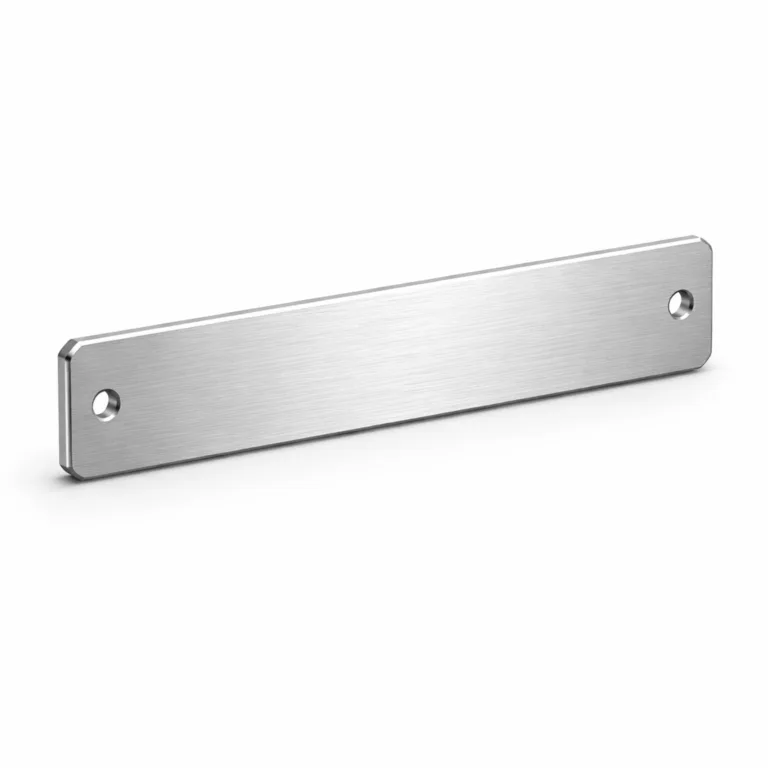
Introduction to Backside Design
Backside design refers to the deliberate use of the reverse, or non-primary, surface of a product—like a metal tag, label, packaging, or print—for adding information, branding, or visual interest. In industrial identification, the front of a tag usually carries the main branding, product ID, or serial code. The reverse, however, often goes underused or ignored. That’s starting to change as more engineers and branding managers realize that backside design and reverse patterns present valuable, cost-effective real estate for additional content or aesthetic details.
When applied thoughtfully, backside design can serve dual purposes: carrying essential operational data (like asset numbers, technical specs, compliance markings), or providing visual patterns that reinforce brand identity. This layer of utility and style becomes especially important for situations where durability, readability, and information density are critical—such as in manufacturing environments, aerospace, asset management, and retail branding.
Reverse patterns aren’t just about style; they can boost the perceived value of the entire product and make important info accessible without cluttering the front. For example, QR codes, microtext, emergency contact details, or artwork can all be added to the reverse of metal tags, adding a discreet layer of functionality or security.
Industries from automotive parts suppliers to luxury retailers have integrated backside design to distinguish their products in the field, withstand harsh conditions, and improve traceability without extra material or separate labels. Metal nameplates, asset tags, keychains, jewelry, and even high-end garment tags all benefit from this trend. As demand for flexible and durable solutions grows, engineers and procurement specialists are considering new materials and manufacturing methods tailored for backside design. Next, we’ll dive into the specifics of reverse patterns and how to leverage them for maximum impact.
Basics of Reverse Patterns
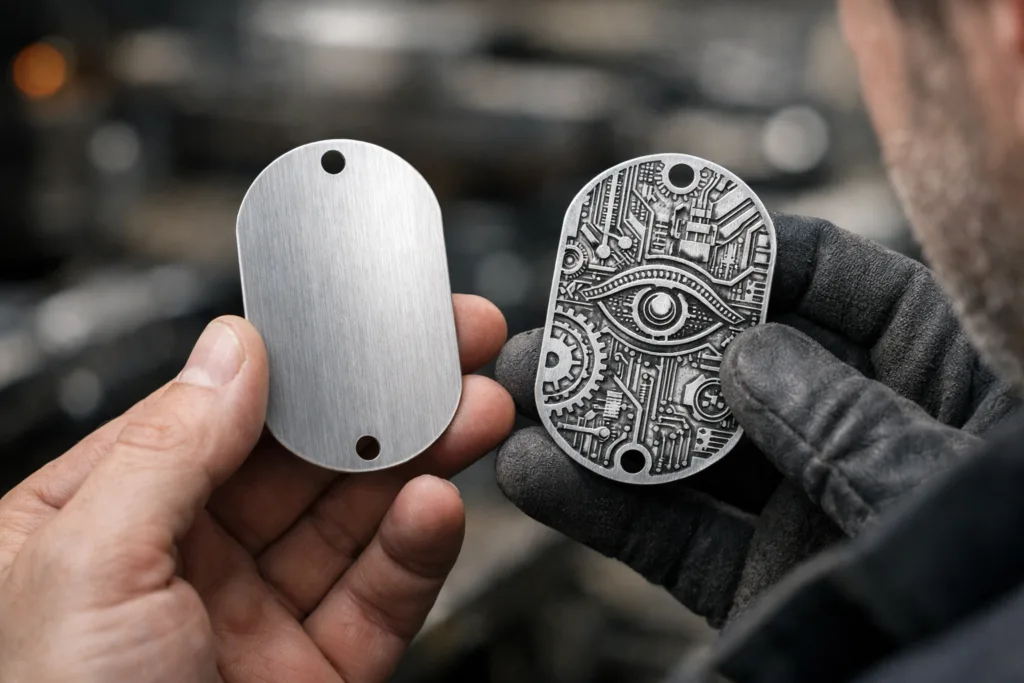
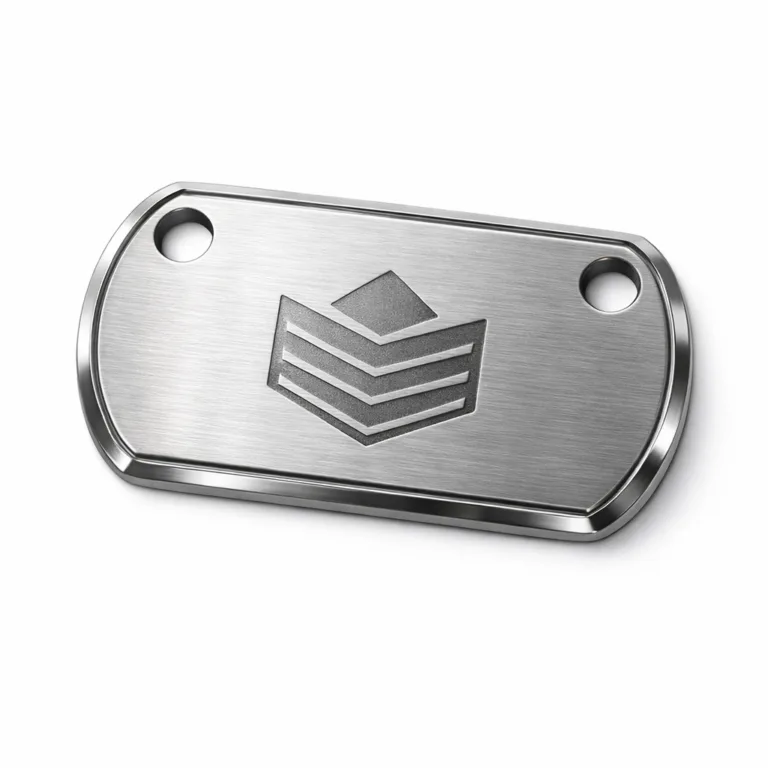
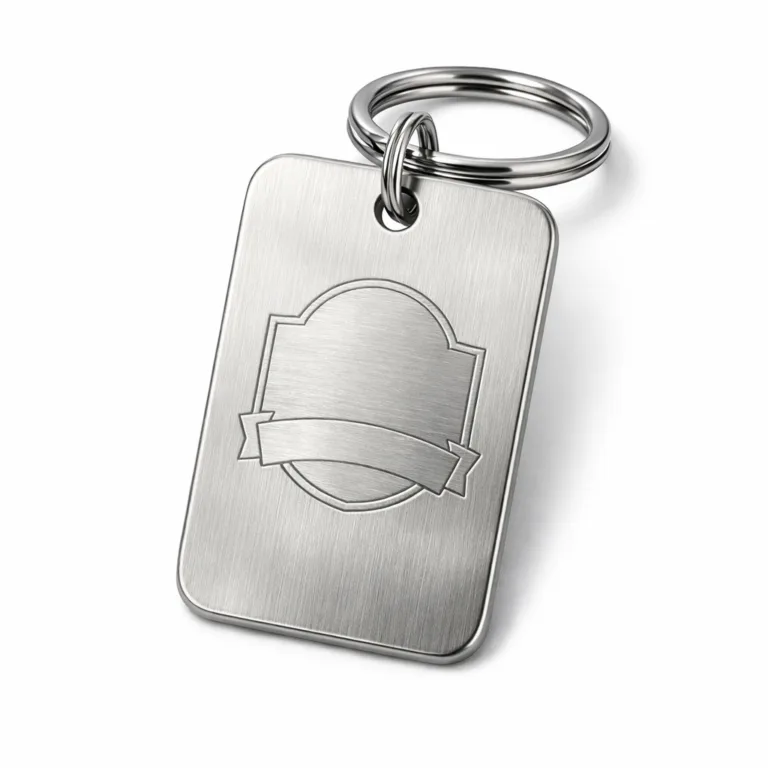
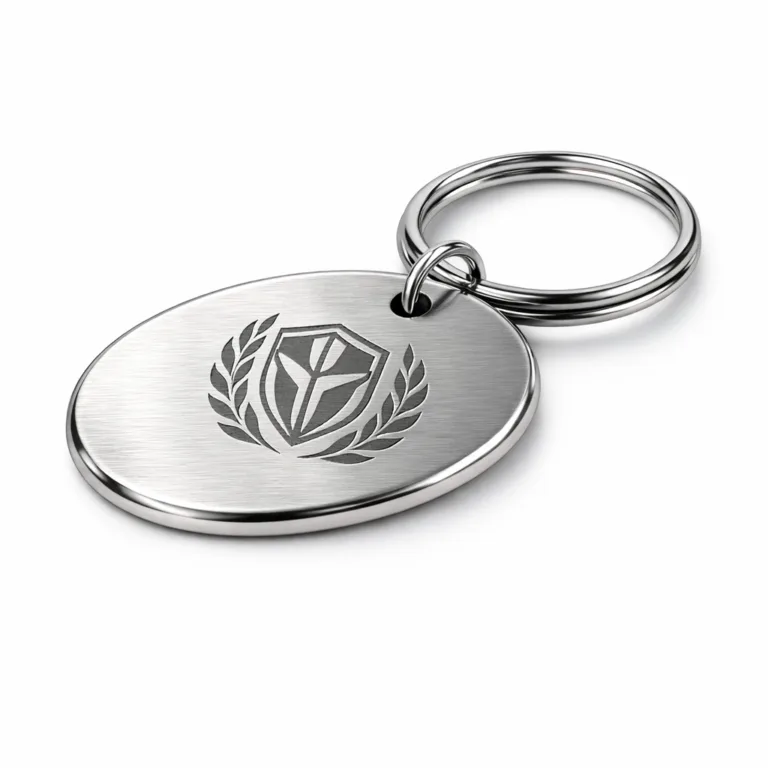
Reverse patterns, in the context of metal tags and custom labels, refer to etched, engraved, printed, or embossed layouts applied specifically to the backside of a product. Unlike standard front-facing graphics or text, reverse patterns are intentionally placed out of immediate view for functional, security, or decorative reasons.
These patterns can take many forms, including subtle micro-engraving for anti-counterfeiting, elaborate brand marks, QR and barcode matrices, care instructions, serial numbers, or geometric motifs that complement front-side branding. Reverse patterns can also be used for quick scanning or accessing digital records without disrupting the overall appearance of the primary face.
Applications are varied. In electronics, the reverse might house regulatory icons or warranty codes. Luxury goods brands often add repeating logos or authenticating motifs for discrete value. Industrial asset managers rely on reverse patterns to store backup data or redundant serial marking in harsh environments. For pet tags, the reverse side is ideal for engraving emergency contact details for quick retrieval.
- Security features (microtext, serialized codes)
- Compliance or regulatory marks
- Care, cleaning, or use instructions
- Alternate language translations
- Artistic patterning or secondary branding
The function-first approach ensures information isn’t lost to abrasion, tampering, or misplacement. The design-first mindset treats reverse patterns as added value—a chance to impress clients, buyers, or end-users. In both cases, choosing the right methods and materials makes all the difference for outcome and longevity. Next, we’ll explore material options to maximize the benefit of backside design.
Materials Comparison: Choosing the Right Metal for Backside Design
Selecting the proper material is a crucial early step in any backside design project. Aluminum, stainless steel, and brass dominate the market for industrial and commercial metal tags, each offering distinct benefits for reverse patterns.
| Material | Weight | Corrosion Resistance | Durability | Fidelity for Backside Design | Best Uses |
|---|---|---|---|---|---|
| Aluminum | Light | Excellent (especially anodized) | Good | High contrast, supports vivid color or detailed etching | Outdoor or high-volume tags, color-coding, QR/barcode tags |
| Stainless Steel | Medium | Superior | Outstanding | Precision engraving, fine microtext, etched graphics | Industrial, marine, or high-abrasion zones, asset management |
| Brass | Medium-heavy | Good (can patina) | Very good | Rich patterns, vintage look, deep stamping | Luxury branding, vintage products, hospitality, wine tags |
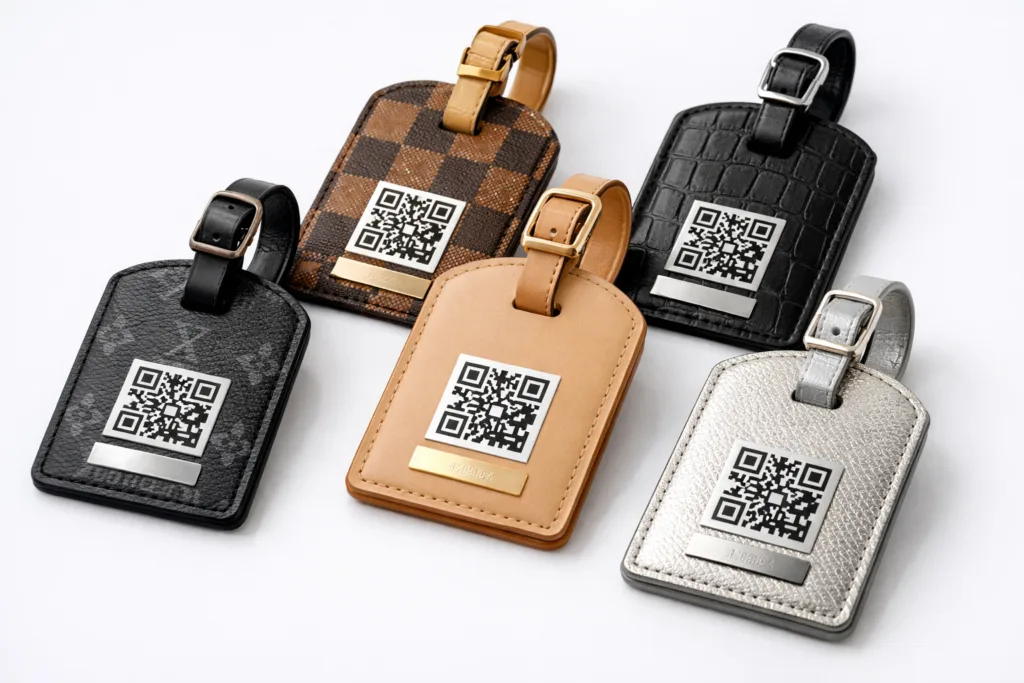
Aluminum stands out for its lightness, cost-efficiency, and capacity for bright colors and high-contrast printing—especially when anodized. It’s ideal when backside design calls for QR codes, colored patterns, or detailed barcodes, as seen on modern luggage and bag tags. Stainless steel provides unmatched durability and is favored for environments subject to abrasion, chemicals, or extreme weather. Fine laser engraving and chemical etching deliver crisp, long-lasting reverse patterns on steel.
Brass brings a premium look and tactile depth, making it the metal of choice for vintage, commemorative, or high-end applications. Its patina may be a desired asset or a drawback, depending on design intent and brand voice.
Material choice impacts not only the resilience of backend markings but also the quality of printing or engraving. Harder alloys may hold fine lines better but can cost more to process. If the tags must withstand salt spray or outdoor UV exposure, aluminum (with proper anodizing) or stainless steel is recommended. When aesthetics and tradition take precedence, brass tags shine.
Rain Chen, production specialist at UC Tag, notes that the best results are achieved when the backside design is matched to both the environment and the chosen manufacturing process. For high-detail projects, such as asset management or tamper-proof ID tags, matching metal selection to application ensures information remains clear and durable for years.
Manufacturing Methods: Enhancing the Backside Design
How you manufacture the reverse side makes a big difference in durability, appearance, and cost. Each process—engraving, stamping, chemical etching, and UV printing—offers unique qualities for backside design projects.
Engraving (laser or CNC) carves information or graphics below the metal surface, making marks permanent and tamper-resistant. It suits asset tags, medical IDs, or compliance info. Laser engraving works well for stainless steel and anodized aluminum, ensuring high readability, but extremely fine detail may require higher spec machines.
Stamping uses a die to impress or raise features on either face of the tag. This method excels at serial numbers, simple icons, and repetitive branding, especially on brass and steel, resulting in tactile and abrasion-proof reverse patterns. Stamping is cost-effective for large batches.
Chemical etching removes unprotected metal with a controlled chemical process to reveal high-resolution, shallow details. It allows precise reverse patterns and even photographic effects, especially on stainless steel. It isn’t ideal for areas with a high risk of deep scratches, as shallower etching can be worn over time.
UV printing enables full-color, intricate backside design that’s sharp and visually striking. While modern UV inks resist fading, their abrasion tolerance doesn’t quite match etched or engraved graphics, so placement and environment matter.
Here’s a quick comparison:
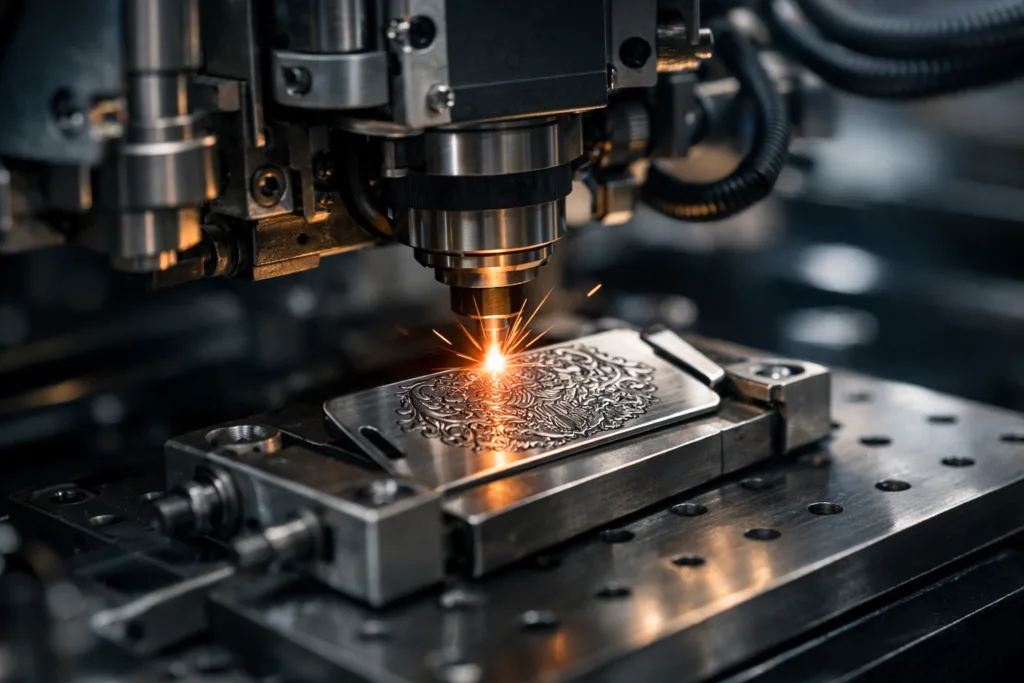
- Engraving: High permanence; excellent for microtext/QR codes; moderate cost; slower cycle.
- Stamping: Very durable; tactile feel; best for medium-to-high production runs; fast.
- Chemical Etching: High-resolution patterns; ideal for fine branding; better on stainless/brass; least tactile.
- UV Printing: Vibrant full-color; high design freedom; lower abrasion resistance; suitable for branding, decorative info.
Machine setup, cycle time, and run size will affect total cost and lead time. Applications with stringent durability needs (e.g., outdoor asset ID, industrial compliance tags) benefit from deeper processes like engraving or stamping. Decorative secondary messages on retail or promotional products can capitalize on UV printing’s design flexibility. A good manufacturer aligns the chosen method and finish with your product’s operational demands.
Design and Spec Checklist for Backside Applications
Getting backside design right requires attention to technical details and clear communication with your supplier. Here’s a practical checklist to guide your next project:
| Design/Spec | Why It Matters | Tips & Guidelines |
|---|---|---|
| Size & Shape | Ensures design fits within tag bounds | Provide exact vector files (see why vectors matter); standardize common shapes. |
| Thickness | Affects durability & process compatibility | Match metal gauge to environment: consider this guide. |
| Finish Choice | Impacts contrast & longevity | Matte/brush for anti-glare or gloss for premium feel; plan finish to avoid obscuring reverse patterns. |
| Attachment Options | Secures tag; affects orientation | Choose adhesive, rivet holes, or cutouts based on mounting method (see adhesive options). |
| Readability | Key for functional info | Follow minimum font sizes for engraving (font guide); test contrast under lighting. |
| Pattern Alignment | Prevents misprints/misalignment between faces | Specify alignment marks in artwork files; request proofing samples. |
| Tolerances | Affects fit, assembly, and pattern registration | Consult manufacturing partner for process-based tolerances; deeper patterns need looser tolerances. |
- Double-check readable font sizes on metal
- Optimize contrast for low-light/harsh settings
- Indicate critical design elements with callouts in specifications
- Plan for adhesive/rivet compatibility
Clear, complete artwork and a finalized spec checklist accelerate quoting and minimize costly errors in backside design projects. Sampling and proofing are often available for custom orders, offering a chance to spot flaws before full production begins.
Evaluating Durability and Testing Before Production
For backside design applications—especially in tough environments—the fade and wear resistance of reverse patterns is often just as crucial as for front-side markings. Testing validates the longevity and functional reliability of your chosen materials, processes, and graphics before committing to large production runs.
Common industry tests include:
- Corrosion resistance (e.g., salt spray): Exposes tags to salt-laden mist to simulate marine or humid conditions.
- Abrasion tests: Uses brushing or rubbing to mimic handling wear; key for industrial and heavy-use settings (more here).
- UV exposure: Checks fading or degradation under sunlight—important for outdoor asset tags or luggage labels (detailed guide).
For example, the automotive industry requires samples to withstand both salt spray and abrasion tests to ensure reverse patterns on serial number plates remain legible for years. Luxury brands in retail or wine must maintain crispness and luster through frequent handling.
In-house pre-production checks are highly recommended. Use prototypes for test-fits, try wipes/chemical exposure, and review tag visibility under realistic lighting. This helps catch any weak points—like fading, chipping, or misalignment—before full-scale manufacturing. If in doubt, ask your supplier or a production expert (like UC Tag’s Rain Chen) for sample test protocols tailored to the final use environment.
Industry Applications and Use Cases of Reverse Patterns
Reverse patterns in backside design have gained wide traction across industrial, commercial, and consumer sectors. Here are some leading examples and the benefits realized by each:
- Industrial Equipment: Maintenance and service tags often have instructions or safety symbols laser-engraved on the reverse. This allows quick on-site scanning of QR codes or reading of microtext even when the front is scratched or marked by harsh use.
- Consumer Goods: High-end luggage and bag tags regularly feature serialized numbers and discreet branding on the back. Reverse patterns boost traceability and validate authenticity—useful for warranty or lost-and-found procedures (luggage tag solutions).
- Branding: Retail and collector’s item tags (for garments, wine, and luxury accessories) incorporate subtle logos or repeating motifs on the reverse as anti-counterfeit features or brand reinforcement (logo tag applications).
- Pet & Asset ID: Pet tags commonly carry owner info or emergency contacts engraved on the reverse. Municipal asset tags often encode backup numbers, inspection schedules, or encrypted data as a fail-safe (dog tag production).
Each case demonstrates how reverse patterns extend the tag’s lifespan and practical value. In regulated sectors like aerospace or pharmaceuticals, compliance or batch codes on the reverse can be critical to meeting standards. Meanwhile, value-added branding patterns enhance the perceived quality of consumer-facing products.
Deploying well-designed reverse-side details means that identification, branding, and traceability are never lost—even when the main face becomes damaged, painted, or obscured over time.
Common Mistakes and Troubleshooting Guidelines for Backside Design
Even experienced buyers and engineers can stumble on a few backside design pitfalls, leading to reduced readability, functionality, or lifespan. Here are common errors and troubleshooting ideas to keep your tags running at full value:
- Unreadable text: Very small font sizes or low-contrast colors may look fine on a monitor but appear faint or invisible on metal. See minimum engraving size standards and always test in real lighting.
- Inappropriate adhesives or holes: Using the wrong mounting method leads to peeling, spinning, or lost tags. Align adhesive/rivet choices with the environmental stresses (read about adhesives).
- Corrosion/peeling: Backside patterns applied to untreated or incompatible metals can corrode quickly in wet or salty environments. Specify the correct plating/anodizing for durability, and run corrosion pretests (rust-proofing guide).
- Poor contrast: Reverse designs can disappear if not properly contrasted with the base finish. Use matte or brush finishes for maximum legibility, especially under diverse lighting conditions.
It’s important to involve a supplier with practical manufacturing experience (like Rain Chen at UC Tag) early in the specification phase. Quick prototyping and thorough design-for-manufacture (DFM) checks can prevent most common issues, saving time and rework costs down the line.
Ordering Guide for Backside Design Projects
To order custom tags or parts with backside design, clear specifications and planning help everything run smoothly. Here’s what to cover when preparing your order:
- Minimum Order Quantity (MOQ) & Lead Time: MOQs vary by process (e.g., stamping usually starts at a few hundred units, while engraving can allow low-volume runs). Lead time increases with design complexity—allow 2–4 weeks for most custom work, including proofing and sampling.
- Artwork & Spec Submission: Always provide vector artwork and explicit callouts for all backside elements. Use a vector file standard for accuracy and proof review.
- Proofing & Sampling: Expect a digital proof or pre-production sample. Use this to confirm alignment, contrast, finish, and placement of all reverse patterns before full manufacturing begins (see sample options).
- Packaging & Shipping: Tags with delicate reverse patterns or specific finishes (such as high-polish, enamel, or UV print) may need protective packaging to prevent scratching en route. Clarify delivery requirements early and specify any label or packing requests (custom project solutions).
By following a robust spec checklist and allowing adequate proofing cycles, you’ll streamline communication, minimize errors, and ensure the final product performs exactly as intended—front and back.
Frequently Asked Questions
What is backside design and why should I consider it for my metal tags?
Backside design uses the reverse side of a tag or product for additional information or patterns, increasing functionality, branding options, and space efficiency without crowding the front.
Which materials are best for durable backside design in harsh environments?
Stainless steel and anodized aluminum are top choices for harsh settings as they offer outstanding corrosion resistance and durability for complex backside designs and reverse patterns.
How do I make sure my reverse patterns remain readable?
Use proper font sizes, select high-contrast finishes, and choose deep engraving or stamping methods; always test prototypes under realistic lighting and wear conditions before mass production.
Can I add serial numbers or QR codes to the backside of my tags?
Yes, serial numbers and QR codes can be laser-engraved, etched, or printed on the reverse; just ensure your artwork is vector-based for accuracy and that manufacturing tolerances support fine detail.
What are common mistakes when specifying backside designs?
Poor readability from small fonts, low contrast, using the wrong adhesives or holes, and omitting protective finishes are all common errors—always communicate with your supplier and test samples.
How do I request a sample or proof for backside design before finalizing my order?
Work with your supplier to review digital proofs or physical pre-production samples; specify artwork, finishes, and all backside elements in detail to avoid miscommunication and delays.
Related Reading
- Ensure Legible Engraving: Expert Guide on Minimum Font Sizes for Metal Tags
- Avoid Costly Mistakes: Why Vector Art Is Essential for Precise Metal Mold Production
- Boost Tag Security: How 3M Adhesive Backings Improve Branding and Durability
- Maximize Durability: How to Select the Right Metal and Thickness for Luggage Tags
- Preserve Tag Colors: UV Resistance Strategies for Long-Lasting Outdoor Labels