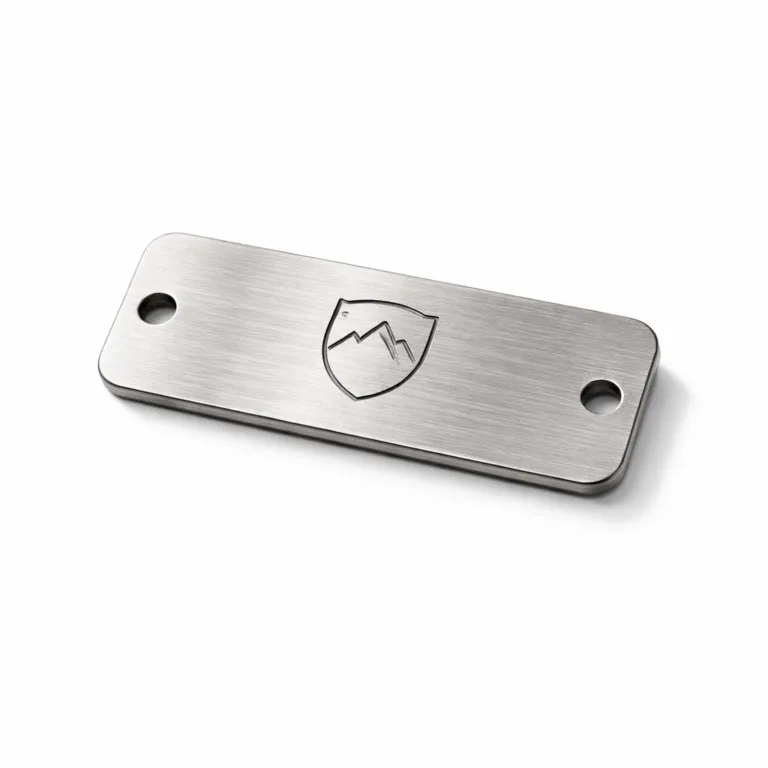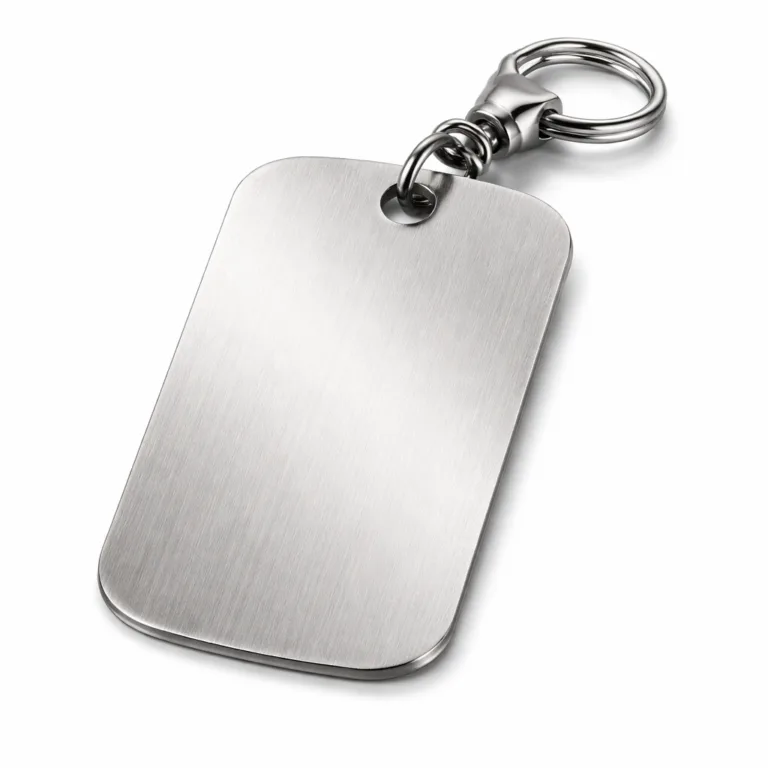
Adhesive backing is the foundation for stick-on metal logo tags used across industry and commerce. Whether you’re labeling equipment, branding finished goods, or adding identification to assets, the right adhesive can make or break durability and performance. In this guide, we cover practical trade-offs, strengths of various 3M adhesive options, and tips for getting your application right. You’ll find all the details needed to choose adhesive backing for metal logo tags that stay secure even under demanding conditions.
Understanding Adhesive Backing for Metal Logo Tags
Adhesive backing refers to a layer of pressure-sensitive adhesive applied to the reverse side of metal logo tags, enabling quick, tool-free attachment to most surfaces. This process delivers a sleek, professional look while ensuring reliable stick-on performance without mechanical fasteners.
3M is globally recognized as a leader in adhesive solutions, producing specialized industrial adhesives designed for different stress loads, environmental conditions, and substrates. Their products are trusted for long-term reliability by engineers and manufacturers worldwide.
Adhesives come in two main categories: temporary and permanent. Temporary adhesives allow easy removal and repositioning, ideal for low-risk or short-term uses. Permanent adhesives, on the other hand, bond firmly and resist environmental stressors, making them suitable for asset identification or high-value branding applications where longevity is critical.
- Adhesive strength is especially important in industrial environments where tags might be exposed to vibration, moisture, or outdoor conditions.
- Common materials for adhesive backing include acrylics, rubber compounds, and high-performance foams, each tailored to different surfaces and requirements.
- Metal tags often require adhesives formulated for smooth, hard surfaces and strong peel and shear resistance.
The selection of the proper adhesive backing depends on tag material, surface preparation, and expected environmental exposure. Rain Chen from UC Tag sees firsthand how choosing the right adhesive can dramatically reduce tag failures in mass production and field applications.
Types of 3M Adhesives for Metal Logo Tags
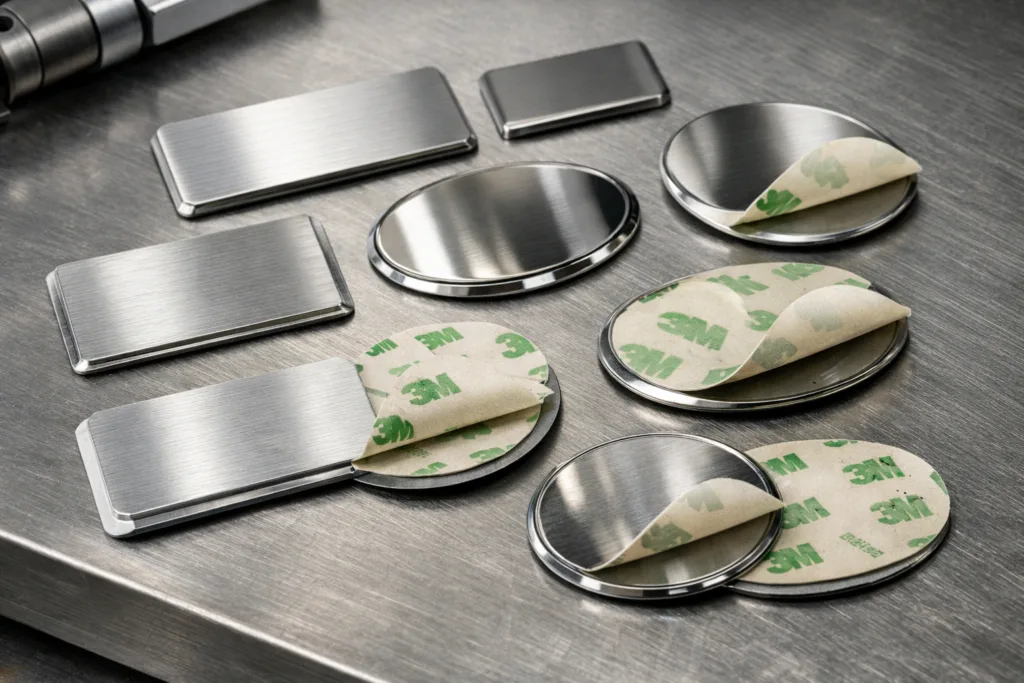
3M offers a variety of adhesive backing solutions for metal logo tags, each developed for specific environments and performance demands. Two of the most popular are 3M VHB (Very High Bond) and 3M 467MP, but other products like 3M 300LSE and 3M 9448A also serve unique needs.
3M VHB is known for its extreme strength and ability to bond metals to glass, plastic, and painted surfaces. Its acrylic foam core adapts to minor surface irregularities and performs reliably in both indoor and outdoor environments.
3M 467MP is an acrylic adhesive often used for smooth metals and plastics. Its thin profile ensures a low build, making it ideal for visually sensitive branding tags—and it resists temperature and chemicals.
- 3M 300LSE excels on low surface energy plastics or powder-coated metals, ensuring a firm bond where standard adhesives fail.
- 3M 9448A offers high tack and versatility for rougher surfaces but with more moderate temperature resistance.
- Each type comes in several thicknesses, with thicker foams accommodating uneven or textured surfaces and thinner films being best for flat, polished metals.
- Temperature resistance varies from -40°C up to 150°C or more, which is crucial for tags exposed to engine heat, outdoor sun, or refrigeration cycles.
Choosing the right adhesive thickness is as important as the adhesive type. For example, if your logo plate must withstand frequent cleaning or pressure, thicker foam adhesives offer flex and shock absorption. For lean, flush-fitting tags, thin acrylic films like 467MP prevent edge lifting while preserving aesthetics.
| 3M Adhesive Type | Strength | Best Use | Temperature Resistance | Thickness Range |
|---|---|---|---|---|
| VHB | Very High | Heavy-duty, outdoor, textured surfaces | -40°C to 150°C | 0.4–2.0mm |
| 467MP | High | Smooth, flat metals and plastics | -40°C to 120°C | 0.05–0.13mm |
| 300LSE | High | Low-energy plastics/powder coats | -40°C to 95°C | 0.10–0.20mm |
| 9448A | Moderate | General-purpose, rough surfaces | -30°C to 80°C | 0.08–0.15mm |
Always compare adhesives for surface compatibility, environmental resistance, and ease of application. Check your tag design and intended use before selecting the adhesive backing.
Selecting the Right Adhesive for Your Application
Choosing adhesive backing for metal logo tags depends on several practical variables. Surface texture, material compatibility, and environmental conditions all play a role in determining the best adhesive.
For uneven or textured surfaces, opt for thicker foam adhesives like 3M VHB. Smooth surfaces, such as polished metals or glass, pair well with thin film adhesives such as 3M 467MP. If you’re working with powder-coated equipment or low-energy plastics, 3M 300LSE is specifically engineered for such substrate challenges.
- The weight and size of your tag affect adhesive backing choice. Larger, heavier logo plates may need a higher bond strength or increased foam thickness to prevent peeling or shifting.
- Environmental exposure, like heat, humidity, or sunlight, must be considered—select adhesives with suitable resistance ratings.
- Surface preparation is critical: clean surfaces thoroughly with isopropyl alcohol, avoid oily residues, and allow proper curing time for maximum adhesion.
Rain Chen at UC Tag notes that most field failures occur due to improper surface prep or mismatched adhesives. Proper selection and installation prevent costly replacements and maintain branding integrity.
Examples of successful adhesive applications include outdoor equipment labeling where VHB resists rain and sun, and office asset tags using 467MP for permanent identification on smooth furniture. Matching adhesive product to your real-world needs ensures tags perform as intended.
Materials Comparison: Aluminum, Stainless Steel, and Brass
Metal logo tags are primarily manufactured from aluminum, stainless steel, and brass, each chosen for distinct features and application requirements. Material selection influences compatibility with adhesive backing, aesthetics, and long-term performance.
Aluminum is lightweight and corrosion-resistant, making it ideal for outdoor, marine, or transport environments. Its anodized surface takes adhesives well but may require special prep for powder-coated finishes.
Stainless steel boasts supreme corrosion and abrasion resistance, and delivers modern, premium visual appeal. Due to its weight, adhesive selection should lean toward high bond strength, especially for large tags.
- Brass offers a distinct vintage look and reasonable corrosion resistance but can develop patina over time. Adhesion is generally good—the main trade-off is weight and whether the tag’s thickness is compatible with adhesive mass.
- Each material affects branding aesthetics and performance in different environments. Stainless steel is perfect for rugged, high-contact surfaces; aluminum is excellent for lightweight, high-volume installations; brass suits heritage or luxury brands.
- Weight and thickness drive adhesive choice—thicker, heavier tags or plates require stronger backing, while slim, light aluminum tags can use thinner adhesives.
When specifying metal logo tags with adhesive backing, match material type to your environmental challenges and branding goals. For marine or chemical-rich conditions, refer to our Guide to Choosing Industrial Tags That Survive Chemicals.
Manufacturing Methods for Metal Tags
Metal tags can be produced using engraving, stamping, etching, and printing, each technique impacting surface preparation for adhesive backing. Understanding these methods is crucial for ensuring optimal adhesive adhesion and tag durability.
Engraving creates recessed designs, requiring careful cleaning to avoid adhesive failure due to debris or uneven surfaces. Stamping may leave raised or textured surfaces; adhesives must accommodate these contours with thicker foam or adjust bond area.
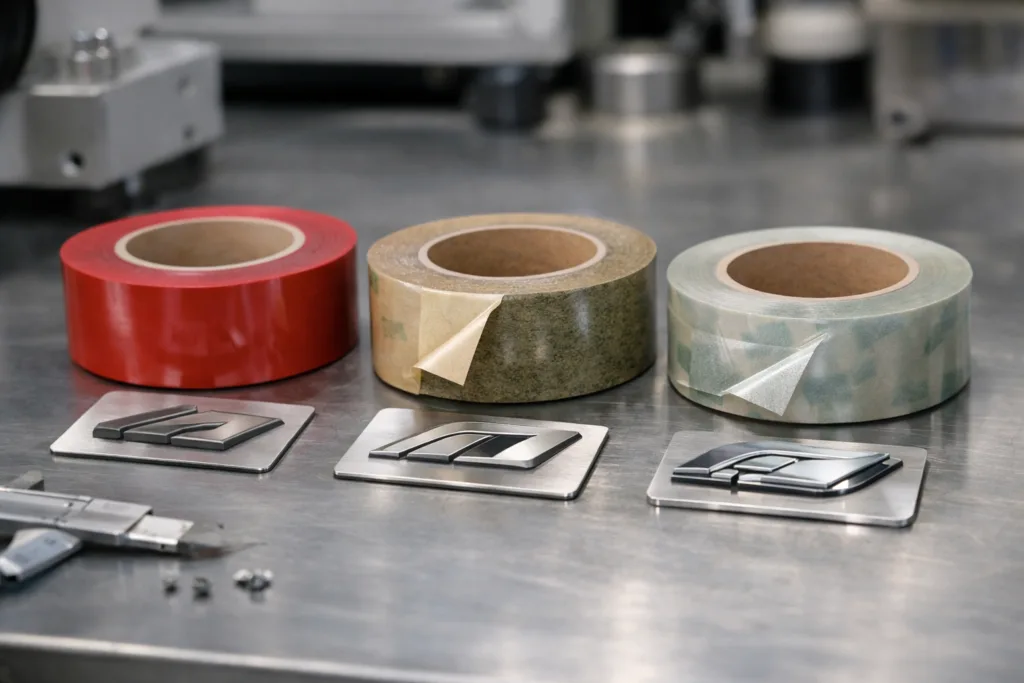
- Chemical etching yields a micro-textured finish, which generally improves adhesive grip but demands precise tolerance.
- UV printing applies on smooth, coated metals and is best paired with acrylic film adhesives that offer clean contact.
- Finishing processes like anodizing or electroplating alter surface energy, sometimes necessitating advanced adhesives such as 3M 300LSE.
- Tolerances and manufacturing specs must be tight to prevent edge lifting and maximize bonding quality.
Surface texture from the manufacturing process is a primary factor in adhesive performance. Rain Chen from UC Tag often advises revision of spec sheets to account for post-finishing variations and real-world bonding outcomes.
Design & Spec Checklist for Adhesive-Backed Tags
Effective design and specification are essential for reliable adhesive-backed metal logo tags. Key elements include tag size, thickness, finish, and text readability. Incorporate adhesive-related features during the design phase, such as holes for extra rivets or specific adhesive zones.
- Choose tag dimensions that balance visibility and weight, ensuring adhesive can handle the load.
- Select finishes compatible with adhesive—avoid super-slick coatings unless matched to the correct 3M product.
- Ensure text size and contrast meet identification needs for rapid scanning or branding.
- Specify tolerances tightly; loose specs can lead to peeling issues or unsightly gaps.
- Use features like additional adhesive stripes or mounting holes where critical.
| Design Element | Specification Tip |
|---|---|
| Size | Keep within adhesive load rating; preview actual tag area |
| Thickness | Choose based on anticipated stress and adhesive thickness |
| Finish | Glossy, matte, or brushed—match adhesive compatibility |
| Text/Logo | Maintain minimum font size/contrast for readability |
| Mounting Features | Include holes/adaptive zones if needed |
| Tolerances | ±0.1mm preferred for precision fit |
Use this checklist to gather accurate manufacturing specs for your next order. Consult our standard samples or custom metal tag samples for inspiration on spec refinement.
Durability Testing and Performance
Durability is a major concern for adhesive-backed metal logo tags in industrial and outdoor applications. Typical standards involve corrosion resistance, abrasion performance, and UV exposure testing.
Salt spray tests simulate prolonged exposure to marine or humid environments, ensuring both metal and adhesive backing resist degradation. Environmental exposure tests replicate freeze-thaw cycles, intense heat, and direct sunlight to evaluate adhesive performance.
- Common factors that reduce tag lifespan are exposure to solvents, mechanical abrasion, and insufficient curing time.
- Use products specifically validated for your environment: for outdoor equipment, demand UV-resistant adhesives; for marine applications, require salt spray-tested backing.
- Durability tests verify long-term adhesion strength and help confirm that logo tags stay readable and secure throughout their lifecycle.
Testing is vital to validate every aspect of adhesive backing, from chemical resistance to mechanical strength. For further reading, see How Salt Spray Testing Secures Durable Marine & Outdoor Tags.
Industry Applications for Adhesive-Backed Tags
The versatility of metal logo tags with adhesive backing is evident across manufacturing, logistics, outdoor, healthcare, and even consumer applications like pet tags or branded luggage tags.
In manufacturing, adhesive-backed tags are used for product identification, batch tracking, and compliance labeling. Logistics relies on these tags to track assets, containers, and shipments, using adhesives that withstand handling and transport.
- Outdoor applications demand weatherproof and UV-resistant tags for equipment, signage, or utility marking.
- Branding in consumer goods, apparel, and retail is simplified with custom logo plates that adhere cleanly and securely.
- Healthcare applications sometimes use sterile, non-reactive adhesives for patient or instrument identification.
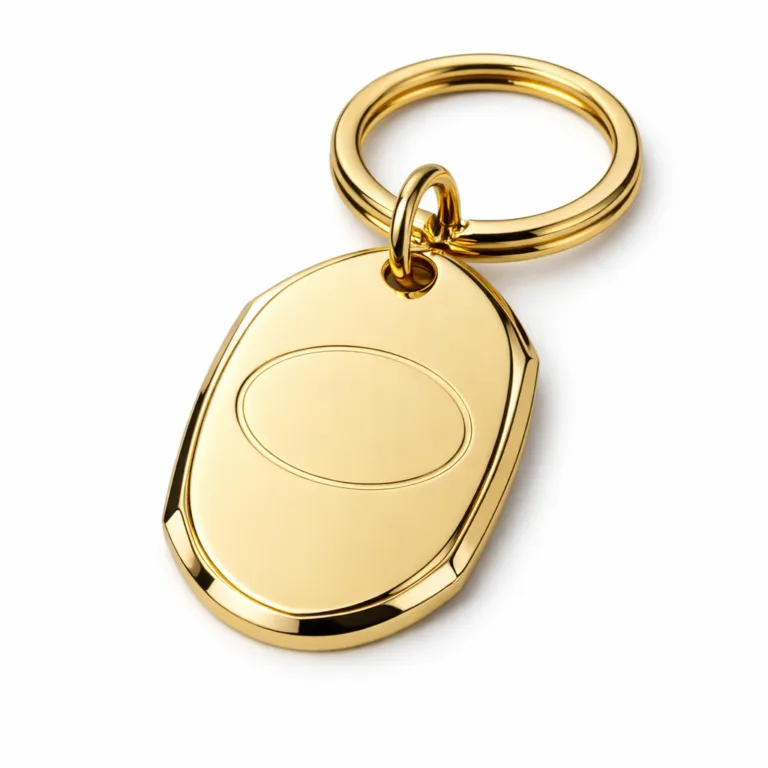
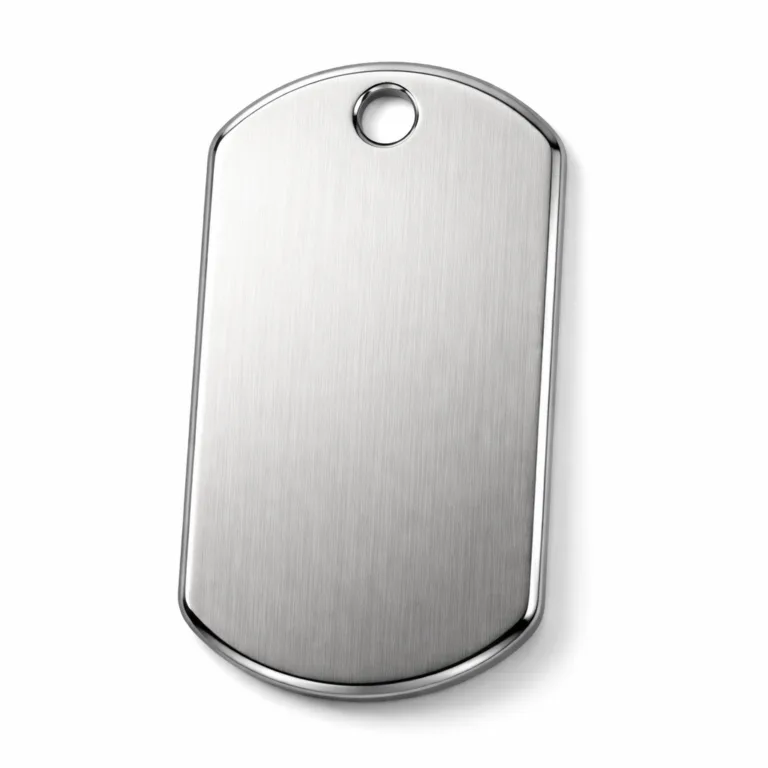
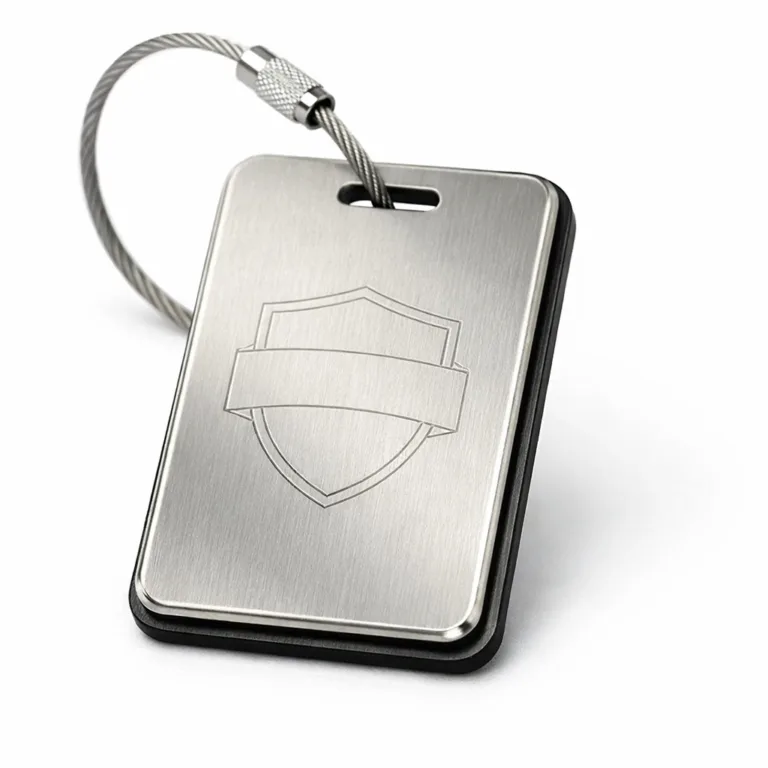
- Pet identification tags and luggage tags combine durability with easy application—see our luggage tag manufacturer solutions and dog tag manufacturer solutions.
Always tailor tag specs and adhesive selection to your unique industry needs. For pet tags and medical labels, reference Expert Guide: Which Waterproof Metal Tags Survive Swimming and Washing Machines?.
Common Mistakes and Troubleshooting
Adhesive-backed tags can suffer from issues such as unreadable text, poor contrast, incorrect adhesive selection, corrosion, or peeling. Avoid these common pitfalls by applying practical solutions.
- Unreadable text often results from reduced font size or insufficient contrast. Always preview your design and opt for etched or engraved finishes for longevity.
- Choosing the wrong adhesive backing leads to tag failure—match the adhesive to surface and environmental conditions as outlined above.
- Corrosion from moisture or harsh chemicals can undermine both tag and adhesive. Select materials and adhesives validated for your application, and refer to our rust proofing strategies.
- To maximize lifespan and performance, clean surfaces well, allow adhesives to cure fully, and avoid overstretching tags during application.
- Preventive measures include reviewing manufacturing specs, running pilot tests, and training installation staff on best practices.
UC Tag’s shop-floor experience demonstrates that thorough preparation and honest assessment of environment and usage can prevent most adhesive issues. For troubleshooting edge cases, consult detailed guides or request feedback from production experts.
Ordering Guide for Custom Adhesive-Backed Tags
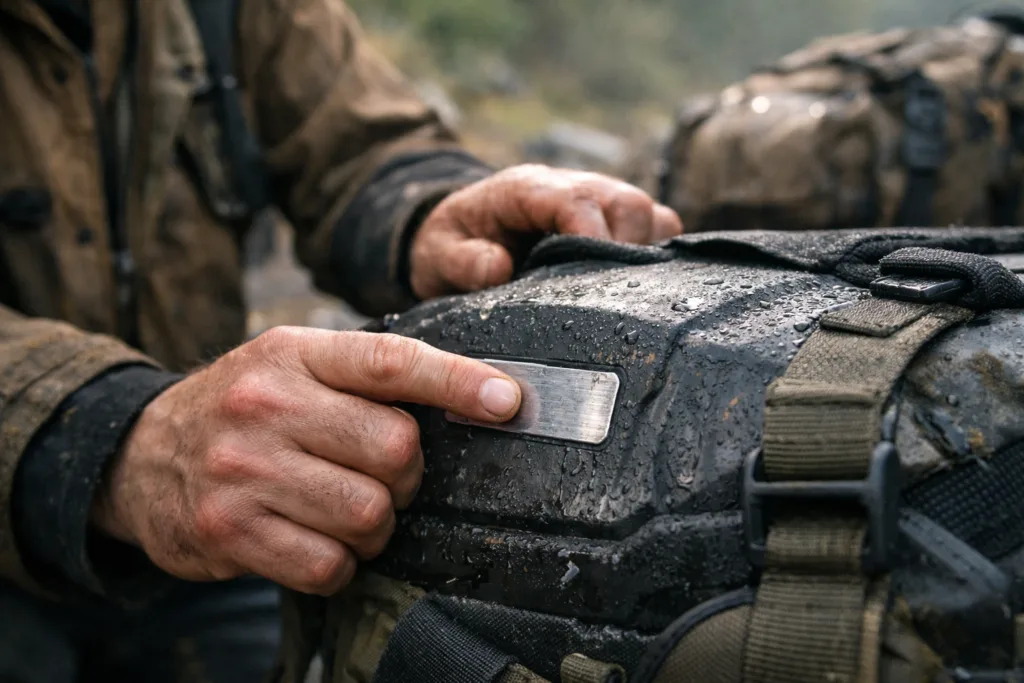
The process of ordering custom adhesive-backed metal logo tags starts with defining specifications, minimum order quantity (MOQ), and lead times. Accurate artwork submission and proofing are critical to avoid errors.
Packaging and shipping options must support the intended delivery and application needs—bulk for operational use, retail packs for consumer branding.
- Sampling is vital; always test adhesives and tag design in the field before mass production. Use custom metal tag samples for validation.
- Lead times may vary depending on tag complexity and required testing cycles. Allocate time for feedback and revision before final approval.
- For assistance with custom specs or order questions, refer to our tag solutions resources.
Proper adherence to these steps ensures your tags arrive as specified and perform reliably for their intended lifespan.
Frequently Asked Questions
Which 3M adhesive works best for outdoor metal logo tags?
3M VHB is generally preferred for outdoor use due to its high bond strength, UV resistance, and ability to withstand temperature fluctuations.
How can I prevent adhesive-backed tags from peeling?
Careful surface cleaning, proper adhesive selection for the substrate, and adequate curing time substantially reduce peeling risk.
Do adhesive-backed metal logo tags work on powder-coated surfaces?
Yes, but it’s important to use adhesives like 3M 300LSE designed specifically for low-energy or powder-coated finishes to ensure long-term bonding.
How do I specify the right tag thickness for adhesive application?
Consider both tag weight and expected stress; lighter tags suit thin adhesives, while heavier tags require thicker foam adhesives for extra security.
Can adhesive-backed tags resist cleaning chemicals and sterilization?
Some adhesives, such as select 3M acrylic types, are formulated for chemical resistance; ensure compatibility with your cleaning process or consult manufacturing specs.
What is the typical lead time for custom adhesive-backed metal logo tags?
Lead times typically range from 2 to 6 weeks, varying with complexity, order quantity, and proofing requirements.
Related Reading
- Stop Color Fading: UV Resistance Solutions for Outdoor Metal Tags
- Engineer’s Guide: Tags That Survive Industrial Chemicals
- How Deep Engraving Extends Tag Lifespan and Readability
- Rust Proofing Tactics for Humid Environments and Durable Metal Tags
- Securing Tags for Marine Use: Salt Spray Testing Explained