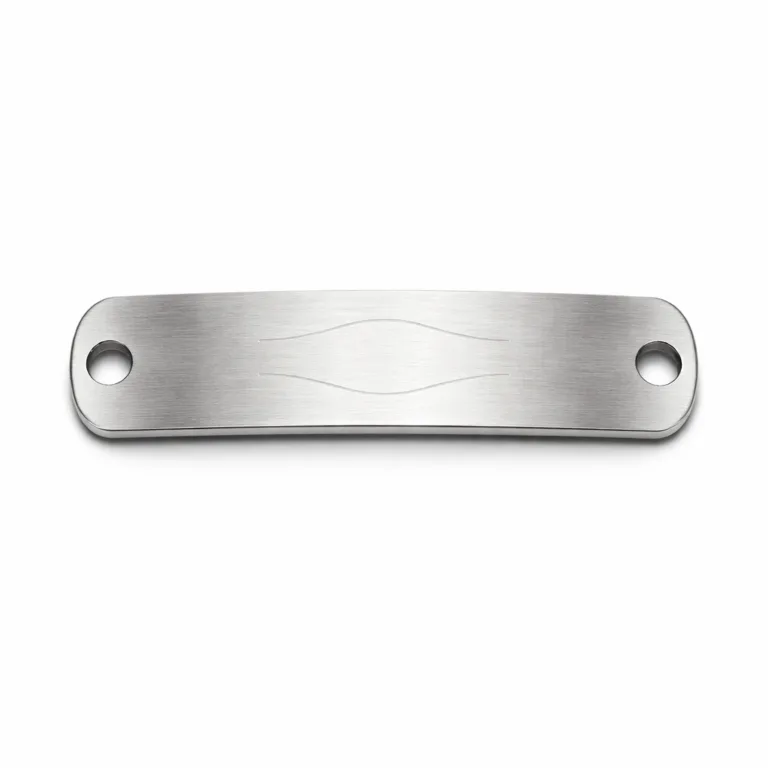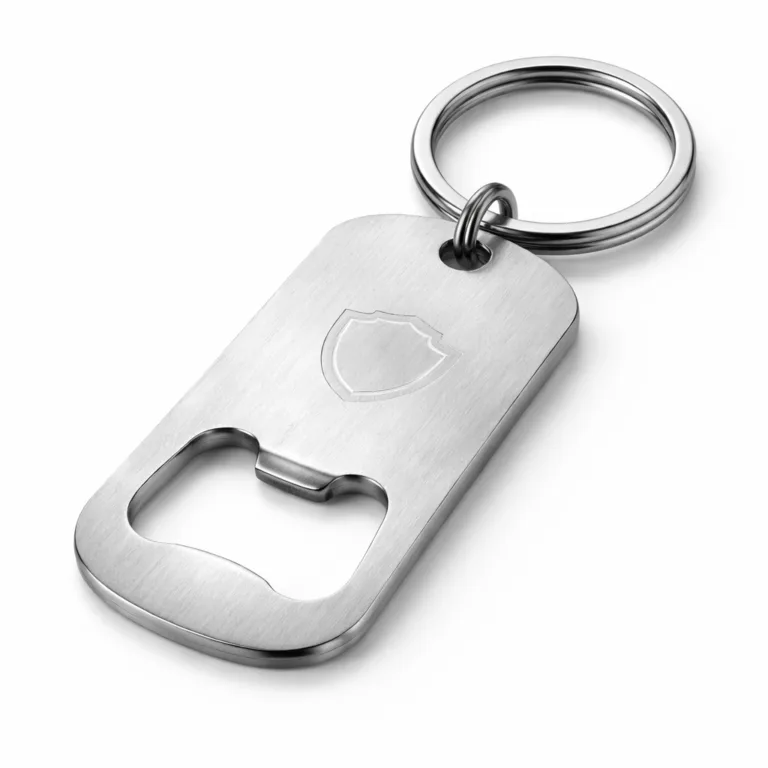
Introduction to 8mm Charms
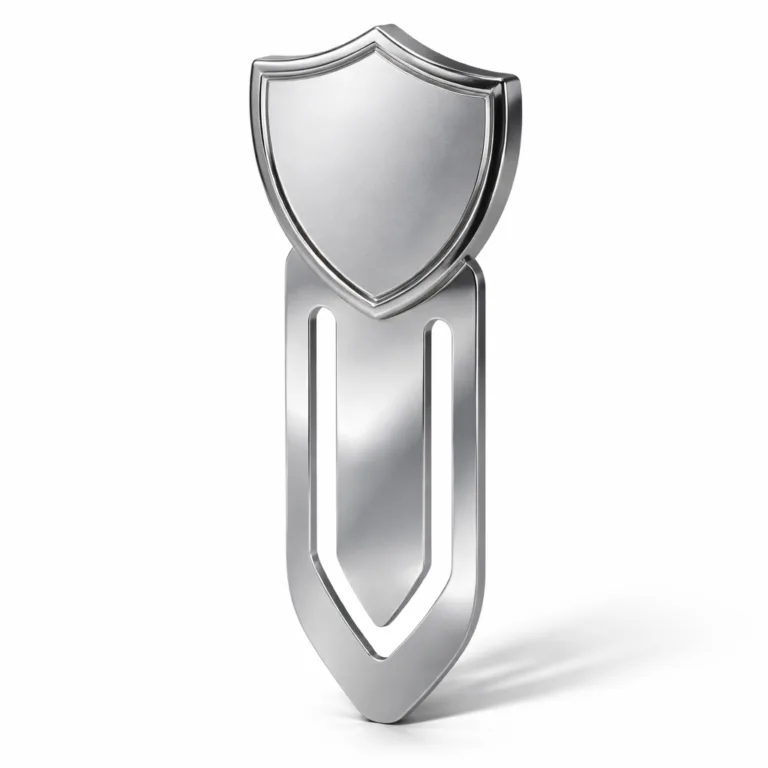
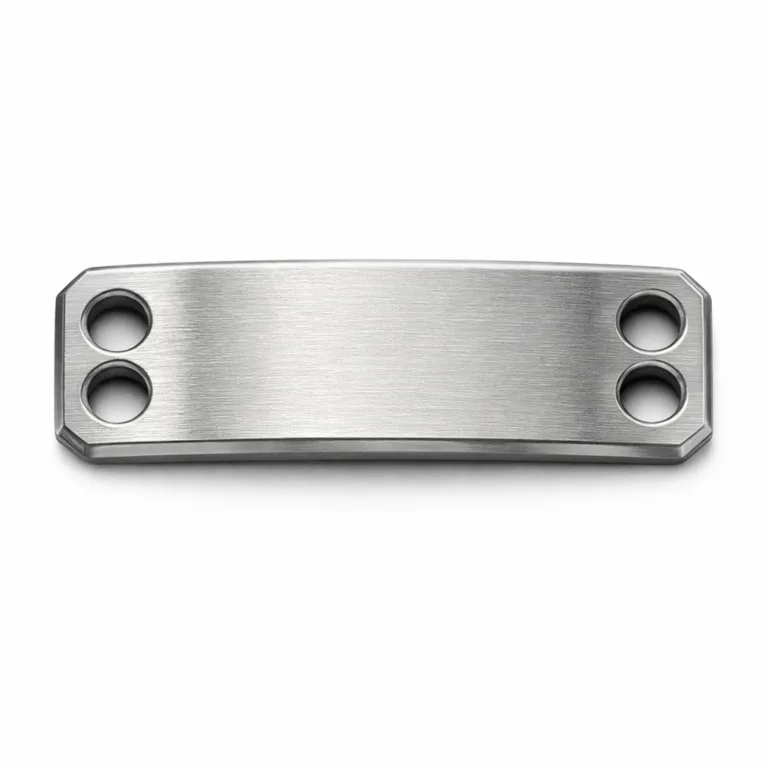
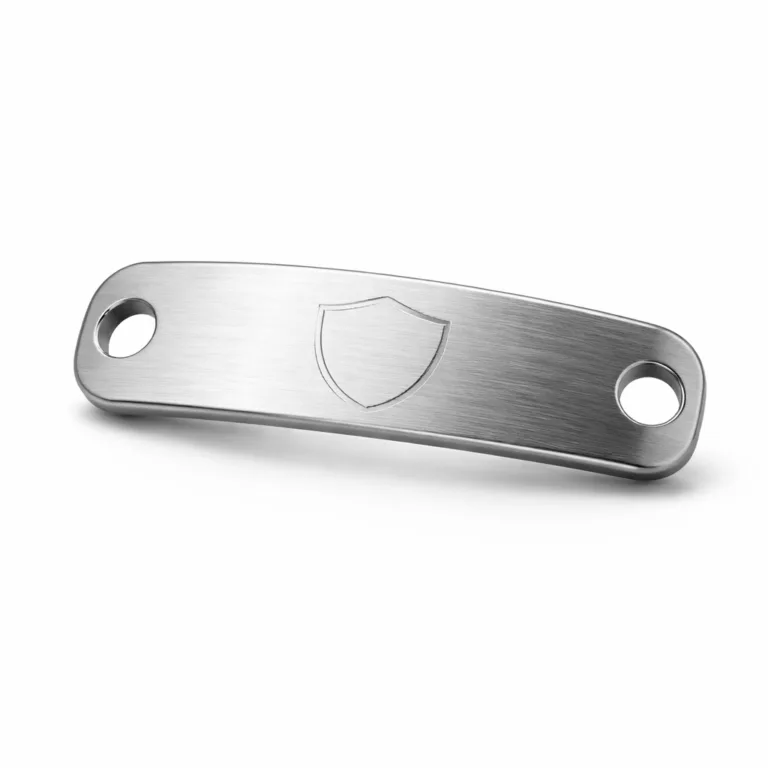
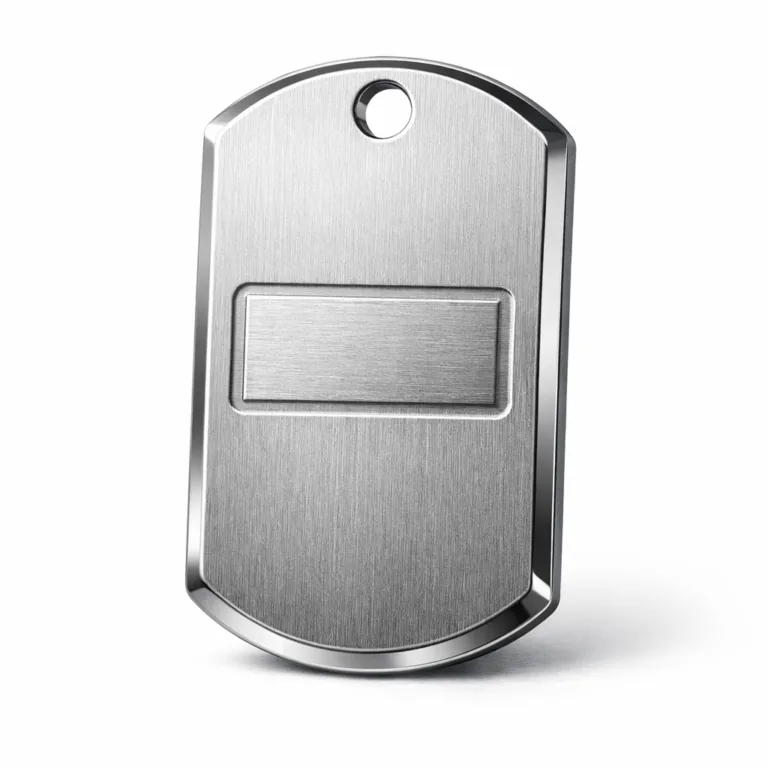
8mm charms, though tiny in size, hold significant power in the world of jewelry and accessories. These miniature metal tags measure just 8 millimeters across, making them perfect for delicate and intricate personalization on bracelets and bikinis.
Designers use 8mm charms as subtle embellishments, personal identifiers, or signature branding elements. The small footprint makes these tags ideal for modern jewelry, where less is often more, and consumers are increasingly drawn to the combination of minimalism and customization.
Customization is at the heart of today’s accessory trends. Fashion-conscious buyers and brands recognize the ability of bespoke designs to enhance uniqueness and add emotional value. For fashion labels, unique 8mm charms can instantly reinforce brand identity, setting products apart in a crowded market.
The recent surge in popularity among jewelry accessories highlights these mini metal tags as a canvas for creativity. Whether engraved with initials, stamped with symbols, or designed with seasonal motifs, 8mm charms respond perfectly to today’s desire for personalization and long-lasting beauty.
Understanding Metals Used for Tiny Charms
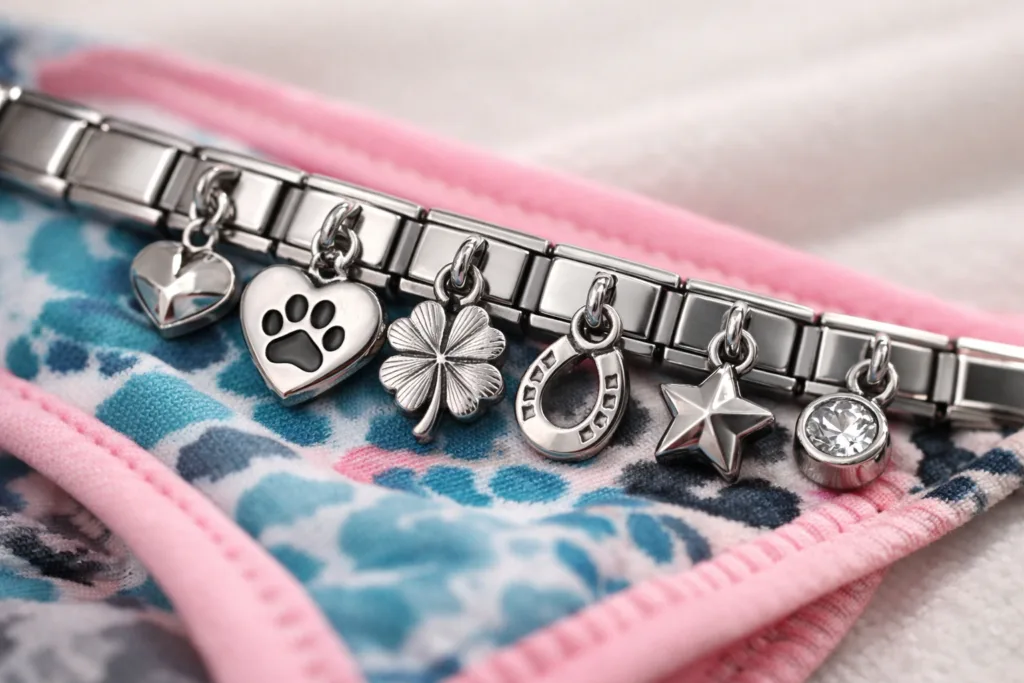
Material selection is critical when designing and sourcing metal tags for 8mm charms, especially given their small scale and the demanding environments in which they may be used. Aluminum, stainless steel, and brass are the three most popular choices for miniature tags.
Aluminum is lightweight, cost-effective, and available in a variety of anodized color finishes. Its low density ensures comfort, especially when charms are worn on delicate chains or clothing. However, aluminum is softer than other metals, so it’s best suited for applications prioritizing weight over maximum scratch resistance.
Stainless steel, by contrast, is highly durable and corrosion-resistant, making it the go-to option for products exposed to water, sweat, or outdoor conditions—such as bikinis or summer bracelets. Its surface is ideal for intricate laser engraving and very fine logos. The only trade-off is a slightly higher weight compared to aluminum and a cooler, industrial aesthetic.
Brass offers a classic, warm gold appearance and is often chosen for its luxury feel. While brass is softer than steel and can develop patina over time, many brands embrace this natural aging for its vintage appeal. Keep in mind, though, that brass may require protective finishes to resist tarnishing and maintain clarity of any detailed engraving or stamping.
- Aluminum: Lightest, best for vibrant anodized colors and cost savings
- Stainless steel: Ultimate durability, great for outdoor and water exposure
- Brass: Premium look, suitable for luxury and retro styles, patina develops naturally
Comfort, appearance, and durability are only part of the equation. Beyond day-to-day wear, consider how each material responds to common decorative methods. For example, precise laser engraving is ideal on stainless steel and aluminum, while chemical etching on brass can deliver deeper tactile contrast for high-end tactile feel.
Corrosion resistance is especially important for charms exposed to salt water or worn during active pursuits. Stainless steel usually leads here, but advanced finishes and coatings can boost the resilience of both aluminum and brass as needed.
For a deeper dive into alloy characteristics and best practices for jewelry or tag projects, consider exploring Brass vs. Steel Tags: Which Lasts Longer Over 5 Years? Real-World Wear & Tear Insights.
Manufacturing Methods for 8mm Charms
There are several common manufacturing methods for 8mm charms, each offering unique advantages for tiny metal tags. Manufacturers often choose from engraving, stamping, chemical etching, and UV printing, tailoring the process to the design requirements and intended application.
Engraving—whether CNC or laser—is precise and permanent, allowing for micro-text, QR codes, or fine logos. Its main advantage is the clean, sharp result, but it works best on flat or slightly curved surfaces. Setup costs are generally low for variable data or custom orders, and production is flexible across different metals. For example, laser engraving on stainless steel is a preferred option for long-lasting, legible text on activewear tags.
Stamping is excellent for consistent, high-volume production. It is ideal for strong, bold shapes, simple text, or logo outlines, especially when large numbers of tags are needed. Stamped marks are physically deformed into the metal, providing tactile feedback. However, extremely fine details can be lost, especially on very small tags like 8mm charms. Setup requires a die, which involves upfront tooling costs, but per-tag costs drop dramatically in larger runs.
Chemical etching provides a way to create recessed or raised artwork with excellent depth and definition, especially useful for multi-layer or color-infill designs. It’s suitable for more intricate patterns and delivers a premium look, though it may be less cost-effective for ultra-short runs.
UV printing is popular for adding color, seasonal themes, or photo-realistic details. It excels on aluminum, but color durability should be reviewed for outdoor or aquatic use. Printed 8mm charms suit fashion jewelry where seasonal or limited-edition looks matter more than extreme abrasion or fade resistance.
The table below compares the main methods for producing metal tags on tiny charms:
| Method | Best for | Detail Level | Durability | Cost Efficiency | Customization |
|---|---|---|---|---|---|
| Laser Engraving | Fine text/logos | Very High | Excellent | Good for small-medium runs | Strong (variable data) |
| Stamping | Simple shapes | Medium | Very Good | High for large runs | Limited (tooling needed) |
| Chemical Etching | Layered/art detail | High | Very Good | Works for medium runs | Strong (intricate patterns) |
| UV Printing | Full color, themes | Photo Quality | Depends on coating | Great for short runs | High (design/color variants) |
Customization capacity and the appearance of your 8mm charms are shaped by not only the production method but the metal type as well. Rain Chen, a veteran production supervisor at UC Tag, notes, “It’s about finding the balance—sometimes you need to adjust depth or pressure depending on brass or steel to pull out every detail at this mini size.”
For more technical tips, see this guide on hand-stamping and its impact on jewelry tags.
Crafting Creative Designs: Inspiration and Trends
The 8mm charms category is where fashion meets artistry. The tiny scale doesn’t limit creativity—it amplifies it! Designers leverage seasonal themes, like summer waves or winter snowflakes, and respond to cultural moments or fashion cycles.
Personalization remains the number one trend, making each piece unique. Engraved initials, meaningful dates, zodiac signs, or mini symbols that resonate with wearers are popular options. Brands find that using symbolism makes their collections more emotionally engaging and memorable.
To incorporate a brand logo into such a small metal tag, keep the design simple and bold with high contrast. Negative space, strong outlines, and clear iconography often work best at 8mm size. Using recessed backgrounds or two-tone finishes can boost visibility and tactile quality.
Several jewelry lines have gained attention for their creative charm offerings. For example, minimalist bracelets carrying interchangeable 8mm charms let wearers switch themes as desired. Similarly, swimwear companies use branded micro tags to offer subtle identification and premium flair on bikinis.
Color plating, enamel infills, or brushed vs. polished surfaces all add depth and distinction to 8mm charms. Choices range from classic gold and silver tones to bold black, rose gold, or rainbow platings. If mixing metals, be sure to coordinate them with the base jewelry piece for a cohesive look.
- Pick a symbolic motif for a seasonal collection
- Engrave wearer’s initials for personalization
- Use high-contrast two-tone finishes to boost brand visibility
- Experiment with limited-edition colors matching holiday themes
For more design ideas, see how custom metal tag shapes can elevate accessory branding in this design guide.
Design & Specification Checklist for 8mm Charms
Turning ideas into reality begins with a detailed design and specification checklist for 8mm charms. With limited real estate, precision matters at every stage, from the initial sketch to final inspection.
Essential Specifications:
| Item | Recommended Range | Notes |
|---|---|---|
| Diameter | 8mm +/- 0.1mm | Consistent dimensions key for assembly |
| Thickness | 0.7–1.2mm | Thicker for engraving, thinner for stamping |
| Material | Aluminum, Stainless Steel, Brass | Choose based on target look/usage |
| Finish | Polished, Matte, Color-Plated | Impacts tactile feel & brand style |
| Attachment | Loop, Jump Ring, Adhesive | Depends on jewelry integration |
| Engraving Area | ~6mm usable | Keep artwork inside safe margin |
Attachment Options: Loops or jump rings are common for bracelets, anklets, and necklaces. For clothing like bikinis, discreet adhesive pads or sew-on holes can be added. For more technical dives into backs and attachment methods, check the Stick-On Metal Logo Tags guide or Split Rings vs. Jump Rings.
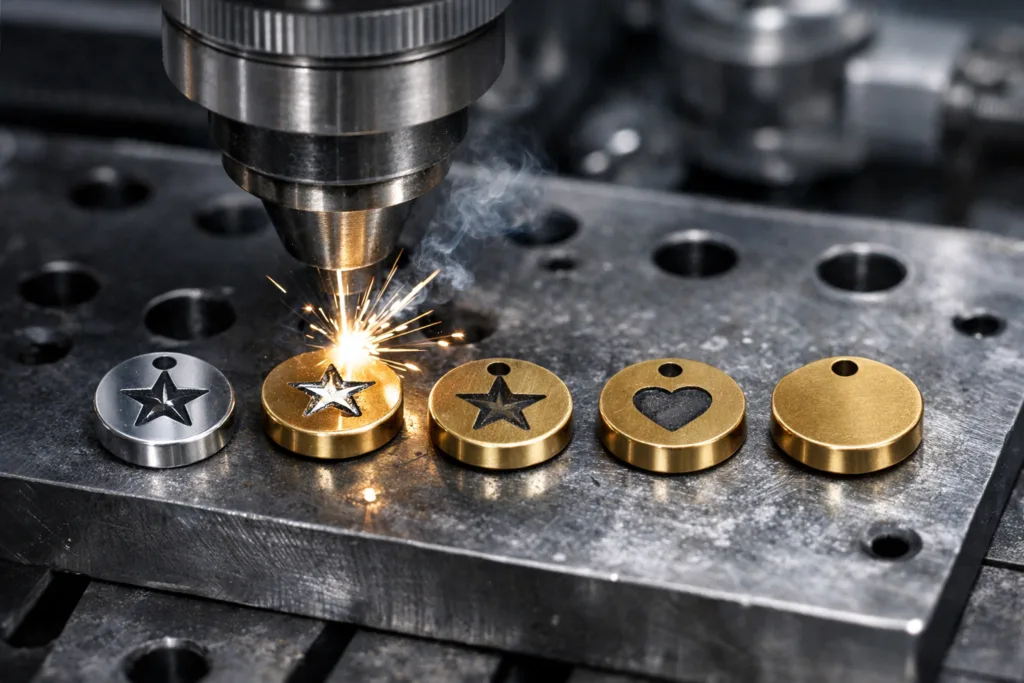
Readability is especially important for engraved micro-text or symbols. For letterforms, use simple, bold fonts and avoid script or condensed types that may fill in at small point sizes. Always test at proof stage. For failsafe legibility, see the Expert Font Size Guide.
Manufacturing tolerances should be as tight as practical, usually +/-0.05mm for high-quality tags. Specify quality control measures such as go/no-go gauges, adhesion tests for adhesives, and surface finish comparison charts.
- Confirm artwork in vector format to avoid pixelation
- Check sample tags for tactile and visual clarity
- Document color swatches for anodized or plated finishes
- Define standards for surface smoothness, edge quality, and packaging
Industry standards, like EN 1811 or REACH compliance, may apply for items in frequent skin contact. Ensure your supplier is informed of all regional requirements, especially for alloy content and finishing chemicals.
Ensuring Durability: Testing for Lifespan
Durability isn’t optional when it comes to 8mm charms designed for bracelets and bikinis. These metal tags regularly endure abrasion, water, chemicals, and UV exposure, demanding rigorous testing protocols to ensure their lifespan matches customer expectations.
Corrosion Tests: Salt spray chambers simulate marine conditions, exposing metal tags to mist for up to 48-72 hours. Stainless steel generally passes without any visible degradation, while anodized aluminum and lacquered brass maintain performance if seal coats are intact.
Abrasion Tests: Mechanical wear simulators—such as tumbling machines using fine grit—predict how engraving or color finishes last over time. Brass tends to show patina, while deep engravings or stampings on steel remain clear for years of regular use.
UV Exposure: Outdoor fading is assessed using accelerated weather testers. Quality color plating and UV-resistant clear coats ensure seasonal or branded colors stay vibrant, crucial for fashion collections intended for poolside or resort environments.
Some charms in the market fail due to improper base material or cutting corners on the finish. For example, brass charms lacking a proper seal layer may discolor quickly, or anodized tags exposed to heat stress may lose their surface stability. A successful case involves a batch of stainless steel charms, produced by UC Tag, which retained legibility and surface shine after 500 hours in combined salt fog and abrasion cycling—valuable for brands seeking reliable outdoor accessories.
Establish best practices by requesting durability certificates, running in-house drop/shake tests, and benchmarking past failures. Prioritize suppliers who document their test protocols and are willing to work collaboratively on quality improvements. For a pragmatic take on real-world failures, see this field study on brass and steel longevity.
Industry Applications for 8mm Charms
8mm charms are incredibly versatile, with a range of industry applications that extend far beyond basic jewelry. In the fashion industry, they serve as elegant elements on bracelets and anklets, where their subtle size blends seamlessly with the overall look while providing a platform for brand identity or personalization.
Businesses use 8mm charms as promotional giveaways, adding company logos or slogans that double as keepsakes for clients or event attendees. Because they’re cost-effective at scale, these metal tags offer an attractive blend of branding and utility.
Aquatic sports gear—such as branded bikini sets or swim caps—benefits especially from these charms, thanks to their durability and water resistance when specified with the right materials and coatings. Whether discreetly stitched onto the waistband or attached as a zipper pull, 8mm charms endure rigorous movement and exposure to sun and water.
The mini tags also hold significance for personalized gifts, memorial jewelry, or commemorative tokens, allowing for engraved dates, initials, or symbols of significance. Clothing lines integrate them for subtle branding, offering a touch of luxury without overpowering garment aesthetics.
- Fashion jewelry (bracelets, anklets): Enhance style, add value
- Promotional business items: Extend brand recall
- Aquatic sports gear (bikinis, swim caps): Provide durability, resist tarnish
- Personalized gifts/memorial tokens: Add meaning and sentiment
- Clothing lines: Discreet yet permanent branding
For more creative ideas, discover how custom bar shapes and other cut-outs are reshaping accessories in custom bracelet tag projects across retail and fashion industries.
Common Mistakes and Troubleshooting in Charm Design
Even experienced designers and buyers sometimes fall into common pitfalls when working with metal tags for 8mm charms. One frequent mistake is cramming too much detail or text into a small space. Without proper font sizing and spacing, engraving can turn unreadable—especially on reflective or curved surfaces.
The wrong adhesive choice is another challenge. Lower-grade adhesives may peel off after repeated hand washing or water exposure, particularly for swimwear. Always specify industrial-grade tapes like 3M VHB or consider mechanical attachment where possible.
Misaligned artwork during stamping or engraving can result in off-center logos or inconsistent margins, negatively affecting brand presentation. To combat this, insist on digital proofs, and approve physical pre-production samples when possible.
Poor color or finish contrast may cause designs to disappear, especially if the main jewelry and charm share similar hues. Choose finishes that provide enough distinction, such as black plating on silver jewelry or using recessed areas for color inlays.
- If a batch arrives with poor legibility, try re-polishing or laser darkening the artwork area.
- Adhesive issues can often be corrected with a new bond using a stronger tape or by shifting to a rivet-on solution, explained further in this attachment guide.
Correcting post-manufacturing errors is often more costly than getting the specs right upstream. For a full breakdown, consider the recommended practices shown in 5 Costly Design Mistakes That Stall Your Custom Tag Order.
Ordering Process for Custom 8mm Charms
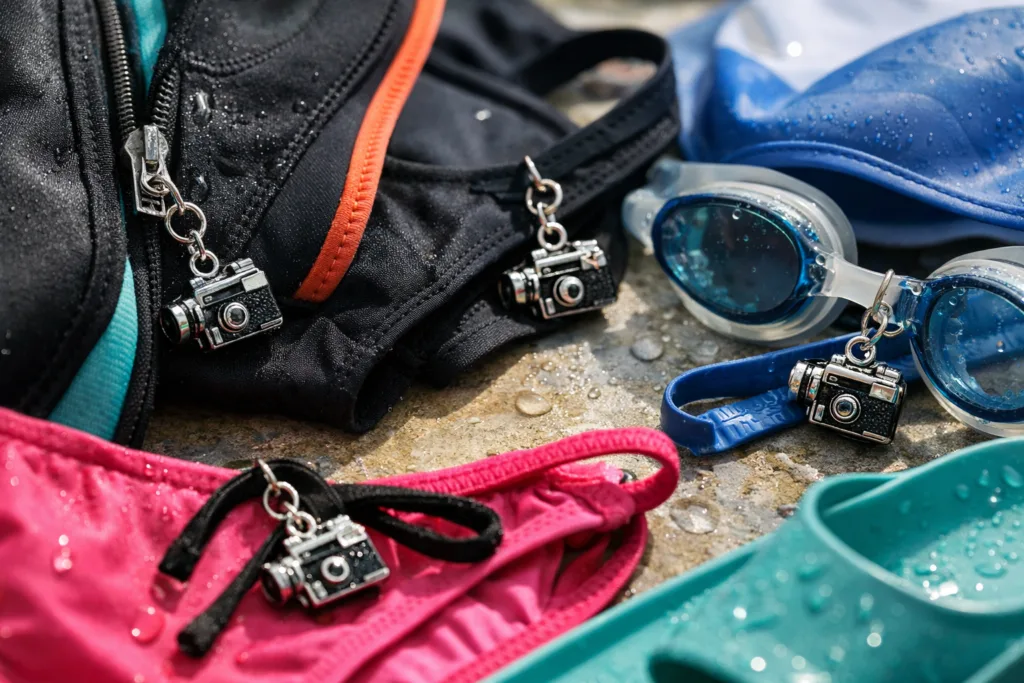
Ordering custom 8mm charms involves several clear steps for B2B buyers. Most manufacturers, such as UC Tag, set a minimum order quantity (MOQ), typically ranging from 100 to 500 pieces depending on the production method and finish. Lead times usually run two to six weeks, subject to design complexity and factory workload.
Clear, vector-based artwork is essential to avoid delays or errors. Submit specifications detailing dimensions, thickness, metal, finish, attachment type, and any packaging requirements. Proof stages are standard: after submitting artwork, you receive a digital proof or sample tag. Only after your approval does full production commence. Many suppliers offer sample runs for quality checks prior to mass output.
Packing and shipping require thoughtful planning for such small parts. Charms are usually bulk bagged or sealed in trays to minimize scratching. International orders might need customs classification, and choice of air vs. sea freight can affect both cost and lead time. Payment terms vary: some require a deposit upfront, with balance on shipment or post-delivery for established accounts.
- MOQ: 100–500 units per design
- Lead Time: 2–6 weeks including proofing
- Sample/Proof: Highly recommended for first orders
- Shipping: Secure packaging prevents scratches or loss
- Payment: Balance due before shipment unless prior terms set
For more on order logistics, including packaging, labeling, and sample policy, see the comprehensive pre-production sample guide.
Frequently Asked Questions
What are the best materials for durability?
Stainless steel is generally best for durability, especially for 8mm charms that face water, sweat, or regular abrasion; anodized aluminum and properly sealed brass also perform well with the right finish.
How do I customize 8mm charms most effectively?
To customize 8mm charms, use clear vector artwork, opt for bold designs or initials, and choose a compatible production method (engraving for fine detail, stamping for bold logos).
Which manufacturing method yields the sharpest results?
Laser engraving and chemical etching produce the sharpest, most legible results on metal tags used for 8mm charms, especially for small text or intricate designs.
How long do these mini charms typically last?
If made from stainless steel or anodized aluminum with proper finishing, 8mm charms can easily last 5–10 years, even with daily wear or frequent outdoor exposure.
Can I order fewer than the typical MOQ?
Many manufacturers set MOQs for efficiency, but some offer small-batch production or sample runs for initial testing, especially if you commit to larger reorders later.
How do I make sure my design is readable at this size?
Use thick, sans-serif fonts, avoid unnecessary detail, and request a physical sample for review; always check manufacturer guidelines for minimum line width and height.
Related Reading
- How Die-Cut Tag Shapes Transform Your Branding and Packaging Impact
- Avoid Illegible Charms: The Ultimate Minimum Font Size Guide
- Unlocking the Craft of Personalized Metal Jewelry Tag Stamping
- Why Pre-Production Samples Save You from Expensive Tag Errors
- Brass vs. Steel: Real-World Durability of Metal Tags and Charms
- The 5 Most Costly Custom Metal Tag Design Mistakes—and How to Avoid Them