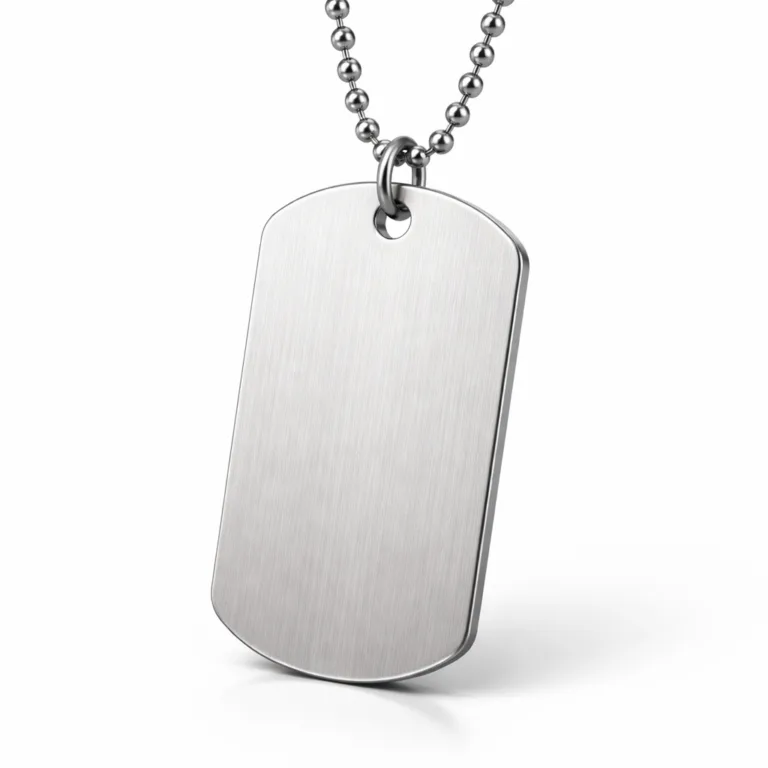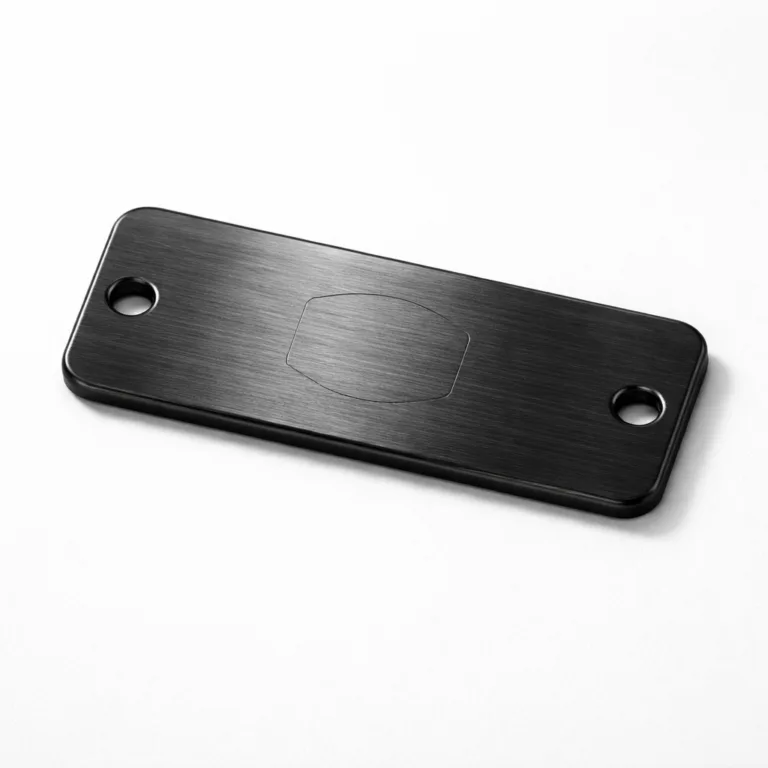
Introduction: Unveiling the Artistry of 3D Molded Tags
In recent years, 3D molded tags have transformed the landscape of premium keychains, merging utility and fine art in everyday carry items. The innovation of sculptural relief not only catches the eye, but also brings a tactile dimension to small accessories, turning branded trinkets into miniature masterpieces. Whether you’re a designer, manufacturer, or collector, understanding the nuances of creating sculptural relief for keychains helps achieve a quality that stands out in both look and feel.
What Are 3D Molded Tags? Sculpting Style in Small Spaces
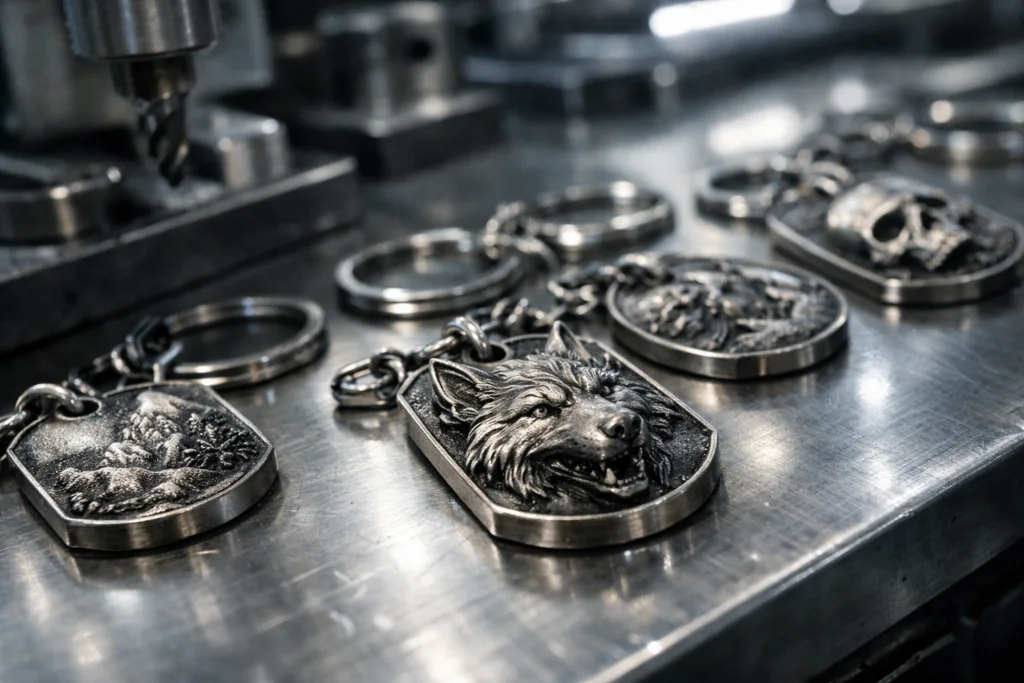
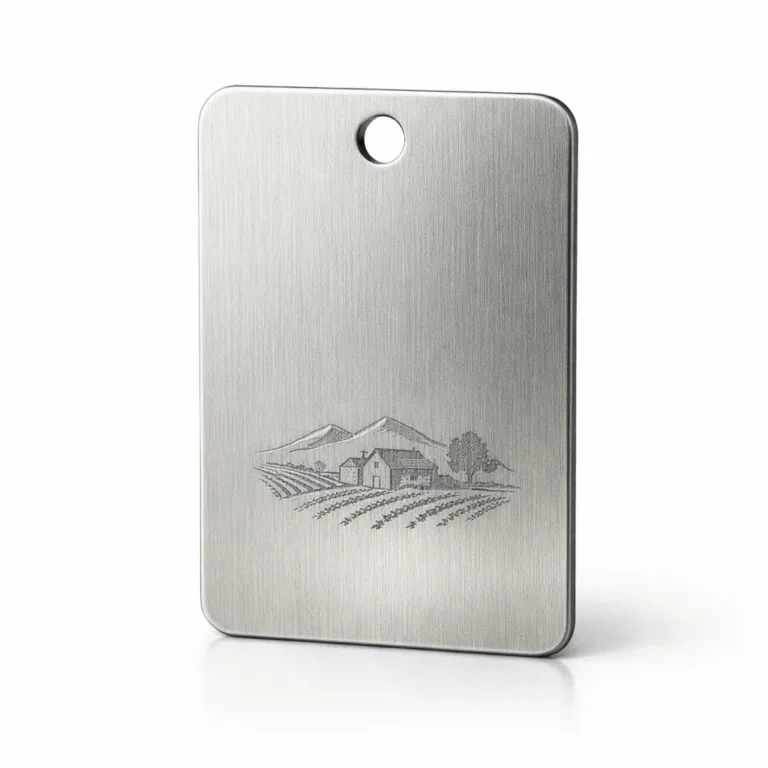
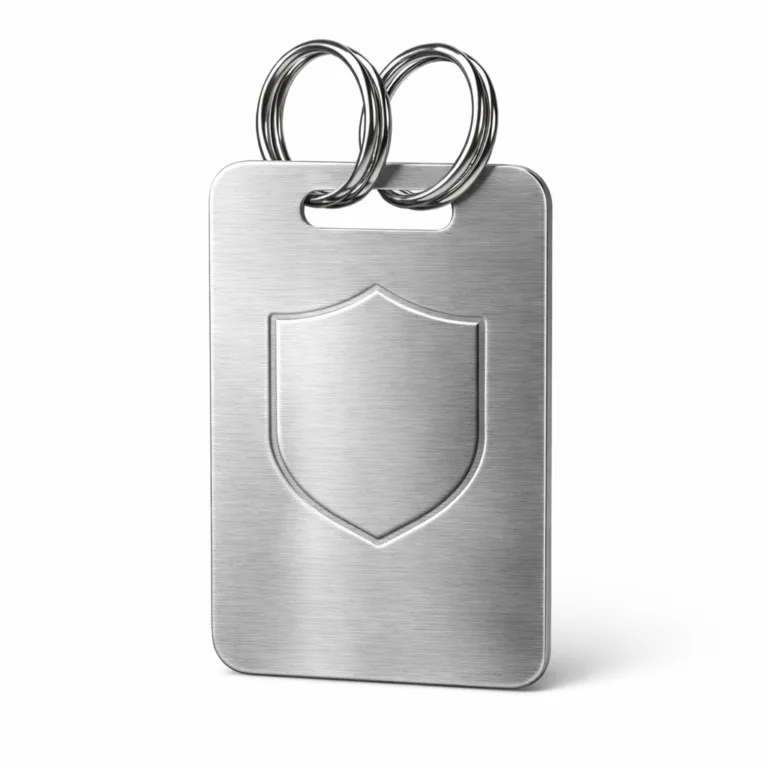
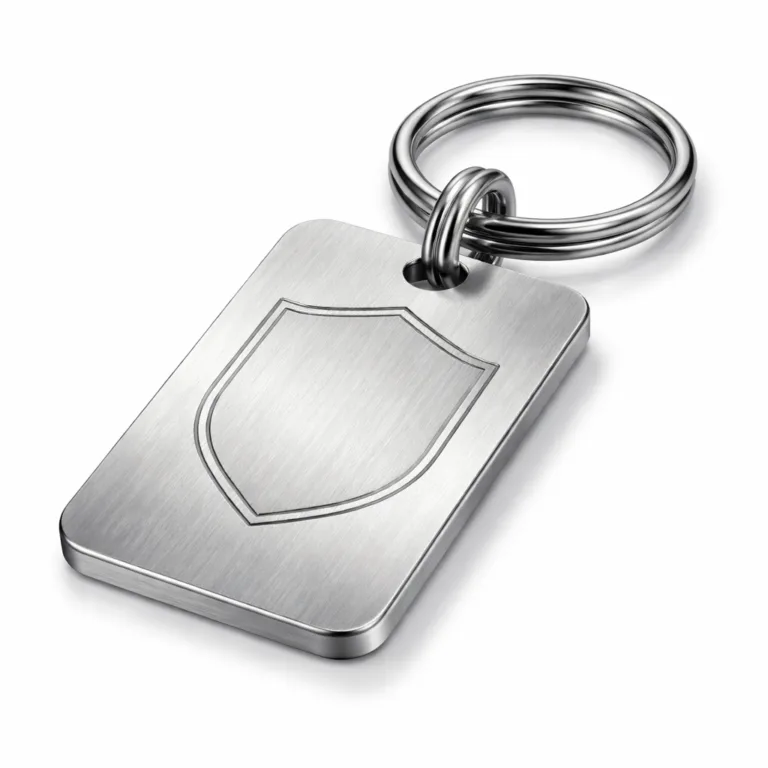
A 3D molded tag is a small emblem or plate, typically made from metal, plastic, or resin, fashioned with raised and recessed elements to create a visually dynamic, touchable surface: this is called sculptural relief. Commonly used in premium keychains, these tags feature intricate motifs, logo emblems, text, or images rendered in three dimensions, pushing beyond the flatness of traditional stamping or printing methods.
Why Sculptural Relief Elevates Keychain Design
Sculptural relief provides stunning detail and elevated branding effects—think wafting fabric textures, bold logos, or animal figures popping from the metal. This technique not only grabs attention, but it also increases durability, as the raised elements are a natural guard against scratches and daily wear. The luxury market has embraced relief techniques for the tangible sense of quality they impart.
From Sketch to Keychain: The 3D Design Process Explained
Creating 3D molded tags starts with artistic vision. Designers use CAD software to model each contour and recess, testing how light will play across surfaces. For flat logo tags, all features live in a single plane. In sculptural relief tags, foreground objects soar above the background. The design is converted into precise molds for production—a critical step for fidelity and surface control.
Materials Matter: Choosing the Right Base for 3D Molded Tags
Material selection sets the physical tone for sculptural relief. Common choices include:
- Zinc Alloy: Highly formable, ideal for deep relief and intricate logos (explore 3D logo tags with zinc alloy)
- Brass & Stainless Steel: Classic looks, tough and long-lasting for everyday use
- Aluminum: Lightweight with anodized color options (see anodized color benefits here)
- Plastic & Resin: Vibrant colors, soft edges, and budget-friendly choices
Industry practices, like those used at UC Tag, emphasize material consistency and edge cleanliness—essential for safe handling and long-term beauty.
3D Molded Tags: Creating Sculptural Relief for Premium Keychains.
By incorporating sculptural relief into the design of premium keychains, brands can elevate their products above the competition. These tags are not merely identification markers; they are miniature sculptures that tell a story or convey a brand’s values. Production techniques that utilize high-pressure casting, detailed finishing, and selective plating transform simple concepts into high-impact results. The tactile feedback from relief contours—whether brushed, glossy, or antiqued—becomes a signature style for many boutique and luxury brands.
Mold Creation: The Blueprint of Relief Perfection
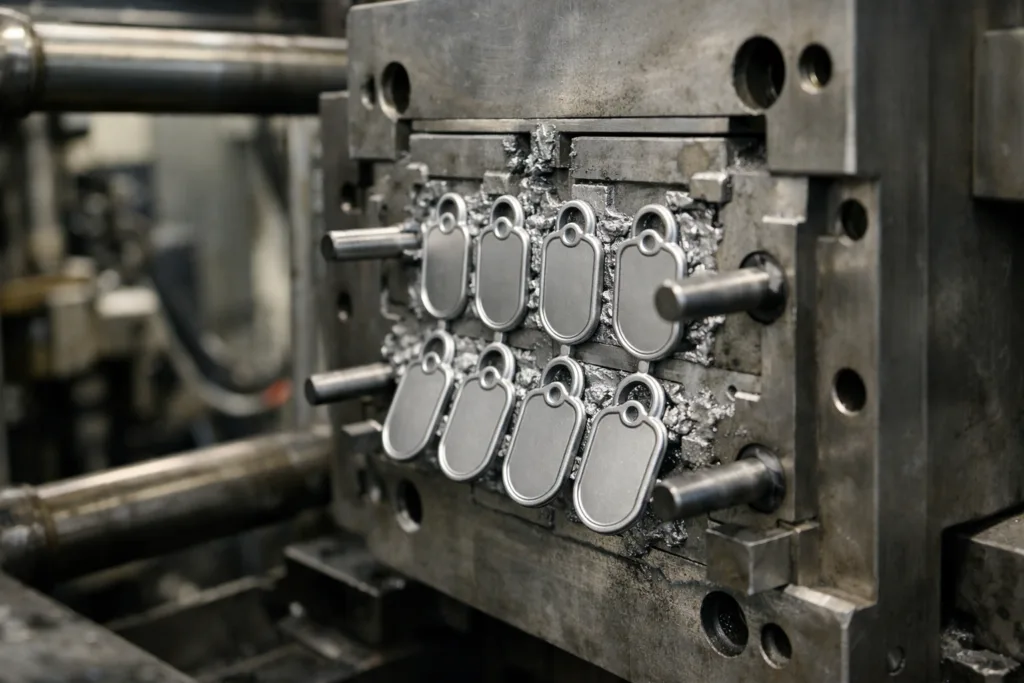
Before mass production begins, mold fabrication takes center stage. This involves CNC milling or electroforming to create a master mold that reflects every line, curve, and texture from the digital design. The mold must withstand repeated high-pressure injections without warping. At this step, artisans inspect for burrs and surface imperfections, balancing art and engineering—a reality well understood by seasoned manufacturers like Rain Chen at UC Tag.
Production Techniques: Die Casting vs. Stamping for Keychain Tags
Most sculptural relief tags are made using either die casting or stamping. Die casting allows molten metal or resin to flow into complex mold cavities, perfect for multi-layered depth. Stamping, on the other hand, presses metal sheets with heavy machinery—ideal for sharp lines and quick runs but limited in absolute depth. For a practical comparison on design suitability, see matching stamping vs. casting to your design.
Mastering Detail: Techniques for Fine Features & Logo Clarity
The best sculptural tags feature crisp edges, smooth surfaces, and clear logo elements. Techniques such as post-casting polishing, laser engraving, and hand brushing remove excess burrs, highlight relief, and deepen shadows. Precision is especially relevant at small scales—think a 25mm logo tag for a luxury keychain, where line width and text size determine final legibility. For maximizing detail, learn how to achieve fine etched details.
Color & Finish: Adding Personality to Sculptural Relief Keychains
Beyond form, color and surface finish define mood. Options include:
- Soft or Hard Enamel: Color fills recessed spaces, creating vibrant contrast (read more in picking the perfect enamel finish)
- Electroplating: Add gold, nickel, or black chrome for a luxurious touch
- Antique or Brush Effects: Highlight contours, age surfaces for a vintage look
- Anodizing or Painted Coating: Applicable for aluminum and select alloys
UC Tag’s production floor uses strict plating thickness controls and clear coat options to maintain colorfastness and resistance to everyday exposure.
Premium Keychains: Standout Examples of 3D Molded Tags
Some of the most celebrated premium keychains incorporate intricate sculptural relief:
- Automotive clubs: 3D rendered car grilles, wheels, or classic mascots
- Gaming merchandise: Clan logos in high-contrast relief with vivid color fills (see how clan tags shape e-sports ID)
- Luxury hotels: Textured emblems, antique finishes, and custom shapes
- Fashion houses: Sculpted logo tags paired with anodized split rings for visual pop
These designs use sculptural relief to create a unique point of difference and tactile intrigue for users.
Attachment Methods: Securing Sculptural Tags to Keychains
The way a molded tag is attached impacts both function and presentation. Options include:
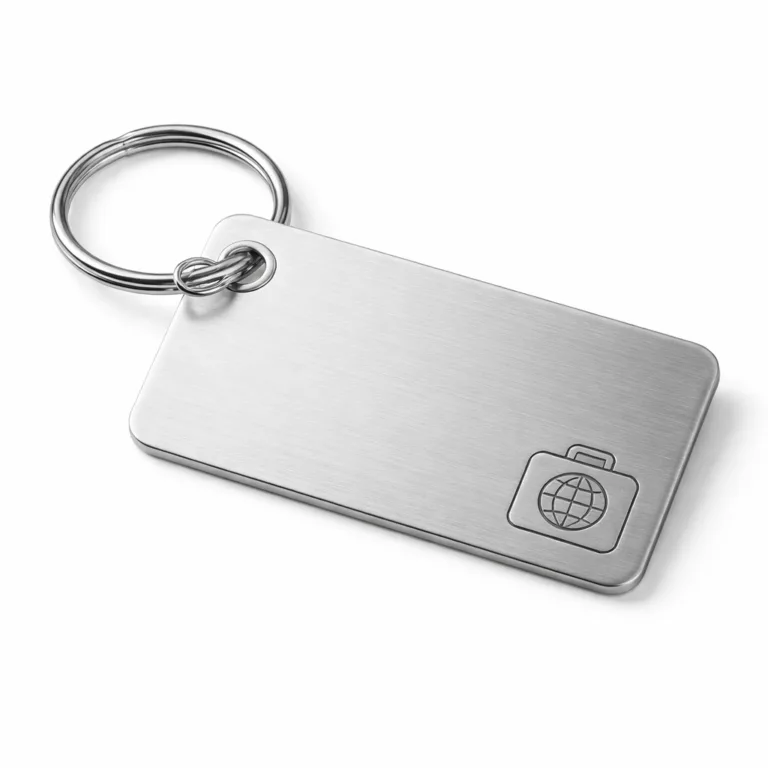
- Split Rings: Classic and secure for most designs
- Screw-In Pins: Offer durability and anti-theft benefits
- Rivets or Adhesive Backing: Low-profile mounting for sleek tags
- Sewing or Lanyard Holes: Integrated for multi-material tags (metal, leather, fabric)
UC Tag’s shop-floor teams test edge radius for safety (no sharp corners) and stress resistance to prevent tear-outs during normal use.
Quality Control for 3D Molded Keychain Tags
Quality assurance starts with mold precision and continues through plating consistency and defect checks. Each batch is examined for burrs, uneven plating, or surface scratches. Experienced manufacturers know tiny defects can make or break perceived value in premium accessories.
Common Challenges in Sculptural Relief Production
Key challenges include:
- Air Bubbles: Marring complex contours in casting processes
- Sharp Burrs: Need extra deburring during finishing
- Plating Variation: Batch-to-batch thickness can affect color and durability
- Text Legibility: Shallow relief, tight line width, or poor contrast
Manufacturing expertise, such as that shared by Rain Chen at UC Tag, can help navigate these hurdles and maintain a reliable process flow.
Design Tips for Achieving High-Quality 3D Molded Tags
- Use contrasting depths to separate background and focal points
- Keep text wide and deep—avoid ultra-fine fonts below 0.5mm line width
- Choose base metals that match the planned finish and end-use environment
- Integrate attachment holes at stress-resistant locations
Well-planned designs anticipate the realities of manufacturing—edge softness, depth tradeoffs, and color fill tolerances.
Successful Brand Case Studies
Luxury auto-makers, global sports leagues, and fashion labels have each used 3D molded sculptural tags in campaigns. For instance, an automotive OEM selected zinc alloy tags with chrome relief and brushed accents—resulting in a tactile, durable keychain emblem that matched brand styling. E-sports franchises chose multi-layer logo tags for merch drops. In these cases, advanced molds and finishing steps created both visual drama and daily performance.
Advantages of Sculptural Relief in Keychain Design
- Enhanced Brand Recognition: Relief logos stand out in crowded markets
- Premium Aesthetics: Depth and detail trigger positive user touchpoints
- Increased Durability: Raised features shield surfaces from direct damage
- Customization: Flexible design options for shapes, finishes, and color fills
How to Specify a Molded Relief Keychain Project
To launch a custom keychain tag, prepare vector artwork with clear relief segments. Specify material and finish choices, along with attachment method and size. Partnering with an experienced tag manufacturer can help guide mold tolerances, plating choices, and QC parameters.
Environmental Impact & Sustainable Alternatives
Eco-minded brands turn to recycled metals and low-VOC coatings. Options like recycled zinc, brass, and anodized aluminum reduce waste. Explore eco-friendly tag material innovations for sustainability-focused projects.
Cost Considerations: Balancing Quality and Budget
3D molded tags are more resource-intensive than flat or printed varieties. High-detail molds and multi-stage finishing add cost. However, careful material selection and batch optimization provide economies of scale. Factor mold setup fees, finish types, and color fills when budgeting for premium keychain production.
Industry Standards & Safety Guidelines
Standards require smooth edges, safe attachment points, and plating thickness within manufacturer specifications. Some regions mandate nickel-free coatings or surface hardness benchmarks, especially for children’s accessories.
The Future of 3D Molded Tags in Keychain Design
Technical advances—such as improved CNC mold accuracy, new plating chemistries, and digital prototyping—continue to expand what’s possible. Brands increasingly merge sculptural relief with smart features (like RFID chips) for next-generation keychains.
Conclusion: Crafting Lasting Impressions with Sculptural Relief
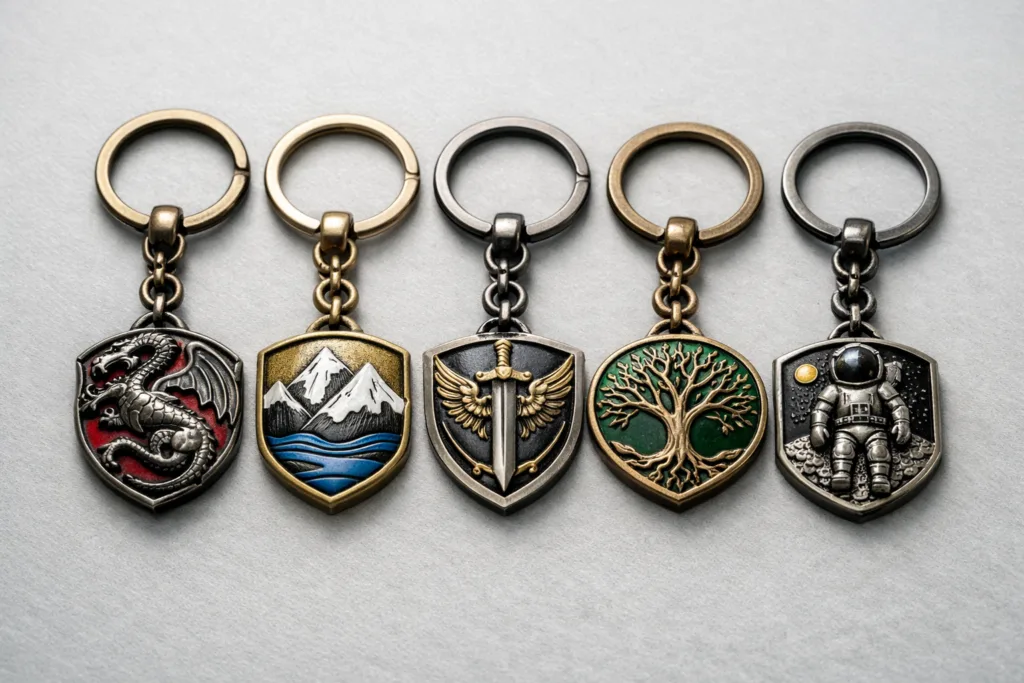
3D molded tags unlock creative and commercial value in premium keychains. With careful design, material selection, and process control, sculptural relief creates products that delight visually and endure physically. As industry standards rise, and consumer tastes demand more artistry, these techniques will shape the future of branded accessories and keepsakes.
Frequently Asked Questions
What is sculptural relief in keychain tags?
Sculptural relief refers to raised and recessed features on a keychain tag, creating depth, texture, and a three-dimensional appearance that enhances visual impact.
Which materials work best for 3D molded tags?
Zinc alloy, brass, stainless steel, and aluminum are most popular due to their durability and formability; plastics and resin can be used for cost-sensitive or color-heavy designs.
How do I design a logo for sculptural relief?
Create artwork with bold lines and clear depth transitions. Avoid ultra-fine details and test visibility at scale; manufacturers can advise on minimum line width and relief depth.
What’s the difference between die casting and stamping?
Die casting forms tags from molten material in detailed molds, enabling greater depth, while stamping impresses shapes into flat sheets, better for high-speed production but less depth.
Are sculptural relief keychains more durable?
Yes. Raised features protect central logos and designs from direct contact and abrasion, making sculptural relief tags more resilient to everyday wear than flat tags.
Can 3D molded tags be eco-friendly?
Absolutely. Sustainable options like recycled metals and low-VOC finishes are available, helping to minimize environmental impact for brands focused on responsible production.
Related Reading
- Unlocking 3D Logo Magic: Zinc Alloy Tag Innovations
- Compare Metal Tag Manufacturing: Die Stamping vs. Die Casting
- How Anodized Aluminum Adds Color and Style to Tags
- Eco-Smart Tag Designs: Sustainable Materials Your Brand Can Use
- Photo Etching Unpacked: Achieve Stunning Details for Metal Accessories
- Choose the Right Enamel Finish for Colorful Metal Tags