Choosing the right identification method for your dog is more important than ever. A custom dog tag, commonly known as a dog ID tag, isn’t just a piece of pet fashion—it’s a highly practical safety tool that can mean the difference between a lost dog and a safe return home. In this comprehensive guide, we’ll cover what sets custom dog tags apart from generic ones, why every procurement engineer or B2B buyer should consider robust manufacturing options, and how UC Tag’s expertise informs your choice. If you’re researching dog tags, dog tags for dogs, or pet ID tags for large-scale or high-spec applications, you’re in the right place.
Understanding Custom Dog Tags
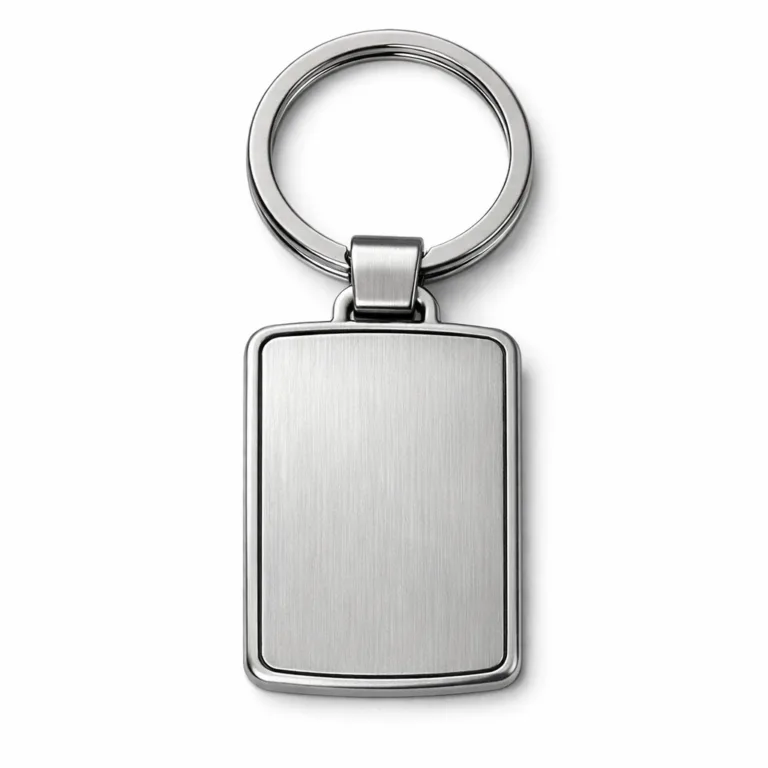
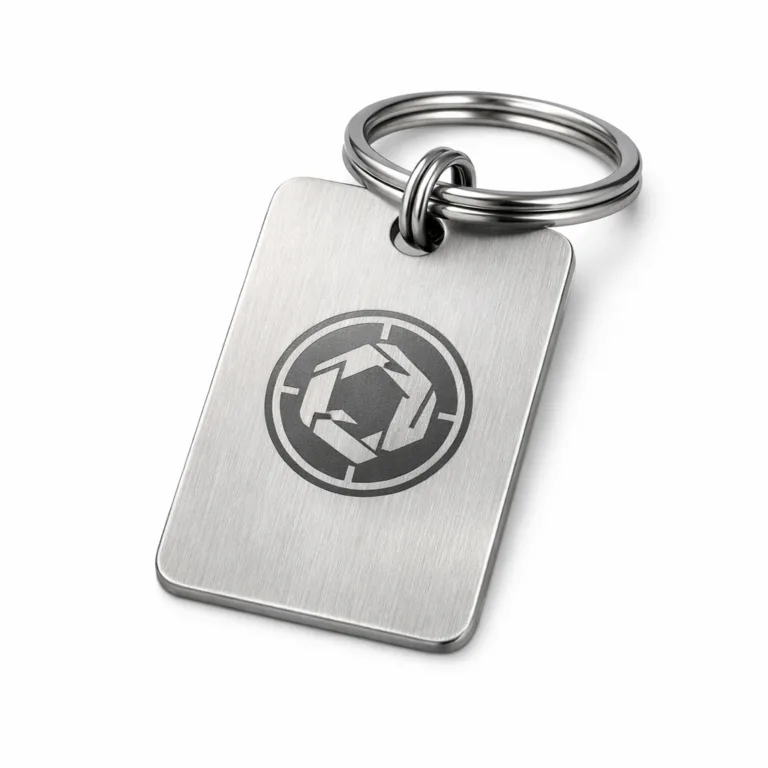
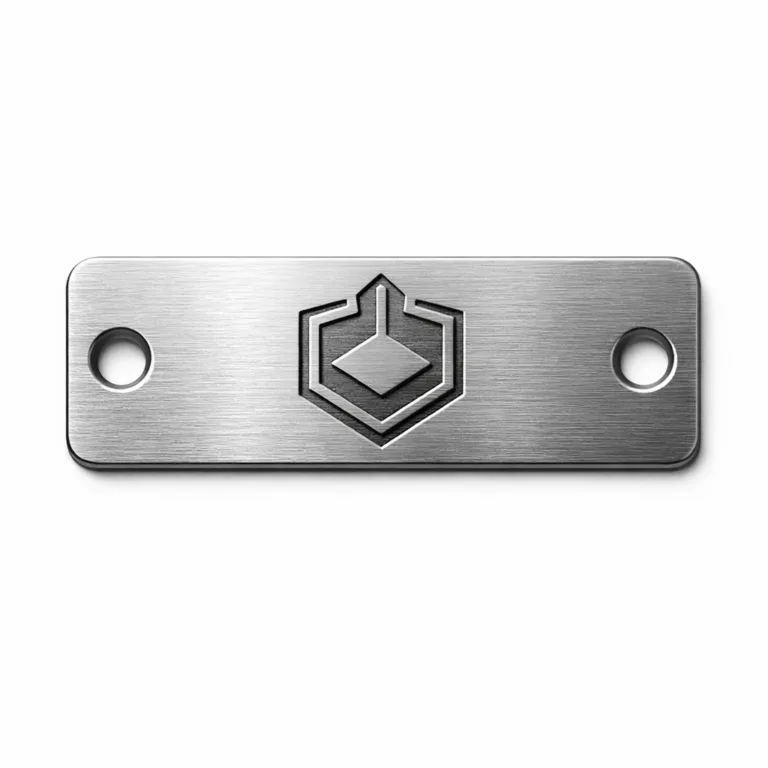
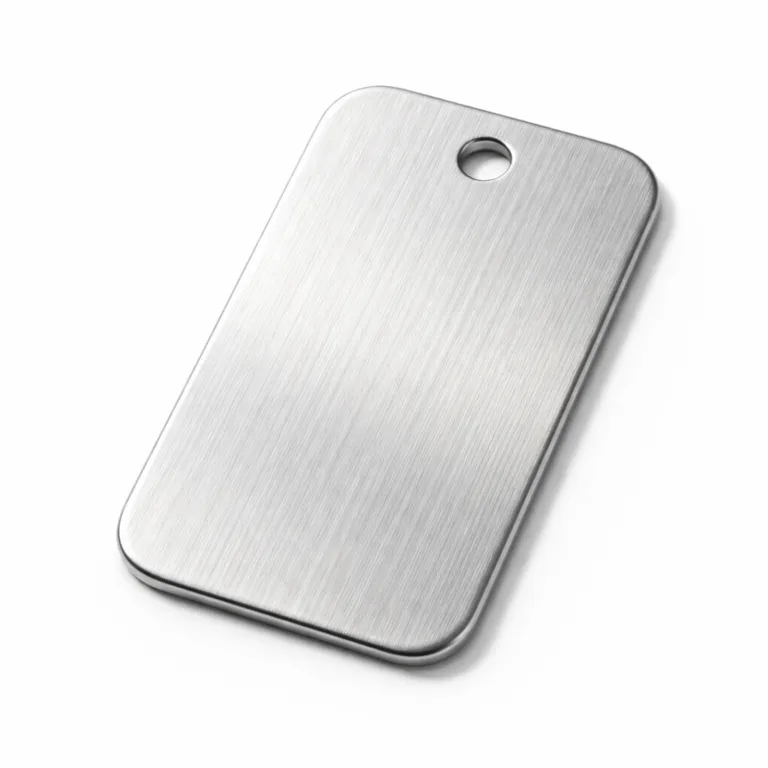
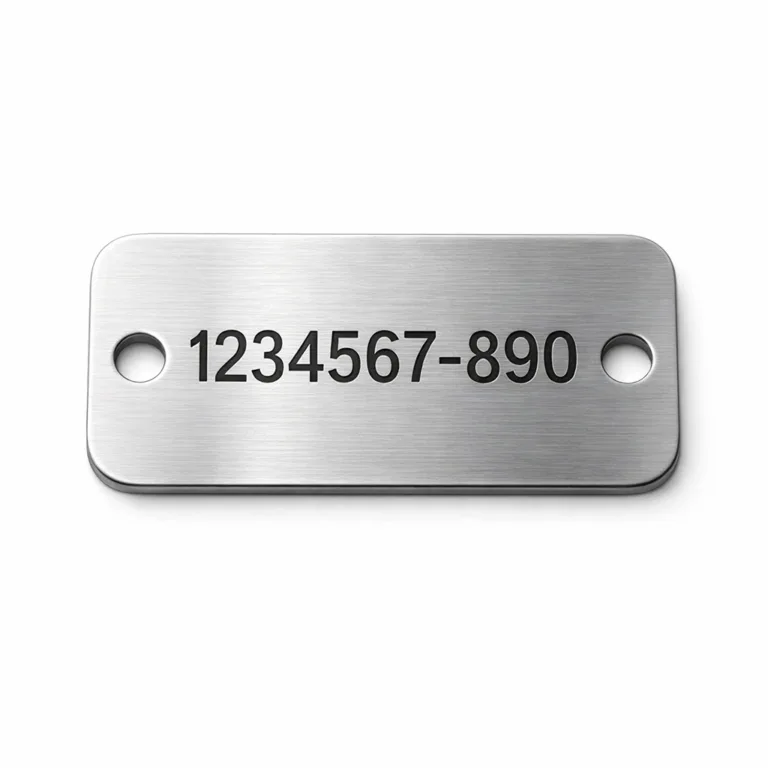
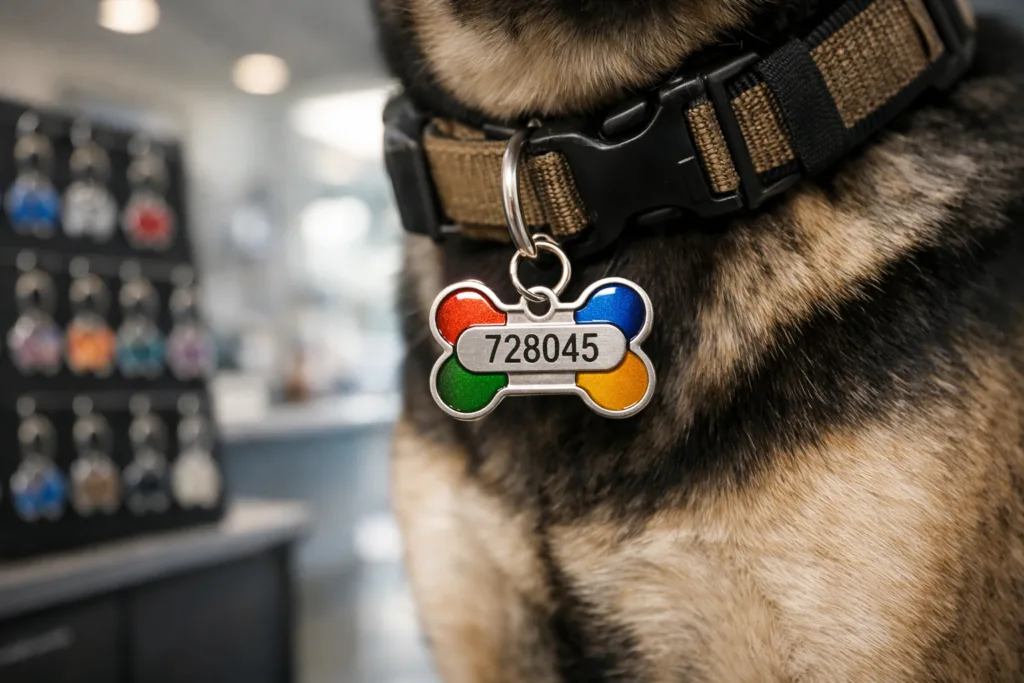
A custom dog tag is a personalized identification plate attached to a dog’s collar, crafted to include specific information tailored to each animal. Unlike off-the-shelf, generic pet tags that offer limited space or preset templates, a custom dog tag is designed with your needs in mind—allowing for precise text, QR codes, micro-text, or branding details as required.
The primary function of a custom dog tag is clear identification. It increases the chances of recovery if a pet becomes lost by providing easily accessible contact information, owner details, medical alerts, or unique codes for digital identification.
Generic tags typically include a pet’s name and maybe a phone number, but custom dog tags for dogs deliver an extra layer of flexibility. They can add additional lines, special fonts, durable materials, even serial numbers or business branding, without compromising on readability or security. This ensures a direct, quick line to the owner or responsible party should the dog go missing—vital in time-critical situations.
- Custom dog tags enhance recovery and boost accountability
- Personalized information can include addresses, medical info, or QR/barcodes
- Materials such as aluminum, stainless steel, and brass extend usability across different environments
UC Tag leverages years of metalworking experience to provide custom dog tags using exacting processes: stamping, laser engraving, chemical etching, and specialty finishing. This ensures each dog ID tag remains readable, robust, and up to your organization’s quality standards—even during mass production.
Materials for Custom Dog Tags
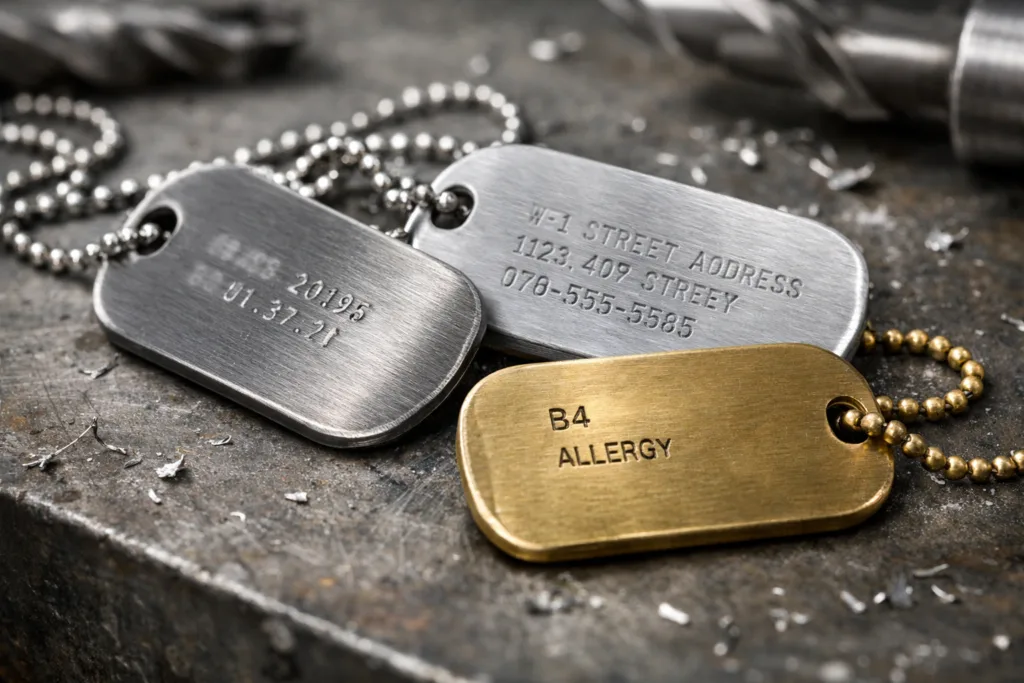
The choice of material is foundational for any custom dog tag order, as it determines both the lifespan and practicality of your pet ID tags.
Aluminum is lightweight, making it suitable for small dogs or those needing minimal weight on their collars. It’s cost-effective and allows vibrant anodized colors, but it can scratch more easily and is less durable over several years than steel or brass.
Stainless steel is a mainstay for dog tags for dogs thanks to its resistance to corrosion, high tensile strength, and impressive ability to maintain text clarity after years of wear—even outdoors. It’s heavier than aluminum, but many procurement engineers choose it for environments exposed to moisture, snow, or biting cold.
Brass dog ID tags offer a classic, upscale look with excellent machinability. Brass is more resistant to tarnish than plain steel, though not as robust against salt air as stainless. The warm gold tone suits luxury branding or historical themes but may darken over time if untreated.
| Material | Weight | Corrosion Resistance | Scratch Resistance | Outdoor Suitability |
|---|---|---|---|---|
| Aluminum | Light | Moderate (anodized best) | Fair | Good, except for salt environments |
| Stainless Steel | Medium-Heavy | Excellent | Excellent | Excellent, ideal for harsh climates |
| Brass | Medium | Good | Good | Good, watch for patina or tarnish |
Climate and usage further influence your decisions. In humid or coastal regions, stainless steel dog tags for dogs provide the best rust defense. For low-impact indoor or urban dogs, aluminum may suffice—especially if weight is a concern. Brass appeals to brands looking for visual warmth or tactile tradition.
Finish choices matter, too. Anodizing aluminum boosts both corrosion resistance and color options. Stainless steel and brass can be mirror-polished, brushed, or coated for extra durability. Untreated surfaces, while authentic, typically show wear sooner. If you’re unsure, UC Tag’s technical team is available for material and finish consultations based on application.
Manufacturing Methods for Custom Dog Tags
Manufacturing methods dictate a custom dog tag’s durability, legibility, and cost. The main fabrication techniques—engraving, stamping, etching, and printing—each offer distinct benefits and design allowances for dog tags and dog ID tags.
Engraving (via laser or CNC) cuts or vaporizes text and graphics into the tag surface. Engraving achieves highly-precise, permanent marks that stand up to weather and abrasion. It’s ideal for designs requiring intricate fonts, QR/barcodes, or variable data.
Stamping presses the artwork or characters into the metal, displacing the surface rather than removing material. Stamped dog tags are renowned for both a tactile, classic look and their resistance to fading or wear—excellent for rugged use and high-volume runs.
Etching uses chemicals to dissolve away selected areas of the metal, accommodating extremely fine detail and micro-text that might be difficult on thicker tags. Etched dog ID tags are suited for complex graphics, but may require protective finishing for optimal longevity.
Printing, while less common for industrial tags, offers full-color branding or imagery (e.g., logos, vivid art). UV printing delivers crisp details but is best reserved for tags used indoors or in environments with limited abrasion risk.
- Engraving: Best for custom data, excellent legibility, top outdoor durability
- Stamping: High volume, rugged applications, classic look
- Etching: For complex logos or micro-text
- Printing: For branding impact, but less robust outdoors
Choosing between processes depends on intended use. For dog tags subject to harsh elements or frequent handling, engraving or stamping are the top picks. For detailed graphics, etching or high-res printing works—just weigh aesthetic value against lifespan and environment.
Rain Chen of UC Tag notes, “We’ve seen procurement engineers spec engraving for serialized dog ID tags needing lifetime legibility, whereas stamping wins out for ultra-high-volume projects aiming for both cost and toughness.” Each fabrication method requires its own set of tooling and setup; investing in the right process ensures compliance with quality specs and buyer expectations.
Essential Design & Specification Checklist
Custom dog tags can be tailored to your unique requirements—as long as you plan for all key specifications up front. This checklist will help buyers ensure that dog tags for dogs not only identify but also last in daily use:
- Size: Common ranges are 20–35mm for small dogs and up to 50mm for larger breeds. Non-standard sizes or custom shapes can maximize visual impact or fit specific collar widths.
- Thickness: 1–2mm withstands bending and heavy wear. Thicker tags resist deformation but may add unnecessary weight.
- Finish: Select anodized, brushed, or mirror polish based on visibility, corrosion protection, and tactile feel.
- Readability: Font size, style, and contrast are paramount (see Expert Font Size Guide). Sans-serif fonts at 1.5mm height or larger usually deliver best real-world results.
- Attachment: Decide if you need holes for split rings, S-hooks (Why S-Hooks Remain the Go-To Solution), or adhesive backing for non-collar applications.
- Artwork Tolerance: Confirm tolerances on character depth, border distance, and critical dimensions to ensure accurate production across batches.
- Artwork Proofing: Always review pre-production proofs. Approve legibility, placement, and formatting. Request digital or physical samples if in doubt.
| Specification | Common Range | Best Practice |
|---|---|---|
| Size | 20–50mm | Match to dog size/collar width |
| Thickness | 1–2mm | Maximize durability, minimize weight |
| Finish | Brushed, anodized, polished | Choose for both look and corrosion resistance |
| Font Size | ≥1.5mm | Sans-serif, high contrast, proofed |
| Attachment | Hole/slot/adhesive | Suit end use—collar, harness, crate |
| Tolerance | ±0.2mm | Confirm for mass runs |
Reviewing these considerations up front dramatically reduces the risk of delays and ensures your shipment of custom dog tags for dogs meets both practical and branding goals.
Durability Testing for Custom Dog Tags
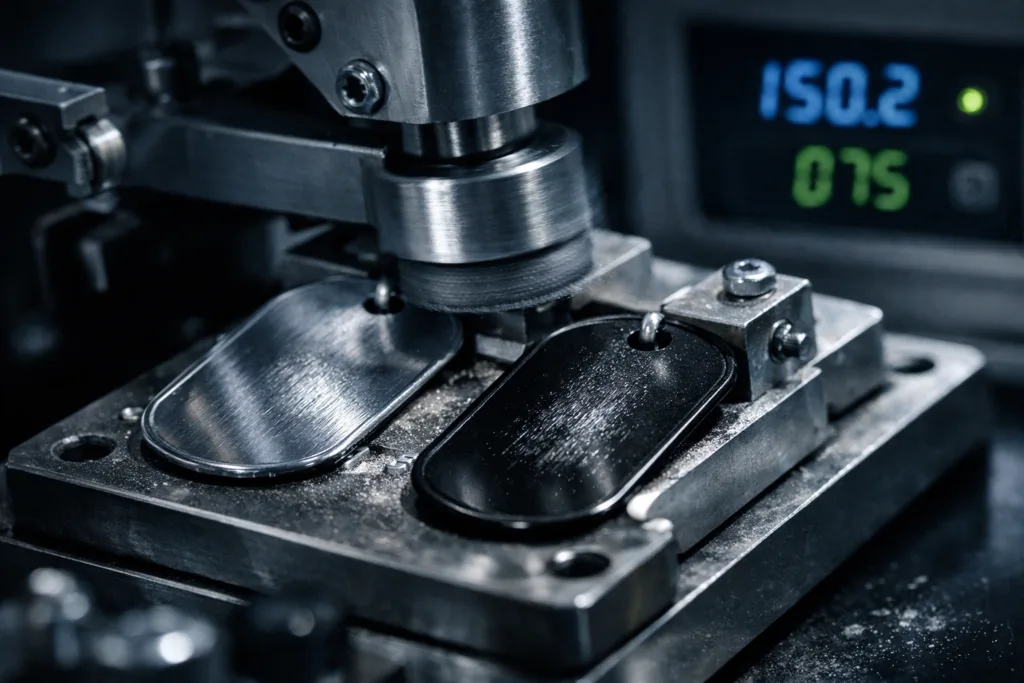
For procurement engineers and facility buyers, field durability is a primary concern for any dog ID tag or set of pet ID tags. Resistance to the environment ensures that the information on a custom dog tag remains legible—and the tag intact—over years of daily use.
Corrosion is one of the top threats, particularly in coastal, humid, or industrial settings. Stainless steel excels here, while anodized aluminum adds important protection for higher-value or colored tags. Regular abrasion—from leashes, brushing on concrete, or sand—can quickly wear down lesser materials or insufficiently engraved text.
Effective testing protocols include:
- Abrasion Testing: Simulates daily wear from collars, walls, and other animals.
- UV Exposure: Tests resistance to sunlight, crucial for outdoor pets.
- Salt Spray: Accelerates corrosion to assess suitability in marine or winter environments.
Look for suppliers who document their durability specs and offer transparent results. Field failures often reveal issues that controlled lab testing might miss, such as text fading after pressure washing or adhesive backing degradation during freeze-thaw cycles.
At UC Tag, each production run undergoes controlled durability checks, including batch comparison of finished dog ID tags for salt spray performance and simulated abrasion. This rigorous approach helps procurement managers evaluate batch consistency and long-term reliability when ordering pet ID tags.
Applications and Industry Fit for Custom Dog Tags
Custom dog tags are versatile solutions for identification across diverse use cases. In urban environments, clear dog tags for dogs mean pets can be returned swiftly if found by local agencies or passersby. In rural settings, robust pet ID tags help dogs move safely between properties, or be found after wandering off during outdoor activities.
Dog tags significantly enhance rescue and lost pet recovery by providing clear, immediate identification—critical for shelter staff and animal control. Facilities such as boarding kennels, groomers, or veterinary clinics can use branded custom dog tags for operational control or value-added services.
In training spheres, tags with unique codes or color indicators streamline grouping by behavior or dietary needs. Specialty roles—like therapy or service animals—benefit from tags that feature medical instructions, handler contacts, or legal notification details.
Branding opportunities abound. Pet care businesses use custom dog tags not only for safety but also to reinforce their brand through logos, signature finishes, or mass personalization. Business-grade applications often demand features like sequential serials, QR data, or dual-sided printing for maximum information density. Explore specific examples like QR code dog tags or micro-text ID dog tags for advanced identification.
Common Mistakes to Avoid When Ordering Dog Tags
Even seasoned buyers stumble over key pitfalls when specifying or sourcing custom dog tags. Here’s how to prevent issues that can compromise both safety and durability:
- Legibility failures: Selecting fonts that are too small or ornate decreases readability and defeats the purpose. Always test text on a physical sample or high-fidelity proof.
- Improper adhesives or attachments: Using stick-on tags on high-impact collars often results in loss during play. Choose mechanical attachments (holes with split rings or S-hooks) for rugged use. Learn more about adhesive reliability in this guide.
- Finish mismatches: Not all finishes stand up equally. Soft enamel or uncoated metals may corrode, chip, or peel fast in wet or abrasive settings. Align material and finish to climate and intended use.
- Poor contrast: Silver text on a polished silver background is nearly impossible to read outdoors or in low light. Use dark fills, paint infill, or high-contrast layouts for vital details.
Examples from industry: One facility purchased dog tags with engraved white enamel on a bright aluminum tag. Sunlight made the text disappear. Another project chose adhesive-only tags for outdoor kennel runs, leading to a 20% loss rate within six months.
Rain Chen of UC Tag recalls, “We once saw a batch of dog tags rejected because the customer’s logo, instead of being deeply stamped, was shallow etched and quickly wore off after a single winter. It underscored the need for matching process, finish, and end-use conditions.”
Ordering Guide for Custom Dog Tags
Simplifying the ordering process for custom dog tag and pet ID tags projects reduces risk and speeds up delivery. Here’s a step-by-step overview:
- Minimum Order Quantity (MOQ): Industrial and B2B orders usually begin at 50–100 units. Consider batch sizes for price breaks—see our Bulk Discounts Guide.
- Budgeting: Costs depend on material, process, and personalization complexity. Manufacturing method (engraving vs. stamping) will impact unit price and setup fees.
- Lead Times: Typical schedules run 2–4 weeks after proof approval for custom jobs. Factor in tooling time, especially for first-time mold creation. Rush orders may be possible; see rush order insights.
- Artwork Submission: Vector files (.AI, .EPS, .SVG) ensure the best output (Unlock Precise Metal Molds).
- Proofing: Never skip customer proof review—digital proofs or sample tags let you catch errors early.
- Packing/Shipping: Packaging choices include bulk bags, custom trays, or individual sleeves. Shipping options range from local courier to global freight for larger orders.
For additional information on samples, see custom metal tag samples—including options for pre-production runs to check fit and finish before you commit to scale.
Frequently Asked Questions
What information should be included on a dog tag?
Include the pet’s name, a contact phone number, and optionally the owner’s address or essential medical alerts to maximize identification and recovery chances.
How do I determine the right size for a dog tag?
Choose a tag size that matches your dog’s size and collar width—smaller dogs need lightweight, compact tags; larger breeds can accommodate bigger, thicker tags for better visibility.
What finishes are available and why do they matter?
Finishes like anodized, brushed, or mirror polish influence appearance, corrosion resistance, and long-term readability; the finish should match your climate and usage needs.
Can custom dog tags be waterproof?
Yes, most metal dog tags are inherently waterproof; stainless steel and anodized aluminum offer the best performance in wet, humid, or marine environments.
What is the lifespan of various materials under outdoor conditions?
Stainless steel can last over a decade outdoors; anodized aluminum 3–5 years; untreated brass may tarnish after a few years but can be maintained for appearance longevity.
How to maintain the quality of dog tags over time?
Clean the tag regularly, check for attachment wear, and avoid abrasive chemicals; reseal or replace tags that develop deep scratches or corrosion for maximum readability.
Related Reading
- Real-World Durability: Brass vs. Steel Tags Compared Over 5 Years
- How to Choose the Most Legible Font Size for Engraved Dog Tags
- Achieve Flawless QR Code Scanning on Metal Tags: Design and Material Tips
- Boost Tag Security: When to Use Adhesive Backings and Where They Fall Short
- Attachment Solutions: Why S-Hooks Are a Reliable Choice for Pet Tags
- Costly Tag Design Mistakes—and How to Avoid Them for Reliable Orders