Introduction to Blank Tags
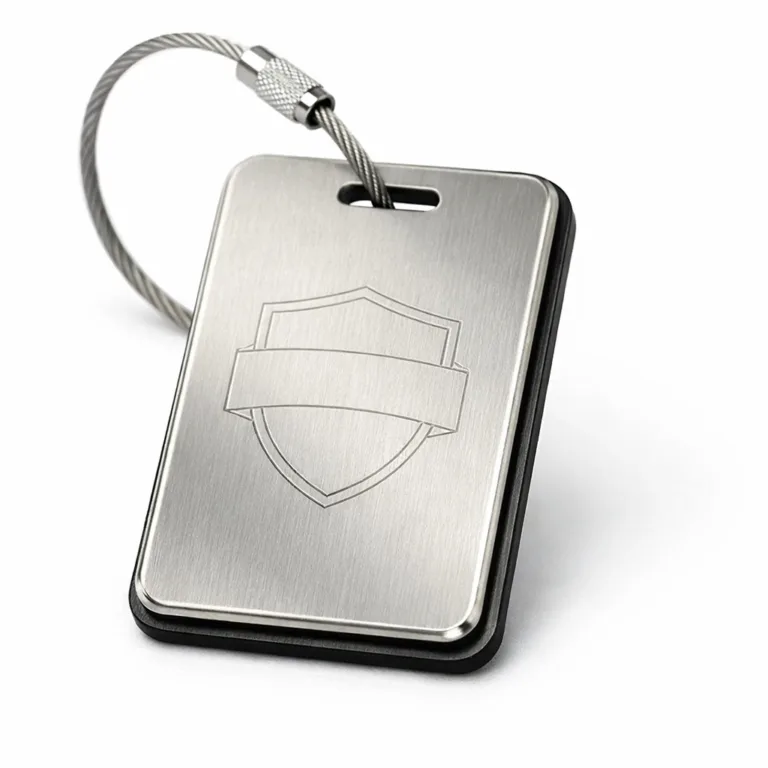
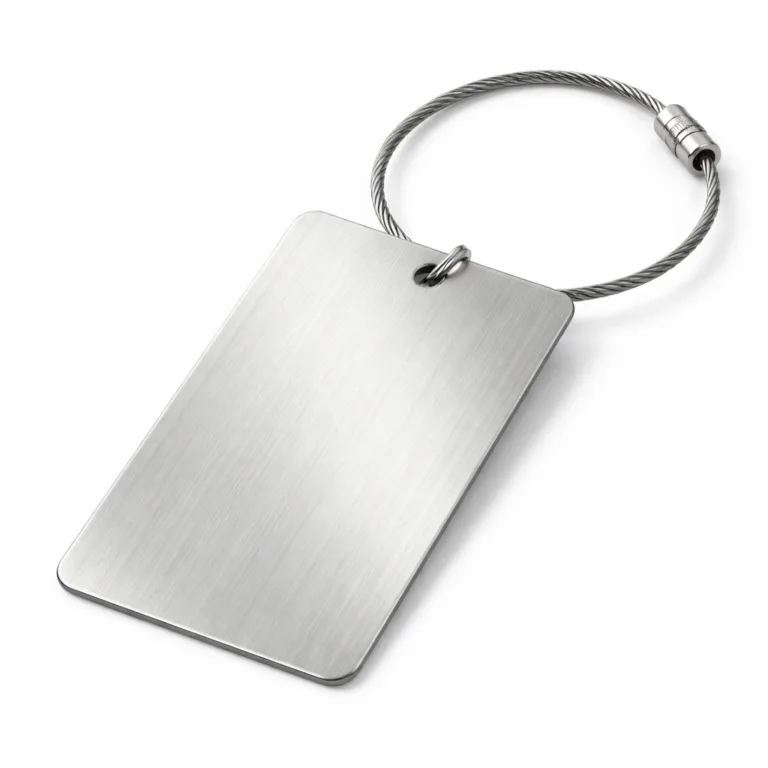
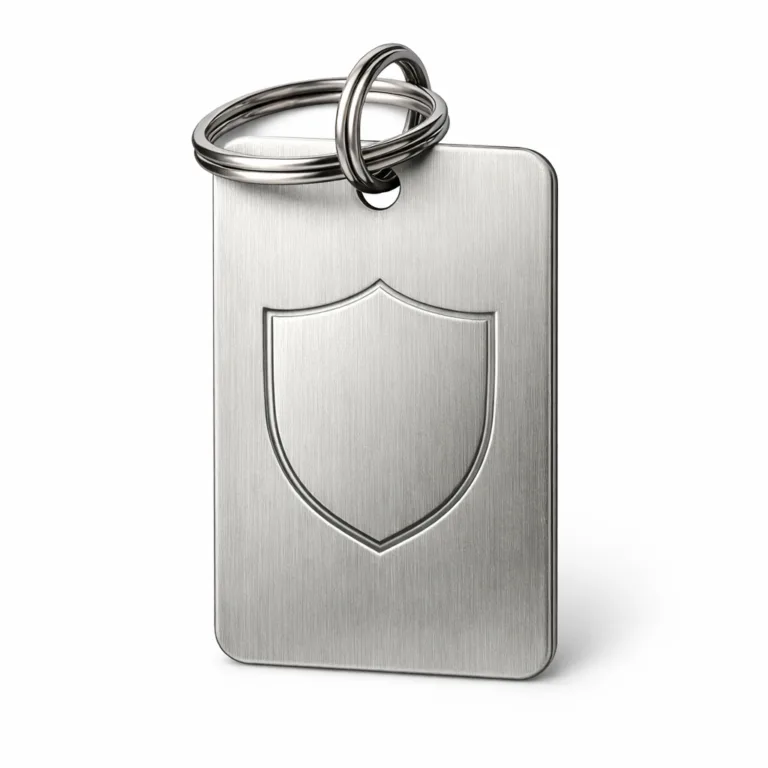
Blank tags are the unsung heroes of personalization, serving as the raw canvas for engraving machines in stores and workshops. Whether you’re creating keychains, pet tags, or personalized gifts, the right blank tags are essential for crisp, lasting results. This article explores blank tags and engraving materials, highlighting how durable options make the difference in quality and customer satisfaction.
Engraving is the process of marking or decorating surfaces, usually metals or plastics, by cutting, etching, or printing detailed designs. Blank tags are the ideal base—they can be customized with names, numbers, logos, or graphics to meet unique needs. With demand for personalized products rising, material choice for blank tags is more critical than ever, affecting appearance, longevity, and production ease.
Key Considerations for Material Selection
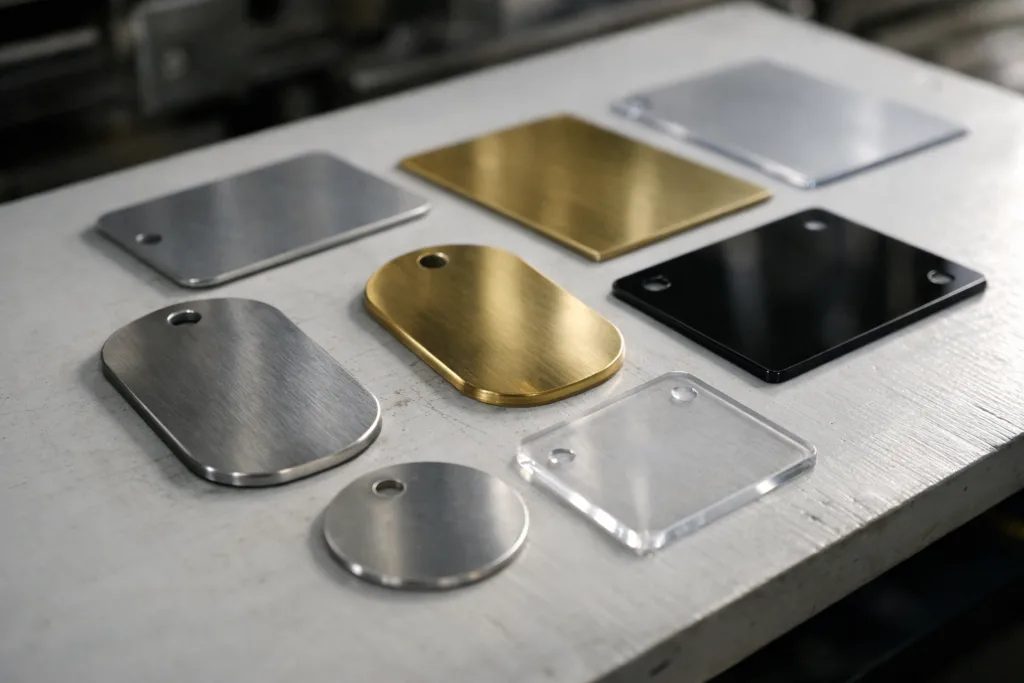
Choosing the best engraving materials for blank tags depends on several factors. For tags that will be exposed to harsh environments—think pet tags for outdoor use or industrial asset labels—durability is paramount. Materials like stainless steel and anodized aluminum excel in resisting corrosion, abrasion, and fading.
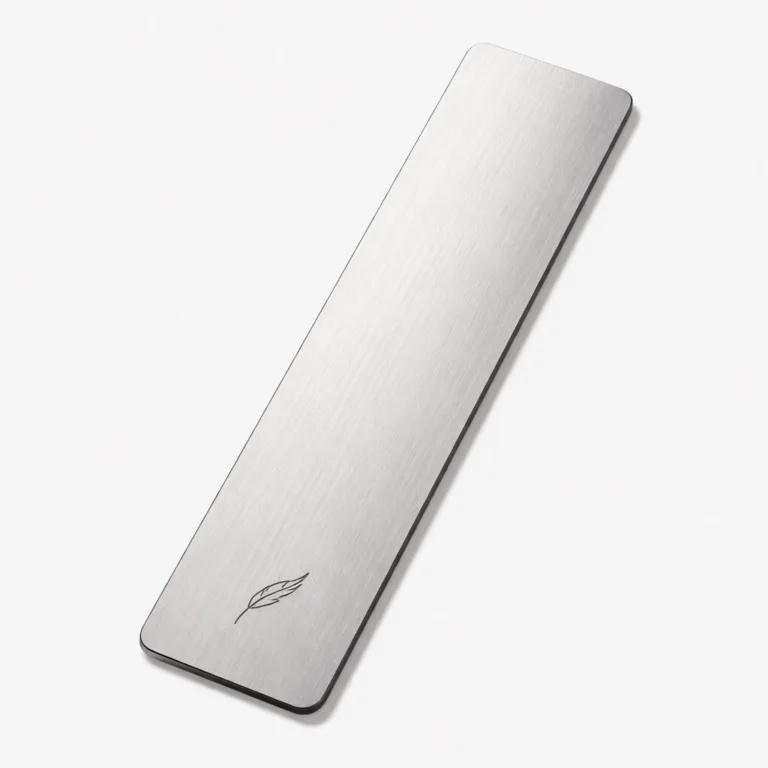
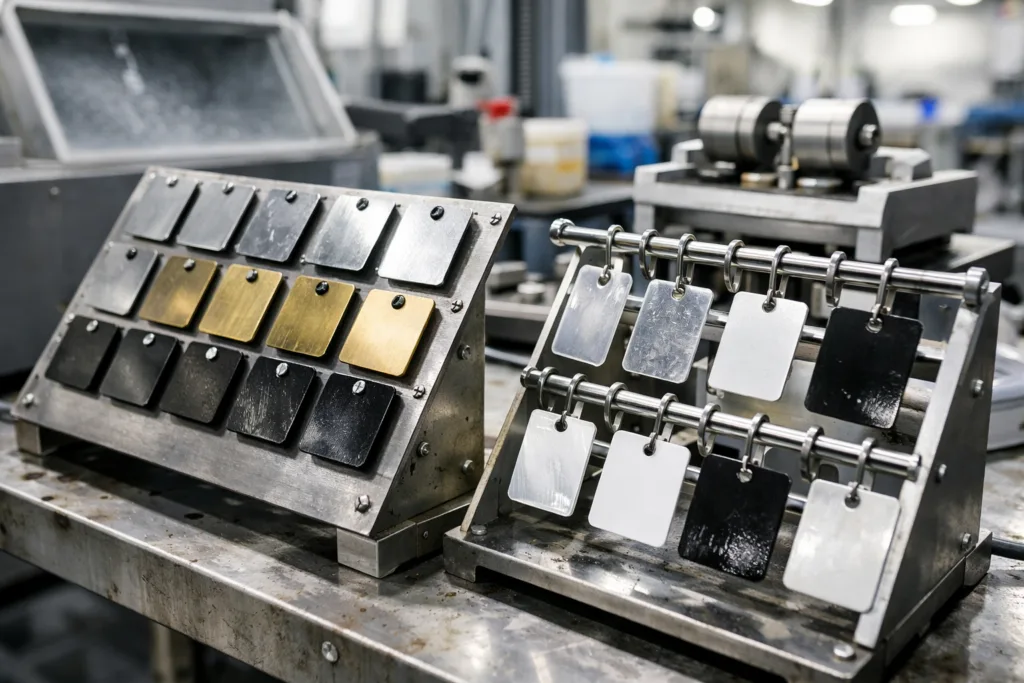
Aesthetics also play a significant role. Some customers prefer the modern look of brushed aluminum, while others seek the warmth of brass or the clarity of acrylic. The finish, color, and surface texture influence not just appearance, but also how well engraving shows up and how easy machines can work with the surface.
- Cost is a practical consideration. Metals like stainless steel may be more expensive but last longer, while acrylic and wood offer lower-cost, creative possibilities for short-term or decorative tags.
- Compatibility with in-store engraving machines is crucial. Laser engravers may require specific coatings or materials, while rotary or stamping systems need surfaces that won’t chip or shatter during marking.
- Customer preferences drive material choices for applications—pet tags, branded merchandise, industrial ID plates, and promotional gifts all have unique demands.
Smart buyers weigh these criteria carefully to meet needs for performance and presentation.
Materials Comparison: Metals vs. Non-Metals
The choice between metal and non-metal engraving materials for blank tags shapes both functionality and appearance.
| Material | Durability | Aesthetic | Cost | Engravability | Applications |
|---|---|---|---|---|---|
| Aluminum | High (anodized) | Modern, colorful | Moderate | Excellent for laser/rotary | Pet tags, asset tags, keychains |
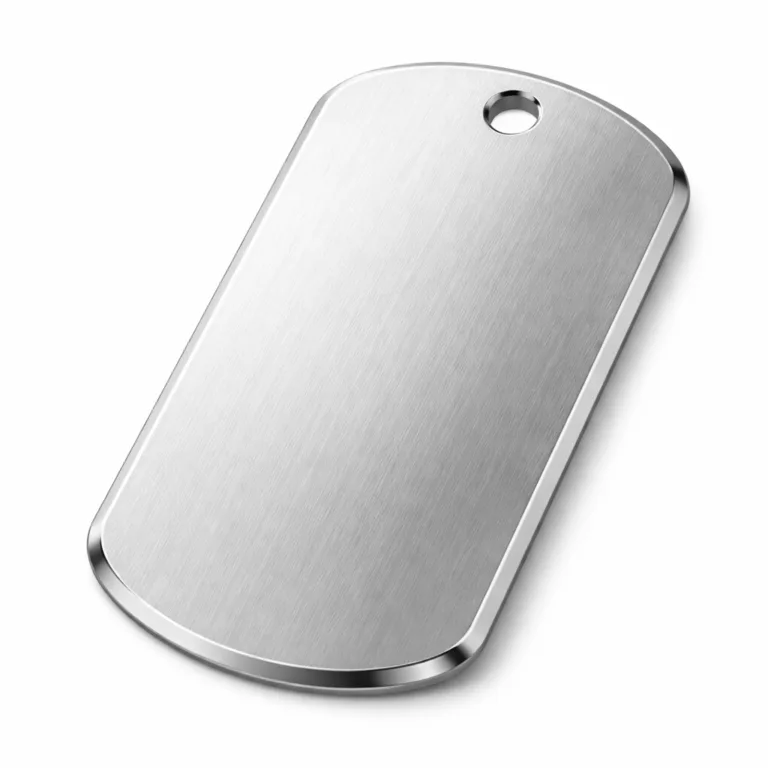
| Stainless Steel | Exceptional | Classic, industrial | Higher | Laser, deep stamping | Medical, industrial ID, equipment |
| Brass | Good | Warm, vintage | Mid-high | Stamping, rotary | Jewelry, gifts, antique look |
| Acrylic | Moderate | Clear, vibrant colors | Low | Laser, limited rotary | Decorative, promo keychains |
| Wood | Low-medium | Natural, rustic | Low | Laser engraving | Gift tags, novelty items |
Metals like aluminum and stainless steel are ideal when longevity and resistance to corrosion matter most. Brass brings elegant aesthetics, making it popular for luxury or vintage-inspired tags.
Non-metals such as acrylic and wood give options for lightweight, colorful, or eco-friendly tags. However, they’re generally less durable outdoors. For keychain and pet tags, metal blank tags win on both performance and readability, while acrylic is favored for promotional items where appearance and affordability lead.
Finish options—such as anodized colors for aluminum or brushed textures for stainless steel—allow brands to tailor the look. UC Tag’s shop-floor experience confirms buyers increasingly request dual-tone finishes and custom shapes, especially for retail and branding applications.
Manufacturing Methods: Engraving vs. Stamping vs. Other Techniques
Different manufacturing methods impact which engraving materials yield the best results for blank tags. Engraving, stamping, etching, and printing each offer distinct trade-offs.
- Engraving: Uses laser or rotary machines to inscribe details. Works well on aluminum, stainless steel, brass, acrylic, and wood. Result: precise, deep marks ideal for personalization.
- Stamping: Involves pressing designs into metal. Best suited for brass, steel, and thicker aluminum. It’s fast for large runs, creating bold, tactile text.
- Etching: Chemical or laser etching produces fine lines or artwork, mainly on metals but also coated plastics.
- Printing: UV or enamel printing adds color to blank tags, but does not offer the permanence of deep engraving.
Cost and turnaround time depend on chosen technique and material. Stamping is efficient for bulk orders but requires custom dies. Laser engraving offers fast changes and unique designs, but works optimally on flat, uniform surfaces.
The technique used influences the tag’s texture and legibility. For example, deep stamping can result in bolder text, while laser engraving delivers detail and flexibility for serial numbers or intricate logos. Rain Chen at UC Tag notes that industrial clients often choose stainless steel for stamped ID plates due to its toughness and ability to withstand harsh cleaning.
Design & Spec Checklist for Blank Tags
Every successful tag project starts with clear specifications. Here’s a practical checklist for designing blank tags that deliver reliable performance and aesthetic appeal:
- Dimensions: Plan tag size and thickness for durability and engraving readability. Common thickness ranges from 0.5mm (light use) to 2.0mm (heavy industrial).
- Finishes: Choose from anodized, painted, brushed, or polished for metals; matte or glossy for acrylic and wood.
- Holes & Adhesives: Specify quantity, size, and position for mounting (rivet holes, adhesive backing, magnetic strips).
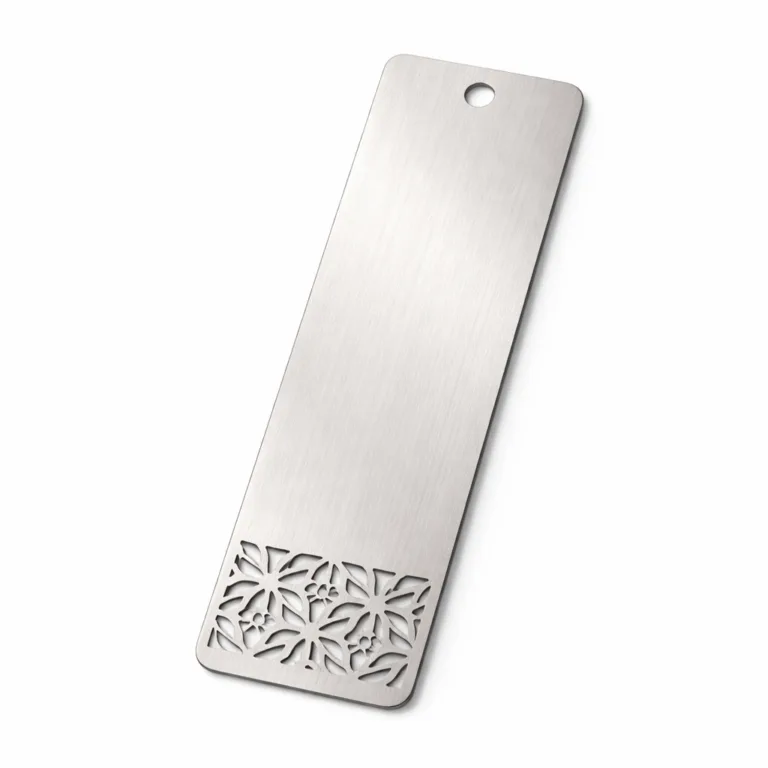
- Custom Shapes: Consider unique silhouettes to match branding or use cases—die-cutting is ideal for metals and acrylic.
- Readability: Ensure font size, contrast, and engraving depth support easy identification; reference font size guides for legibility benchmarks.
- Tolerances: Set design tolerances to guarantee consistent engraving clarity, especially for mass production.
| Design Feature | Best Practice |
|---|---|
| Size | Match application; pet tags typically 25-30mm diameter |
| Thickness | Industrial (1.5-2mm), retail (0.8-1.2mm) |
| Finish | Anodize for corrosion, polish for premium look |
| Hole Count | Standard: 1 or 2 for attachment |
| Adhesive | 3M backing for logo plates |
| Shape | Rectangle, circle, or custom die-cut |
| Readability | Minimum 2mm font for clear engraving |
Experienced tag manufacturers, like those offering tag solutions, help optimize these specs for each application—balancing visual appeal with in-store machine compatibility.
Durability & Testing of Engraving Materials
For tags in demanding environments, durability is non-negotiable. The right engraving materials deliver resistance to corrosion, abrasion, and weathering over years of use.
Corrosion Resistance: Stainless steel, anodized aluminum, and brass are tested for salt spray exposure, making them perfect for marine or outdoor items. UV-resistant coatings also protect finishes from sun damage.
Abrasion Resistance: For tags subject to frequent handling—such as keychains or equipment plates—abrasion tests measure how well engraved text holds up. Metal blanks often outperform plastics or wood for longevity.
Testing Methods: Industry tests include ASTM B117 (salt spray), Taber abrasion, and UV exposure protocols. Compliance with standards assures B2B buyers that tags will perform as expected.
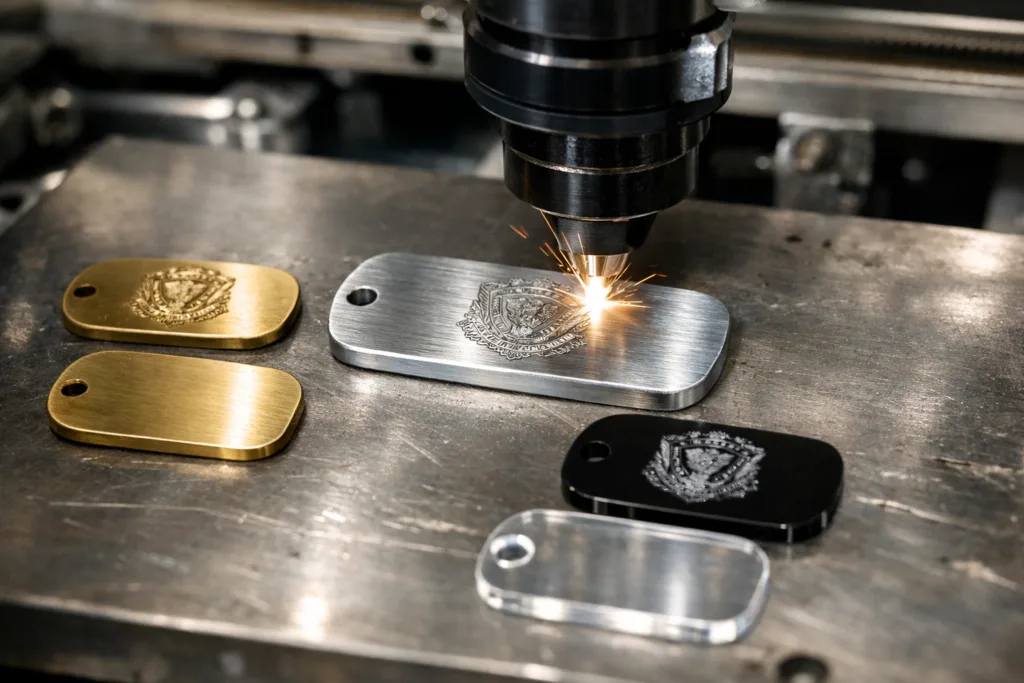
Certifications, such as RoHS or ISO quality, add extra confidence. For critical applications, tag samples may undergo field testing before mass production. Salt spray testing has become standard for marine and equipment tags.
Industry/Application Fit: Use Cases for Blank Tags
Blank tags and engraving materials adapt to a wide range of real-world needs. Here’s how leading industries put them to work:
- Keychains: Retail brands and promotional programs prefer metal blank tags for lasting impressions and durability. Custom shapes, logos, and colors boost product appeal.
- Pet Tags: Stainless steel and anodized aluminum dominate pet tag manufacturing, ensuring engraved info remains legible after years of use. S-hook and ball chain attachments enhance security (S-hook solutions).
- Equipment Identification: Industrial buyers specify stainless steel or thick-gauge aluminum for tagging machinery, assets, and control panels. Engraving ensures serial numbers remain legible after chemical or abrasion exposure.
Trends show rising demand for customizable blank tags—QR codes for lost pets, asset tracking, and logo branding. Consumer applications focus on personalization and aesthetics, while industrial settings prioritize clarity and resistance.
UC Tag’s shop-floor experience highlights a shift toward multi-functional tags, with increased orders for dual-sided engraving and serial number plates (batch serial number tags) in inventory management.
Common Mistakes & Troubleshooting When Using Blank Tags
Even with quality engraving materials, mistakes can undermine blank tag performance. One frequent error is selecting a tag surface unsuited for the chosen engraving method, resulting in unreadable or faded text.
Using incompatible adhesives or finishes can cause tags to peel or detach, especially on metal logo plates installed on bags or garments. Corrosion, particularly on untreated brass or low-grade steel, leads to rapid text illegibility.
To prevent these issues:
- Always match material to application and engraving method.
- Opt for tested adhesives or mechanical attachment (like rivets) for high-wear tags.
- Select corrosion-resistant finishes and monitor for early signs of wear.
When problems arise—such as text fading or tags separating from surfaces—troubleshooting involves material replacement, adjusting engraving depth, or improving surface preparation. Reviewing test data before final production limits costly errors.
Ordering Guide for Custom Blank Tags
Ordering blank tags efficiently requires a clear process. Minimum order quantities (MOQs) differ by material and manufacturing method; metals generally have higher MOQs to cover setup costs, while acrylic or wood tags may allow smaller batches. For custom logo tags, check manufacturer’s MOQ guidelines (logo tag manufacturer info).
Lead times hinge on complexity, material sourcing, and production method. Stamped tags take longer if custom dies are needed; laser-engraved tags can be fast, but mass orders may require additional proofing or QC.
Artwork submissions—vector files are preferred for precise cutting and engraving (vector artwork guide). Proofs help confirm font size, spacing, and placement before mass production.
For packaging and shipping, options range from bulk packs to individually bagged tags, depending on requirements. International shipping may impact timelines; understanding customs and duties keeps costs predictable (metal shipping tips).
Frequently Asked Questions
What are the best engraving materials for blank tags used outdoors?
Stainless steel and anodized aluminum offer superior resistance to corrosion, abrasion, and UV exposure, making them ideal for outdoor blank tags.
Can acrylic blank tags withstand heavy daily use?
Acrylic offers good aesthetics but is less durable than metal; it can scratch or crack with heavy use, so it’s best for decorative or short-term applications.
How should artwork files be formatted for custom tags?
Vector files (such as AI or EPS) provide optimal precision for engraving; raster images can result in blurry or inconsistent marks, especially for logos or text.
What attachment options are available for blank tags?
Common attachments include rivet holes, adhesive backing, magnetic strips, and ball chains; each suits different applications and material types for blank tags.
Are minimum order quantities flexible for mixed material tag orders?
Minimum order quantities are often set per material and method but some manufacturers allow split orders; contacting suppliers directly is the best approach.
How do I ensure readability on small blank tags?
Choose a large, bold font, increase engraving depth, and select high-contrast materials or finishes to maximize clarity and legibility on small blank tags.
Related Reading
- How to Engrave Unique Names on Metal Tags for Retail Success and Fast Turnaround
- Ensure Tag Legibility: Minimum Font Sizes for Reliable Engraving and Stamping
- Secure Marine Tags: Salt Spray Testing Techniques for Maximum Corrosion Resistance
- Unlock Precision: Why Vector Art Files Guarantee Sharper Custom Metal Tag Designs
- Explore Tag Solutions: Custom Shapes, Attachments, and Finishes for Your Brand Needs