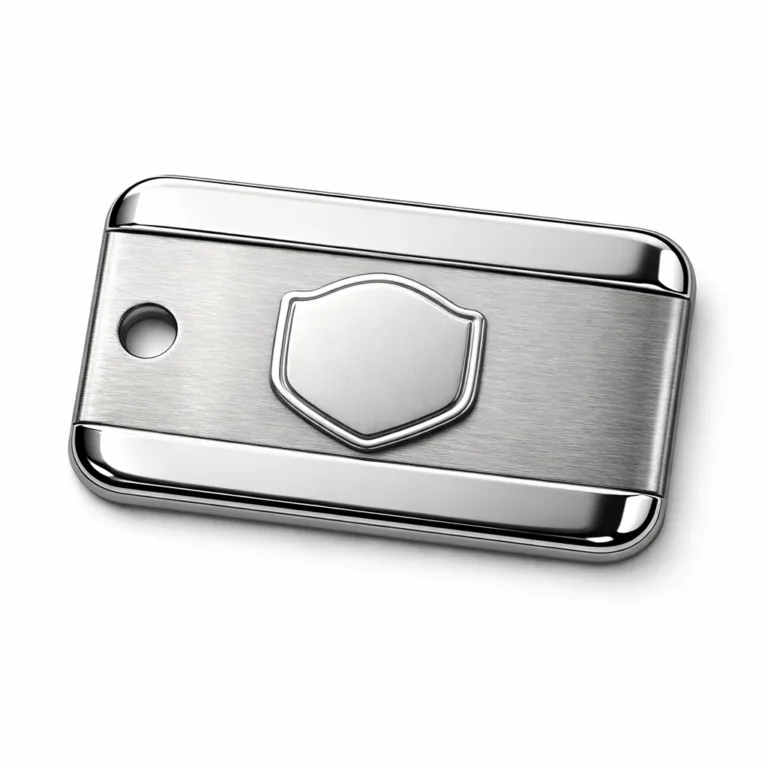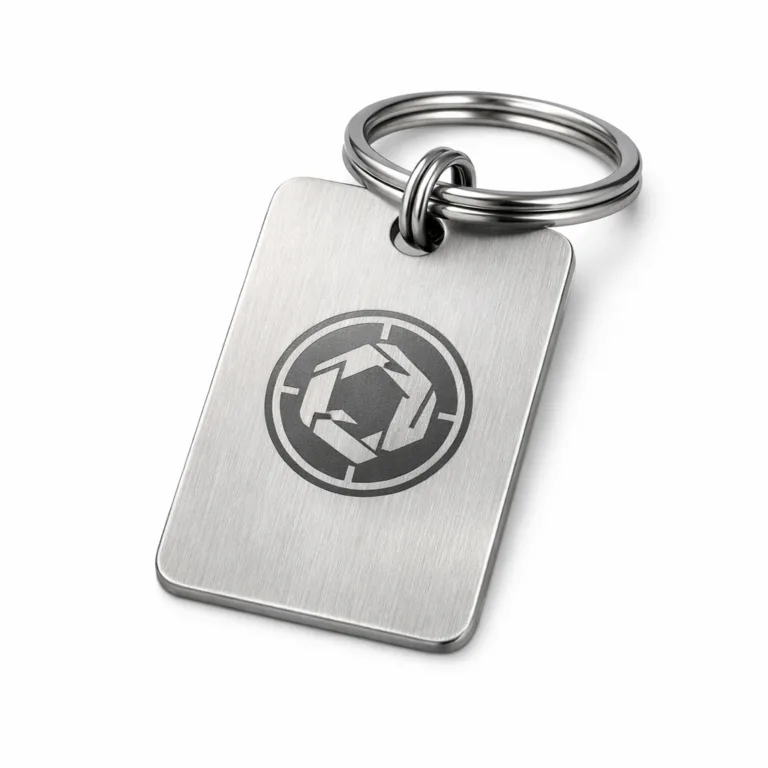
Introduction to Hand Stamping
Hand stamping has become a signature technique for crafting personalized jewelry tags, transforming simple metal pieces into unique storytellers full of meaning and sentiment. With hand stamping, each strike becomes a statement—a tactile mark that captures a name, a date, or a message that matters. The PROMPT “hand stamping, personalized jewelry tags” defines this method: using precision tools to imprint designs or text onto metal tags by hand, resulting in pieces that are truly one-of-a-kind.
Beyond sheer aesthetics, hand stamping connects artisans and wearers. A custom-stamped tag isn’t just a product—it’s a reminder of anniversaries, achievements, milestones, or personal mantras, making it a favorite in today’s modern jewelry markets. Consumers and brands alike are increasingly valuing authenticity and emotion over mass production.
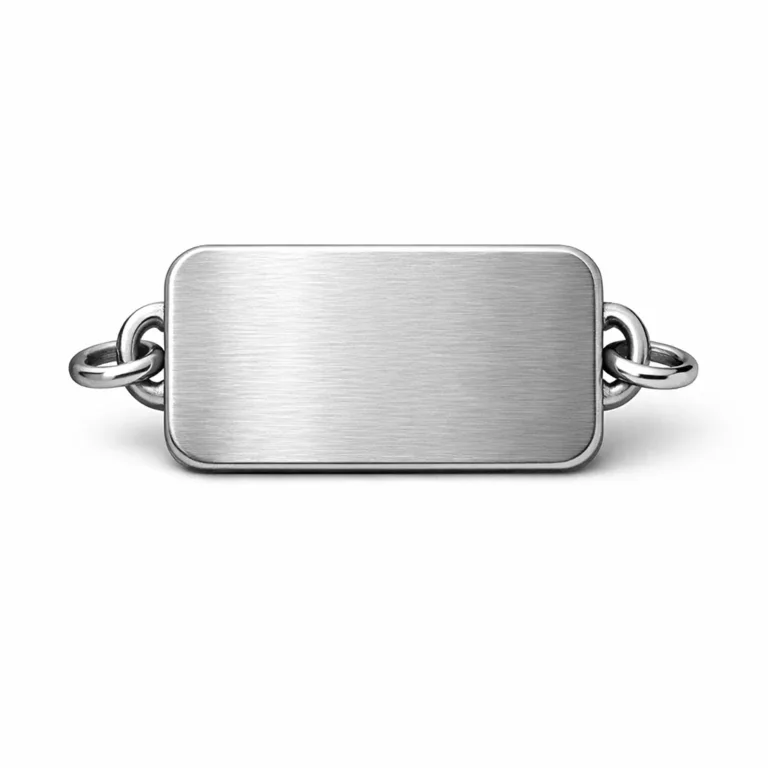
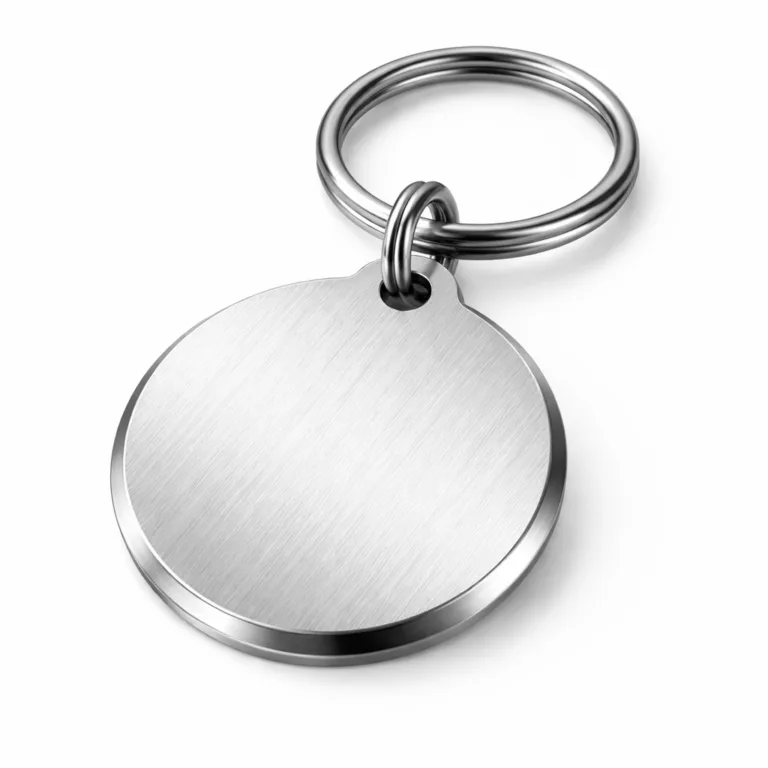
Creating personalized jewelry tags through hand stamping requires basic yet precise tools and quality blank tags, usually of aluminum, brass, or stainless steel. What distinguishes hand stamping is the variation and character in every impression—no two tags are exactly alike. This artisan approach delivers not just identification for a piece of jewelry but a lasting link to individual stories or brand identity.
The relevance of hand stamping is on the rise, as jewelry makers strive to offer more personal and meaningful options to their customers. In an era where individuality sells, hand stamping fulfills the promise of true customization. Let’s explore the tools, process, materials, and creative design inspiration that go into making effective and memorable personalized jewelry tags with the hand stamping technique.
Essential Tools for Hand Stamping
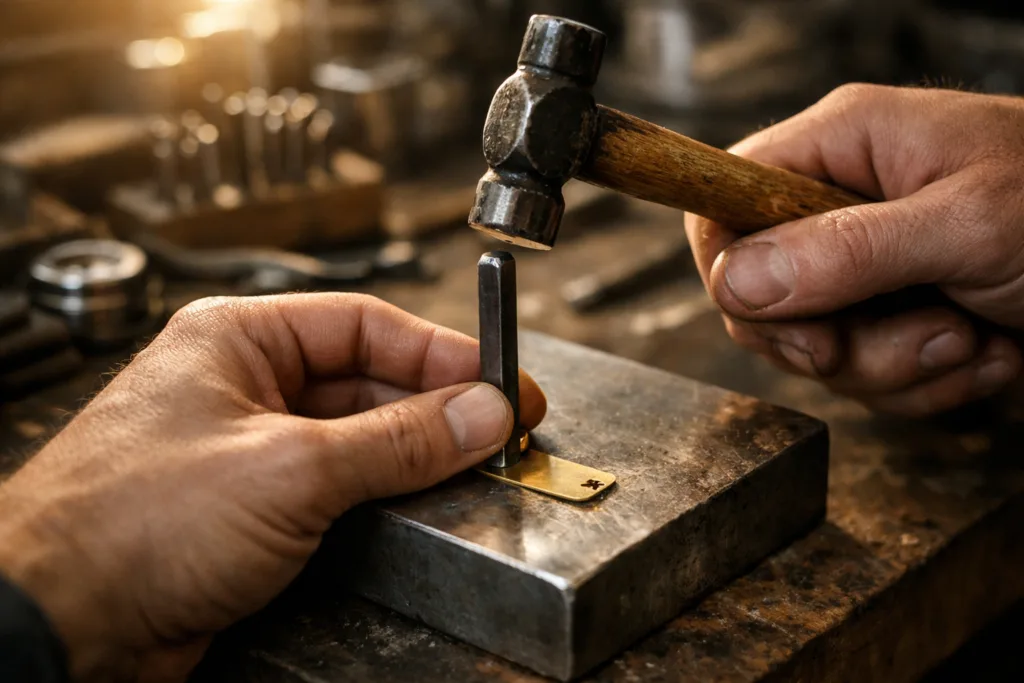
Success with hand stamping starts with equipping your workspace with the right tools. Here’s what every jewelry tag maker should have on hand:
- Stamping hammer: A small, well-balanced hammer designed to deliver controlled, clean blows to the stamp.
- Metal stamps: Hardened steel tools with raised letters, numbers, or designs on the tip for transferring impressions onto metal tags.
- Bench block: A flat, heavy, steel block that provides a solid, stable surface to absorb and distribute the force of stamping.
- Stamping tape or guides: Secures blanks in position and assists with alignment to avoid misprints.
- Polishing cloths and finishing files: Used for smoothing sharp edges and bringing out the shine post-stamping.
Each tool plays a vital role in the hand stamping process. For instance, the stamping hammer must be weighted just right—too heavy and you risk distortion, too light and the impressions may be shallow or uneven. Metal stamps come in a wide variety of fonts, sizes, and icon sets, allowing tremendous flexibility in tag design.
Choosing high-quality tools affects not only your end results but also efficiency and comfort during production. Durable steel stamps maintain crisp details over thousands of uses, while a dense bench block reduces bounce and ensures even impressions. For sourcing, reputable jewelry tool suppliers, industrial hardware distributors, and online specialty retailers are excellent resources. Beginners may opt for starter kits, which bundle basic tools and a selection of stamps, while professionals might invest in custom or specialty stamp designs for signature branding.
It’s also worth noting that some high-capacity brands, like UC Tag, develop specialized fixtures and dies to improve mass production consistency on industrial runs—an approach that’s useful when scaling artisan methods to meet larger retail or branding contracts.
Materials Matter: Choosing the Right Metal
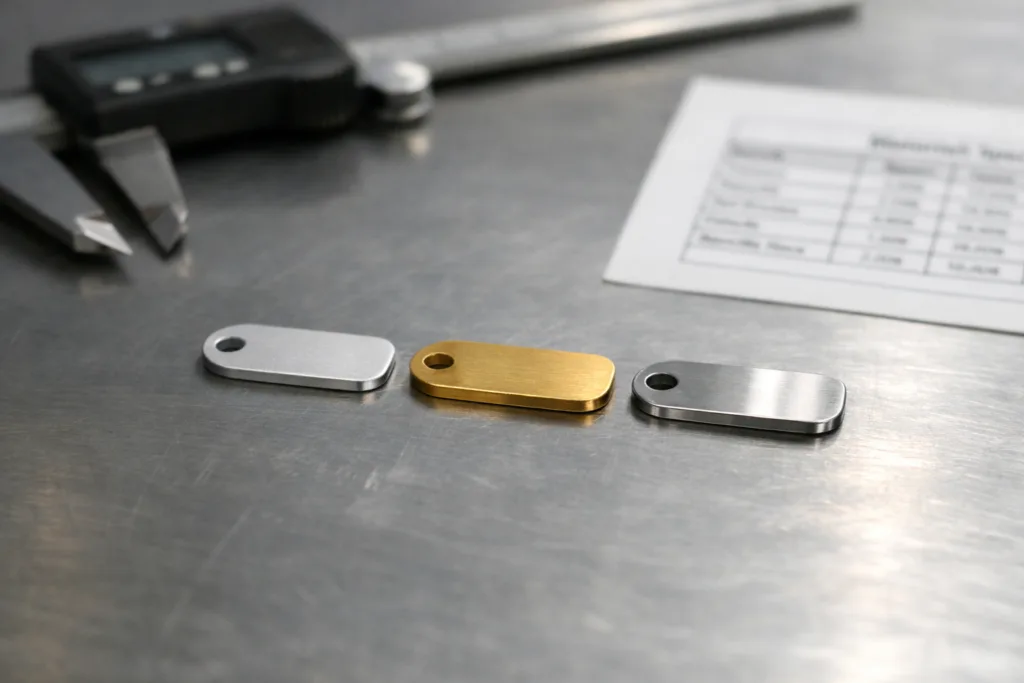
The foundation of every high-quality tag lies in material selection. For personalized jewelry tags, the most common metals include aluminum, brass, and stainless steel. Each offers its own blend of durability, weight, cost, and aesthetic qualities.
| Metal Type | Look & Finish | Durability | Corrosion Resistance | Typical Use Case | Cost |
|---|---|---|---|---|---|
| Aluminum | Matte silver-gray; lightweight | Good but less robust than steel | Excellent (anodized options available) | Casual jewelry, low weight, outdoor | Low |
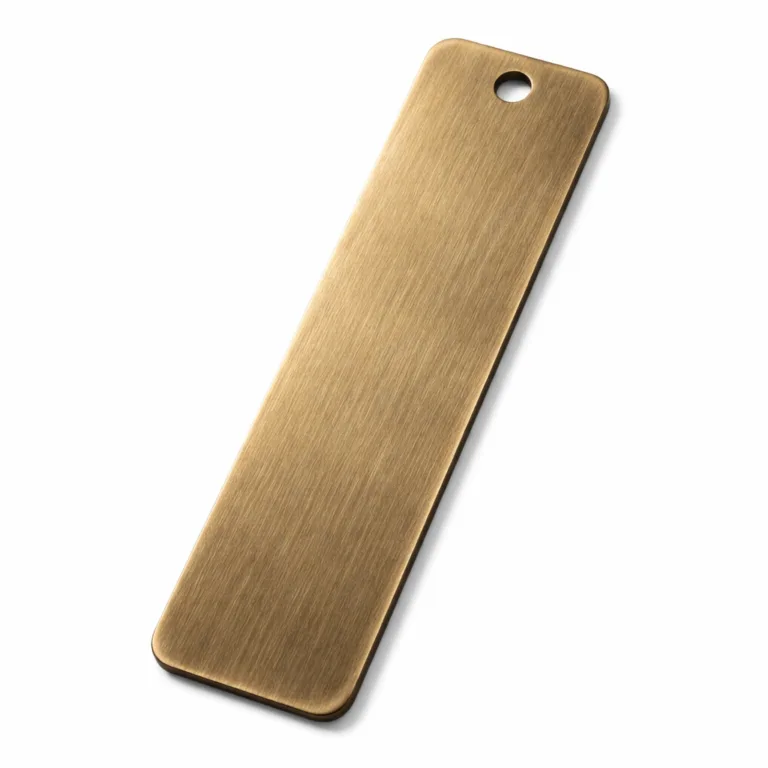
| Brass | Warm gold; classic and vintage patina over time | Very high; sturdy and dense | Good (may develop patina, not for marine use) | Premium, vintage, or classic items | Medium |
| Stainless Steel | Bright silver; polished or brushed | Exceptional | Excellent | Luxury, durable, hypoallergenic, branding | Medium-high |
Aluminum is favored for light, comfortable wear but can bend with high force. Brass’s weight and aging properties lend a sense of tradition but may tarnish over time, which some clients find appealing for its vintage charm. Stainless steel is champions for durability and resistance to both corrosion and scratching, though it’s harder to stamp and slightly heavier.
The choice of metal deeply affects the tag’s finish and long-term performance. For outdoor performance, such as pet tags or adventure bracelets, stainless steel or anodized aluminum are wise picks, resisting weather and daily wear. For branding on premium accessories, brass provides an upscale look and the possibility for rich patinas.
Cost matters, especially as order quantities grow. Aluminum is very affordable for promotional runs, while stainless steel is costlier but shines for value-driven, heirloom, or lifetime-warranted products. Always weigh these factors against the required durability, the end customer’s expectations, and any plating or finish processes that might influence cost or quality. For more about finish and performance trade-offs, see our real-world brass vs. steel tag wear case study.
Manufacturing Methods: Hand Stamping vs. Others
When producing jewelry tags, several methods compete for attention: hand stamping, precision engraving (such as rotary or CNC), chemical etching, and UV printing. Each has its place in the industry.
Hand stamping stands apart for its artisanal charm and flexibility. It allows for on-the-fly, deeply personalized tags, suitable for short runs or exclusive items. Stamping’s strengths are tactile impressions and the subtle imperfections that mark true craftsmanship. Engraving, whether by laser or rotary, excels in producing extremely detailed, repeatable text and graphics, ideal for batch runs where ultra-precise lines or micro text are essential. Etching allows fine, intricate patterns, and is often chosen when replicating logos or complex visuals. Printing (like UV or pad) brings color and graphic complexity but lacks the enduring depth of a stamped or engraved mark.
Cost implications vary. Hand stamping is labor-intensive, thus slower for large runs compared to automated engraving or printing. However, it’s unbeatable for quick prototype work or one-off designs. Larger volume projects may benefit from combining methods for efficiency and effect.
In terms of customization, hand stamping offers the widest range for improvisation and personal touches. Engraving and printing require digital proofs and setup, which can sometimes limit rapid creative changes. Consistency, however, is higher with automated methods, while hand stamping’s small variations give each tag a unique fingerprint of its own. For a deep dive into engraving vs. stamping on tags, see our professional techniques guide.
The Hand Stamping Process: Step-by-Step
Hand stamping, personalized jewelry tags, and the artful journey from blank to bespoke piece unfolds in a series of intentional, precise steps:
- Preparation: Clean metal blanks to remove oils and debris. Layout or sketch designs first to visualize spacing and alignment.
- Setup: Secure the blank on a bench block with stamping tape or a positioning jig. Confirm stamp orientation (letters or symbols must face the right way).
Now, the stamping begins. Hold the metal stamp vertically and strike it with the stamping hammer using a single, firm, controlled blow—consistency matters more than force. Move systematically to ensure even spacing between each impression. To avoid overlapping or misaligned characters, use guides or draw light pencil lines as reference. Turning the stamp slightly between strikes can introduce unique textures but requires confidence and practice.
When all impressions are complete, inspect the tag for depth and clarity. If any stamp is shallow, avoid “re-hitting”—this often doubles, distorts, or misaligns. Instead, consider starting a fresh tag for best results. For enhanced contrast, fill impressions with black enamel or ink, then buff off the excess with a polishing cloth.
Post-stamping, smooth any sharp edges with a file, polish as desired, and clean thoroughly before packaging. This process not only elevates the piece visually but also ensures it’s safe and comfortable for end users. Remember: patience and practice are key to achieving professional, personalized jewelry tags every time.
Design Inspiration for Personalized Jewelry Tags
Personalized jewelry tags offer limitless opportunities to connect emotionally with wearers. Thoughtful, creative designs transform practical tags into cherished keepsakes, souvenirs, or brand statements.
Themes may include memorable dates (birthdays, anniversaries), names or initials, motivational phrases, and even coordinates for location-based memories. Pet tags often feature names on one side and emergency contacts on the reverse, while couples or family jewelry can match tags across multiple pieces. A surge of interest in minimalist designs lets small icons—a heart, star, or simple paw print—shine alongside elegant letters.
- Experiment with mixed font sizes or handwritten/print script styles
- Play with text alignment—curved paths, vertical stacks, or corner placements
- Use stamped icons to symbolize hobbies or occasions (mountains for adventure, a paw for pets)
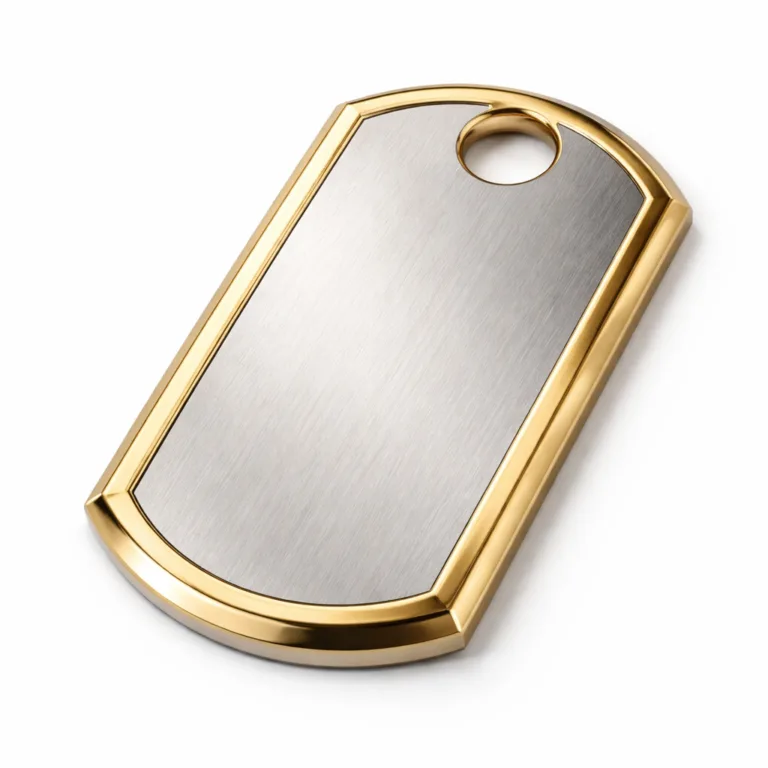
Recent design trends favor unique tag shapes—hexagons, geometric bars, or custom silhouettes—as well as finishes like brushed, matte, or dual-tone plating. Emotional resonance comes from capturing true-to-life details: the curve of a child’s handwriting, a spouse’s signature, or a subtle in-joke laser-etched on the reverse. Brands often combine their logo with a serialized code, blending identity with traceability. For more expert insights into matching design trends with purpose, see our design pitfalls to avoid.
Design & Spec Checklist for Custom Tags
Quality, repeatability, and long-term performance hinge on precise specifications for personalized jewelry tags. Before sending artwork to your tag manufacturer or working up prototypes, review this essential checklist:
| Spec | Recommendation | Notes |
|---|---|---|
| Size | Typically 20–40 mm long | Depends on application and space for text |
| Thickness | 1.0–1.5 mm for most jewelry | Thicker for rugged or outdoor tags |
| Finish | Brushed, matte, polished, plated | Choose based on style and durability needs |
| Readability | Minimum 0.8 mm text height | Refer to our font size engraving guide |
| Hole Placement | 2–3 mm from tag edge | Verify attachment hardware compatibility |
| Adhesive Backing | 3M or equivalent by use case | Industrial strength for equipment tags, lighter for jewelry |
| Tolerances | ±0.1 mm (hand stamped); tighter possible with CNC | Depends on process—define upfront |
When collaborating with suppliers, provide clear vector artwork (or high-res sketches), precise measurements, and finish expectations. Evaluate samples for sharp, legible impressions and consistent edge finishing. Rain Chen of UC Tag notes, “Always double-check compatibility between tag shape and your chain or clasp—it’s the most frequent source of post-production rework.”
Durability & Testing: Ensuring Quality Tags
Longevity matters, especially for personalized jewelry tags subjected to daily wear, contact with skin oils, or outdoor exposure. Different metals and finishes perform uniquely in tough environments—testing is crucial.
Corrosion resistance is a top priority. Stainless steel resists rust and tarnish—even when exposed to sweat, water, or humidity. Brass, with its warmer tone, can oxidize and develop a patina, which for some is visually desirable. Anodized aluminum handles most mild to moderate outdoor conditions but may fade in harsh sun over time.
- Test for abrasion by rubbing tags against rough fabrics or sandpaper to check for surface wear.
- Check UV stability by exposing samples to sunlight and comparing any color or finish changes over weeks or months.
- Conduct salt spray testing—especially important for marine or adventure jewelry—to simulate corrosion over prolonged exposure (details on salt spray testing can be found in our marine tag guide).
Industry standards suggest batch testing all new designs before mass production—this verifies that personalization, finish, and durability meet expectations. When longevity is critical, opt for PVD coatings, deep anodizing, or premium enamels. Use real-world case studies or partner with your supplier for custom tests tailored to your distribution channels (e.g., retail, outdoor gear, or medical jewelry tags).
Common Mistakes and Troubleshooting in Hand Stamping
Hand stamping is rewarding but not without its challenges. Here are some frequent pitfalls and how to address them:
- Misalignment: Using guides or tape can prevent crooked text. For long phrases, mark letter centers and progress slowly, checking alignment after every few stamps.
- Uneven Impressions: Strike stamps with consistent force—practice on scrap metal before moving to finished blanks. If a metal feels too hard, anneal if possible, or switch to a slightly softer tag material.
- Double Stamping: Once you stamp, avoid trying to hit again in the same spot. Start fresh to maintain clarity.
- Shallow Marks: For tough metals, a heavier hammer or slightly larger stamp may offer better results. Always test combinations of force, stamp hardness, and metal type first.
Each stamping session is a learning experience. Rain Chen at UC Tag emphasizes: “Order a sample batch first, test every stamp and finish option, and refine before scaling up mass production.” This approach uncovers technical hiccups before they become large-scale issues, saving time and cost.
Ordering Guide for Custom Jewelry Tags

The path to producing personalized jewelry tags at scale involves careful coordination and clear communication with your manufacturer.
- Minimum order quantities (MOQs) vary—typically 50–200 pieces depending on material and finish.
- Lead times are usually 2–5 weeks, affected by complexity, finishing, and order size.
- Provide detailed vector artwork or clear sketches for review. Always request a digital proof, and, where possible, a physical sample prior to mass production.
- The sampling process is vital—prototype evaluation ensures design and technical specs are achieved. For breakdowns on sampling strategy, refer to our guide to pre-production sampling.
Packaging options range from bulk shipments to individually wrapped tags or retail-ready boxes. Discuss shipping methods—air freight for speedier delivery, sea for cost savings.
Clarify all delivery timelines upfront and track production milestones. Reordering can often simplify and speed up future jobs, especially when molds or dies are retained with trusted suppliers.
Frequently Asked Questions
What customization options are available with hand stamping, personalized jewelry tags?
Options include different metals, fonts, icons, finishes, and tag shapes, allowing you to tailor each tag to your branding or individual customer requests.
How does pricing change for bulk orders of personalized jewelry tags?
Pricing generally decreases as order quantity increases, with cost per unit dropping, though minimum orders and setup fees may apply for special finishes or packaging.
What’s the best way to care for metal jewelry tags?
Wipe with a soft cloth, avoid harsh chemicals, and store away from moisture; for brass tags, occasional polishing restores luster and removes patina as desired.
How long do custom jewelry tag orders usually take from proof to delivery?
Typical production plus shipping is 2–5 weeks, with timelines depending on material, finishing, order size, and chosen delivery method.
Can I receive technical support when ordering for the first time?
Most experienced tag suppliers provide design and production support, helping clarify specs, troubleshoot designs, and walk you through proofing and ordering.
What is the most common failure in hand stamping and how is it fixed?
Misalignment is the most frequent issue; using guidelines, stamping tape, and methodical layout helps reduce errors and ensures consistent, professional results.
Related Reading
- Unlock Minimum Font Sizes That Keep Your Jewelry Tags Easy to Read
- Avoid 5 Costly Custom Tag Design Errors Before Ordering
- Pro Techniques for Engraving Individual Names on Metal Tags at Scale
- Engineer’s Guide: Salt Spray Testing Your Tags for Real-World Corrosion
- How Deep Engraving Impacts Your Metal Tag’s Durability and Longevity
- Find the Perfect Thickness for Durable and Lightweight Luggage Tags