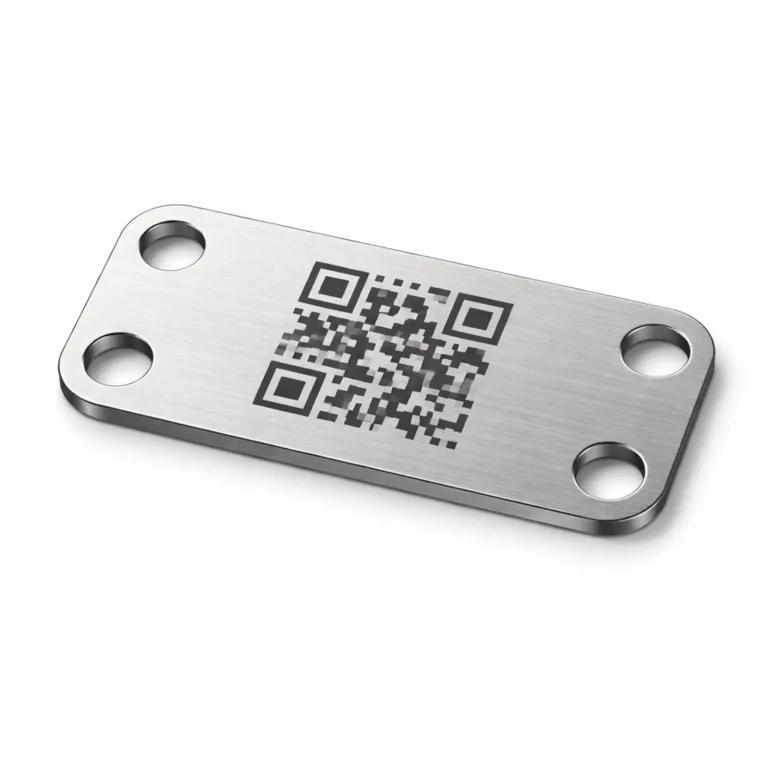
Introduction to Hidden Costs
Purchasing custom metal tags for your business involves more than just the listed product price. Many buyers, especially those new to international sourcing, underestimate the hidden costs, duties, taxes, and setup fees that add up as goods move from manufacturer to your door.
Hidden costs are expenses not clearly disclosed or obvious in a supplier’s quote. For industries relying on metal tags—such as manufacturing, logistics, or asset management—overlooking these costs leads to budget overruns, missed commitments, or downstream disruptions. Duties, taxes, and setup fees represent some of the most impactful hidden costs in importing and exporting.
This guide breaks down duties, taxes, and setup fees in detail, shares real-world examples of their impact on purchasing programs for metal tags, and equips you with practical strategies to avoid costly surprises. You’ll also learn to calculate total landed costs and make more accurate budgeting decisions.
Transparency and planning are essential to control finances and build trust with your suppliers. Let’s uncover the true cost of metal tag procurement—starting with the building blocks: duties and taxes.
Understanding Duties and Taxes
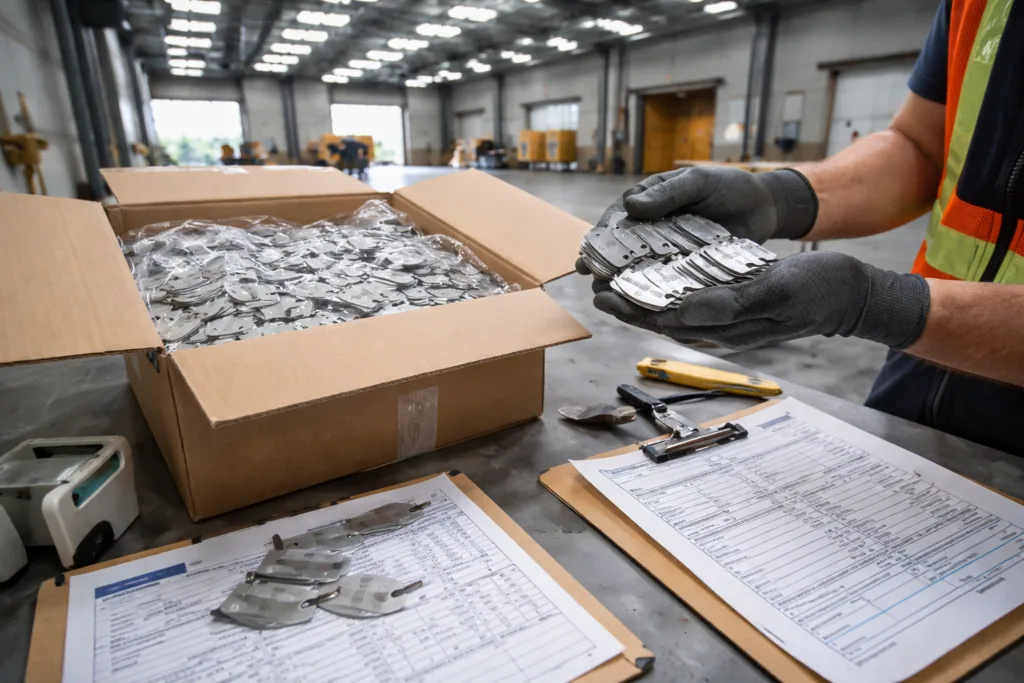
Duties and taxes are government-imposed fees on the international movement of goods. They form a significant layer of the full landed cost, whether you import engraved aluminum tags, laser-etched stainless steel ID plates, or branded brass components.
Customs duties are tariffs paid to bring goods across borders. These can be calculated as a percentage of the shipment’s declared value, a specific fee per unit, or a mix of both (ad valorem and specific duties). For instance, importing 1,000 metal luggage tags valued at $2,000 with a 5% duty rate means $100 in duties alone.
Taxes such as value-added tax (VAT) or sales taxes may also be collected by customs. VAT is charged as a percentage of the value plus duties and freight. Sales taxes can apply in certain countries or U.S. states. It’s important to distinguish import duties (paid by the importer to bring goods in) from export duties (charged by some countries on outgoing shipments).
Duty rates differ globally. For example, the EU, U.S., and Canada classify metal products differently—sometimes dividing by material (aluminum, brass, steel), end-use (industrial, pet tags, branding), or even manufacturing method. Always use the correct Harmonized System (HS) code to determine the duty category for your tags.
Trade agreements can lower or remove duties. For example, NAFTA/USMCA allows qualifying U.S.–Mexico–Canada shipments lower or zero tariffs, but only with the right documentation. However, retaliatory duties, antidumping tariffs, or regional discrepancies can introduce hidden costs if not anticipated.
Accurate classification and research save thousands over ongoing supply programs. You’ll find calculators online, and your customs broker or sourcing partner should provide realistic duty/tax estimates during quoting—not after delivery.
Overview of Setup Fees
Setup fees cover the one-time expenses to prepare machinery, dies, artwork, or processes for manufacturing your specific order. For custom metal tags, these fees can include mold or die creation, artwork vectorization, proofing, and the initial quality assurance round.
The amount and scope of setup fees often depend on your order’s size and complexity. Small orders with custom shapes, intricate cut-outs, or multiple finishes usually lead to higher setup fees per piece, while larger runs spread those fixed costs over more units.
It’s common for suppliers to charge separate line items: artwork approval fees, pre-production sample charges, or special packaging setup. Shipping and handling might also include hidden setup costs if custom crates, protective covers, or labeling are needed.
- Tooling/mold fees
- Artwork and proofing costs
- Sample or prototype creation fees
- Packaging and labeling setup
- Special handling or expedited processing fees
Different factories quote setup fees with different structures—some include basic artwork in the unit price, others charge separately for all add-ons. To understand and control hidden costs, clarify setup fees upfront, ask for breakdowns, and consider expected reorders, which may reduce or waive repeat setup charges. Read how reordering can further reduce such costs.
Calculating Hidden Costs
Knowing how to calculate hidden costs keeps your project running efficiently and avoids overstretched budgets. Key steps include accounting for duties and taxes, setup fees, and verifying all supplier charges before committing to a purchase order.
Here is a basic formula for calculating duties and taxes on imported metal tags:
- Total Landed Cost = (Product Value + Shipping + Insurance) + Duties + Taxes + Setup Fees
To estimate duties and taxes, first obtain the correct HS code for your tags (ask your supplier or check customs documentation). Then look up the duty rate and VAT or sales tax rate for your import country. Remember, duties are often calculated on the total value of goods, not just the product cost—you may need to include freight and insurance. Add setup fees from your supplier quote for an accurate total.
There are online landed cost calculators and public customs duty databases offered by government agencies and freight forwarders. Confirm figures with your customs broker to catch regional updates, anti-dumping rules, or tax regime changes. Keep documented supplier quotes; this reduces confusion if you later contest extra charges.
Finally, update your pricing sheets regularly and request new quotes when changing specifications, order quantities, or shipping terms, as any variation can introduce new hidden costs.

Real-World Examples of Impact
Hidden costs such as duties, taxes, and setup fees can transform a straightforward project into a budgeting headache if overlooked. Consider these real-world cases involving industrial metal tag buyers.
One manufacturing company imported custom-engraved aluminum ID tags from Asia, expecting a unit price of $0.55. Upon arrival, they faced 8% import duties and 20% VAT in their country—totalling $0.16 per tag. Their initial budget missed a 29% price increase exclusively from duties and taxes.
In another example, a low-volume rebranding order for brass luggage tags came with a $250 mold fee and a required international air shipment due to a short deadline. The setup fees and expedited shipping costs wiped out all expected savings from the low unit price. Adjusting order volume and requesting consolidated shipments could have helped avoid most surprises.
Higher hidden costs often impact more than finances; repeated unexpected expenses strain supplier relationships. Procurement teams that fail to communicate all requirements in advance can create tension—especially when a rush order or design change triggers new fees. Strategic planning, reviewing prior invoices, and aligning forecasts with suppliers helps alleviate these hidden burdens.
Strategies to Mitigate Hidden Costs
The best way to control hidden costs, duties, taxes, and setup fees is anticipating, planning, and communicating clearly during procurement. Here’s how seasoned buyers stay ahead of surprises:
- Promote transparency—Request comprehensive quotes from all suppliers, specifying duties, taxes, and setup fees as separate line items.
- Budget for contingencies—Add a buffer (typically 5–10%) to account for possible currency changes, duty adjustments, or miscellaneous fees.
- Plan for duties and taxes—Map out expected costs with updated sources. Early planning allows you to optimize for consolidated shipments and reduce per-unit impact.
- Engage customs brokers—Complex international shipments benefit from customs brokers who can accurately classify goods and expedite clearance, often lowering landed costs.
- Negotiate setup fees—Suppliers may be open to discounts or waiving repeat setup fees for ongoing orders. Exploring bulk orders or reusing existing artwork/molds can yield further savings.
As Rain Chen, veteran craftsman at UC Tag, often notes: Understanding production realities—what actually adds labor, process steps, or risk—can often open the door to setup fee negotiations and smarter project scoping.
Importance of Transparency in Pricing
Transparent pricing practices are critical to trusted supplier relationships and predictable budgeting. Without visibility into all hidden costs, buyers risk friction, disputes, and financial surprises that can quickly derail projects.
Suppliers should provide fully itemized quotes detailing all duties, taxes, setup fees, and sample charges. It’s wise to ask for answers to common questions upfront, such as:
- What are all the setup fees beyond product price?
- Are taxes/duties included or excluded?
- Are there additional charges for expedited shipping, artwork edits, or special labels?
Watch for catch-all pricing structures (“all-in” or “FOB port only”) where details aren’t disclosed, and clarify what’s (not) included. Some companies excel at joint budgeting and forecasting—for example, by offering regular reviews and breakdowns before each new order, as practiced at UC Tag. This builds a partnership rather than just a transactional deal, benefiting both buyer and supplier.
Common Mistakes and Troubleshooting
Even experienced buyers occasionally miss key hidden costs. Here are mistakes to avoid—especially regarding duties, taxes, and setup fees:
- Using the wrong HS code or classification, causing overpayment of duties or shipment delays.
- Overlooking small setup fees for artwork changes, proofs, or non-standard packaging.
- Assuming initial quotes cover all taxes or reusing expired quotes from last year.
- Neglecting to review final invoices—surprise VAT or service charges may slip in, increasing your per-unit cost.
- Failing to follow up after submitting design updates—this can trigger out-of-date pricing and new hidden costs.
The solution: review all order specifications and quotes, keep copies of each version, and regularly compare invoiced items against your expectations. For a practical guide on how design adjustments can impact costs, check out the article “5 Costly Design Mistakes That Stall Your Custom Tag Order”.
Design & Spec Checklist for Metal Tags

Hidden costs often creep in during the design or quoting phase if key specifications are omitted or miscommunicated. Use this detailed checklist to ensure you cover all the factors influencing landed costs for custom metal tags:
| Specification | Options | Cost Implications |
|---|---|---|
| Size & Thickness | Varies; 0.5–2mm typical | Thicker/larger tags may incur higher duties, shipping, and material setup fees |
| Material | Aluminum, Stainless, Brass | Brass often attracts higher taxes; aluminum is lighter for shipping |
| Finish | Matte, Gloss, Anodized, Plated | Special finishes may require extra setup and can change HS code classification |
| Shape | Standard, Custom, Cut-out | Custom shapes drive tooling/mold setup fees |
| Attachment | Holes, Adhesive, Cables, S-Hooks | Non-standard attachments can add to packaging and handling hidden costs |
| Readability | Laser Engraved, Etched, Stamped | Deep engraving may increase per-unit cost and setup time |
| Packaging | Bulk, Individual, Custom | Custom packaging adds to shipping size/weight and may trigger handling fees |
| Certifications | REACH, RoHS, UL, etc. | Industry certifications sometimes require extra documentation or fees |
- Double-check all specs with your supplier before finalizing orders
- Clarify all artwork or proof approval steps early
- Request a final, all-inclusive quote for easier budgeting
For additional unit price analysis based on size, colors, and material, see this detailed guide.
Frequently Asked Questions
What types of duties should I expect when importing tags?
Most buyers will encounter ad valorem (percentage-based) duties based on the tag’s material and classification, but some regions also add special tariffs for certain finishes or product types.
How can I find the duty rate for my specific product?
Start by identifying the exact HS code for your metal tag, then reference your country’s customs database or consult with a customs broker for the current duty rate and taxes.
Are setup fees standard or negotiable?
Setup fees are common for new designs, but many suppliers—including those specializing in industrial tags—will negotiate or reduce fees for repeat or larger orders if you ask directly.
What should my minimum order quantity be to avoid excessive fees?
Minimum order quantities vary by supplier; generally, higher volumes help spread setup fees across more units, reducing per-piece costs and sometimes eliminating extra charges.
Can certain materials reduce shipping or manufacturing costs?
Yes, lightweight materials like aluminum can decrease shipping fees, while simple finishes and standard shapes avoid extra setup and handling charges on your tags.
How does country of origin affect duties?
The origin country determines which trade agreements and tariffs apply—using a country with preferential trade status can significantly lower duties and taxes if documented properly.
Related Reading
- Slash Future Orders with Mold Fee Savings and Smart Reordering
- Unlock Bulk Metal Tag Savings Using Quantity Thresholds
- How to Minimize International Metal Tag Shipping and Customs Costs
- Avoid Hidden Fees: 5 Metal Tag Design Mistakes and How to Prevent Them
- Real-World Cost Analysis: How Size, Color, and Material Shift Your Metal Tag Price