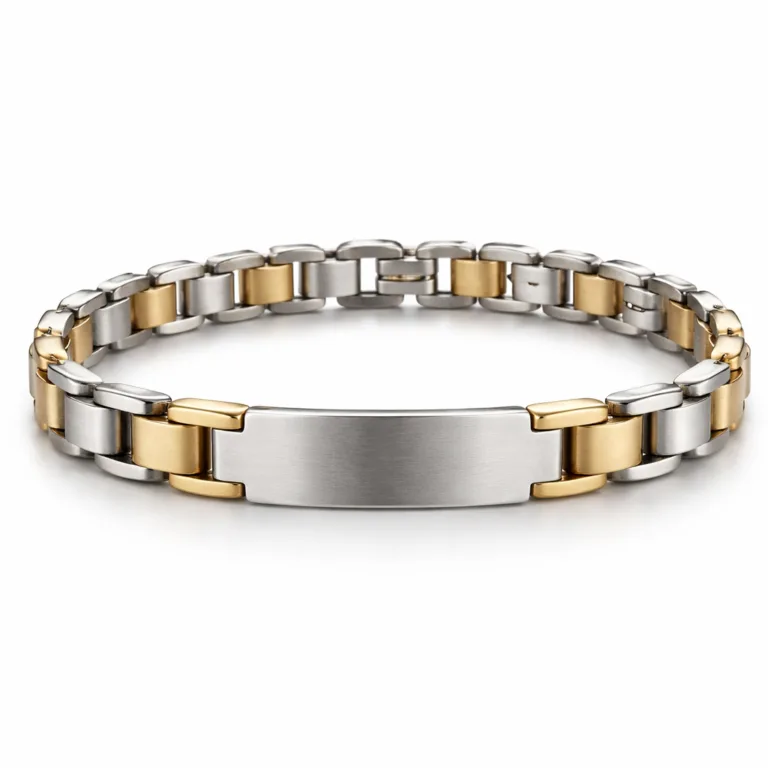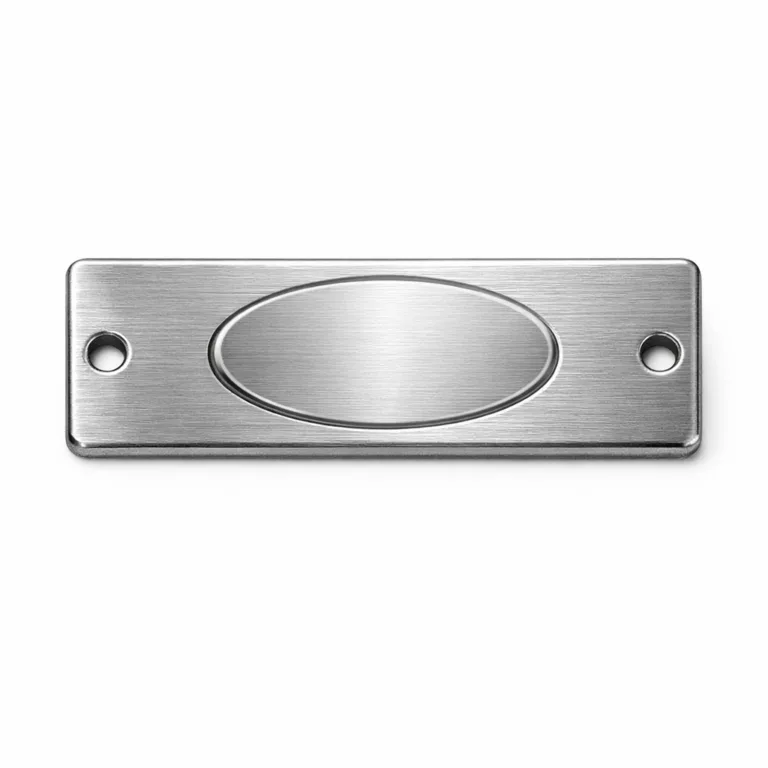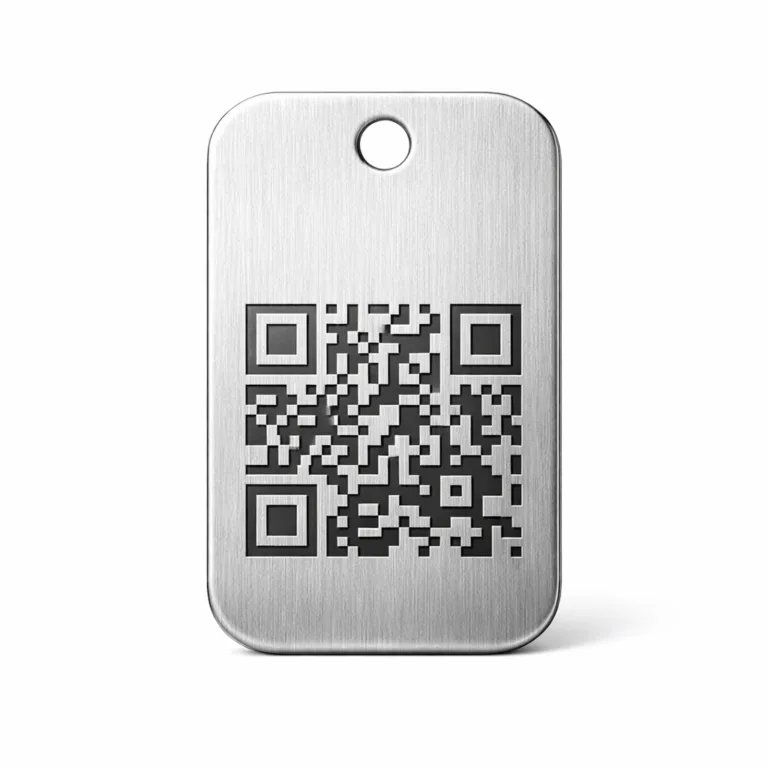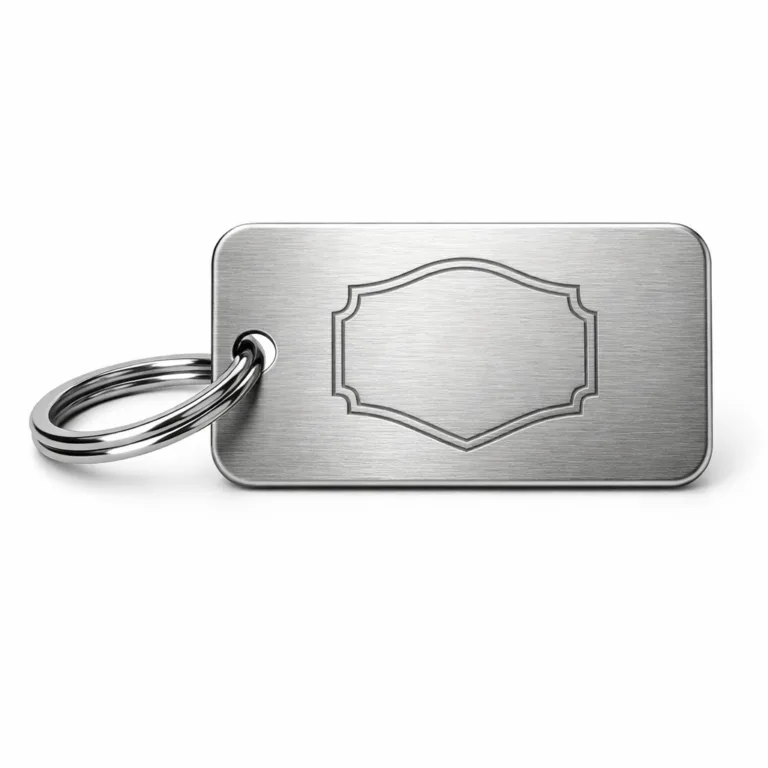
Introduction to Minimum Order Quantities (MOQs)
The minimum order quantity, often abbreviated as MOQ, is a foundational concept in the manufacturing industry. It refers to the smallest number of units a manufacturer will produce or supply in a single production run. For buyers sourcing custom metal tags, understanding MOQ is vital for efficient procurement and cost planning.
Minimum order quantities are prevalent in manufacturing since production involves setup, material acquisition, and labor costs that must be distributed over a batch. If a buyer requests fewer items than the MOQ, it can drive up per-unit costs and strain factory resources. Manufacturers of custom metal tags, including UC Tag, set MOQs to ensure operational efficiency and consistent product quality.
For procurement managers and engineers, MOQs influence timelines, budgeting, and inventory strategies for identification, branding, or asset tracking projects. Navigating MOQs well can streamline sourcing, avoid unexpected costs, and ensure that custom metal tag requirements are met without compromise.
- MOQs ensure manufacturers cover setup and operational costs.
- They promote production consistency and quality control.
- Buyers must plan ahead to align order size with project needs.
Factors Influencing MOQs for Custom Metal Tags
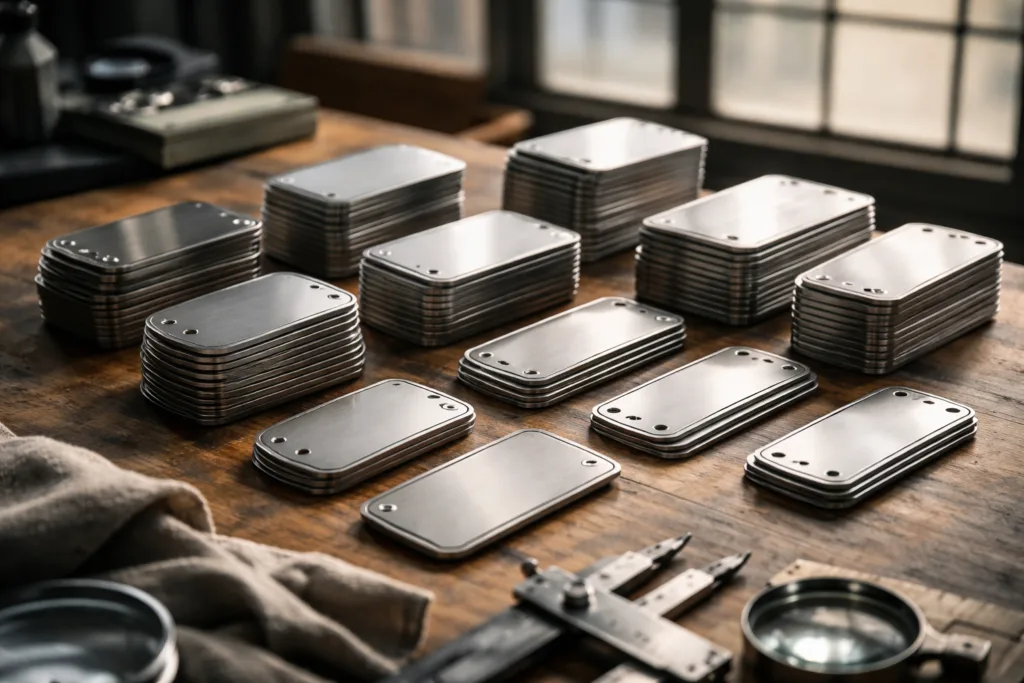
Several core factors impact how suppliers like UC Tag determine minimum order quantity for custom metal tags. Production costs, material availability, manufacturing processes, and design complexity all play pivotal roles. Let’s break them down.
Production Costs and Operational Efficiency
Every production run involves fixed costs: machine setup, tooling, calibration, and cleaning. These remain relatively constant regardless of batch size. When order volume increases, these costs are spread across more units, reducing the price per tag. For small runs, those same costs can make each tag expensive.
Operational efficiency also improves with larger batches. Labor is optimized, machines run continuously, and factories can plan workflows without disruptions. Rain Chen, a veteran craftsman at UC Tag, often remarks that “steady batch sizes keep workflow predictable and quality consistent.”
Material Availability
Custom metal tags usually require materials sourced in bulk, like aluminum, stainless steel, or brass. Vendors typically supply metals in sheets, coils, or blanks—minimums apply both for procurement and delivery. If a buyer requests fewer tags than MOQ, excess material may go unused, increasing waste and costs.
Manufacturing Processes and Volume
Different processes—such as stamping, laser engraving, or chemical etching—have varying batch efficiencies. Stamping, for example, is highly efficient with larger runs. Laser and CNC engraving may allow for more flexibility, but still require a minimum batch to justify machine time and setup.
Design Complexity and Customization
Highly customized tags, such as those with intricate shapes, colored enamels, or unique attachments, can involve extra tooling or process steps. Each additional detail adds preparation and potential material wastage. The more complex your custom metal tag design, the higher the MOQ might be to offset production challenges and ensure finished product consistency.
Advantages of Meeting MOQs
While MOQs may seem restrictive, they bring clear advantages for buyers sourcing custom metal tags. Meeting or exceeding MOQ can unlock operational and strategic benefits.
- Cost savings: Economies of scale mean lower per-unit costs when ordering above MOQ. Setup and material expenses are distributed across a larger batch, making each tag more affordable.
- Inventory management: Larger orders simplify tracking, reduce frequency of reorders, and minimize instances of supply shortages.
- Product quality: When suppliers manufacture in larger quantities, they can run full quality checks, maintain consistent finishes, and apply robust testing standards.
- Supplier relationships: Meeting MOQ fosters trust, negotiation power, and often leads to improved communication. Suppliers may prioritize reliable buyers for future projects.
- Efficiency gains: Over time, streamlined ordering at MOQ enables better forecasting and faster project ramp-up.
Buyers who consistently meet MOQs help manufacturers plan workloads, maintain material stocks, and uphold rigorous quality standards—all contributing to smoother procurement cycles.
Negotiating Minimum Order Quantities with Suppliers
Not every project can accommodate standard MOQs for custom metal tags. Practical negotiation strategies can unlock greater flexibility, especially for smaller teams or companies entering a new market.
Clear Communication of Needs
Start by sharing your exact requirements and constraints with the supplier. Explain desired specs, timelines, and project goals. Transparent conversations often help manufacturers adjust minimum order quantity or suggest tailored solutions.
Combined Orders and Partnerships
Explore combining orders with related departments or partners. Mixing tag types or collaborating on a batch can help you reach MOQ thresholds and share costs.
Mitigating Supplier Risks
Offer compromises to balance risk. For example, propose partial upfront payment or allow the supplier to retain unused material for future runs. Some manufacturers may accept lower MOQs if buyers share some production risks.
Leveraging Long-Term Commitment
Commit to multiple orders over time or sign a sourcing contract. Suppliers are more likely to adjust MOQs if they see ongoing business and predictable demand.
Using Relationships for Better Terms
If you have a history with a supplier, leverage that relationship. Suppliers often prioritize loyal buyers who support operational efficiency and product quality. Consider referencing relevant tag solutions like tag solutions to demonstrate familiarity with their range.
Implications of Ordering Below MOQs
Ordering fewer custom metal tags than the minimum order quantity can lead to several trade-offs and challenges, especially for B2B buyers and engineers.
- Increased per-unit costs: Setup, material, and labor are distributed over a much smaller batch, driving up unit price and project expenses.
- Production delays: Manufacturers may prioritize larger orders, resulting in longer lead times and possible scheduling conflicts.
- Compromised quality/specifications: Smaller runs may not include full quality control checks or advanced finishes.
- Limited customization: Highly customized features—such as die-cut shapes or specialty coatings—may not be feasible in low volumes.
- Alternative options: Consider stock items, samples, or simplified designs if MOQ cannot be met. Investigate custom metal tag samples for proof-of-concept before full production.
Ultimately, ordering below MOQ can trigger hidden costs, unpredictable turnaround, and reduced product performance. Planning ahead and weighing alternatives is essential for project success.
Materials for Custom Metal Tags: A Comparison
The choice of material plays a critical role in setting the minimum order quantity for custom metal tags and their suitability for different applications. Key metals—aluminum, stainless steel, and brass—offer unique performance characteristics, price points, and aesthetic options.
| Material | Durability | Corrosion Resistance | Weight | Cost | Branding/Aesthetics | Environmental Suitability |
|---|---|---|---|---|---|---|
| Aluminum | Good | Moderate-High | Lightweight | Moderate | Versatile finishes, color anodizing | Outdoor, industrial |
| Stainless Steel | Excellent | Superior | Medium | High | Polished, brushed, matte | Marine, chemical, food-grade |
| Brass | Very Good | Good | Heavier | Higher | Antique, luxury, warm gold tone | Heritage, branding, awards |
Aluminum is ideal for color branding and lightweight needs, stainless steel excels where corrosion or wear are concerns, and brass is chosen for its elegant look and premium finishes. Each affects MOQ in different ways: brass may require higher minimums due to raw material procurement, while aluminum and steel offer more flexibility in batch size.
For deeper analysis on material strengths—especially between brass and steel—see Brass vs. Steel Tags: Which Lasts Longer Over 5 Years?.
Manufacturing Methods for Custom Metal Tags
Manufacturing processes directly impact MOQ, lead time, customization options, and cost for custom metal tags. Each method suits different design requirements and batch scales.
- Stamping: Efficient for mass production and robust tag shapes. Requires upfront tools and typically higher MOQs.
- Laser Engraving: Sharp detail, quick turn, suitable for smaller batches. However, still a minimum batch is needed for setup cost.
- Chemical Etching: Perfect for intricate details, moderate volumes, and specialty finishes. MOQs may depend on material and complexity.
- Printing: UV printing unlocks vivid colors and branding flexibility. Lower MOQs possible, but setup costs remain.
Durability and precision vary between methods. Stamping offers unmatched toughness, but laser engraving delivers high-resolution detail. Consider batch size: manufacturing at scale streamlines production while accommodating detailed quality standards.
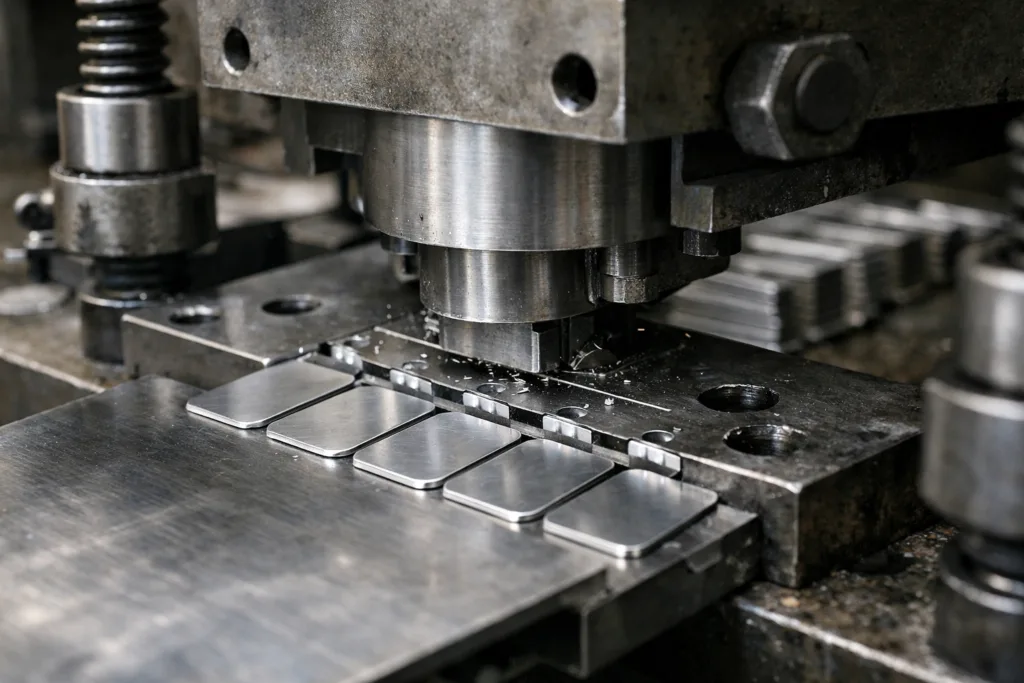
To master laser versus mechanical engraving, check Metal Tag Marking Showdown: Laser Engraving vs. Diamond Drag.
Design and Specification Checklist for Custom Metal Tags
Proper design and specification prevent production delays and cost overruns. Engineers and procurement managers should review this checklist before confirming their custom metal tag order:
| Design Element | Consideration |
|---|---|
| Size | Measure for fit, readability, and attachment |
| Thickness | Balance strength versus weight; see metal line weight & tensile |
| Shape | Custom outlines require precise vector art files. See vector art guide |
| Finish | Choose anodized, painted, brushed, or bare metal for environment and branding |
| Attachment | Specify rivet holes, adhesive, cut-outs or custom slots |
| Readability | Confirm minimum font size and contrast; see font size engraving guide |
| Tolerance | Set dimensional tolerance for consistent runs |
Thorough planning ensures manufacturers can meet your MOQ, maintain quality, and deliver tags fitting exact project needs. If unsure about vector files, review expert insights on costly design mistakes.
Ensuring Durability Through Testing and Quality Control
Durability is a cornerstone for custom metal tags, especially those exposed to harsh environments. Comprehensive testing and quality control processes validate performance and longevity against corrosion, abrasion, and UV exposure.
Corrosion, Abrasion, and UV Testing
Standard tests include salt spray for corrosion resistance, abrasion cycles for wear, and UV light exposure checks for colorfastness. Outdoor tags—such as asset labels or industrial ID plates—must pass rigorous standards to prevent rapid degradation.
Industry Standards and Applications
Tags destined for food-grade, marine, or chemical settings may require certifications and heightened testing. For example, food applications often specify stainless steel, while marine tags demand exceptional rust-proofing. For practical strategies, see rust proofing for humid environments.
Quality Control Throughout Manufacturing
Manufacturers such as UC Tag implement checkpoint inspections through production: verifying dimensions, finish, mounting options, and legibility. This reduces defects and ensures batch-to-batch consistency.
Examples of Successful Testing
Asset tags used on construction equipment pass abrasion and weathering tests, while luxury branding tags are validated for finish and color retention. Quality control is a shared responsibility—buyers should confirm testing protocols before project launch.
Industry Applications for Custom Metal Tags
Custom metal tags serve diverse roles across industries, each with unique requirements and use cases.
- Industrial: Asset tracking, machine identification, safety and compliance labeling.
- Commercial branding: Logo plates, luxury packaging, promotional tags tailored for brand differentiation.
- Logistics: Tracking parcels and luggage tags for travel and shipping (learn more at luggage tag manufacturer).
- Automotive: VIN plates, serial number tags, and performance badges.
- Agriculture: Equipment ID tags, inventory management plates.
- Safety and compliance: Inspection tags, regulatory marking, and fire safety plates.
Successful implementations range from rugged machine tags with batch serial numbers to luxury bottle neck tags in wine branding. Each application benefits from clear specifications aligned with industry standards for durability and compliance.
Common Mistakes and Troubleshooting in Metal Tag Orders
Even seasoned buyers can encounter issues when ordering custom metal tags. Avoiding common mistakes helps ensure smooth production and lasting results.
- Poor readability: Using fonts below minimum size or insufficient contrast; reference font size guide.
- Incorrect attachment method: Selecting adhesives or mounting holes unsuitable for tag application.
- Underestimating environment: Not accounting for moisture, salt, UV, or abrasion, leading to premature corrosion or peeling.
- Imprecise specifications: Vague drawings or missing dimensions can cause tooling errors.
- Quality assurance lapses: Failing to review proofs or test samples before mass production.
Implementing thorough design checks and communicating clear requirements will prevent most order errors. Leverage prior manufacturing experience—like Rain Chen’s shop-floor advice: “Check every spec before finalizing, especially on custom shapes and material gauge.” For troubleshooting tips, see 5 Costly Design Mistakes That Stall Your Custom Tag Order.
Ordering Guide for Custom Metal Tags

A streamlined ordering process for custom metal tags begins with clear project assessment and supplier communication.
Determining Your MOQ
Review project scope, tag purpose, material selection, and customization needs. Evaluate whether your estimated batch meets the minimum order quantity, considering cost implications and lead time.
Lead Time and Planning
Plan ahead for production windows. Setup, material sourcing, and manufacturing take time—communicate deadlines early. Reference tag solutions for order planning tools.
Artwork and Proofing Requirements
Submit vector files and high-resolution artwork. Proofing helps prevent errors—request standard samples or custom metal tag samples if unsure.
Packaging Options
Select packaging suited to your tags: bulk boxes, individual sleeves, branded kits. Custom packaging may increase MOQ; clarify needs in advance.
Shipping Considerations
Choose shipping methods based on order size and fragility. Large batches benefit from pallet transport, while delicate tags may require foam or hard-shell packaging.
Frequently Asked Questions
What factors contribute to determining MOQs?
MOQs are shaped by production setup costs, material procurement, process efficiency, and design complexity; all play a role in batch minimums for custom metal tags.
Can I get a sample below the MOQ?
Most suppliers offer samples or proof units below MOQ for testing or approval, but full customization may be limited; ask about standard samples or demo runs.
What steps can I take if I need fewer tags than the MOQ?
Negotiate with the supplier about combining orders, simplifying features, or accepting a smaller run at a higher unit price; stock tag options can also help.
Are there alternative products if I can’t meet the MOQ?
Yes, suppliers often supply pre-made stock tags or simpler custom options requiring less setup, making low-volume orders more feasible.
How does material choice affect MOQ?
Some materials—like brass and stainless steel—require minimum procurement quantities from upstream vendors, raising the MOQ for highly customized or non-standard tags.
What if there is a design change after the order?
If the order hasn’t entered production, changes may be possible but could increase cost, lead time, or require resetting MOQ; always review proofs before confirmation.
Related Reading
- Avoid Production Delays: Common Design Mistakes in Custom Tag Orders
- Material Lifespan Comparison: Brass vs. Steel Tags in Real-World Wear
- Selecting Your Marking Method: Laser vs. Diamond Drag Engraving for Metal Tags
- Choosing the Right Gauge: Mastering Thickness for Durable Industrial Tags
- Ensure Legibility: Expert Guide to Minimum Font Sizes for Engraved Metal Tags
- Achieve Precision: Why Vector Art Files Are Essential for Custom Molded Metal Tags