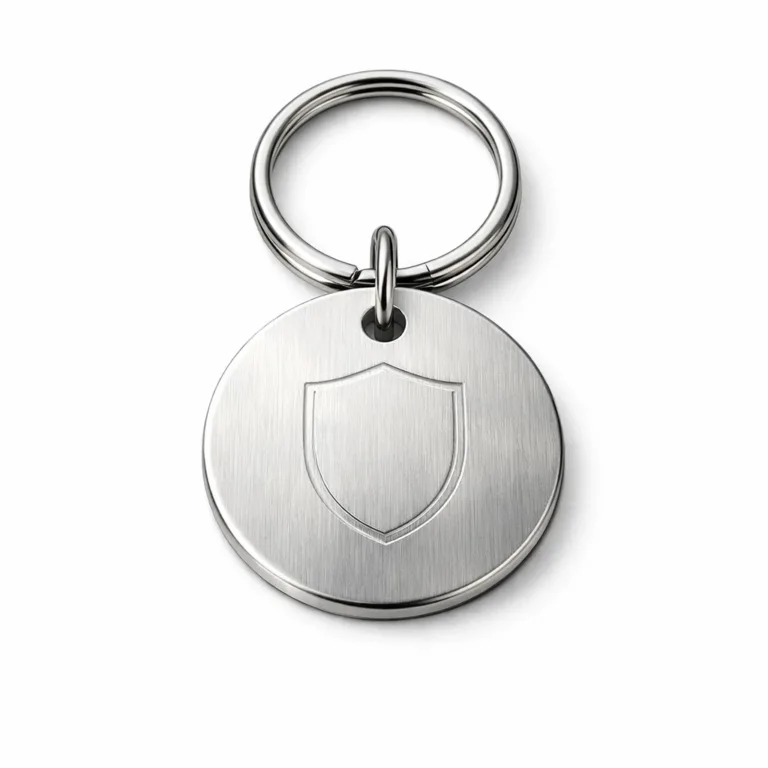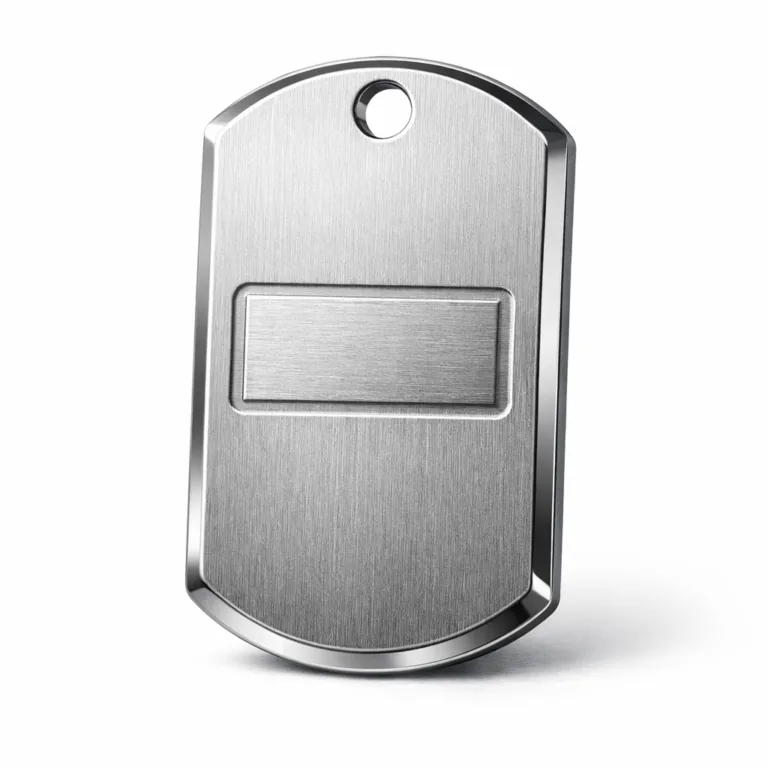
Introduction to Metal Line Weight and Tensile Strength
Understanding the limits of how thin metal lines can go before losing strength is critical for designing durable tags and components. The term metal line weight refers to the thickness or width of a line created in or from metal during manufacturing, whether it’s a cut, raised, or engraved detail.
Closely related is tensile strength, which is a material’s ability to resist breaking when pulled apart. The interplay of metal line weight and tensile strength is what determines how fine you can design parts—like the lines on a nameplate or the arms of a cut-out logo—without risking breakage in daily use. This balance becomes even more important for engineers and B2B buyers seeking solutions that prioritize both detail and durability in physical tags.
Several factors shape this relationship: the specific metal used (aluminum, stainless steel, brass, or even titanium), the environmental challenges the tag will face (like humidity, chemicals, or UV light), and the chosen manufacturing technique (stamping, engraving, etching, or printing). Applications range from micro-detail branding and industrial asset tags to luggage, pet, and product ID tags, each demanding a custom approach. In this article, we’ll break down material comparisons, process options, testing methods, and real-world design tips—so you can choose the right metal line weight for your project’s demands without sacrificing aesthetics or performance.
Understanding Materials: Aluminum, Steel, Brass, and Beyond
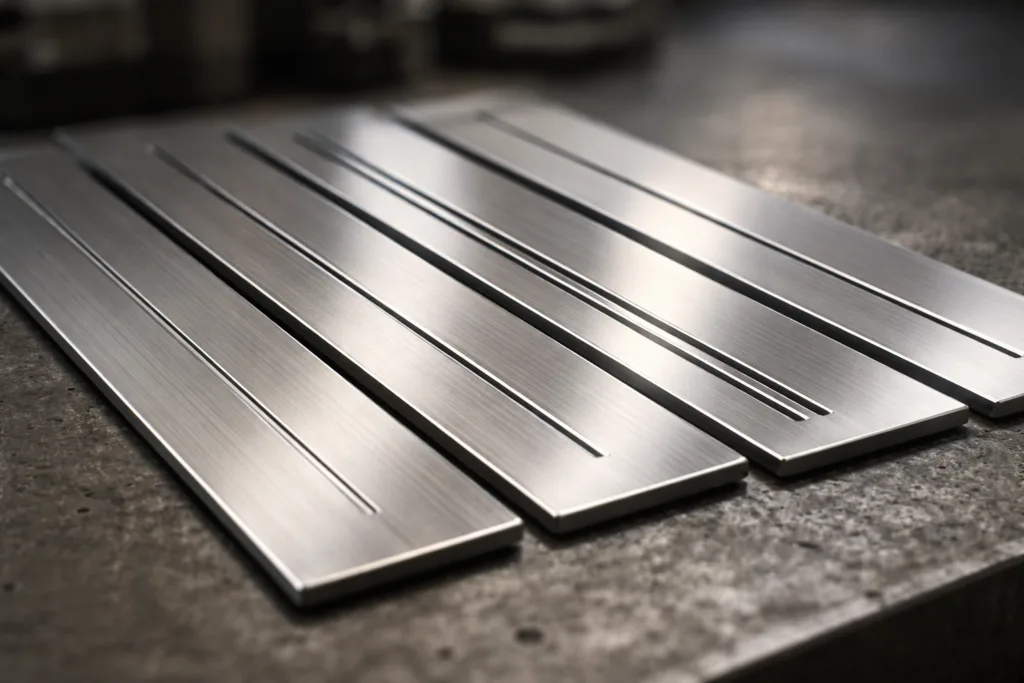
Choosing the right metal is the foundation of any tag or branding project, as it sets the baseline for tensile strength, corrosion resistance, and the thinnest practical line weight you can safely specify. Let’s consider the three most widely used materials: aluminum, stainless steel, and brass.
Aluminum is popular for its low density, giving you a lightweight yet fairly strong tag. Its natural oxide layer protects against corrosion, making it well suited for outdoor use, but its tensile strength (typically around 90–190 MPa for common alloys) is moderate. When specifying thin lines, aluminum may require a slightly higher line weight than steel to avoid deformation or bending, especially if the line is unsupported.
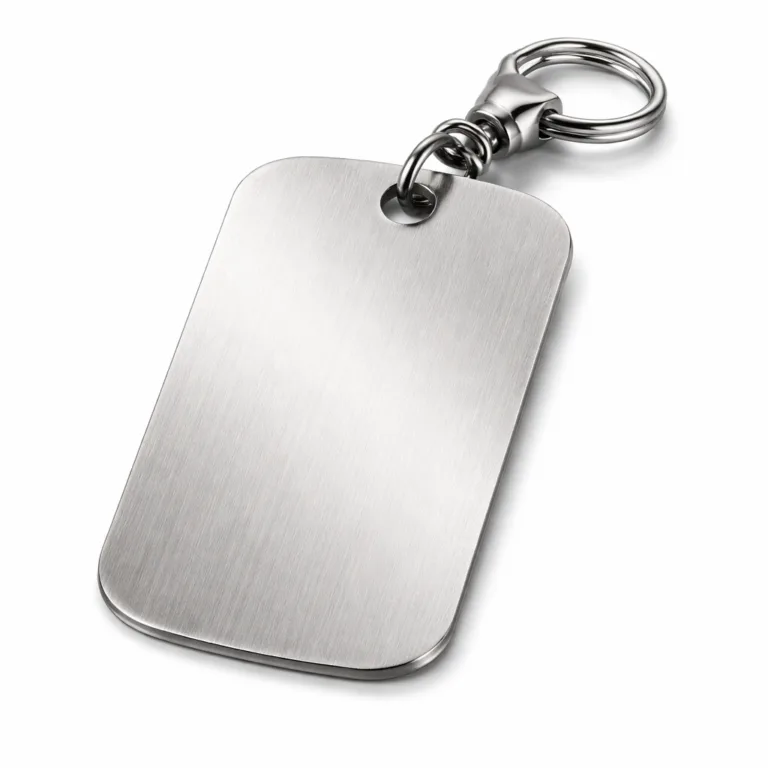
Stainless steel is the go-to for applications that require high durability. Depending on grade (like 304 or 316), its tensile strength ranges from 485–800 MPa or more. This high strength means finer lines are possible, and the material will resist bending and fracture. Stainless steel also holds up well under repeated harsh conditions (abrasion, cleaning, impacts), so it is a top pick for asset tags and outdoor branding, as seen with heavy-duty luggage tag options from UC Tag.
Brass offers moderate tensile strength (around 250–500 MPa) and a warm, classic appearance. It’s chosen when aesthetics take priority but still delivers solid performance for everyday tags. However, brass lines must be slightly thicker than those in steel to prevent permanent bending in high-use applications.
Beyond these, specialist metals like titanium (high tensile, ultra-light, corrosion and temperature resistant) and copper (softer, but can add a luxury accent) may be used for unique requirements or design effects.
The table below compares key properties and how each material’s thickness impacts their suitability for fine line detailing:
| Material | Tensile Strength (MPa) | Corrosion Resistance | Visual Appeal | Min. Line Weight (Typical, mm) |
|---|---|---|---|---|
| Aluminum | 90–190 | High | Modern, clean | 0.30 |
| Stainless Steel | 485–800+ | Very high | Industrial, timeless | 0.15 |
| Brass | 250–500 | Moderate | Classic, premium | 0.20 |
| Titanium | 900+ | Exceptional | Technical, high-end | 0.10 |
Ultimately, the smaller the metal line weight, the more crucial tensile strength becomes in keeping your tag functional and unbroken under load. Higher strength materials, like steel and titanium, allow for extreme design details—but usually come at a higher material and processing cost compared to aluminum or brass. Weighing these trade-offs is central to the specification process.
Manufacturing Methods and Their Implications on Line Weight
The way metal lines are created dictates not only visual sharpness but also the achievable line weight without compromising strength. The most common techniques are engraving, stamping, etching, and UV printing. Each method affects durability, cost, and precision in its own way.
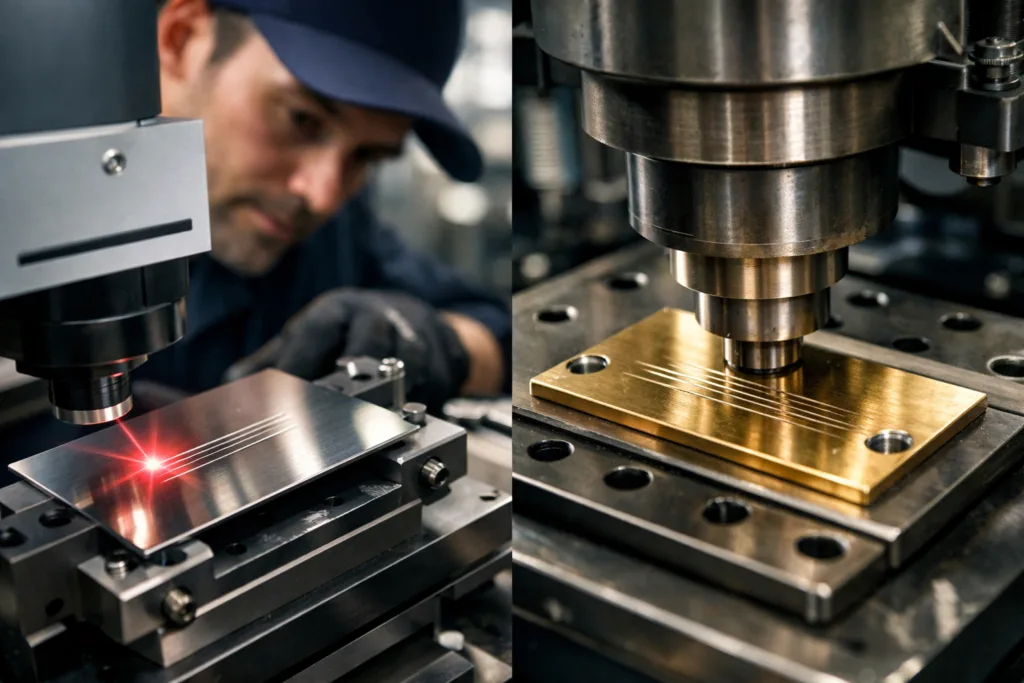
Engraving can be performed mechanically (CNC, diamond drag) or with lasers. It produces deep, precise lines with clean edges that resist wear. Fine line work is possible, but the process can stress thin metals if not supported—a key concern for micro-engraved aluminum tags or slim steel nameplates. For maximum detail, see UC Tag’s micro-text ID dog tag approach, which optimizes settings for depth without jeopardizing integrity on thin stock.
Stamping (emboss, deboss, or cut-out) is highly efficient for mass production and offers excellent repeatability. Because the process uses force, thin lines may deform if the material is too soft or line weight is specified too low. High-tensile metals like stainless steel tolerate this best, allowing thinner stamped lines as seen with deep stamped dog tag and luggage tag products.
Etching (chemical or photo-etching) enables extremely fine detail by removing metal without mechanical pressure, reducing the risk of warping. However, etched areas are shallower, which could impact long-term visibility on high-wear tags. If etched lines are specified too thin, they may become unreadable over time or could fail when subjected to impacts.
UV printing and other surface-only methods (like dye or enamel filling) are excellent for adding color and intricate graphics, but the actual metal line weight below the print determines durability. While you can “draw” ultra-thin lines in ink, these are visually fine but lack physical strength and are best limited to non-structural applications.
- Engraving: great for durable details, best for moderate to thick materials
- Stamping: fast, sharp detail, suited for high-tensile metals and mass production
- Etching: superior for visual complexity but must be balanced with usage conditions
- UV Printing: ideal for color, but doesn’t add physical strength to fine lines
Overall, selecting the optimal manufacturing method is about matching the design’s visual intent with the physical performance needs—and understanding the cost differences. Precision processes like etching and laser engraving are generally more expensive but open more avenues for extreme metal line weight design. For a practical comparison of engraving versus stamping for metal tags, see this in-depth guide from UC Tag.
Design Considerations: Aesthetic vs. Structural Integrity
Visual appeal often drives creative tag design, but aesthetics must always be balanced with the underlying structural requirements dictated by metal line weight. Making a line too thin—just to achieve an ultra-minimalist look—can lead to cracks, bends, or complete failure in real use, especially if the line is exposed or part of a cut-out.
Thin designs are especially valued in luxury branding, jewelry tags, high-contrast logo tags, or art projects, where lightweight elegance and sharp detail are prized. Still, every application has a minimum viable line weight, depending on size, attachment method, and environment. For example, a cut-out script logo for a luggage tag must withstand handling and, for that reason, requires thicker lines compared to an indoor decorative emblem.
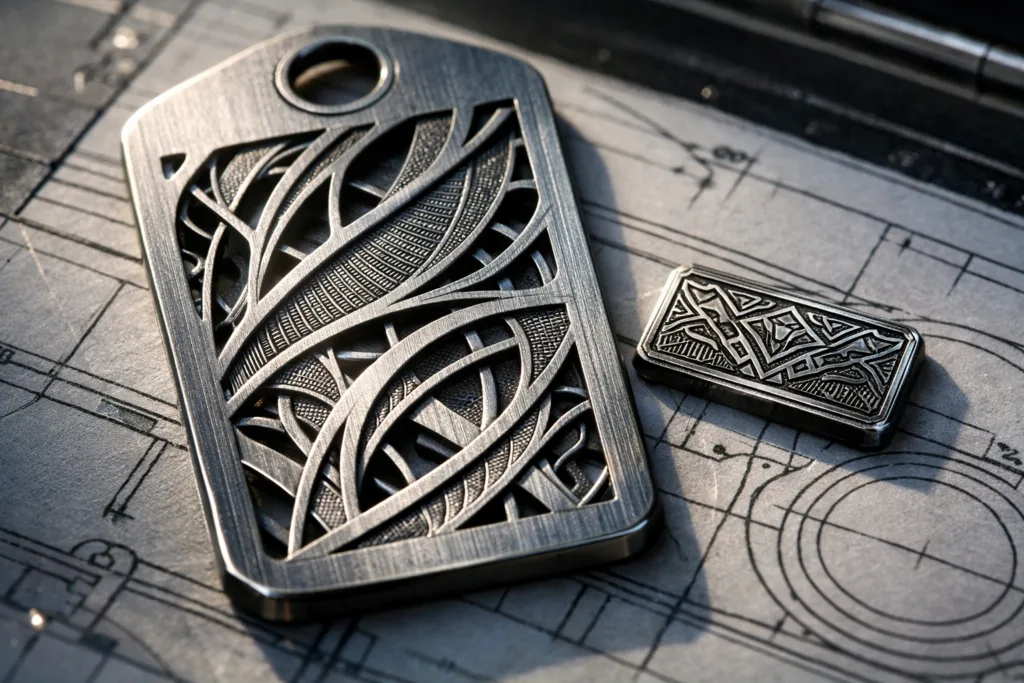
Successful designs consider not only the thinnest line possible but also how line direction, shape, and material distribute forces. Strong metals (like steel or titanium) may allow exquisite cut-outs or pierced patterns even at minimal line weights, while softer alloys need extra thickness.
Branding can also influence minimum line thickness. For example, if a brand requires a unique script font or intricate border, production trials may be necessary to dial in the lowest safe metal line weight for that font or style—balancing uniqueness with mechanical survival. UC Tag’s experience shows that iterative prototyping, especially for new logo shapes, consistently prevents failure in mass production.
Durability and Testing: Ensuring Performance
Specifying a strong tensile strength metal and setting an adequate line weight are not enough on their own—tags and components must face durability testing to verify they’ll perform in their final environment. Environmental threats such as corrosion (from humidity, salt spray), mechanical abrasion, UV degradation, and sudden impacts all affect long-term survival.
Common tests include pull tests (measuring how much force a line can withstand before breaking), bend/flex tests, corrosion resistance tests (such as salt spray for marine or outdoor tags), and UV chamber testing. Tag designers often also conduct abrasion resistance checks to ensure engraved or etched lines remain readable over years in tough scenarios. Procedures are sometimes adjusted for different materials; for example, anodized aluminum is much more corrosion-resistant than uncoated brass, so gets a longer outdoor lifespan.
Industry standards (like ASTM, MIL-SPEC, and ISO certifications) are used to define and validate performance for metal tags. Manufacturers and procurement teams should refer to these when setting minimum thickness and test requirements. As a rule of thumb, most industrial applications recommend line weights no thinner than 0.2 mm in steel and 0.3 mm in aluminum for structural areas, as seen across tag solutions from UC Tag and other producers.
Long-term performance isn’t just about surviving the initial install—real-world monitoring and periodic inspection are necessary to catch early signs of weakness before failure occurs. Reviewing test data and maintaining close communication with your manufacturer about usage feedback will extend tag lifespan and safety across industrial or commercial installations.
Industry Applications: Where Thin Lines Make an Impact
While pushing the limits of metal line weight poses risks, doing so can create powerful results in the right applications. Designers, engineers, and procurement teams need to understand where ultra-thin lines are not only feasible, but can give a project or product a market advantage.
In the art world or metal sculpture, thin lines allow for lightweight, floating designs or complex silhouettes not achievable in other media. Modern branding benefits from high-resolution logo tags or serial number plates with micro-scale detail, as seen with micro-detail logo tag solutions. Here, the ability to shrink line weight reinforces the brand’s modernity and attention to precision.
Precision engineering and electronics often require fine linework—think tiny cut-outs in metal mesh, vented panels, RFID shielding, or QR code plates for machine-readable tagging. Expert guides emphasize that both line weight and metal grade must be balanced for reliable scanning and functional longevity. Specialized manufacturing, such as photo-etched bookmarks or machine ID tags, will use the smallest line weights just above the breakage threshold specified by tensile strength material data.
Other unique requirements include fashion and garment tags, luggage and accessory branding, and luxury packaging, where both feel and durability are paramount. Each application has its own checklist—will the tag get tugged or bent? Will it face weather, chemical cleaners, or mechanical impact?
By understanding where thin lines work and where to build in extra margin, procurement teams can push creative boundaries while still delivering products that last. For the finer points of minimal tag design, minimalist slim luggage tag options are good references for practical metal line weight engineering.
Common Mistakes to Avoid in Metal Tag Specifications
Even seasoned specifiers can fall into common traps when determining line weights and material choice for custom tags or components. Ignoring tensile strength versus design requirements can result in costly rework or premature breakage on site.
One major misstep is assuming that all metals perform the same at similar thicknesses—aluminum cannot be made as thin as steel without risking bending, and brass may pit or wear faster if placed in an industrial setting without proper finishing.
Another frequent pitfall is selecting a manufacturing technique (such as deep stamping or aggressive cut-out) unsuited to the chosen metal and desired line weight. Engraved details work well for steel but may deform in softer alloys. Not considering environmental threats—like water, salt, high temperatures, or abrasion—can also doom a tag to failure, especially if left uncoated in outdoors or exposed to frequent handling.
Designers sometimes prioritize visual thinness, unwittingly sacrificing readability. Line weights below 0.15 mm—even if technically feasible—may become illegible or disappear entirely after years of wear. This mistake is especially common in small serial numbers or micro text QR code tags. For expert advice on achieving both legibility and durability, see the Font Size Guide for Metal Engraving.
Design & Spec Checklist for Metal Tags
To avoid costly mistakes and guarantee a successful end product, follow this practical checklist for specifying metal line weight, finishes, and functional features for metal tags:
| Criteria | Recommendation |
|---|---|
| Material Type | Match tensile strength to minimum line weight required by application |
| Thickness/Line Weight | Use 0.15 mm or above for steel; 0.20 mm or above for brass; 0.30 mm or above for aluminum |
| Finish/Coating | Opt for anodizing, plating, or powder coating for harsh conditions or outdoor use |
| Attachment Method | Account for hole size/placement or select adhesive (e.g., 3M) based on install environment |
| Readability | Specify minimum font size and line weight for engraved or stamped features; consider high-contrast finishes |
| Tolerances | Allow ±0.05 mm for fine detail; tighter for functional fits |
- Gather all logo/vector artwork as required—avoid pixel images for best production quality.
- Request proof samples before starting full batch production.
- Ask for durability data if your application involves outdoor or high-wear conditions.
- Review minimum readable size for codes or serials (consult design guides as needed).
Ordering Guide: From MOQ to Packaging
Efficient project management means understanding how order size, manufacturing method, and communication affect everything from cost to performance—especially when it comes to tensile strength needs. Minimum Order Quantities (MOQs) typically range from 50 for custom prototypes up to 1000+ for mass runs, with smaller MOQs sometimes possible for high-value industrial tags.
Lead times are affected by chosen material, manufacturing process, and factory schedule. Stamping and laser engraving are often faster, while photo-etching, enamel filling, or multi-step plating extend timelines due to batch processing and QA checks. Delays can also arise if artwork is unclear; always provide vector files or technical drawings for the cleanest result. To understand artwork tips, see this expert vector file guide.
Sampling is recommended before launching full production, especially for projects exploring minimal line weights. Many producers provide a range of standard samples or can custom-make pre-production proofs for a nominal fee—see custom sample options for UC Tag.
Finally, packaging and shipping must be chosen to protect fragile, fine-lined tags during transport. Foam inserts, protective sleeves, and rigid outer cartons are standard for high-value or detailed orders. Always confirm packaging needs at quote stage to prevent post-production surprises and maintain order integrity for delivery.
Frequently Asked Questions
What are the best materials for thin metal tags?
Stainless steel and titanium are best for very thin metal tags due to their high tensile strength, but aluminum and brass can also be used if line weights and thicknesses are increased accordingly to balance durability and flexibility.
How does temperature affect metal line strength?
Elevated temperatures can lower tensile strength in most metals, increasing the risk of deformation or breakage, while extremely low temperatures may make materials more brittle; always ask for temperature-specific data for your intended application.
Can I use thinner lines for embossed tags?
You can specify thinner lines for embossed tags when using stronger metals such as stainless steel but avoid going below the recommended minimums, as extremely fine lines may fold, distort, or lose crispness during high-pressure stamping operations.
What are the implications of using anodized finishes?
Anodized finishes on aluminum increase surface hardness and corrosion resistance, enabling slightly thinner lines to be used safely in outdoor or harsh environments, but the metal underneath still determines the core strength.
Is there a difference in strength between engraved and stamped lines?
Stamped lines tend to create slightly stronger features in thicker metals due to cold working effects, while engraved lines offer the sharpest detail but rely more on substrate tensile strength to prevent breakage in very thin sections.
What testing is required to ensure durability?
Durability testing typically includes tensile, bend, abrasion, and corrosion resistance tests, with additional environmental or chemical exposure assessments as needed to simulate your tag’s real-world application over time.
Related Reading
- Unlock Legible Details: How to Choose Readable Font Sizes for Metal Engraving and Stamping
- Laser vs. Diamond Drag: How to Pick the Right Metal Tag Engraving Method for Strength and Detail
- Ensure Scannability: The Expert Blueprint for Creating Reliable QR Codes on Metal
- Photo Etching Secrets: Achieve Crisp, Thin-Line Detailing on Modern Metal Bookmarks
- Tag Solutions Gallery: Compare Material and Finishing Choices Across Use Cases