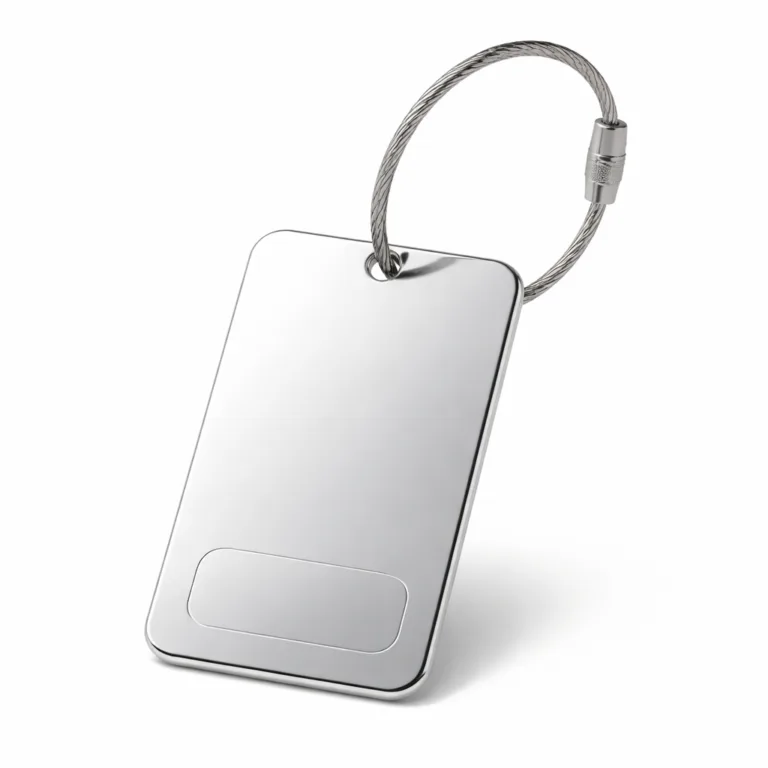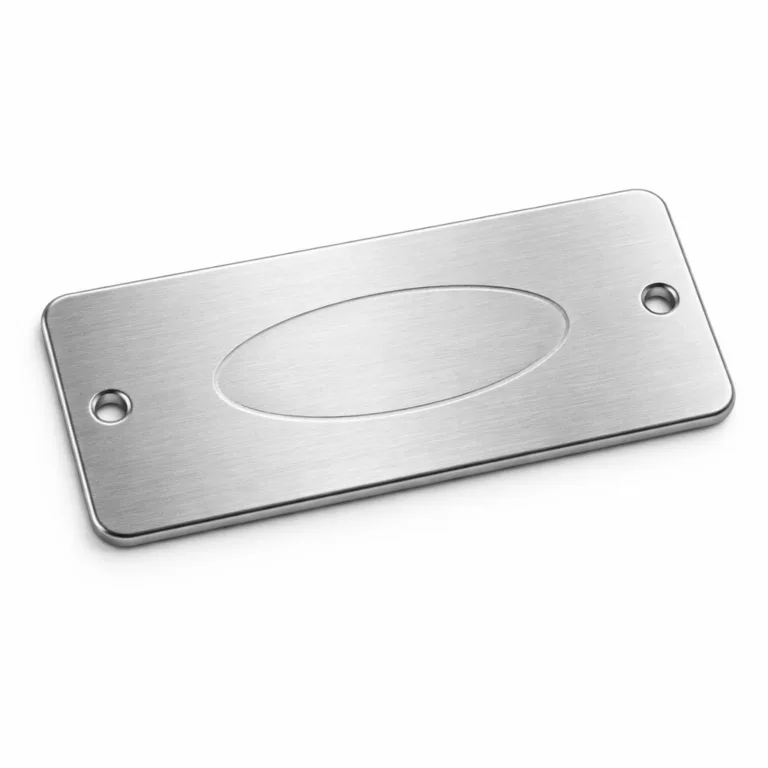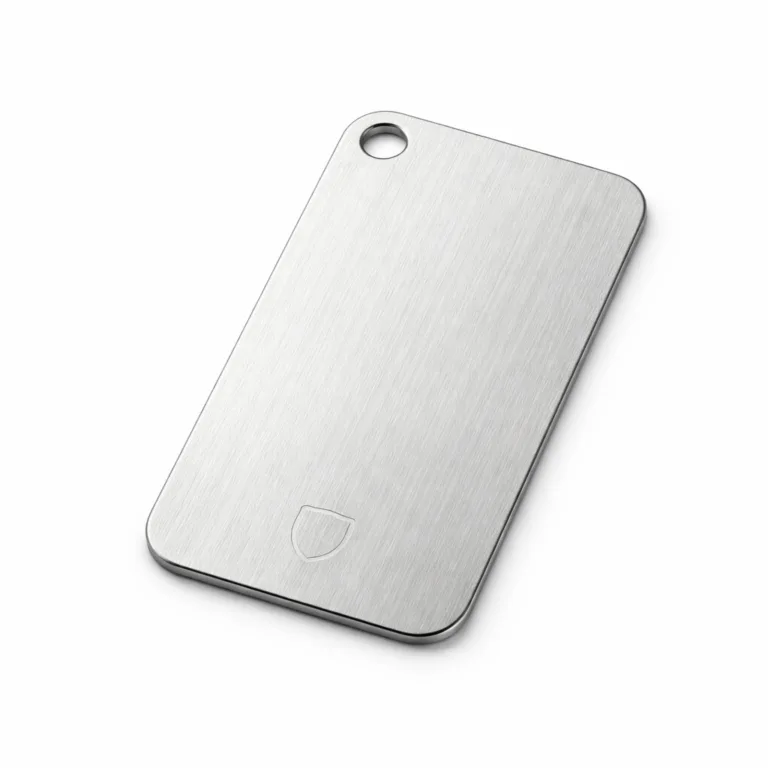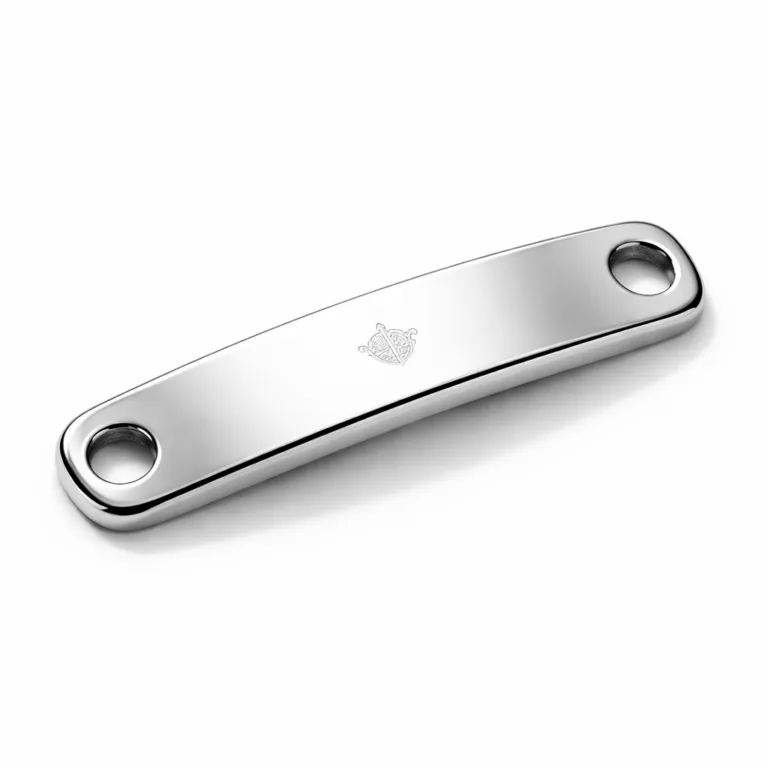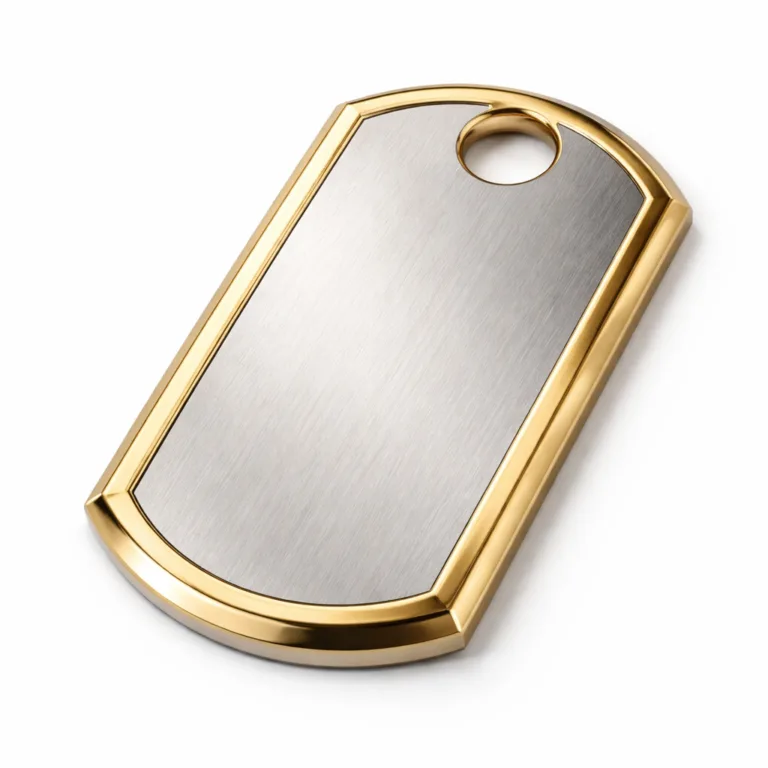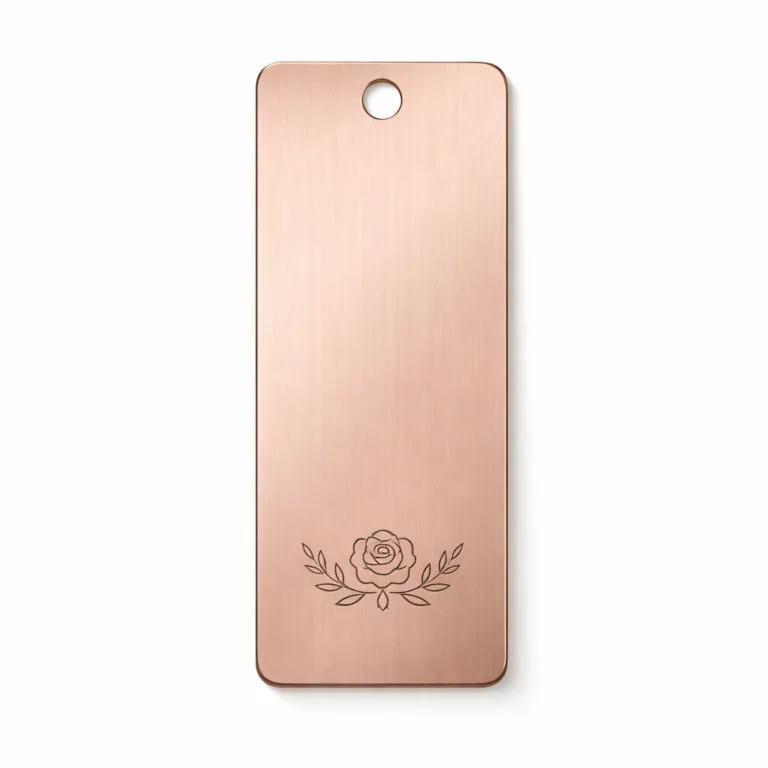
When it comes to creating standout custom metal tags, understanding the relationship between Mockups, 3D Effects, Production, Expectations, Design Process is vital. For procurement officers and engineers, the move from digital concept to physical reality can be filled with surprises—unless expectations are managed from the start of the design process. In this guide, we’ll break down the practical differences between eye-catching mockups and real-life production outcomes on metal tags, focusing on how to clarify vision for all stakeholders involved.
Understanding Mockups and Production
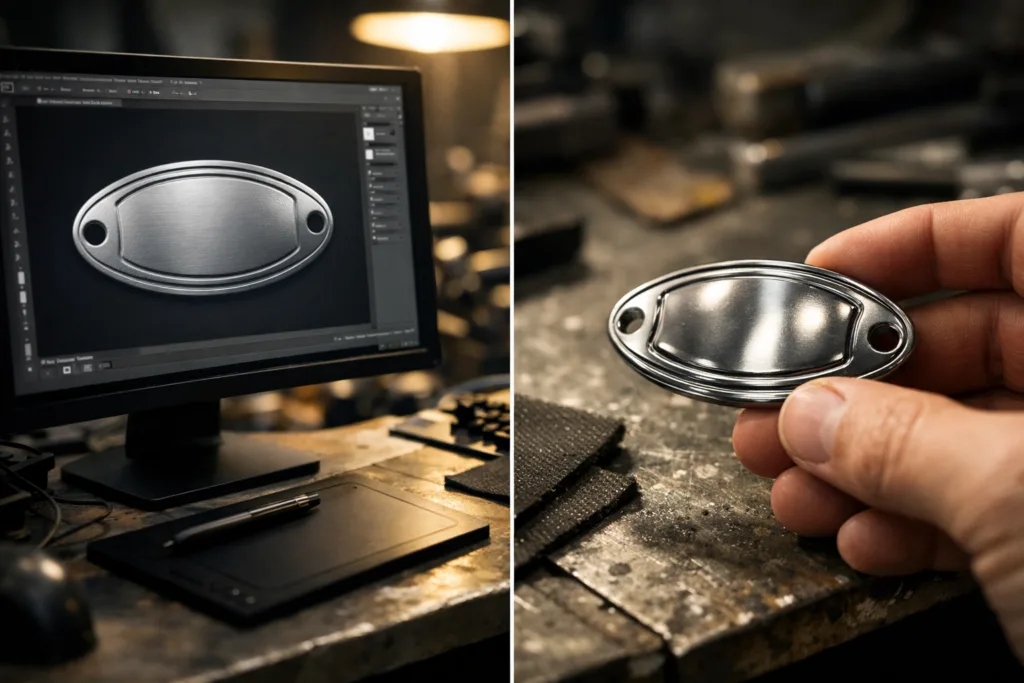
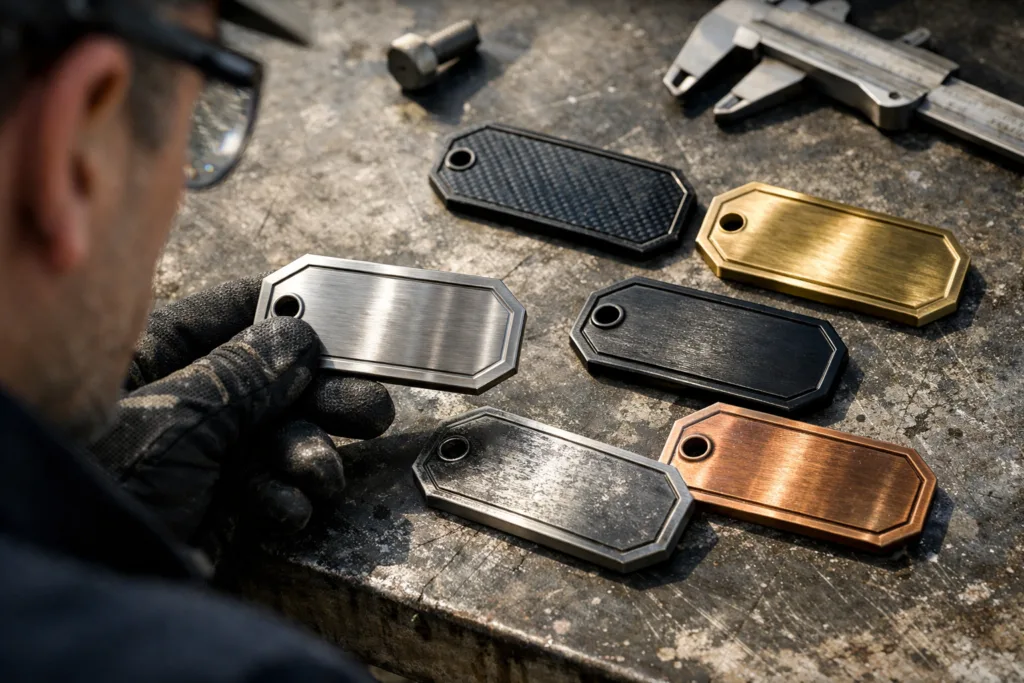
Mockups, in the context of metal tagging, are digital or physical prototypes that provide a visual representation of the final product. They are used early in the design process to communicate ideas, shapes, artwork placement, and the intended use of 3D effects. However, mockups often employ rendering software or rapid prototyping materials that do not always reflect the true properties of finished metals.
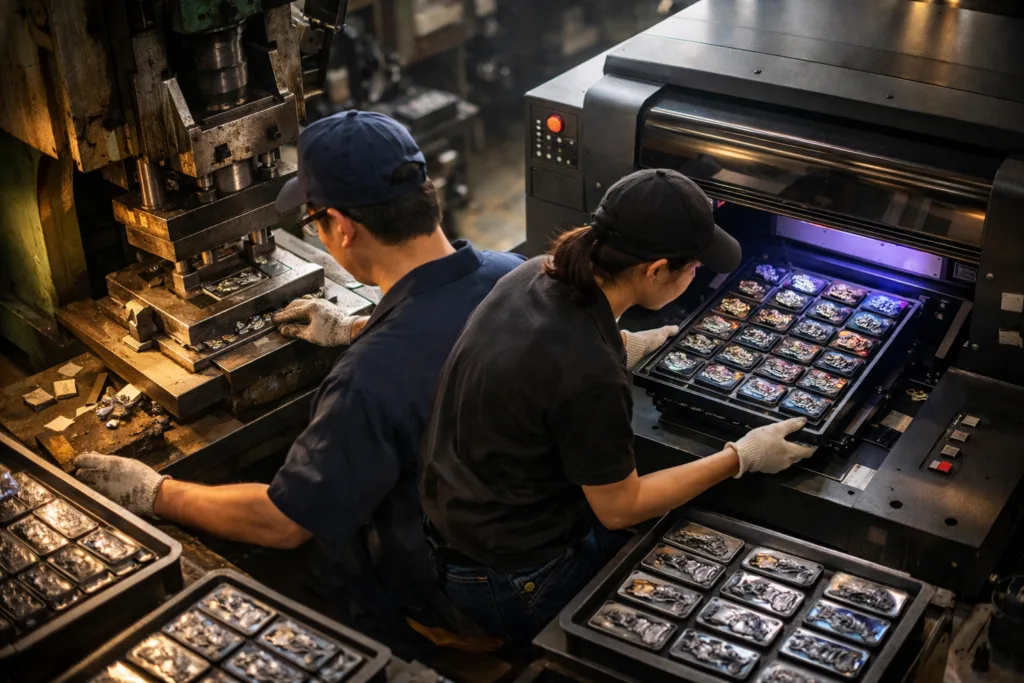
Production, by contrast, refers to the manufacturing stage where the actual tag is fabricated using chosen materials and methods. This step brings the design to life, utilizing processes like stamping, engraving, or laser etching on metals such as aluminum, stainless steel, or brass. Production delivers the long-term durability, texture, and functional readability that end users require in real-world environments.
The significance of 3D effects—such as embossing, debossing, or sculpted relief—cannot be overstated. They enhance both appearance and usability, impacting how branding or identification details are seen and felt. However, it’s common for clients to expect mockups to perfectly mirror the final look and depth of these effects; in reality, lighting, shadows, subtle grain textures, and other variables can cause noticeable differences between mockup and production outcomes.
- Mockups are best considered as directional tools, not absolute promises.
- Production delivers tangible characteristics that mockups can only approximate.
- Managing expectations between these stages is critical to project success.
The Role of 3D Effects in Metal Tags
3D effects are foundational to high-impact metal tags for branding and identification. Raised logos, engraved serials, deep stamping, and multi-layered platings are commonly requested for their ability to turn simple shapes into attention-getting functional assets. Within the Mockups, 3D Effects, Production, Expectations, Design Process workflow, the power of these features lies in both appearance and practical performance.
Here are some of the most widely used 3D enhancements in tag manufacturing:
- Embossing/Debossing: Creates raised or recessed text and logos.
- Deep Stamping: Forms pronounced relief on heavy-gauge tags for tactile branding.
- Chemical Etching: Delivers subtle yet durable surface patterns with variable depth.
- Multi-Stage Plating: Enables dual finishes or contrast-enhancing edges and highlights.
- Sculpted Relief: Adds detailed 3D surfaces for visual impact and premium feel.
The aesthetic benefits of 3D effects are clear—more engaging visuals, enhanced brand presence, and a premium look unmatched by flat designs. Functionally, 3D elements increase readability, support long-term wear resistance, and can be engineered for specific industrial requirements. Industries utilizing these techniques range from high-end retail (luxury luggage and jewellery) to rugged applications like defense, asset management, or outdoor equipment.
It’s important to set accurate expectations: mockups might exaggerate shadow depth or metallic reflectivity. For instance, a digitally rendered deep stamp on a screen may appear ultra-bold, while the real-world version must balance production realities and cost efficiency. During the 3D effects design process, open dialogue between design and manufacturing teams ensures that concepts are grounded in what’s achievable for mass production.
Materials Comparison: Choosing the Right Metal for Mockups and Production
Material choice is a major factor that influences both the look of mockups and the capabilities of the final product in production. The three most common metals in tag manufacturing are aluminum, stainless steel, and brass—each with unique characteristics and trade-offs.
| Material | Durability | Aesthetic Qualities | Mockup Representation | Corrosion Resistance | 3D Effect Compatibility | Example Applications |
|---|---|---|---|---|---|---|
| Aluminum | Good | Bright, lightweight, anodizable in many colors | Mockups often overstate reflectivity; color options easy to visualize | Excellent (especially anodized) | Works well for stamping, engraving, and anodized etching | QR codes, color logo tags, keychains |
| Stainless Steel | Excellent | Subtle matte or mirror finish, high-end look | Mockups might not capture true surface subtleties/reflection | Outstanding | Ideal for deep engraving, etching, and abrasion-resistance | Industrial ID, medical device tags |
| Brass | Very Good | Rich gold tone, develops patina | Mockups rarely anticipate natural aging or color depth | Good (patinas over time) | Suited for embossing, decorative relief, precision detailing | Luggage tags, jewelry, brand plates |
While mockups can illustrate general visual themes, they may not faithfully show brushed grains, changing reflectivity, or the warmth of real brass tones. For example, brass tags for wine brands often take on deeper colors as they age—something hard to depict digitally in a mockup.
Material selection also impacts usability, with stainless steel excelling in harsh conditions, aluminum offering lightweight versatility, and brass providing unique tactile and visual qualities. Rain Chen from UC Tag emphasizes the importance of sampling different materials, especially when a project depends heavily on nuanced 3D effects or long-term environmental exposure. Choosing the right substrate—grounded in clear communication—streamlines the entire Mockups, 3D Effects, Production, Expectations, Design Process journey.
Manufacturing Methods Comparison
Multiple manufacturing methods are available to transform a mockup into a finished metal tag. Common processes include engraving (laser or CNC), stamping, chemical etching, and UV printing—each with specific strengths and design limitations.
Engraving, particularly with lasers or diamond-drag tools, is excellent for precision and durability, making it a top choice for serial numbers and small text. Stamping creates deep reliefs suitable for high-volume, identical parts, but comes with tooling costs. Chemical etching allows for intricate, low-relief designs that cannot be stamped but lacks deep tactile texture.
- Engraving: Delivers permanent detail but typically shallow depth compared to what some mockups suggest.
- Stamping: Excellent for raised (embossed) or recessed (debossed) effects across thousands of parts; initial mold costs apply.
- Chemical Etching: Fine lines and subtle textures, perfect for logo plates; depth is limited versus physical rendering shown in many mockups.
- UV Printing: Enables full-color and gradient effects, complementing 3D surfaces but not adding true relief.
Tooling and setup costs are an important consideration—while a mockup may feature complex textures, actual production might need design simplification to fit the chosen method. For example, a deeply sculpted logo in a digital rendering may be better achieved by die-casting than by etching or stamping. It’s a common misconception that all effects visible on a mockup are practical in mass production; engaging early with your manufacturer will help determine what’s feasible within budget and timeline constraints.
In practice, manufacturing methods dictate whether expectations set by digital previews are met, giving buyers a realistic baseline for the outcome.
Design and Specification Checklist
Careful planning in the design phase is key to a smooth transition from mockups to production. Below is an actionable checklist to help buyers and engineers streamline the Design Process and avoid costly revisions:
- Size and Thickness: Confirm dimensions are practical for both manufacturing and end use.
- Finish: Choose between matte, gloss, brushed, or color-anodized surfaces depending on application.
- Visibility/Contrast: Ensure text and graphics maintain readability against the background color or texture.
- Attachment Methods: Clarify preference for 3M adhesive, rivet holes, magnetic backings, or other mounting options.
- Tolerances: Understand acceptable variances in depth, placement, and cut-out dimensions.
- Environmental Resistance: Specify if tags must withstand chemicals, UV, moisture, temperature extremes.
- Proofing: Review manufacturer-supplied proofs and pre-production samples for accuracy before mass production.
| Specification | Why It Matters | Mockup vs. Production Consideration |
|---|---|---|
| Size/Thickness | Affects durability and usability in end application | Mockups sometimes distort perceived scale; verify real measurements |
| Finish | Impacts aesthetics and corrosion resistance | Digital previews may differ from actual surface reflectivity or color |
| Contrast/Readability | Ensures legibility in all lighting and environments | Mockup background may not match real environment contrast |
| Attachment | Determines installation process and long-term hold | Adhesion or hardware shown in mockup may differ from tested performance |
| Proofing/Sampling | Essential for preventing mass production errors | Critical to align on details not apparent in mockups |
Buyers should always engage with the manufacturer, such as referencing the custom tag samples gallery, to clarify uncertainties and review pre-production proofs—especially for complex or high-visibility projects.
Durability and Testing: Expecting Real-World Performance
Quality expectations for 3D effects in metal tags stretch beyond appearance; real-world performance is proven through durability testing. Key test categories include resistance against corrosion (such as salt spray tests), abrasion (simulated repeated handling), and UV exposure (prolonged sunlight or artificial UV conditions).
Different materials react uniquely under these tests. For instance, stainless steel is virtually immune to rust, while anodized aluminum excels at resisting fading even after years of use outdoors. Brass, meanwhile, develops characterful patinas that may or may not be desirable depending on branding needs. Testing verifies if the finished tags will stand up to harsh industrial sites, transportation vibration, or constant outdoor use—far more than a mockup ever could show.
Certain industries or applications may also require formal certifications—such as UL 969 for label durability or ISO standards for environmental resistance. These certifications are a green light for procurement teams that demanding real-world expectations will indeed be met by the production process. As Rain Chen of UC Tag notes, thorough pre-production sample testing gives clients confidence that their full order will perform to spec—not just look the part on paper.
Industry/Application Fit: Real-World Examples
Custom metal tags with robust 3D effects are highly valued in a range of industries, each demanding practical performance coupled with aesthetic appeal. Here are several real-world applications demonstrating these traits:
- Consumer Branding: Premium luggage brands incorporate custom logo plates using deep embossing for a luxury feel and legible identification.
- Industrial Equipment: Rugged asset ID tags with laser-engraved or stamped serial numbers withstand extreme heat, abrasion, and chemicals—common in factories and transportation fleets.
- Inventory/Asset Management: Companies use QR/barcode metal tags to track tools, electronics, or rental equipment. Durable 3D effects ensure readability even after rough handling.
- Medical Devices: Surgical equipment and implants require stainless steel tags meeting exact hygiene and traceability standards; etched or engraved data resist sterilization cycles.
- Beverage Industry: Wine bottle neck tags in brass add elegance to product lines and highlight limited edition series with dual plating or sculpted motifs.
- Collectibles and Gifts: Sculptural 3D effects elevate bookmarks, medallions, or event tokens—merging function with memorable design.
Successful projects hinge on clear communication of needs, the right match of 3D effects, and realistic approval of physical samples before rollout, ensuring the chosen process aligns fully with industry expectations.
Common Mistakes and Troubleshooting
Even experienced teams run into pitfalls when managing mockups and production for 3D metal tags. Below are some frequent errors and proven solutions:
- Incorrect Text Size: Oversized or undersized fonts, which look clear on mockups, can be illegible or distorted after stamping or etching. Always reference a font size guide calibrated for metal processes.
- Poor Adhesion: Selecting the wrong adhesive or mechanical attachment may cause tags to fall off in real use, even if mockups show secure placement. Request sample mounting tests for validation.
- Low Contrast or Overly Fine Detail: Laser or print processes may not match the tonal contrast mocked up on a computer screen.
- Skipping Proofing Stages: Failing to review pre-production samples can lead to costly mass production errors or customer dissatisfaction.
To avoid these mistakes, set up a transparent review cycle: clarify specs, double-check with the manufacturer, and insist on samples before placing full orders for critical jobs. Addressing issues early in the design process saves time, budget, and reputation in the long run.
Ordering Guide: From RFQ to Production
Navigating from a Request for Quote (RFQ) to finished production requires process awareness and clear communication of Production, Expectations. Here’s a streamlined guide:
- Determine Minimum Order Quantities (MOQ): Different manufacturing methods (like stamping or casting) may require larger volumes for cost-efficiency. Be sure to ask about MOQs in your RFQ.
- Artwork and Proofing: Provide vector-based design files, and carefully review digital proofs. Specify Pantone (PMS) colors and finish types where relevant. For more on the importance of vectors, see why vector art matters.
- Sampling: Request a physical sample, especially for new or complex projects. This sensible extra step bridges the Mockups vs. Production expectation gap.
- Lead Times: Factor in setup, sampling, and shipping. Production for custom 3D tags may run from days to weeks depending on method and quantity.
- Shipping Logistics: Consider global transit times if working cross-border.
- Customization Flexibility: Communicate specific needs up front (e.g., special surface treatments, dual platings, adhesive preferences) to avoid surprises later.
Common pitfalls include misunderstanding minimums, rushing proof approval, or unclear specs regarding finish or attachment. An open line with your manufacturer—and careful documentation of all expectations—ensures a smoother transition from quoting to production and delivery.
Frequently Asked Questions
How closely do mockups match the final production result for 3D effects?
Mockups are informative guides, but real production may show subtle differences in depth, reflectivity, or material finish due to actual manufacturing constraints and lighting conditions.
What is the most durable material for 3D effect metal tags?
Stainless steel typically offers the best durability and abrasion resistance, especially for tags exposed to harsh environments or repeated handling in industrial or medical settings.
Which manufacturing method best recreates intricate 3D mockups?
Die-casting and deep stamping closely replicate complex 3D mockups, while engraving and etching deliver fine details; each method has specific design and volume suitability.
Can I request a sample before full production?
Yes, reputable manufacturers should provide a physical pre-production sample to verify 3D effects, color, and finish accuracy, ensuring your expectations are aligned before mass production.
How do environmental factors impact the longevity of tags?
Corrosive chemicals, sunlight, humidity, and abrasion can affect tag appearance and readability; choosing the right material and finish improves tag longevity and functional performance.
What are the most common mistakes when going from mockup to production?
Frequent mistakes include underestimating minimum text sizes, missing proofs, over-relying on mockups for contrast, and insufficient testing of attachment strength or finish durability.
Related Reading
- Prevent Illegible Tags: Master Font Sizing for Metal Engraving and Stamping
- Stop Production Bottlenecks: The Power of Vector Art Files for Metal Molds
- Boost Tag Value: Creative Benefits of Reverse Pattern Designs
- Vivid Branding Unlocked: Why UV Printing Changes Metal Logo Customization Forever
- Engraving Depth Decoded: Expert Guide to Lasting, Legible Metal Tags
- See Real Tag Results: Explore Custom Metal Tag Samples Before You Order