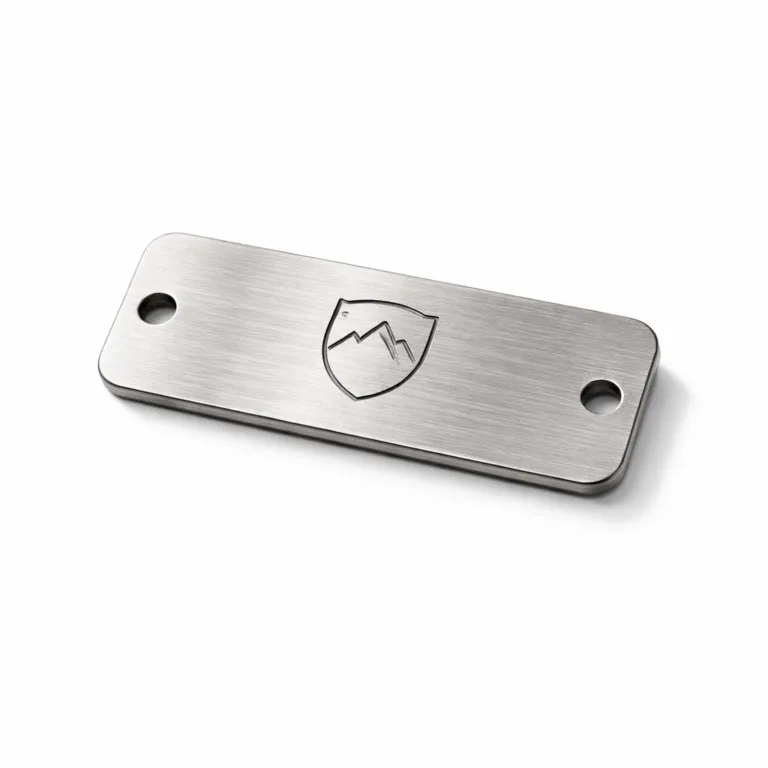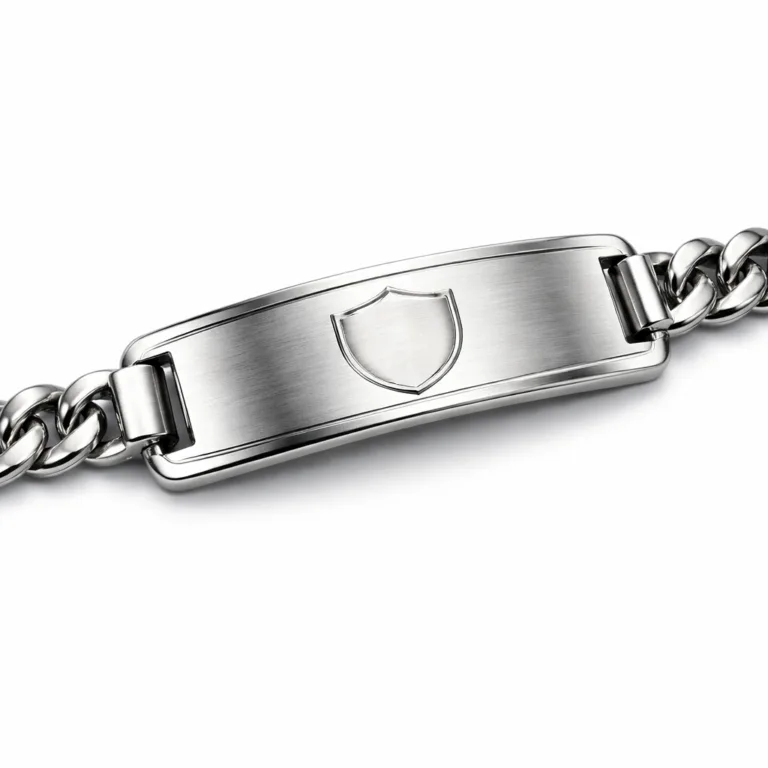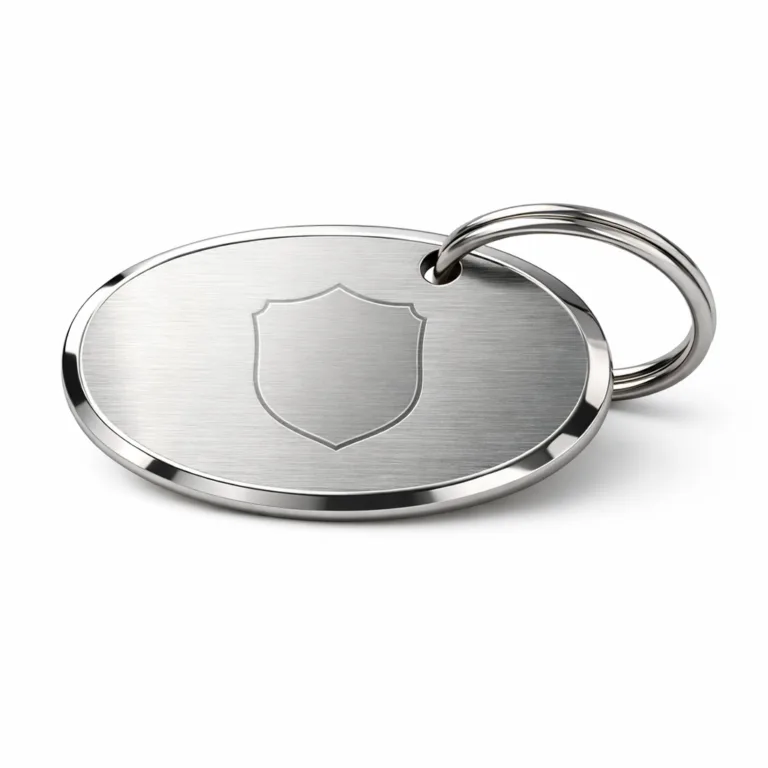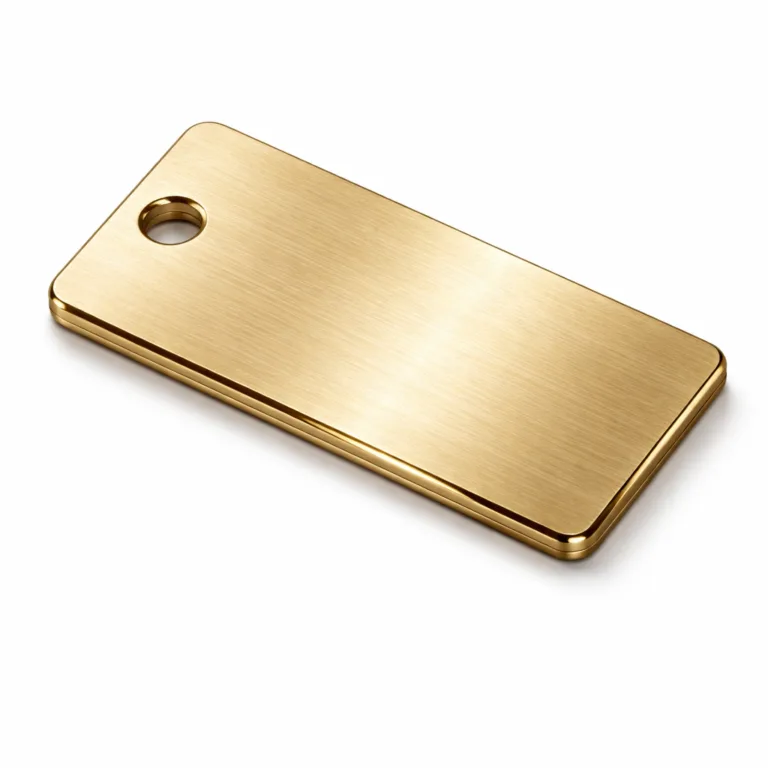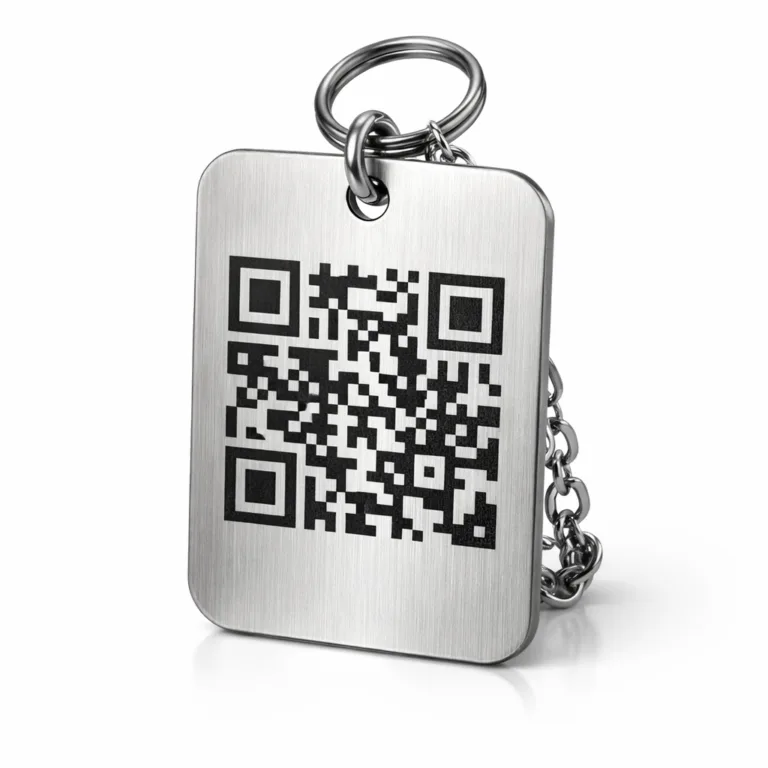
Introduction to Split Rings and Jump Rings
Choosing between split rings and jump rings is more than a matter of preference—it’s a critical decision for securing your metal tags, ensuring durability in harsh environments, and meeting the needs of jewelry making or complex industrial applications. Whether you’re tagging assets, branding equipment, or crafting jewelry, the correct securing option for your metal tags can make the difference between a solution that lasts and one that fails.
Split rings and jump rings are two primary options for attaching tags. Both are circular metal fasteners designed to link your tag to an object, but they offer distinct properties. Split rings look similar to tiny key rings and provide exceptional security, while jump rings are single loops of wire, ideal for ease of assembly. Securing tags properly is crucial for readability, longevity, and peace of mind, regardless of whether your environment is a hot factory or a busy street. This article guides you through the unique features, benefits, and best uses of split rings and jump rings—helping engineers, buyers, and crafters make the right choice for their specific application.
- Learn the differences in structure and strength
- Compare materials best suited for metal tags
- Understand key design and testing factors for durable solutions
- Explore real-world applications in both industry and jewelry making
Key Differences Between Split Rings and Jump Rings
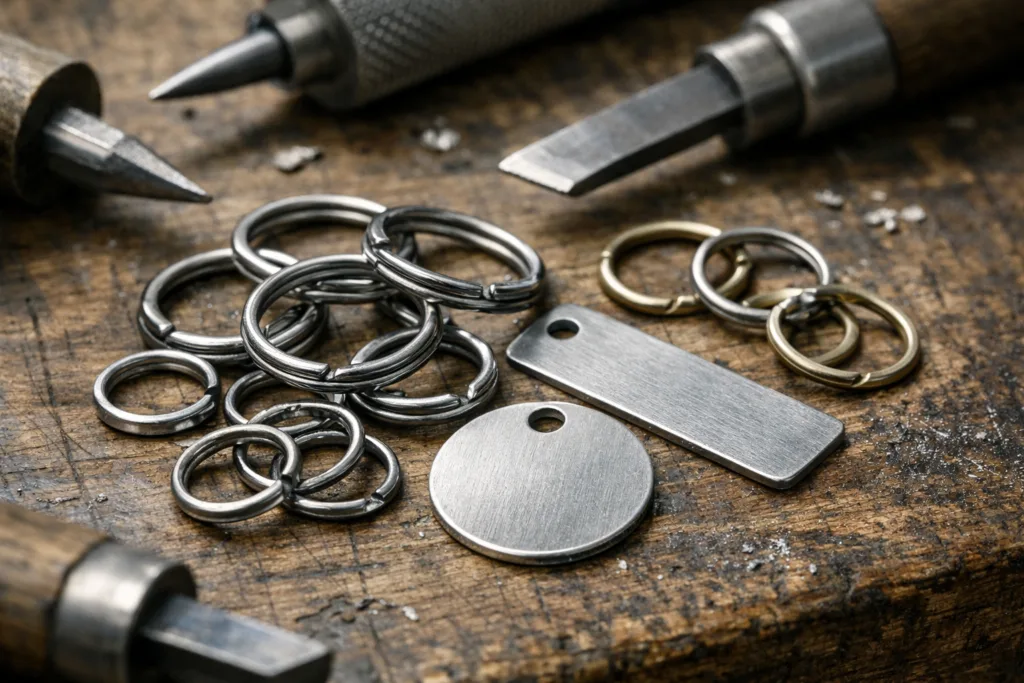
Split rings and jump rings may seem similar, but their construction and performance differ drastically. Split rings are made by tightly coiling metal wire into a double-looped circle, resembling a miniature key ring. This structure provides a spring-like tension that closes the ring automatically, making it nearly impossible for an attached tag to slip off without intentional twisting and pulling.
Jump rings, on the other hand, are simple circles formed from a single loop of wire. They are opened sideways using pliers and closed in the same way. Because they rejoin at a single point, their closure is more vulnerable to force and wear—but they are favored for fast assembly and for projects requiring a more subtle look.
Durability in securing tags is where the distinction matters most. Split rings provide superior resistance to pull and shear forces, making them ideal for tags destined for tough environments—like outdoor keychains, luggage tags, or asset labels. Jump rings excel in settings where tags must be changed frequently, or where a clean, minimalist appearance is paramount. Both rings allow for creative possibilities in jewelry making and custom branding, though split rings often deter accidental detachment better than jump rings.
When aesthetics matter—such as in jewelry or branding applications—the consistent round shape of split rings adds weight and definition, while the finer gauge of jump rings keeps details light and delicate. The choice should reflect the tag’s eventual use and the level of durability demanded by your project.
Material Comparison for Rings
Material selection for rings attached to metal tags significantly impacts not only appearance but also functional reliability. Stainless steel, brass, and aluminum are the most common choices, each with strengths geared toward specific use cases.
Stainless steel split rings and jump rings are renowned for their rust resistance, tensile strength, and lasting shine. They’re excellent for tag solutions that face continuous physical stress or exposure to moisture, such as marine equipment or outdoor IDs. Brass offers a classic gold hue and excellent malleability, making it a favorite for decorative or collector-grade tags. However, it is prone to natural patina development, which adds character but may not suit all branding strategies.
Aluminum rings are lightweight and cost-effective, with the added benefit of being non-magnetic. They can be anodized in a range of colors, supporting custom branding or matching with anodized aluminum tags. However, aluminum is softer and less suitable for high-stress applications compared to steel or brass.
Environmental factors should always guide your material selection. For outdoor or chemical-prone environments, prioritize corrosion resistance—stainless steel is usually best. In contrast, indoor or decorative jewelry uses may justify brass or anodized aluminum for unique appearance and lighter weight. Be sure to match ring finishes with the finish on your metal tags to maintain a unified look and prevent galvanic corrosion.
- Stainless steel: Ultra-durable, rust resistant, supports mass production
- Brass: Classic look, soft for forming, adds vintage character over time
- Aluminum: Lightweight, colored options, limited strength for high-pull applications
UC Tag’s experience shows that pairing split rings of stainless steel with anodized aluminum tags delivers superior outdoor performance. Where intricate detailing is needed, like in jewelry making or collector’s tags, brass is often chosen for its finish and formability.
Manufacturing Methods and Their Impact
The way split rings and jump rings are made directly affects their performance in securing tags and their consistency in production. Modern production may use stamping, laser cutting, CNC forming, or wire coiling to shape and finish the rings.
Stamped rings are made by pressing metal sheets into rings; they provide consistency but might have sharp edges if not properly finished. Wire forming is used for both split rings and jump rings—thicker gauges for split rings, finer wires for jump rings. Laser cutting and CNC engraving provide unmatched precision for specialty sizes or small production runs, especially important when exact dimension tolerances affect how securely tags are attached.
The manufacturing method determines the strength of the closure and the reliability of mass production. Jump rings from inferior wire or poorly aligned ends can leave tags unprotected. For high-stress applications, specify production methods that optimize closure integrity and avoid micro-gaps. Always consider if secondary operations—like deburring or heat treating—are needed to maximize durability and appearance.
When requesting custom rings or securing tags with critical specifications, collaborate closely with manufacturers and request production samples. UC Tag’s veteran production craftsman Rain Chen recommends providing precise drawings, material callouts, and discussing expected environmental challenges before scaling to mass supply.
Design and Spec Checklist for Choosing Rings
To ensure optimal securing tags results, follow a structured design and specification checklist:
| Design Factor | Split Ring | Jump Ring |
|---|---|---|
| Size (Diameter) | 8–38mm typically | 3–25mm typically |
| Wire Thickness | Sturdy (≥1mm standard) | Fine (0.5–1.5mm) |
| Finish Options | Polished, satin, plated | Polished, oxidized, raw |
| Attachment Method | Through hole standard | Hole, loop, or adhesive |
| Readability Impact | Good for larger tags | Best for small/delicate tags |
| Tolerances | Typically ±0.15mm | Typically ±0.10mm |
- Review hole size and placement on your metal tags—ensure a snug fit.
- Choose ring thickness appropriate to tag weight and environment.
- Select finishes that match tag appearance and resist wear in real-world use.
- Consider alternate attachment methods like adhesive backing or rivet holes for added security.
Before finalizing, visualize the ring and tag combination. Ask: Will the ring obstruct critical text or codes on the tag? Does the assembly support quick identification? Request samples or mock-ups when possible to confirm your choices meet operational needs.
Durability and Testing Considerations
No matter which securing tags option you choose, durability testing is essential—especially for tags in challenging environments. Key considerations include corrosion resistance (critical for outdoor, marine, and food-related tags), abrasion (for tags exposed to constant friction), UV stability (for colored or enamel-coated tags), and resistance to salt spray. Split rings of stainless steel almost always outperform in long-term outdoor or marine applications.
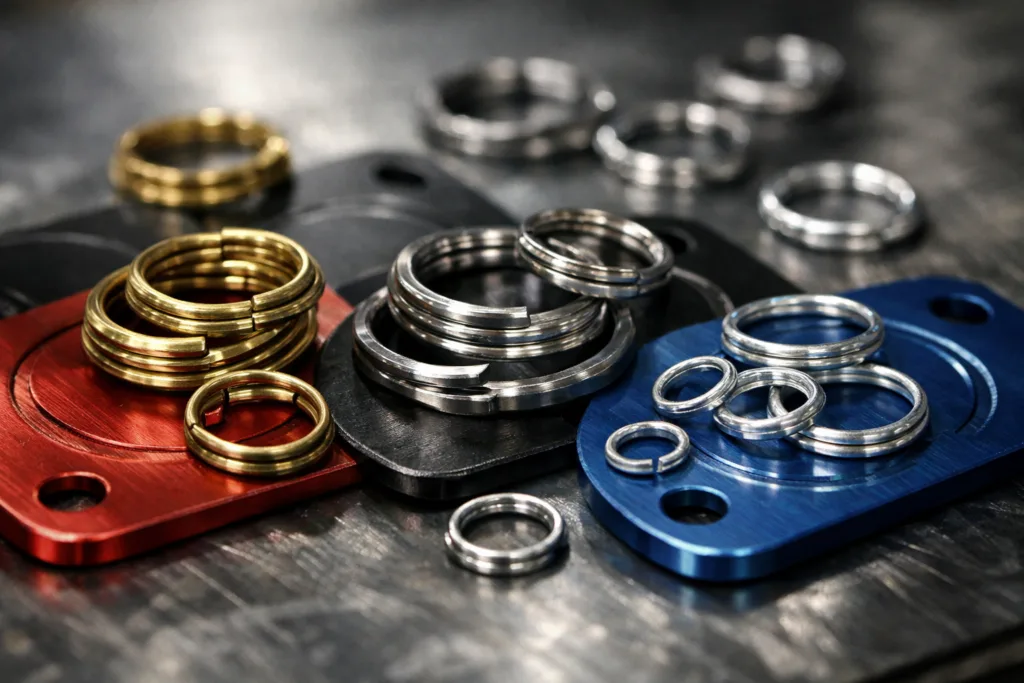
Testing helps verify whether your jump rings or split rings truly perform under tough conditions, preventing early detachment or failed identification. Asset tags on field equipment, inventory labels in chemical plants, and pet ID tags all benefit from rigorous salt spray and UV tests.
In one example, asset tags secured with jump rings failed after repeated machine exposure, while switching to split rings extended tag lifespan by more than 18 months. For OEM projects, request manufacturers to conduct pull tests, corrosion simulations, and wear cycles to ensure assemblies reach expected durability. Documentation of test results provides confidence before rolling out to a full fleet of metal tags.
If advanced durability is needed, see our Guide to Salt Spray Testing for Marine & Outdoor Tags or UV Resistance Masterclass.
Applications and Industry Fit for Split Rings and Jump Rings
Metal tags secured with split rings and jump rings are used across diverse industries—each with unique requirements.
- Asset Tracking: Equipment and inventory tags in factories or warehouses must not come loose under vibration or handling. Split rings, often stainless steel, are preferred for their security.
- Jewelry: Lightweight tags for bracelets, necklaces, and charms benefit from the fine, discreet nature of jump rings, which are easy to open and close for component changes.
- Outdoor Equipment: Luggage tags, pet ID tags, and hiking gear require rings that resist weather and tampering—split rings excel here for durability.
- Branding and Promotion: Logo plates and branded accessories often use jump rings to keep a minimal profile or to attach to smaller tab holes on custom shapes.
- Personalization: Custom gifts or crafts often balance appearance and function, so a careful match between ring style and metal tags finish is key for both aesthetics and reliability.
Industrial manufacturing may require automated attachment methods or reinforced rings for mass production, while craftspeople making jewelry or limited runs may prioritize visual subtlety and manual assembly convenience. For either scale, it’s crucial to choose a ring type that aligns with the intended use and appearance—consult with a partner like UC Tag for advice on matching process efficiency with your design goals.
Common Mistakes and Troubleshooting Tips
Even experienced buyers and designers make errors when securing tags. Common mistakes include selecting ring sizes too large or small for the tag’s hole, choosing the wrong adhesive backing, using materials that corrode in the field, and failing to consider tag orientation, which may obscure engraved or printed information.
Incorrect closure of jump rings can leave a visible gap, leading to accidental tag loss. For split rings, improper assembly could scrape or damage a tag’s surface, especially delicate finishes. Address these issues by inspecting samples before scaling up, requesting independent quality checks, and confirming fit with the tag’s attachment point.
Optimal practices include verifying that ring closures are tight with no micro-gaps, specifying corrosion-resistant materials for all-weather use, and confirming the readability of every tag post-assembly. Overlooking these essentials may shorten tag lifespan and reduce asset traceability. Proactive specification reviews and durability mockups mitigate these risks.
For best results, involve your manufacturer early and frequently review initial production runs to catch subtle issues before they escalate.
Ordering Guide for Split Rings and Jump Rings
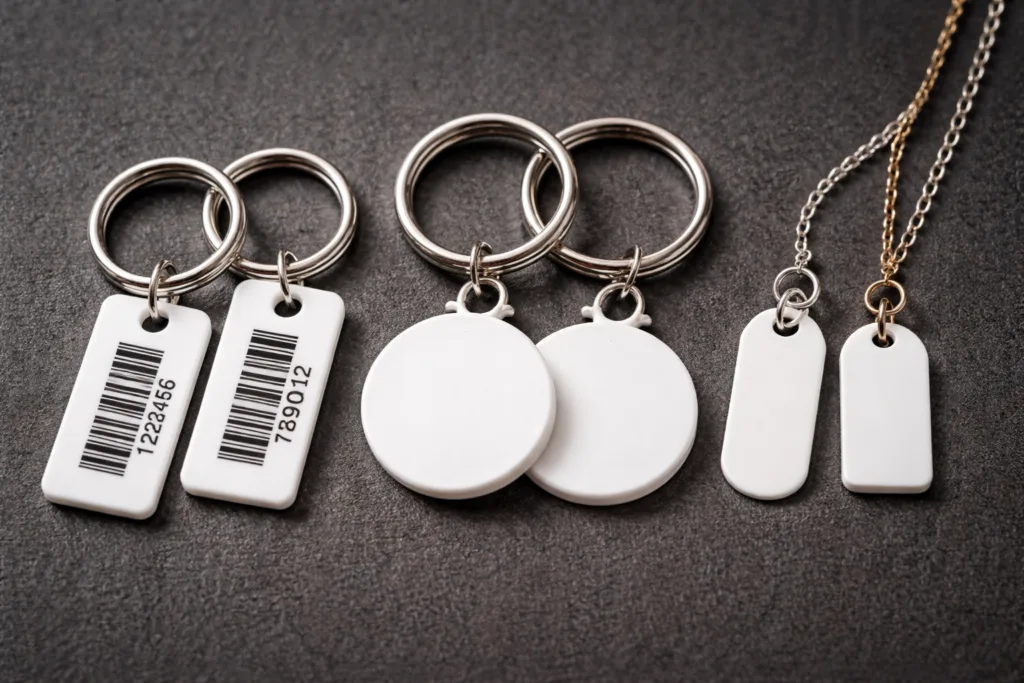
Ordering securing tags components like split rings and jump rings for your B2B needs requires careful coordination. Minimum order quantities (MOQs) typically start at 500–1000 units, though custom projects or modifications may impact this benchmark. Lead times depend on customization, finish options, and whether sampling is required before mass production.
Artwork submission matters—submit clear vector files and dimensional drawings to avoid misinterpretation. The proofing process, which includes reviewing digital or physical samples, ensures that the securing method integrates perfectly with your metal tags. Expect your supplier to confirm assembly fit, finish consistency, and packaging details prior to production approval.
Logistics, such as bulk packing, custom labeling, or tagged assemblies, also influence pricing and delivery timetables. Many manufacturers, including those specializing in custom metal tag solutions, offer pre-production samples to facilitate confident decision-making before scaling your order. Plan ahead for specialized attachment or advanced testing if your application demands it.
Frequently Asked Questions
What materials are best for split rings and jump rings used outdoors?
Stainless steel is the top choice for both split rings and jump rings used outdoors due to its corrosion resistance and strength, followed by anodized aluminum for lightweight needs in less aggressive environments.
How do I determine the right size ring for my metal tags?
Measure the hole diameter on your metal tags and choose a ring slightly larger for ease of threading while ensuring the wire thickness supports your tag’s weight and intended use.
Are split rings more durable for securing tags than jump rings?
Yes, split rings generally offer superior security and durability for securing tags because their double-loop structure better resists opening under pull or vibration.
Can I use jump rings for heavy-duty applications?
Jump rings can be used for medium-duty applications; however, for heavy-duty needs, especially in high-vibration or outdoor settings, split rings or reinforced jump rings are recommended.
What finish options are available for rings and tags?
Both split rings and jump rings can be finished in polished, matte, anodized, plated, or natural states to complement the tag’s finish and application environment.
Is there a way to ensure tags stay readable and attached for years?
Choose materials and finishes that resist corrosion, specify tight ring closure tolerances, and conduct durability testing to ensure tags remain legible and securely fastened long-term.
Related Reading
- Which Outlasts the Other? See Brass vs. Steel Metal Tags in Real-World Tests
- How to Prevent Rust and Maximize Metal Tag Lifespan in Moist Environments
- Engineer’s Guide: How Salt Spray Testing Ensures Durable Marine & Outdoor Tags
- Stop Tag Color Fading: Master UV Resistance for Outdoor Metal Identification
- How Deep Engraving Guarantees Lasting Legibility on Metal Tags
- Custom Metal Tag Solutions: Find the Right Fit for Your Industry Application