Introduction to Waterproof Tags
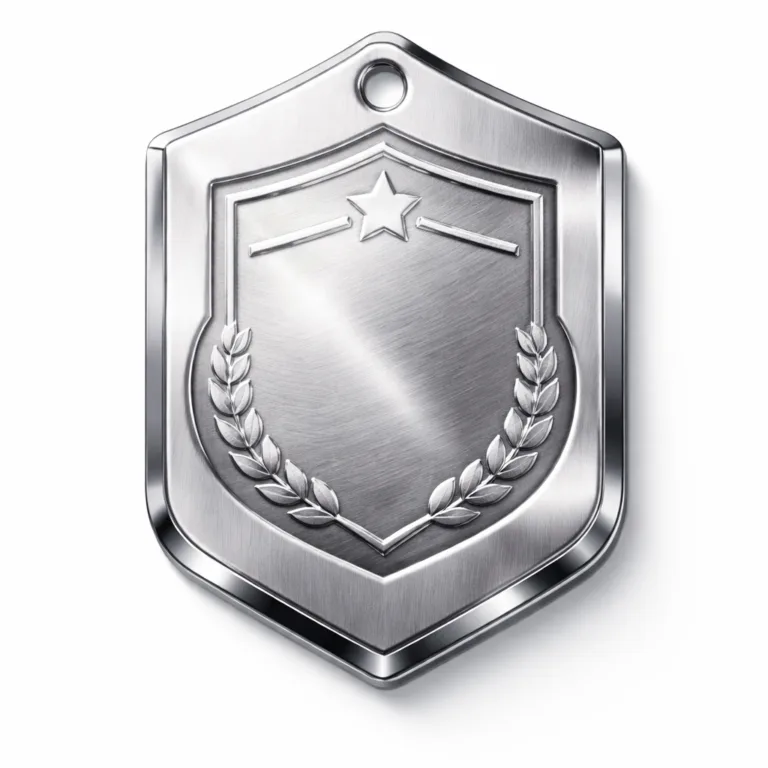
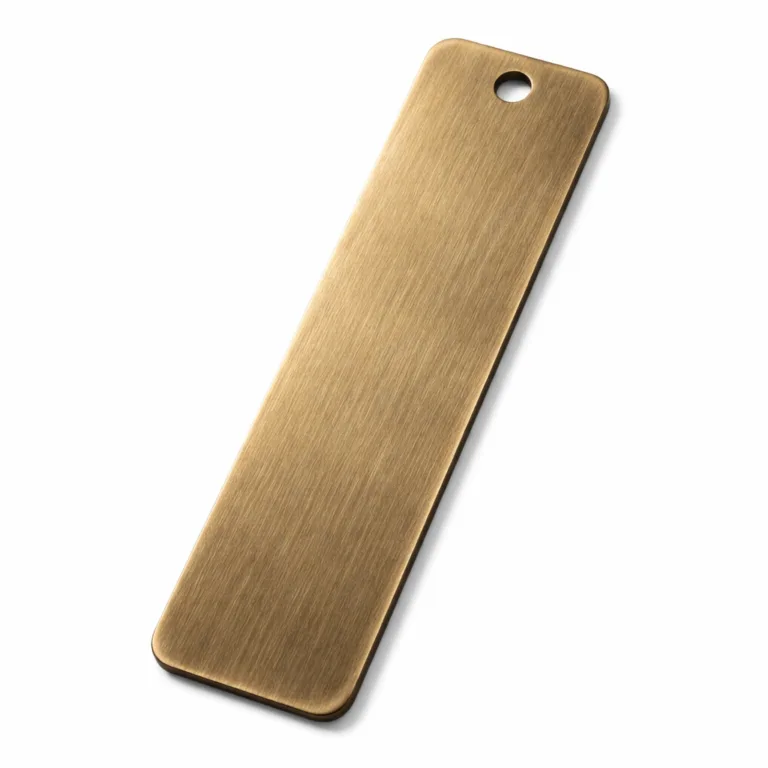
Waterproof tags are identification pieces designed to withstand full immersion and repeated water exposure, including harsh environments like swimming pools or the inside of a washing machine. Used to mark equipment, garments, pets, and valuables, waterproof tags must maintain legibility, structural integrity, and aesthetic appeal despite frequent wet conditions. Unlike general tags, waterproof tags are specifically engineered with materials and finishes that resist corrosion, fading, and abrasion. Typical materials include plastics, flexible polymers, and metal tags—such as aluminum, stainless steel, and brass. Durability is a critical factor for B2B buyers and engineers, especially in commercial laundry, marine equipment, or rugged outdoor products. While some tag solutions are only water-resistant, truly waterproof tags go further, retaining their identification features after cycles of soaking, scrubbing, and UV exposure.
Materials Comparison: Aluminum, Stainless Steel, and Brass
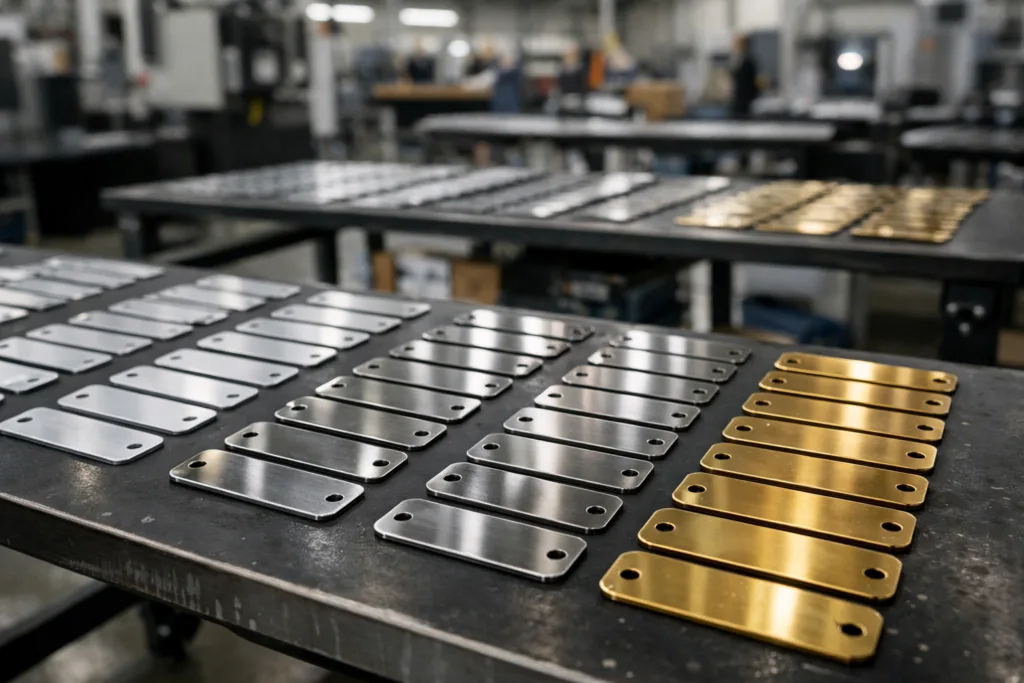
The choice of material represents a key consideration when selecting waterproof tags for environments exposed to swimming or washing machines. Among all materials, metal tags stand out for their resilience and reliability.
- Aluminum Tags: Lightweight and corrosion-resistant, aluminum tags endure repeated wash cycles without significant degradation. Anodizing adds further protective layers, enhancing scratch resistance and preserving vibrant colors. For users seeking a balance of weight and durability, aluminum is often preferred in garment labeling and outdoor gear, as explained in our deep dive into anodized benefits.
- Stainless Steel Tags: Renowned for exceptional strength, stainless steel tags resist rust and maintain structural integrity when submerged in chlorinated pools or exposed to hot water in washing machines. The material’s hardness also supports sharp engravings and barcodes. Stainless steel is ideal for industrial, marine, and pet tag applications where durability is paramount; see our comparison of brass vs. stainless steel for dog tags.
- Brass Tags: Brass offers aesthetic warmth and moderate corrosion resistance in both indoor and outdoor wet conditions. Its antique look appeals to custom branding, and under controlled environments, brass tags sustain moisture without tarnish. However, for prolonged exposure, buyers should ensure quality plating or lacquering.
Real-world testing by manufacturers, including UC Tag, indicates that metal tags outperform plastics in longevity and clarity after repeated washing. On shop floors, engineers have seen aluminum tags remain vibrant in garment processing, and stainless steel tags survive in marine hardware for years. Material choice should reflect the specific environment and cleaning intensity. For a nuanced overview of tag materials’ scratch resistance and hardness, reference our guide on choosing the right tag material.
Manufacturing Methods Comparison
How waterproof tags are manufactured significantly affects their performance in wet environments. Robust manufacturing processes lock in critical information and ensure longevity despite water exposure.
- Engraving: Laser or mechanical engraving permanently marks information into the surface. On metal tags, this method ensures text and codes resist fading—even after repeated swimming or washing machine cycles. Learn more in our engraving showdown.
- Stamping: Stamping creates raised or recessed impressions, delivering a tactile and highly durable tag. Deep-stamped metal tags often survive abrasion and moisture longer than surface prints.
- Etching: Photo etching allows fine detail and moderate depth; it’s suitable for both high-volume or custom designs and can be protected further by anodizing or clear coatings.
- Printing: Advanced techniques, such as UV printing and epoxy domes, provide vibrant graphics and added protection, but regular ink prints may fade in heavy wet conditions (discover UV printing’s advantages). For applications needing absolute clarity, etched or engraved tags are superior.
For longevity and waterproof performance, precise manufacturing is a must. UC Tag’s production team notes that combining deep stamping with anodized aluminum creates tags that withstand multiple swim and wash cycles without losing clarity. In a commercial laundry case study, stamped and anodized tags maintained data and color after hundreds of washes—a testament to method selection and quality control.
Design & Spec Checklist for Waterproof Tags
To maximize performance, consider a practical checklist when designing waterproof metal tags:
- Size and Thickness: Choose a thickness that resists bending and breaking, typically 1–2 mm for most industrial and garment tags. For specialty shapes or small text, higher thickness improves durability. For dog and garment tags, our material thickness guide provides detailed tips.
- Finish Type: Finishes like anodizing, PVD, or clear epoxy domes fundamentally improve water resistance and scratch longevity (explore epoxy dome protection).
- Attachment Options: Consider holes for rivets or screws versus adhesive backing. For swimming or laundry settings, mechanical fasteners often outperform adhesives. Avoid adhesives that degrade in hot or chlorinated water.
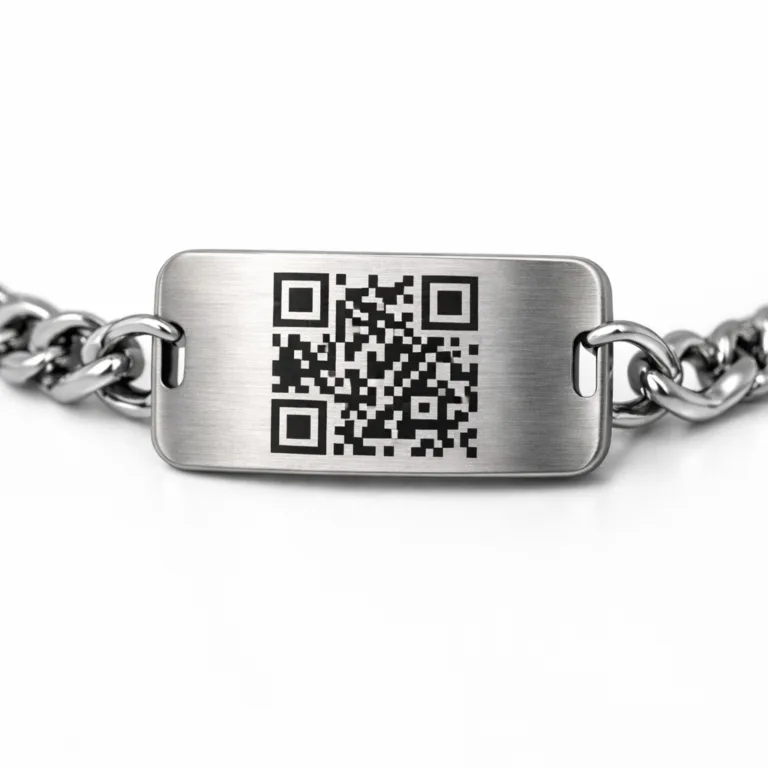
- Readability: Ensure text and codes remain clear in wet conditions—matte surfaces reduce glare, and contrasting engraving enhances legibility. Check out surface texture impact on QR code readability.
- Customization: Incorporate serial numbers, logos, and regulatory details as required. For compliance, select methods and finishes that preserve critical information despite water and abrasion.
Rain Chen from UC Tag recommends specifying exact thickness, finish, and mounting technique based on real use scenarios. For example, garments benefiting from anodized tags with laser engraving, while marine equipment uses stainless tags with embossed details.
Durability & Testing of Waterproof Tags
Validating waterproof performance requires rigorous testing. Corrosion resistance, abrasion durability, and UV stability are essential for tags used in wet and harsh environments.
- Corrosion Testing: Salt spray (fog) test is widely used to simulate marine and laundry conditions. It accelerates exposure to sodium chloride, helping predict a metal tag’s resistance to rust and degradation. Discover how this test secures marine tags in our salt spray testing guide.
- Abrasion Resistance: Tags are subjected to repeated rubbing and washing cycles to ensure inscriptions and finishes hold up. Only tags with proper manufacturing methods and hard finishes pass these tests.
- UV Testing: Outdoor waterproof tags must resist fading and brittleness from UV exposure. Specialized chambers simulate sunlight intensity to check for finish longevity.
Material test results show stainless steel tags often last longest, followed by anodized aluminum and properly plated brass. In UC Tag’s shop-floor trials, tags subjected to washing machines and swimming pool water retained clarity and shape after 12 months. Most industry-grade waterproof tags can expect a lifecycle of 5–10 years in commercial installations, confirming their value for B2B buyers seeking durable tag solutions.
Industry/Application Fit for Waterproof Tags
Waterproof metal tags serve multiple industries where exposure to water, chemicals, or cleaning cycles is a daily reality:
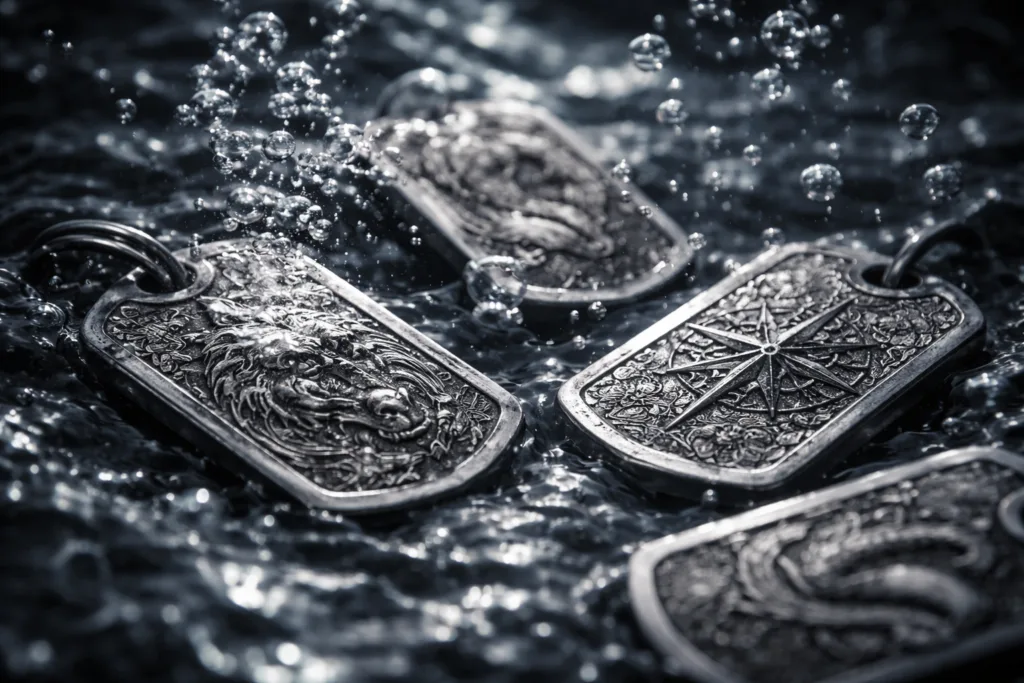
- Marine Environments: Metal tags on marine equipment must survive saltwater, spray, and washing. Stainless steel, stamped tags are standard in boat hardware, often using deep engravings for long-lasting identification.
- Commercial Laundries: Laundry systems require tags that endure repeated hot washes and detergents. Anodized aluminum or plated brass tags, with batch serial number engravings, are preferred.
- Pet Industry: Waterproof ID and tracking tags help keep pets identified during water play, grooming, or rain. Read our practical guide to engraved metal dog tags.
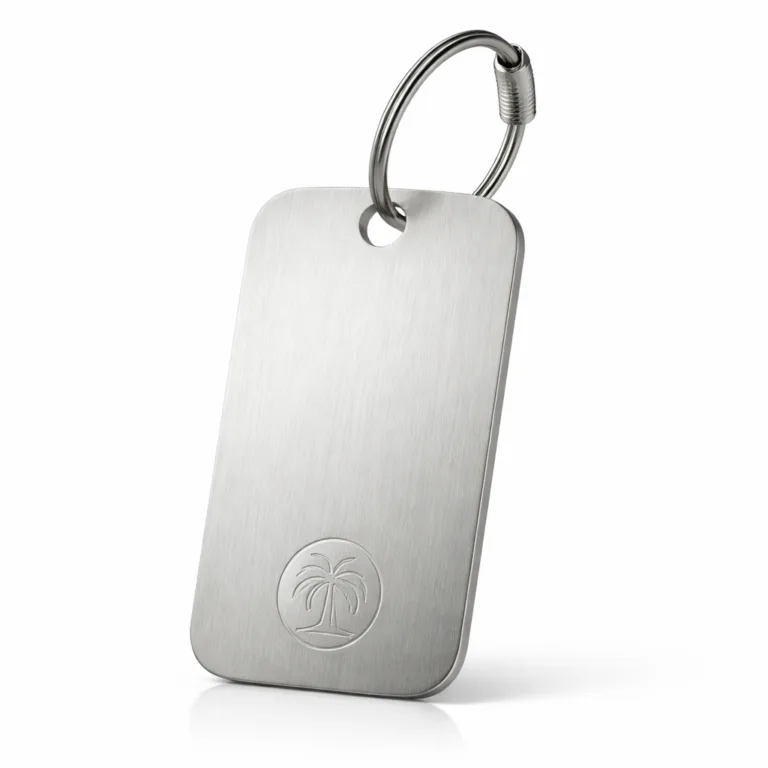
- Outdoor Products: From branded luggage tags to garment identification in sportswear, metal tags ensure makers’ marks and serial numbers are reliably displayed throughout rough weather and wet handling. For aesthetic durability in travel gear, see our insights on brushed texture luggage tags.
- Compliance & Tracking: Metal tags are required to uphold identification in regulated sectors like manufacturing, healthcare, and logistics. Regulatory audits rely on permanent, waterproof markings.
Across applications, shop-floor experience confirms that metal tags consistently outperform plastic or paper options for reliability, especially when harsh washing cycles are involved. Engineers should match tag design to the industry’s environmental intensity, leveraging finish and material for guaranteed performance.
Common Mistakes + Troubleshooting
Despite industry know-how, errors when selecting or applying waterproof tags can compromise durability:
- Poor Manufacturing Methods: Surface printing instead of engraving can cause illegible text after washing cycles.
- Incorrect Adhesives: Adhesives not rated for wet or hot environments may peel, leading to lost tags. Mechanical fasteners or rivets are preferred.
- Material Mismatch: Using brass without adequate plating or aluminum without anodizing may result in premature corrosion.
- Insufficient Testing: Failing to test samples prior to bulk order can lead to overlooked weaknesses.
To maintain tag performance, verify a manufacturer’s test results, request standard samples, and specify finish and mounting for your application’s real conditions. Regularly check tags in the field for fading, peeling, or corrosion. Correction measures include upgrading to better materials or more robust attachment options.
Ordering Guide for Waterproof Tags
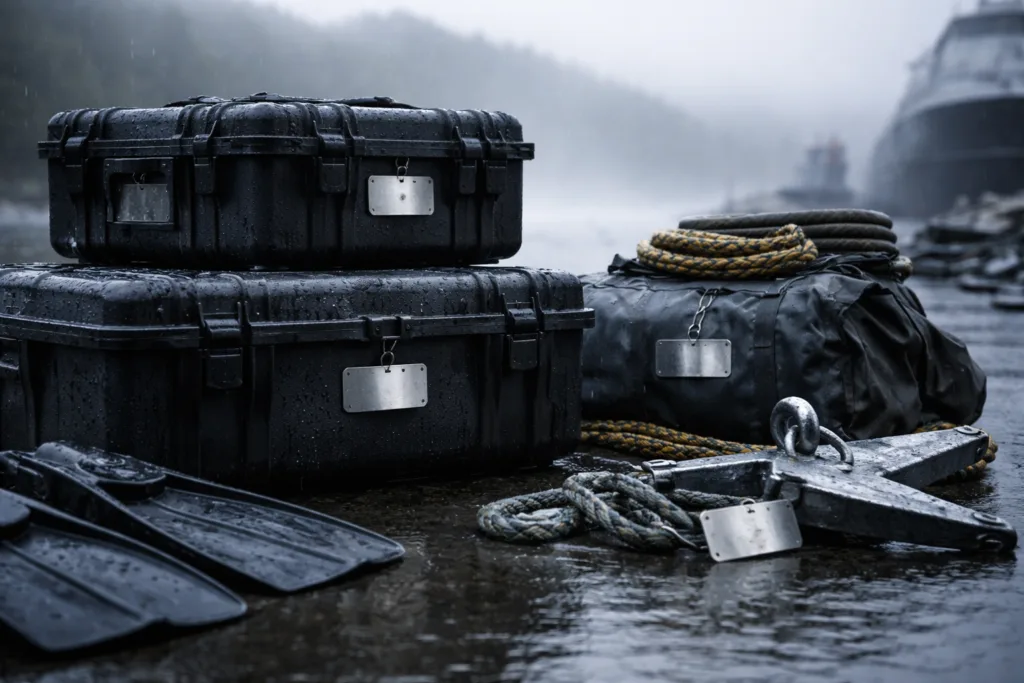
Ordering the right metal tags for waterproof environments requires a careful approach. Procurement specialists and engineers should keep these points in mind:
- Minimum Order Quantities (MOQ): MOQs can range from 100–500 for custom tags, and higher for stamped or engraved pieces. If unsure, request bulk pricing from your supplier (discover custom solutions).
- Lead Times: Typical production is 3–5 weeks for standard metal tags; complex finishes or unique shapes may take longer. Plan for proofing and approval stages.
- Artwork and Proofing: Provide precise artwork files and carefully review manufacturer proofs to ensure accuracy of logos, data, and finish. Errors in proofing often show up as illegible tags after manufacture.
- Packaging and Shipping: Tags are packed in protective bags or trays depending on size. Bulk shipments require double-checked labeling for easy identification upon receipt.
- Sampling: Before committing to bulk orders, engineers should request standard samples of desired tags and finishes. This step validates quality and water resistance in real-world conditions.
Rain Chen from UC Tag advises procurement teams to share detailed environmental conditions and intended usage during ordering. Proper communication ensures the right material, finish, and mounting are spec’d, preventing costly rework.
Frequently Asked Questions
What is the difference between waterproof and water-resistant tags?
Waterproof tags can be fully submerged and washed repeatedly without damage, while water-resistant tags only withstand brief or light exposure to moisture.
How do I know if a metal tag will withstand harsh environments?
Check the material grade, finish, and testing certificates like salt spray or abrasion reports to confirm resilience for swimming and washing machine conditions.
Can I customize the shape and size of waterproof tags?
You can choose custom shapes and sizes as long as the manufacturing process supports water-resistant finishes and robust attachment methods.
What finishes are available for added durability?
Anodizing, PVD plating, epoxy domes, and clear coatings are common finishes that boost waterproof tags’ corrosion and abrasion resistance in wet environments.
How to maintain the integrity of waterproof tags over time?
Regularly inspect for signs of fading or corrosion and clean gently; avoid harsh chemicals or forceful abrasion to extend tag lifespan and clarity.
Are there specific industries that benefit most from waterproof tags?
Industries like marine, commercial laundry, pet identification, and outdoor gear rely heavily on waterproof tags for reliable marking and compliance.
Related Reading
- Brass vs. Stainless Steel: How to Choose the Longest-Lasting Pet Tags
- Unlock Lightweight Strength: 7 Benefits of Anodized Aluminum Tags for Durability
- Discover Tag Materials: Compare Scratch Resistance and Hardness for Industrial Use
- Engineer’s Guide: Salt Spray Testing for Marine & Laundry Tag Corrosion Resistance
- UV Printing for Metal Tags: 9 Ways Vivid Color Boosts Branding and Longevity
- Try Standard Samples: Validate Tag Quality and Waterproof Performance Before Buying