Introduction to Scratch Resistance
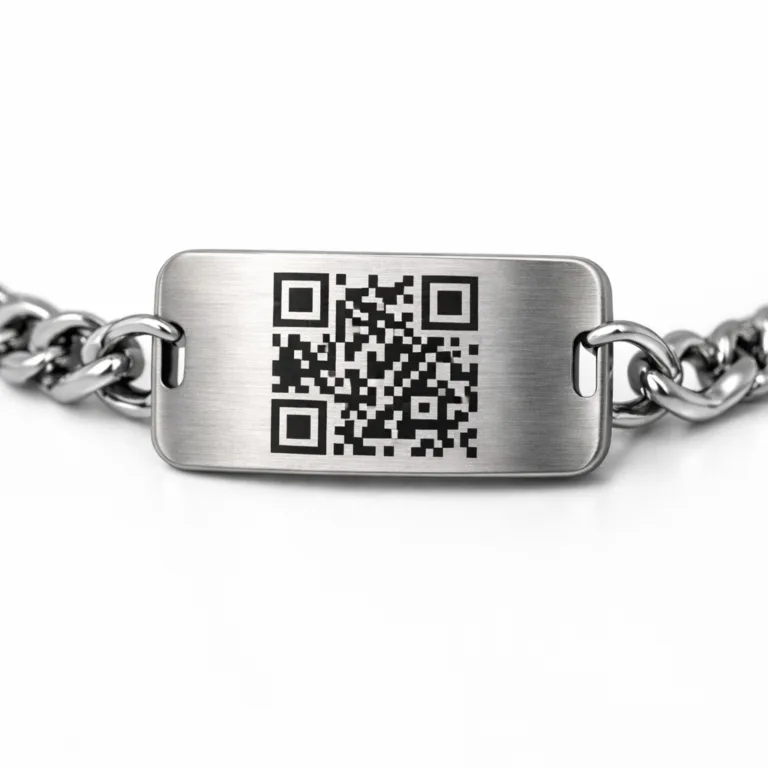
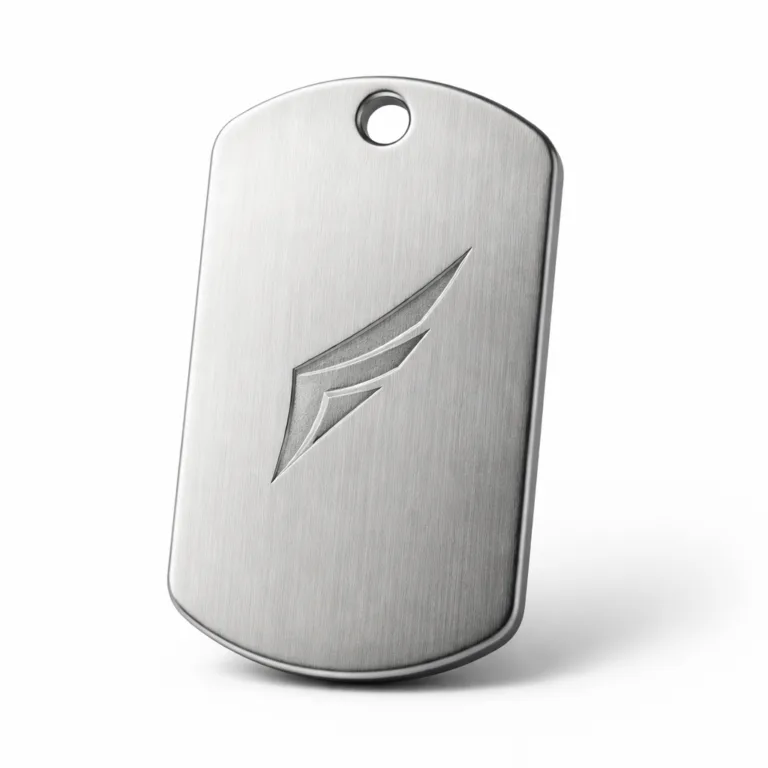
Scratch resistance plays a vital role in the longevity, function, and appearance of industrial tags. Whether used for machinery identification, logistics asset tracking, or product branding, tags are routinely exposed to abrasive contact, friction, and environmental stress. The ability of tag materials to resist scratching ensures that critical information—such as barcodes, serial numbers, or company logos—remains both readable and presentable throughout the life of the equipment or item. This makes scratch resistance a key criterion for procurement officers and engineers when specifying tag materials. Common options include plastics, aluminum, stainless steel, and specialty metals, each exhibiting unique strengths concerning scratch resistance and overall durability. The right material choice impacts not just upfront costs but also the total cost of ownership, as tags with higher scratch resistance require less frequent replacement and maintain functional reliability. Sectors that rely heavily on scratch-resistant tag materials include manufacturing, logistics, outdoor electrical systems, petrochemical plants, and marine industries, where exposure to abrasive forces is high and data legibility is mission-critical.
Understanding Hardness Measurements
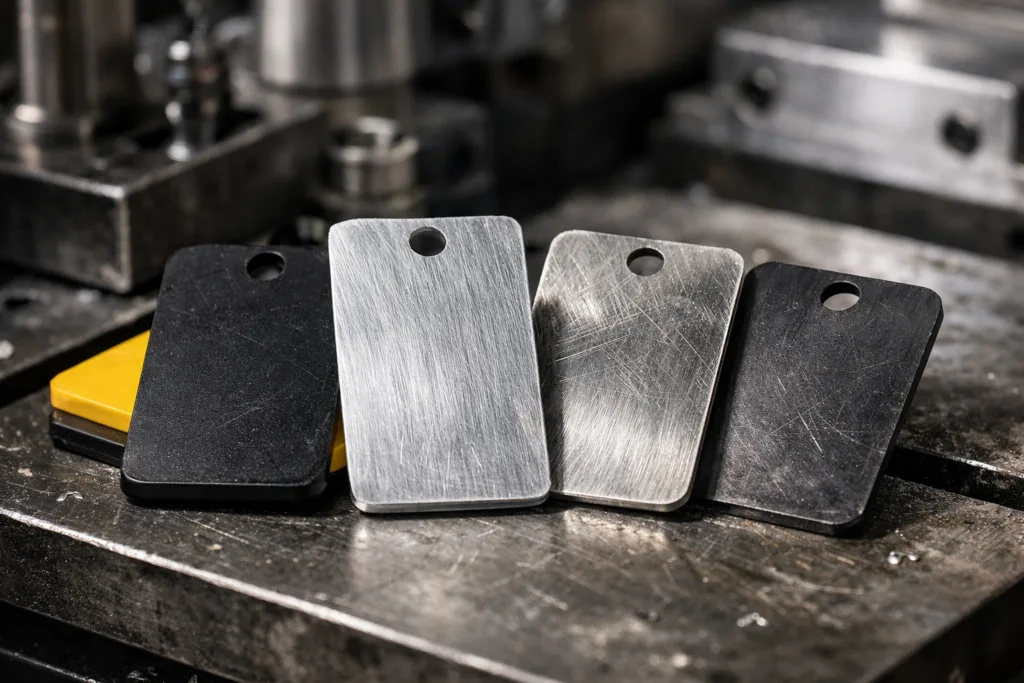
The scratch resistance of tag materials is directly linked to their hardness—a property measured using standardized tests that assess a material’s ability to withstand surface penetration and abrasion. Two commonly used hardness scales are the Mohs scale and the Rockwell scale. The Mohs scale, widely known for ranking minerals, rates materials from 1 (talc) to 10 (diamond), offering a quick visual indication of scratch potential. In contrast, the Rockwell scale is more precise, providing numerical readings based on indentation depth using a specific indenter and load; higher values indicate harder materials.
These hardness measurements offer practical insight for real-world applications. Materials with high hardness resist scratching from everyday contacts, such as keys, tools, or grit, making them well-suited for environments where physical abrasion is a concern. For example, stainless steel—high on the Rockwell scale—maintains surface quality even in harsh factory or field conditions, while softer plastics show quick visible wear.
Performance in diverse environments also depends on hardness. In marine settings, tags may be exposed to sand and salt spray, increasing the risk of scratching. Harder metals extend longevity and reduce maintenance frequency. However, hardness can also influence other manufacturing aspects; harder tag materials are more challenging to stamp or engrave, often requiring specialized equipment and processes. Finishing steps, such as polishing or coating, may enhance scratch resistance but could affect surface reflectivity and readability. Striking a balance between optimal hardness and manufacture-ability is essential for tag suppliers and buyers alike.
Comparison of Common Tag Materials
Choosing the appropriate tag material requires a clear understanding of each type’s scratch resistance, durability, and suitability for specific environments.
Plastic Tags
Plastic tags, often made from PVC or polyester, are lightweight, affordable, and resistant to certain chemicals. However, their lower hardness means they are easily scratched by metals or even rough handling, which can obscure text or codes over time. Plastics are best reserved for temporary applications, indoor environments, or areas where direct abrasion is minimal.
Aluminum Tags
Aluminum offers improved scratch resistance over plastics and is popular for applications needing light weight and corrosion resistance. Anodizing enhances aluminum’s surface hardness by creating a tough, oxide layer. This layer not only helps aluminum tags resist scratches and wear but also provides vibrant color options. However, very deep scratches may expose raw metal beneath the anodized layer. For even more insights on aluminum finishes, the aluminum tags anodizing guide details their benefits for tag durability.
Stainless Steel Tags
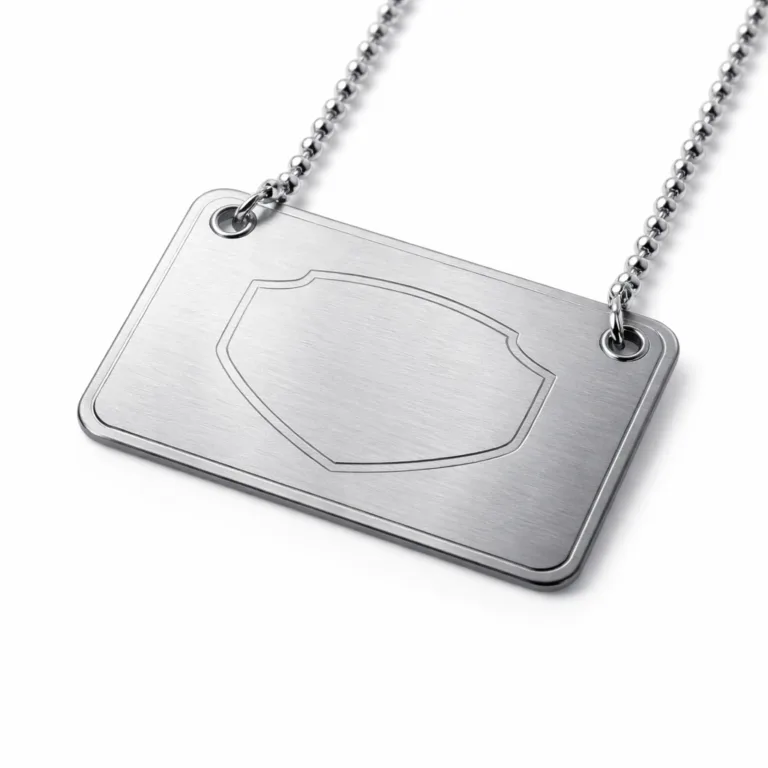
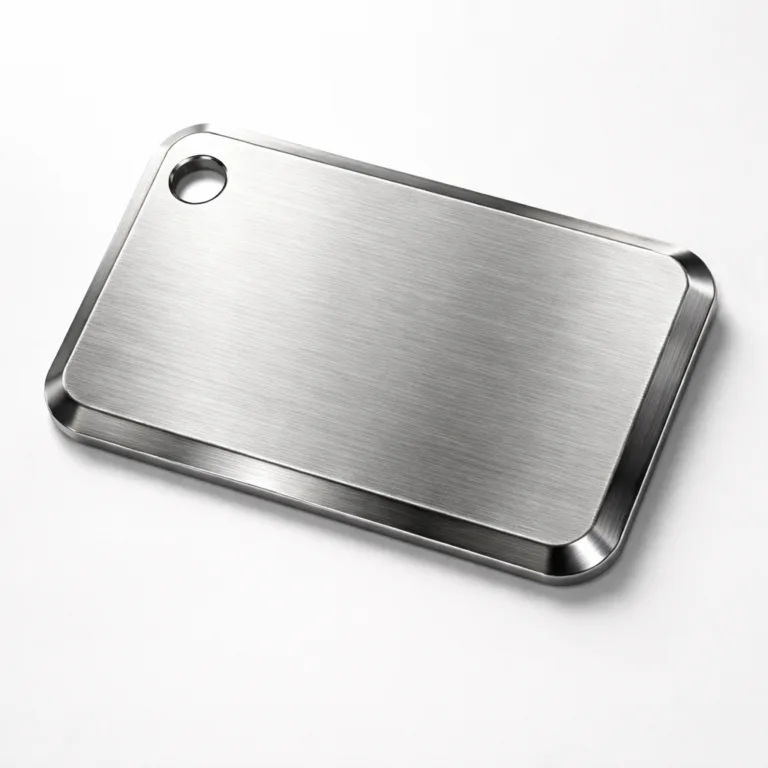
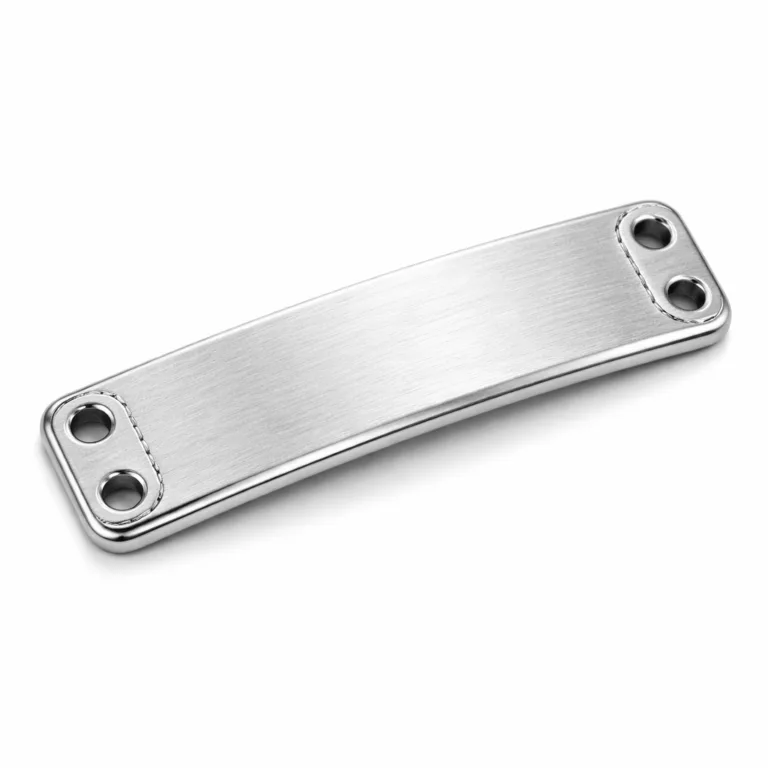
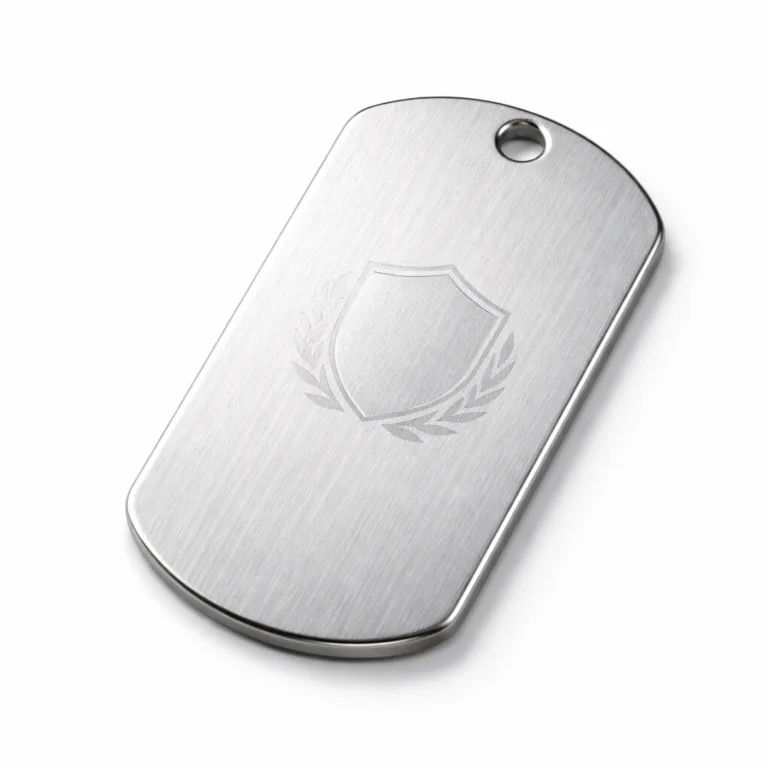
Stainless steel is renowned for its superior hardness and scratch resistance, especially alloys like 304 and 316. Stainless surfaces can withstand repeated abuse in demanding settings—from factory floors to outdoor equipment—while maintaining clear inscriptions. Its inherent resistance to pitting and corrosion further boosts durability. As highlighted by shop-floor experience at UC Tag, stainless steel remains readable and presentable longer even in highly abrasive applications like conveyor labels and industrial asset tags.
Brass Tags
Brass provides an attractive golden appearance and sufficient hardness for moderate environments. Its softer nature compared to stainless steel makes it more susceptible to scratching, especially when handling or installed on moving equipment. For applications prioritizing aesthetics, such as branding or decorative tags, brass offers a desirable balance of visual appeal and reasonable scratch resistance. Brass is also valued for indoor plumbing and valve tags, where mechanical wear is limited. For a utility-focused comparison, see brass vs. plastic valve tags.
Other Metals: Titanium, Zinc Alloy, and Copper
Titanium tags provide exceptional scratch resistance combined with lightweight and hypoallergenic properties. Their performance endures in aerospace, chemical, or medical applications where exposure and rough handling are frequent. Zinc alloy tags, while durable for die-cast designs, generally offer moderate scratch resistance—most suitable for keychains or bag tags where texture and color are priorities. Copper and bronze tarnish over time but will retain legibility unless deeply gouged, making them useful for specialty or commemorative tags. UC Tag’s hands-on production notes that surface treatments, such as sandblasting or matte finishes, can improve apparent scratch resistance for these metals. For more, visit the titanium tag durability guide.
Manufacturing Methods and Their Impact on Scratch Resistance
The way a tag is manufactured significantly affects its scratch resistance and functional lifespan, beyond the choice of base material.
Engraving
Engraving creates recesses in the tag surface, permanently marking text or codes. Deep engraving on hard metals like stainless steel yields a long-lasting, highly readable result, as the marking resists both scratching and fading. In contrast, surface marking on softer plastics or shallow engraves can wear away under abrasion.
Stamping
Stamping involves pressing or forming shapes, letters, or logos into metal. While effective for producing high-volumes economically, stamping can introduce stress points in softer materials, making them more vulnerable to surface abrasion near the edges or detailed recesses. However, when used with hard metals and suitable gauges, stamping produces tough, scratch-resistant tags.
Chemical Etching
Chemical etching selectively dissolves specific areas, achieving fine details and clean profiles. On stainless steel or titanium, it produces crisp, flush marks that are challenging to wear away. Still, very aggressive abrasion can eventually erode etched surfaces, especially if combined with environmental exposure.
Printing Options
Printed tags, including screen and UV digital printing, offer full color and rapid customization. However, their scratch resistance depends on ink type and protective coatings. For higher wear environments, printed graphics can be protected with over-lamination or epoxy domes, though these additives may affect tactile feel and light reflection. For an in-depth guide, explore UV printing techniques for metal tags.
Manufacturers, including UC Tag, often blend these production methods with surface treatments—such as anodizing, powder coating, or sandblasting—to match the tag material and use-case. For example, sandblasted finishes on aluminum or stainless steel diffuse light, hide fine scratches, and extend tag readability. Real-world choices thus hinge on process compatibility, intended use environment, and aesthetic preferences.
Design and Specification Checklist
Selecting the right tag starts with precise specifications. The size and thickness should align with application requirements; thicker tags offer increased resistance to bending and scratching but may cost more and weigh more. For high-durability needs, stainless steel tags at 0.8–1.5mm thickness are common, while aluminum tags may be specified thinner due to their inherent lightness. For more on thickness standards, see this material thickness guide.
Finish choices dramatically influence scratch resistance. Anodizing for aluminum, painting, or powder coating for steel, and lacquer for brass provide extra barriers against abrasion, though care must be taken to select finishes that don’t interfere with code readability. For tags exposed to sun or weather, matte finishes reduce glare and can hide minor scratches, whereas glossy coatings, while vibrant, can highlight defects. The choice between matte and glossy also impacts QR code reading, as explained in the surface texture readability guide.
Attachment method is another consideration; rivet holes are ideal for permanent mounting but can stress softer materials, while adhesives must match both the tag material and the substrate. Poor adhesive selection reduces durability—especially for plastics or powder-coated surfaces. High-precision applications may require strict tolerances in hole size and tag dimensions to ensure repeatable fit.
Lastly, always confirm that tag designs maintain sufficient contrast for text, barcodes, or branding, especially after surface treatment. For guidance on durable engraving, refer to the engraving standards blog.
Durability Testing Parameters
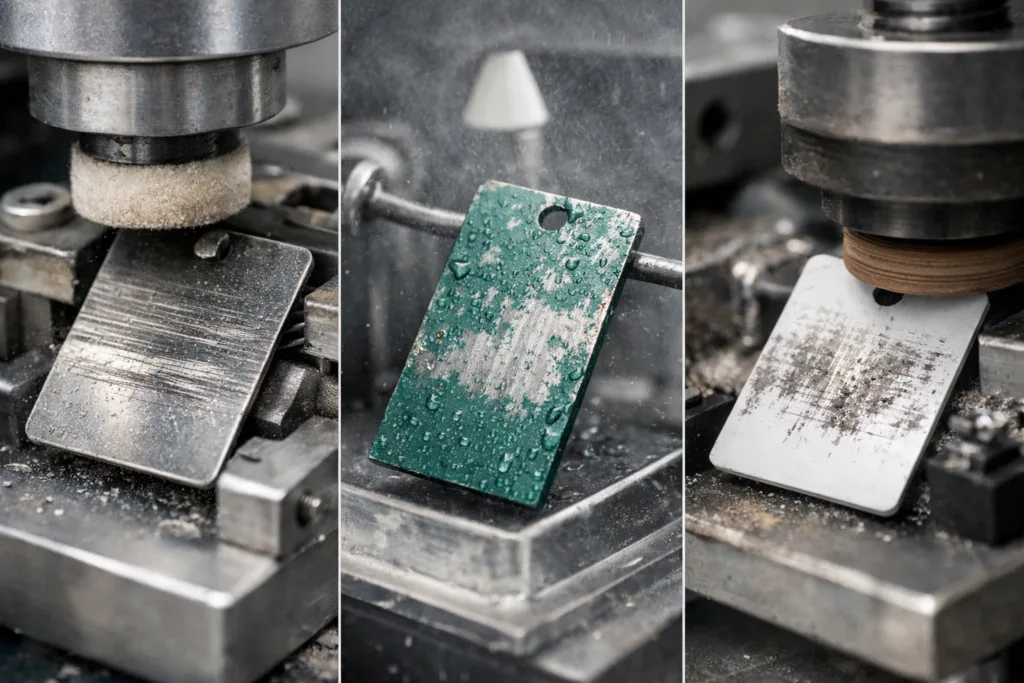
Real-world durability of tag materials can only be accurately judged through laboratory and field testing that simulates actual use conditions. Standard tests for scratch resistance include controlled abrasion tests, where tags are rubbed with standard materials under defined loads and cycles, to measure wear and visibility loss.
Corrosion testing, such as the widely used salt spray (fog) test, assesses how well tags withstand prolonged exposure to corrosive environments—a key concern for marine and coastal uses. In these tests, tags are subjected to fine salt mist inside a chamber, and both corrosion and surface scratching from salt-laden grit are evaluated. For more technical detail, the engineer’s salt spray testing guide explains how this process ensures genuine durability in outdoor and maritime tags.
UV exposure testing is critical for outdoor-use tags. Excessive ultraviolet light can embrittle plastics and fade printed graphics, increasing the vulnerability of the underlying material to scratching. Similarly, abrasion tests using sand, rubber wheels, or weighted tabs provide controlled data on how quickly a tag’s surface will lose legibility after repeated physical handling.
Test results reveal not just longevity, but also crucial material performance differences. Tags passing high-cycle abrasion and salt spray tests are often preferred for critical safety applications or extreme environments. When evaluating new tag designs, environmental testing well before deployment reduces the likelihood of premature surface wear and costly recall or replacement. The lab outcomes should always be interpreted in context—matching performance specifications with actual field requirements rather than relying purely on catalog data.
Industry Applications and Specific Use Cases
The choice of tag material and scratch resistance has a direct impact across many industries. In manufacturing, machine and asset tags endure constant abrasion from operator contact and possible chemical exposure. Here, stainless steel or hard-anodized aluminum is standard for long-term identification. The logistics sector requires inventory and asset management tags that must survive frequent scanning, shifting, and outdoor storage; materials selected must resist both scratches and the elements, making treated aluminum or UV-printed stainless a common solution. To optimize outdoor equipment, companies often turn to extra-thick, corrosion-resistant tags for utility poles or telecom cabinets, where both visibility and toughness are crucial.
In consumer products—such as luggage labels, branded keychains, or retail merchandising—scratch resistance ensures the tag’s visual appeal is preserved, supporting brand image and customer trust. For luggage tags specifically, the brushed texture design guide highlights how finishing choices impact both aesthetics and practical scratch resistance in continuous travel. Medical equipment tags must offer both high scratch resistance and compliance with traceability standards, often relying on laser-etched stainless steel or titanium for optimal readability after sterilization cycles or repeated cleanings.
Common Mistakes and Troubleshooting
Many organizations encounter avoidable tag durability issues stemming from material selection or design oversights. One frequent mistake is choosing a tag material ill-suited for its operational environment—for instance, uncoated brass in corrosive locations or soft plastics in high-traffic zones, leading to rapid scratch damage. Another pitfall lies in underestimating the influence of finish on tag readability and resistance; glossy tags may quickly show scuffs while matte finishes can obscure fine code lines if incorrectly specified. Using general-purpose adhesives can result in early failure, especially where temperature swings or moisture are frequent; always select adhesives specifically rated for the intended tag material and substrate. Overlooking durability testing is another common challenge: omitting scratch or corrosion tests in the procurement phase can result in visible surface damage soon after deployment, requiring costly replacements and tarnishing the facility’s professional image. Lastly, tags with low contrast or poor engraving may become unreadable after only minor surface abrasion—a critical oversight in regulatory or safety applications. Practical experience on UC Tag’s shop floor shows that collaboration between design, procurement, and production teams is key to troubleshooting and preventing such issues.
Order Placement Guide: From Quotes to Samples
Securing quality tag materials with suitable scratch resistance begins well before mass production. Understanding minimum order quantities (MOQs) is critical, as metals like stainless steel and titanium may have higher MOQs due to sourcing and tooling. Plastics usually allow for lower-order flexibility—useful for pilot projects or custom one-off runs. Manufacturing lead times are another vital planning factor: while plastic and aluminum tags can often be produced quickly, custom stainless and titanium tags with complex treatments or finishes may require longer lead times due to machining and surface processing steps.
Custom orders should include clear artwork and proofing steps, specifying finish, text contrast, size, and any barcodes. Review digital or physical proofs before confirming bulk production; this lets you catch specification issues and assess scratch resistance and appearance under real-world lighting or handling. For a deeper look at requesting samples, consult the custom metal tag samples process at UC Tag.
Packaging and shipping should be matched to material properties. Soft plastics and polished finishes may require extra film wraps or vacuum-sealed bags to prevent damage during shipping, while bulk stainless steel tags can typically ship in trays or bulk bins. Always confirm delivery specifications, especially for tags destined for regulatory or mission-critical uses where surface blemishes cannot be tolerated.
Frequently Asked Questions
What is the most scratch-resistant material for tags?
Stainless steel and titanium are among the most scratch-resistant tag materials, showing minimal wear in abrasive and high-traffic environments compared to plastics or brass.
How does hardness affect abrasion resistance?
Higher material hardness directly correlates with increased abrasion resistance, as harder materials are less likely to show surface damage or lose legibility after repeated friction.
Can finishes enhance scratch resistance?
Yes, finishes such as anodizing on aluminum or clear coatings on steel provide an extra barrier, but their effectiveness depends on thickness and the underlying material’s inherent hardness.
What industries require high-scratch resistance tags?
Manufacturing, logistics, utilities, food processing, marine, and healthcare all demand tags with high scratch resistance to protect information readability and branding under harsh conditions.
How do environmental factors influence tag durability?
Factors like UV exposure, temperature swings, moisture, and chemical contact can degrade some materials or finishes, so matching tag materials to their environment is essential for maximum durability and scratch resistance.
What are the implications of the manufacturing method on durability?
Manufacturing methods such as deep engraving on metal greatly enhance durability, while printed or lightly marked tags may wear faster unless protected by secondary coatings or finishes.
Related Reading
- How Salt Spray Testing Proves Tag Durability in Harsh Marine Conditions
- Discover Why Anodized Aluminum Tags Combine Vibrant Color with Scratch Resistance
- Brass vs. Plastic Valve Tags: Weighing Durability and Scratch Performance
- Titanium Tags: The Ultimate Guide to Unmatched Scratch and Corrosion Resistance
- Matte vs. Glossy Tags: Impact on Scratch Visibility and Code Scanning
- Brushed Texture Luggage Tags: How Design Reduces Scratching on the Move