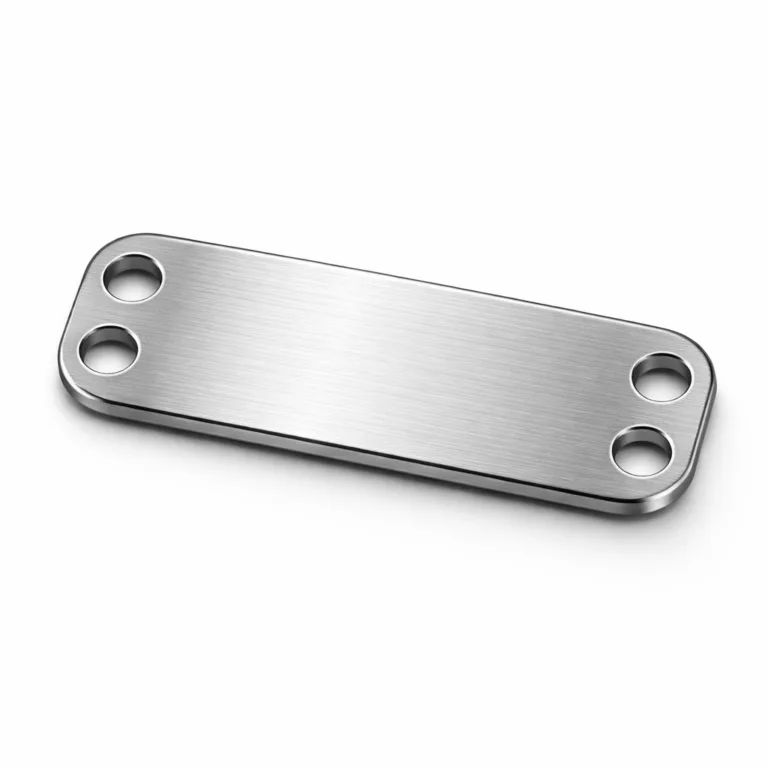
What Is Glitter Enamel? The Sparkling Finish Explained
Glitter enamel is a special type of colored resin that includes suspended glitter particles. When applied to metal tags, these flecks deliver extra shine and create an eye-catching, multi-dimensional effect. In the world of merchandise and collectible tags, glitter enamel stands out as a technique for adding instant glamour. Whether on clothing labels, event souvenirs, or exclusive collectibles, it uplifts basic surfaces to something memorable and striking.
Why Glitter Enamel Is Gaining Popularity in Merchandise Design
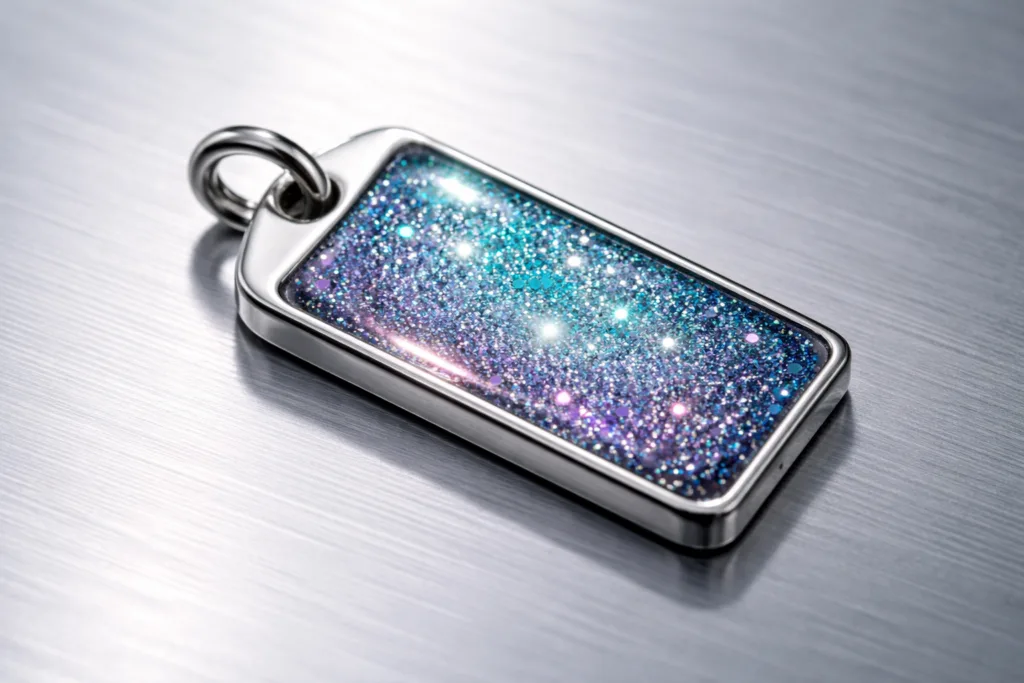
Modern brands are always seeking ways to impress. Glitter enamel taps into that desire for the distinctive, turning ordinary metallic tags into on-trend, attention-grabbing details. Consumers, especially in beauty, streetwear, and youth-oriented industries, are drawn to products that shine on shelves or in unboxing videos. Glitter enamel’s shimmer signals something special, making even small tags pack a visual punch. This look is also associated with limited editions and higher value, helping shape customer perceptions.
The Science Behind Glitter Enamel: How It Works
Glitter enamel starts with clear or colored epoxy resin. Fine metallic or polyester flakes (available in silver, gold, holographic, and more) are thoroughly mixed in. The mixture is applied into recesses within a metal tag and cured. The result is a durable, glass-smooth fill that locks in the glitter beneath, protecting it from wear. Depending on the glitter’s cut and density, the effect can range from subtle shimmer to intense sparkle visible from every angle.
Comparing Glitter Enamel with Other Metallic Tag Finishes
Gloss enamels and metallic plating also deliver shine, but glitter enamel is unique. While a mirror finish luxury tag reflects like a flat surface, glitter enamel scatters light, giving movement and vibrancy. Compared to plain color fills, glittery tags are more playful and modern. Table below compares the main finishes:
| Finish Type | Visual Effect | Durability |
|---|---|---|
| Glitter Enamel | Sparkling, multidimensional | High |
| Gloss Enamel | Smooth, shiny, single-color | High |
| Matte Finish | Flat, non-reflective | Very High |
| Metallic Plating | Mirror-like, solid metal | Varies (plating thickness dependent) |
Best Uses: Where Glitter Enamel Shines the Brightest
- Seasonal or limited edition collectible tags
- Brand logo tags for influencer-driven apparel
- Souvenir merchandise for concerts, festivals, and pop culture events
- Luxury packaging seals and bottle neck tags
- Children’s accessories and pet collars
Color Choices and Custom Effects in Glitter Enamel
One strength of glitter enamel lies in its customizability. Manufacturers offer color-matched resin bases, so brands can stay true to Pantone palettes. Glitter particle size and color can be selected—a clear blue resin with holographic flecks creates a space-age look, while gold-on-black leans classic and sophisticated. Mixing different glitter colors or layering with UV printing unlocks even more creative options.
Production Process: From Blank Tag to Sparkling Collectible
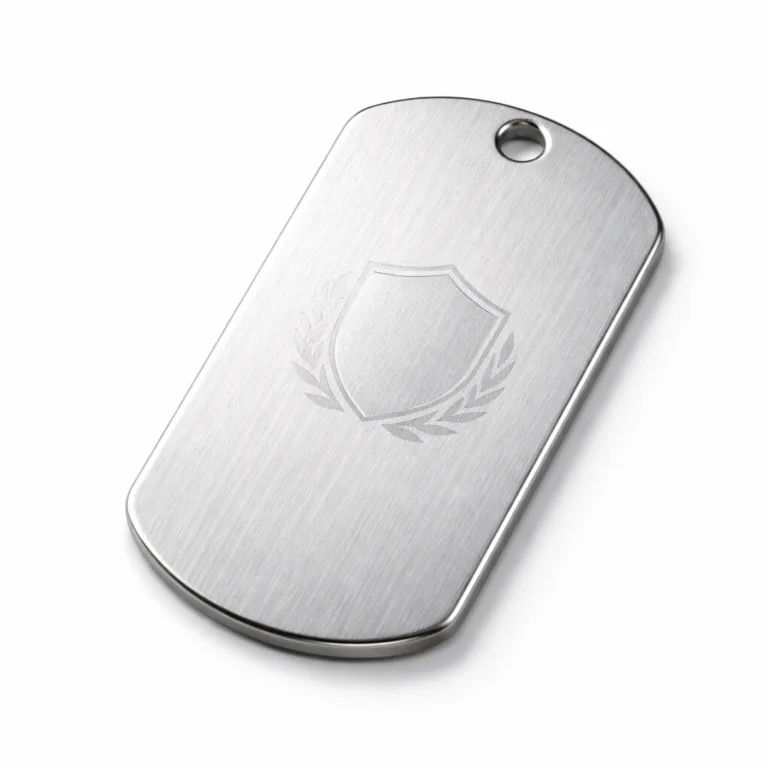
The journey begins with the choice of base tag metal—commonly zinc alloy, brass, or stainless steel. Surfaces are stamped or cast, then filled with specially mixed glitter enamel. After careful inspection to control particle distribution, tags cure to a hard finish. Final steps include deburring, clear top-coating for abrasion resistance, and a round of quality control. According to Rain Chen from UC Tag, one common challenge is keeping glitter evenly suspended during application—techniques like gentle agitation during fill can ensure the perfect shimmer in each tag.
Types of Glitter: Choosing the Right Option for Your Brand
Glitter isn’t all the same. Brands need to choose between options depending on their look and durability needs:
- Ultra-fine metallic: Subtle, refined sparkle for luxury or corporate merchandise.
- Standard polyester flakes: Bold and colorful—ideal for youth or promotional tags.
- Holographic glitter: Reflects a rainbow, trendy in toy or festival merchandise.
- Mixable blends: For custom house colors or a multidimensional effect.
Materials That Work Well with Glitter Enamel
Most metallic substrates pair well with glitter enamel, provided the surface is properly prepared. Brass, zinc alloy, and stainless steel are popular for their paint adhesion and weight. Aluminum works but generally needs an etched or roughened surface for optimal enamel bonding. PVC or rubber tags are less common with this finish due to the different curing processes required.
Matching Glitter Enamel to Product Lines and Branding
Choosing a glitter enamel style should align with the spirit of your line. Playful youth brands may select bold silver or rainbow, while lifestyle or gifting product lines might prefer soft champagne gold. Consider using glitter only for a feature area, like a logo or border, so the tag isn’t overwhelming. Subtlety can be just as impactful. For those wanting a vintage look blended with modern sparkle, try pairing glitter with antique finishes for layered effects.
The Role of Glitter Enamel in Creating Perceived Value
Small things matter in branding. A tag with glitter enamel often signals premium, collectible, or limited-run products. Customers equate shimmer with exclusivity, which justifies higher price points. Not surprisingly, brands see increased engagement and social sharing with glittered tags—these details photograph well for online content and influencer campaigns.
Sustainability and Responsible Glitter Choices
A real concern for manufacturers and eco-aware brands is the environmental impact of glitter. Some traditional glitter particles are microplastics that don’t break down, raising questions about sustainability. Increasingly, suppliers offer biodegradable or mineral-based options, so it’s important to ask for eco-friendly glitter when designing new tags. Some regions may require disclosures or restrict the use of certain additives in branded merchandise.
Glitter Enamel Application Challenges and QC Tips
Applying glitter-filled enamel isn’t maintenance-free. As Rain Chen from UC Tag observes, glitter particles can settle, so regular mixing is key. Highly detailed areas or small letters may become clogged with denser glitter fills—U-Turns between design ambition and production tolerance can help. Also, clear domes (epoxy dome coats) may add durability over the glitter but can slightly mute high-reflection sparkles. It’s a trade-off: more protection versus pure dazzle.
Enhancing Attachment Methods for Glitter Tags
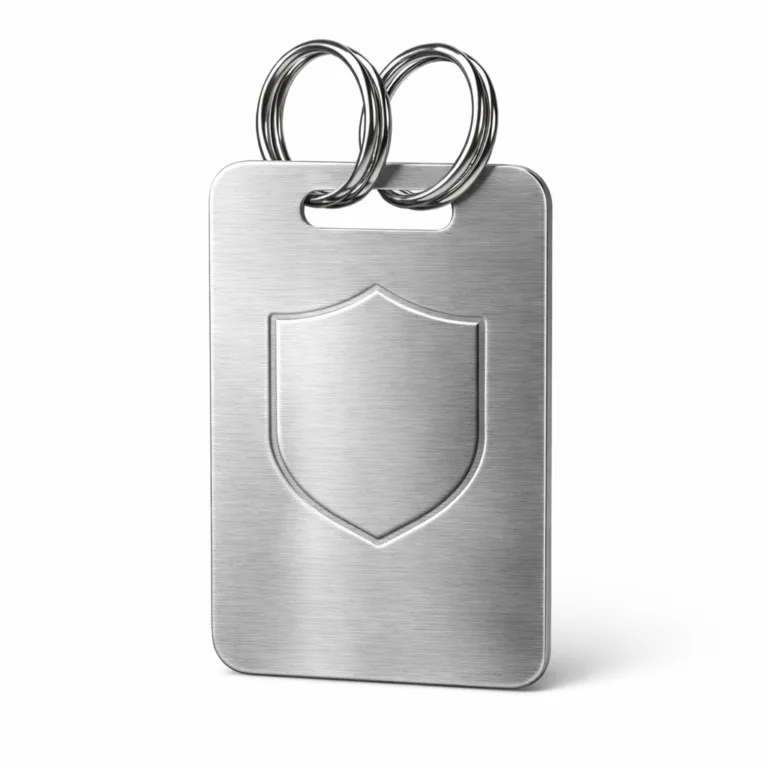
The visual weight of glittery tags means they’re often noticed up-close. That highlights the importance of reliable attachment methods—professionals choose sturdy holes, split rings, or stitched-in solutions when glitter is featured. Well-debudded or polished tag edges (especially on thicker metals) ensure comfort in use and prevent premature wear on clothing or bags.
Glitter Enamel: Adding Sparkle to Merchandise and Collectible Tags.
Using glitter enamel is a powerful branding move. It draws the eye, sets products apart, and helps build emotional connections with customers and fans. Whether in limited-edition keychains, fashion tags, or premium packaging components, these sparkling details tell a story of creativity and care. This combination of expressive design and manufacturing know-how turns functional tags into conversation starters and keepsakes.

Balancing Cost and ROI When Specifying Glitter Enamel
Of course, glitter enamel is a slightly higher-cost process than plain color fills due to materials and extra attention during production. For brands, the goal is to balance this investment against increased product appeal (and possible price increases) thanks to the added visual value. Limited editions, influencer-driven launches, and premium merchandise benefit most from this cost/value equation.
Safety, Durability, and Longevity of Glitter Enamel Tags
Properly cured glitter enamel resins are both safe for typical use and highly durable. Some glitter formulations even pass scratch and salt-spray tests relevant to fashion and outdoor gear. For applications where tags are handled daily, a top clear coat can add extra peace of mind. Like all specialty finishes, it’s wise to avoid strong alkali cleaners and harsh abrasives to keep the shine strong for years.
Integrating Glitter Enamel with Other Modern Tag Finishes
One advanced trend sees designers pairing glitter enamel with other metal finishing techniques. For example, a tag could feature raised polished nickel borders, rainbow PVD areas, or laser-engraved QR codes—all enhancing the tag’s functional and aesthetic roles. A thoughtful mix balances attention and usability; too many effects can clash or muddy the brand message.
Choosing the Right Manufacturer for Glitter Enamel Merchandise and Collectible Tags
Success in glitter enamel projects depends heavily on skilled, experienced producers. Quality control is crucial—checking for even glitter distribution, cleaning edge excess, maintaining plating evenness, and robust attachment. Brands should request samples showing different glitter densities and color combos before final approval. Collaboration early in design ensures finishes meet both aesthetic and performance needs.
Case Studies: Successful Use of Glitter Enamel in Collectible Tags
- Festival Souvenir Tags: Event organizers used limited-run holographic glitter-filled tags for festival wristbands; these became sought-after mementos and trended on social media.
- Streetwear Brand Bag Tags: Neon glitter enamel on oversized metal bag tags helped an indie apparel line stand out in retailer displays.
- Luxury Wine Neck Tags: Shimmering gold-on-black glitter enamel was paired with deep engraved details to create an impression of exclusivity and celebration.
Digitally Printing with Glitter Enamel: Opportunities and Limits
Some digital printing methods can lay down glitter-enriched inks, but for true depth, poured enamel is more robust and light-reactive. For brands wanting photographic accuracy and glitter together, hybrid approaches (base print plus clear glitter fill) work best.
Maintenance Tips for Glitter Enamel Merchandise Tags
Glitter tags are mostly low-maintenance. Gentle wiping with a soft, damp cloth will keep the surface bright—avoid scouring pads. For deep-cleaning, a mild soap solution suffices. Users should steer clear of solvent-based cleaners which can dull both the enamel and glitter.
Compliance, Testing, and Regulatory Considerations
Especially in children’s merchandise or products destined for markets with stricter regulations, confirm glitter particle safety (e.g., non-toxic, heavy-metal-free, not bead-sized for possible ingestion). Documentation from trusted manufacturers can ensure peace of mind and smoother import/export procedures.
Future Trends: What’s Next for Glitter Enamel Tags?
With designers’ steady demand for expressive, photogenic details, expect more innovation—like glow-in-the-dark glitter blends, eco-certified biodegradable glitters, and layered, micro-relief textures. Merchandisers who adopt these evolving finishes early help brands stay ahead on store shelves and social feeds.
Conclusion: Bringing Your Brand to Life with Glitter Enamel
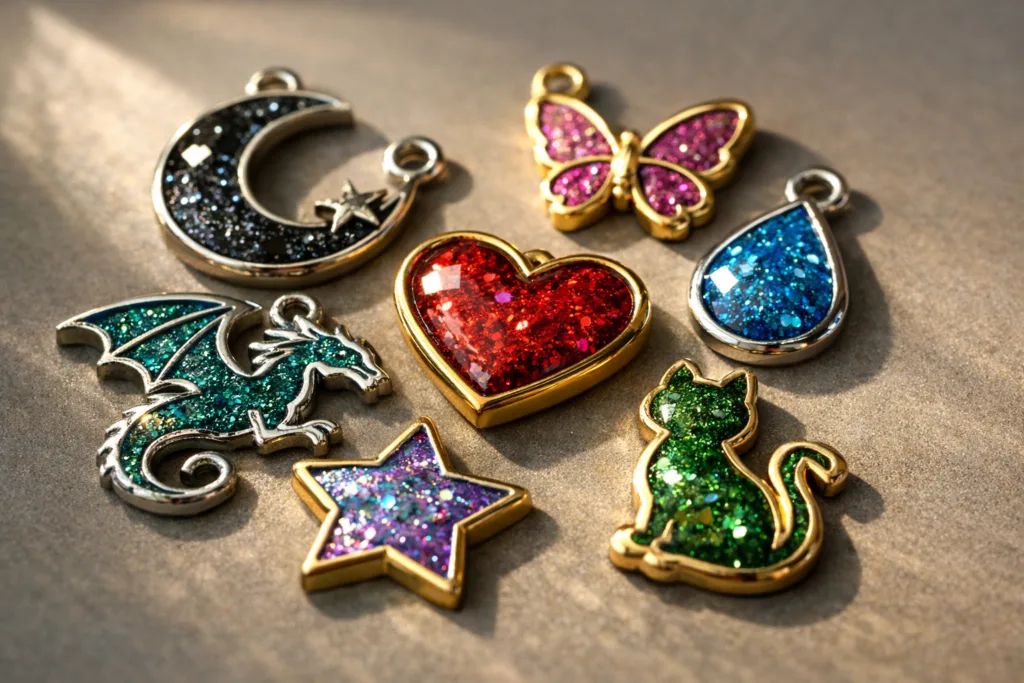
When thoughtfully integrated, glitter enamel does more than decorate metal tags—it amplifies branding, increases perceived value, and turns functional items into memorable assets. Combining the right glitter, finish, and production process, brands and makers can confidently add meaningful sparkle to merchandise and collectible tags in any industry.
Frequently Asked Questions
What is glitter enamel and how is it used on tags?
Glitter enamel is a decorative resin containing suspended glitter particles. It’s applied to metal tags, cured for durability, and creates a sparkling, standout effect used widely in merchandise and collectibles.
Is glitter enamel suitable for all types of metals?
Glitter enamel works well with brass, zinc alloy, and stainless steel after proper surface treatment. Aluminum is suitable with surface preparation; less commonly, it’s used on soft PVC.
Are glitter enamel tags environmentally friendly?
Modern eco-friendly glitter options are available, such as mineral-based or biodegradable particles, helping brands reduce microplastic pollution. Always check with your manufacturer.
Does glitter enamel wear off over time?
Properly applied and cured glitter enamel is highly durable. For high-wear items, a protective clear top coat can further extend the tag’s shine and resistance to abrasion.
Can glitter enamel be combined with other finishes?
Yes, it can be paired with mirror polish, antique plating, UV print, and more, enabling both modern and classic looks on the same tag for enhanced branding impact.
What product types benefit most from glitter enamel tags?
Glitter enamel tags are most impactful on exclusive merchandise, collectible items, branded accessories, limited edition packaging, and products aiming for high visual appeal.
Related Reading
- Unlock the Power of Vivid Color: 9 Ways UV Printing Revolutionizes Custom Metal Branding
- The Shining Standard: 17 Practical Ways High Polish Mirror Finish Transforms Luxury Tags & Keeps Them Flawless
- Antique Finishes: How to Capture a Vintage Look and Celebrate Brand Heritage
- 10 Ways Rainbow Metal PVD Coating Brings Iridescent Brilliance to Modern Design
- 7 Expert Secrets to Stunning Cut-Out Detailing for Metal Logo Tags
- 8 Surprising Advantages of Glow in the Dark Special Enamels for Safer & More Exciting Night Events