Understanding Dual Plating: Combining Two Metal Colors on a Single Tag
Dual plating, or applying two distinct metal finishes on a single tag, is transforming the way businesses and designers create memorable products. From jewelry branding to luxury luggage labels, dual plating offers both technical ingenuity and artistic flair. Thanks to advancements in metal finishing, brands now opt for stunning color pairings—like gold and silver, rose gold and black, or even antique brass with nickel—turning ordinary tags into standout pieces with tactile value and undeniable shelf presence.
What Is Dual Plating? The Basics Explained
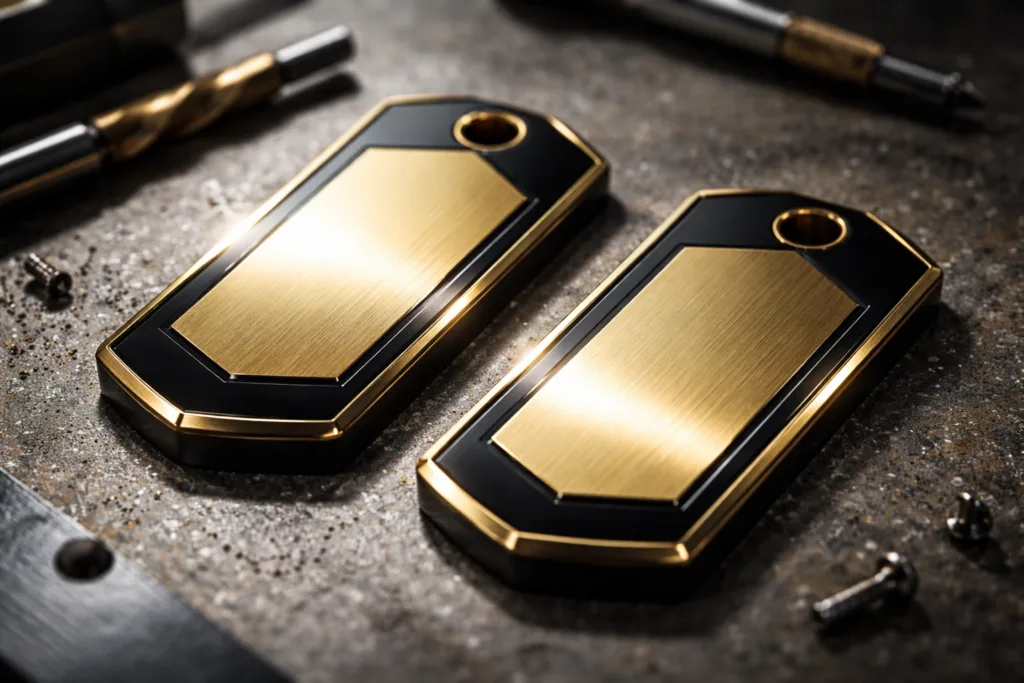
At its core, dual plating involves coating one part of a metal tag with one type of plating (such as shiny gold) and another area with a contrasting finish (like matte black). This layering creates a visual and tactile distinction, allowing logos, text, or specific design elements to pop with real dimensionality. This approach goes far beyond simple color fills; it relies on masking, precision tooling, and sometimes sequential plating baths that require strict control and patience.
Why Choose Dual Plating for Metal Tags?
The demand for dual plating is driven by a few simple facts: it elevates ordinary tags, increases perceived value, and enables strong brand recognition. Using two metal colors signals quality and intentional design. Whether for jewelry hang tags or exclusive product identifiers, the dual color finish commands attention in crowded product spaces. It also offers flexible personal branding, where you can match or accent your brand’s palette without resorting to dyes or paint alone.
The Artistic Appeal: Color Pairings That Inspire
Not all color combinations are created equal. Dual plating shines when classic pairings are used with purpose—think gold on black for luxury, silver on blue for hi-tech, or rose gold paired with matte nickel for a modern romantic vibe. These looks can be found from wedding jewelry tags to tech product logo tags. Designers often test color combos with sample plates before approval to ensure brand consistency and impression.
Popular Dual Plated Color Combinations
- Gold & Silver: Timeless, luxurious, and instantly recognizable.
- Black Nickel & Gold: Classic high-contrast, perfect for luxury and sports brands.
- Rose Gold & White Nickel: Contemporary and elegant, ideal for wedding and fashion tags.
- Antique Brass & Silver: Vintage yet upscale—great for heritage-focused brands (learn more on antique finishes here).
Dual Plating: Combining Two Metal Colors on a Single Tag
The process for dual plating a single tag is both an art and a science. First, the base metal tag—often brass, zinc alloy, or stainless steel—is cleaned and prepped. Next, a masking technique covers specific areas while the exposed sections are plated with the first metal. The mask is removed or shifted, and the second metal is deposited by a different solution or method. Industrial-level tags, such as those for luggage or keychains, require careful control to ensure clean lines and consistent thickness of each finish.
Dual Plating Techniques: How It’s Done
- Electroplating with Masking: Use of resist material or tape to protect areas during first bath, then swapped for second finish.
- Selective Barrel or Rack Plating: Placement of the tag in a jig or on a rack that physically blocks areas from contact with plating solution.
- Chemical Etching & Plating: Deep etch exposes recesses for one finish while keeping raised details for a second color.
- PVD (Physical Vapor Deposition): Specialized technique for durable, wear-resistant dual tones, often in luxury applications.
Industrial Challenges: Precision and Consistency
Achieving crisp transitions between two metals can be difficult. Overplating or bleeding of one metal into another’s zone must be watched closely—especially at micro scales. Rain Chen from UC Tag emphasizes how burrs or sharp corners can ruin a perfect dual-plated finish, so meticulous deburring and inspection between steps is crucial. Batch consistency requires careful monitoring of mask placement, current density (in electroplating), and base material quality.
Applications Across Industries: Where Dual Plating Shines
Jewelry and fashion aren’t the only fields that embrace dual plating. You’ll find it on:
- Logo and branding tags
- Bag plates and hardware
- Wine and bottle neck tags
- High-end electronic product labels
- Custom engraved dog tags
The use of dual colors enables subtle or dramatic differentiation, such as highlighting serial numbers in gold atop a matte black background for quick identification and a wow factor.
Branding & Personalization Benefits
Dual plating is a favorite among premium brands. With the right choice of color pairing, designers communicate brand mood and market position instantly. For special edition products, mixing metal finishes elevates perception and secures collector status. On personalized gifts like engraved photo dog tags, dual plating directs attention to names or logos, enhancing emotional value for the recipient.
Comparing Dual Plating to Other Color Techniques
| Finish Technique | Color Depth | Durability | Cost | Custom Shape Options |
|---|---|---|---|---|
| Dual Plating | High (metallic) | High | Moderate-High | Excellent |
| Enamel Fill | Variable (vivid colors) | Moderate | Moderate | Good |
| UV Printing | Full CMYK | Variable | Low-Moderate | Excellent |
| Single Plating | One color | High | Low | Excellent |
Choosing the Right Metals: Substrate and Coating
Selecting the right base metal—such as brass for its corrosion resistance, or zinc alloy for 3D relief—impacts both the look and service life of your tag. Some base metals take certain platings (like gold or nickel) more evenly. Consult with engineers (like those at UC Tag) to match substrate to your application, especially if the tag faces abrasion, chemical exposure, or skin contact sensitivity.
Tips for Picking Color Combinations
- Know your audience: Bold gold-and-black appeals to luxury buyers; subtle nickel and silver fits minimalist branding.
- Use contrast to highlight key info: Plating your logo in a brighter metal draws the eye.
- Try physical samples: Always check paired colors under various lighting, as metals reflect light differently (mirror finishes vs. matte textures).
- Factor long-term visual wear: Lighter platings can show scratches sooner; darker colors may hide them better.
Dual Plating in Jewelry and Accessories
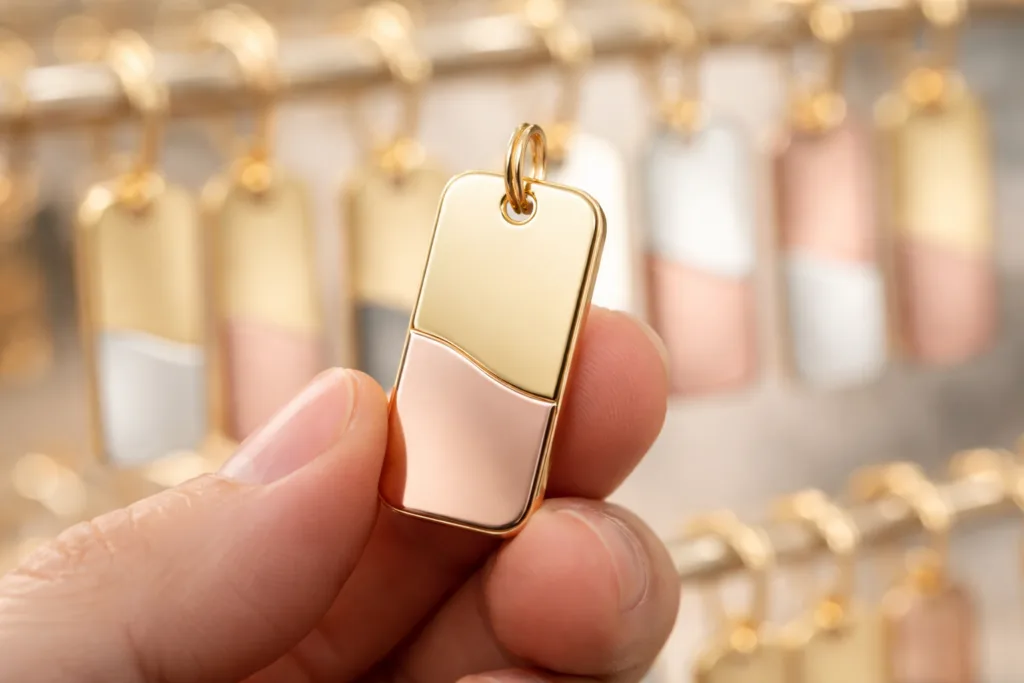
The marriage of dual plating and jewelry tags is impossible to ignore when exploring wedding, fashion, and keepsake accessories. Rose gold with white nickel or silver with vibrant black nickel sets the tone for boutique-level details. Dual plating is also prominent in custom bracelet tags, where subtle contrasts highlight engraved initials, event years, or unique QR codes for digital engagement.
The Role of Surface Texture
Surface finish determines how each plated metal appears to the eye. A deeply matte background sets off a mirror-polished logo. Advanced studies of matte vs. glossy surfaces reveal important impacts on QR or data tag legibility—a crucial point when using dual plating for functional or interactive tags.
Ensuring Quality and Durability in Dual-Plated Tags
Dual plated tags demand more inspection than single-color plates. Pay attention to possible surface defects such as pitting, thin spots, and edge bleed. Periodic testing for scratch resistance, salt spray (for corrosion), and color adhesion is necessary, particularly if the tag will endure frequent handling. Quality control teams, like those at UC Tag, regularly test plating thickness and colorfastness for every batch.
Maintaining Dual-Plated Tags: What Owners Should Know
To keep dual-plated tags looking sharp, avoid abrasive cleaners—simple microfiber cloths and mild soapy water are best. Exposure to chlorine, skin acids, or harsh chemicals can accelerate tarnish or change color appearance, particularly for gold or rose gold finishes. Always dry thoroughly after cleaning and store tags in dry, soft packaging when not in use.
Common Issues and How to Avoid Them
- Overlapping Metal Boundaries: Ensure manufacturers use precise masking methods and inspect between plating steps.
- Uneven Color: This often results from inconsistent base polishing or incorrect solution strength.
- Edge Chipping: Rounded corners and thorough deburring reduce risk (see more on material thickness and edge design).
Dual Plating vs. Other Two-Color Methods
Some designers consider dual-layer construction (soldering two different colored plates) or two-tone painting. However, dual plating is preferred for scratch resistance, crisp appearance, and seamlessness. It also handles fine details better and can survive regular cleaning and wear without color transfer or peeling.
Can Dual Plating Be Used for QR Codes and Data Tags?
Yes—with care. Strategic use of plating color contrast behind a laser-marked QR code ensures the right balance between readability and aesthetics (see QR code dog tags for examples). High-polished or mirror finishes should be balanced with matte plating in other regions to minimize glare and scanning errors.
Small-Batch Customization and Limited Editions
Dual plating is ideal for producing small runs with enhanced value—such as anniversary edition tags or limited release accessories. This allows designers to offer brand fans a premium upgrade without fully custom tooling or new base shapes.
Case Studies: Successes in Dual Plated Branding
- Luxury Giftware: Brands released two-tone bag plates (e.g. black nickel rim with gold logo) that increased shelf appeal and allowed quick differentiation from generic products.
- Event Merchandise: Music festivals adopted gold-silver plated bookmark tags for VIP attendees, making a lasting impression on fans.
- Heritage Product Launches: Antique brass and nickel plating evoked nostalgic association while remaining modern.
Tips from the Shop Floor: What Manufacturers Wish Designers Knew
- Tooling and mask costs are higher—factor this into budgets, especially for highly detailed cut-outs or fine text.
- Some color combos require extra processing steps or longer lead times due to chemical reactivity and adhesion differences.
- Testing multiple sample finish swatches is crucial—real-life lighting and touch feel are essential for decision-making.
Future Trends: Technology Meets Craft in Dual Plating
Plating technology continues to evolve, opening the door to even more vibrant and resistant finishes (e.g., advanced PVD for super wear-resistance, or environmentally friendly nickel alternatives). As brands look for ways to stand out in crowded markets, dual plating is set to play a major role, especially as personalization and small-batch releases gain traction.
Conclusion: Bringing Dual Color Vision to Life
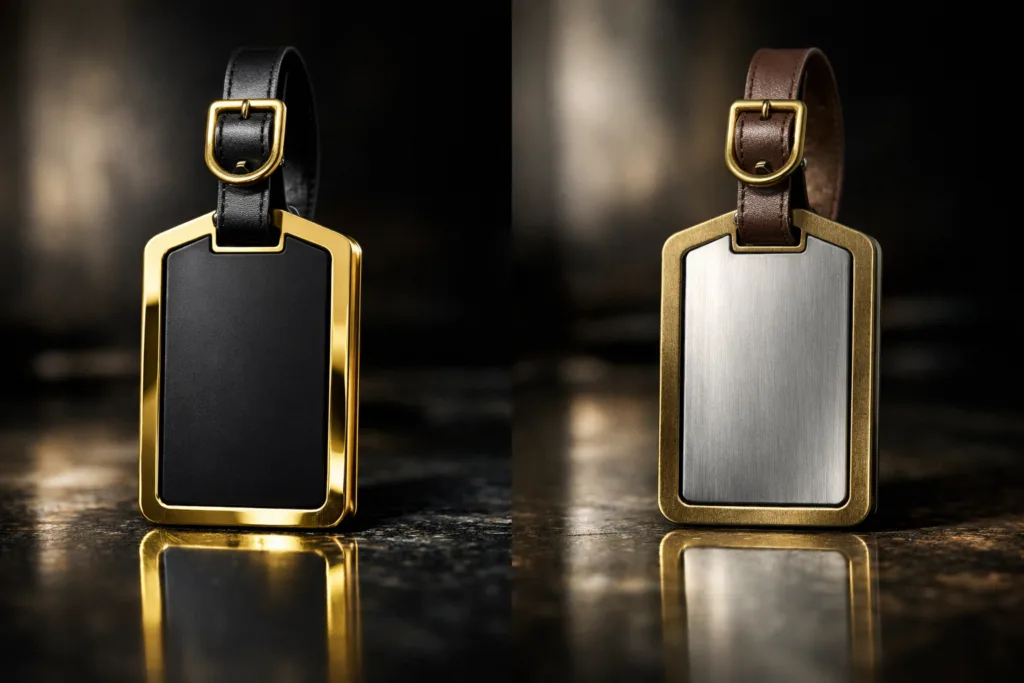
Dual plating is more than a decorative finish—it’s a manufacturing achievement that speaks to modern branding needs and the desire for unique, high-quality accents. When executed with care and informed design choices, dual-plated tags provide functional beauty that endures wear, elevates products, and leaves a lasting brand impression. As technology evolves and new trends emerge, expect even more dynamic uses for this remarkable method of combining two metal colors on a single tag.
Frequently Asked Questions
What types of metal tags are suitable for dual plating?
Most commonly, tags made from brass, zinc alloy, and stainless steel work best for dual plating due to their stability and ability to hold multiple finishes without warping or pitting.
Is dual plating more expensive than single plating?
Yes, dual plating typically costs more due to extra masking, processing, and quality inspection steps, but the enhanced aesthetics and brand value often justify the investment for premium products.
How durable are dual-plated tags compared to painted ones?
Dual-plated tags are more scratch-resistant and longer-lasting than painted tags. The metal finishes bond tightly, resisting flaking and fading with regular use.
Can I order completely custom color combinations?
Yes. Most experienced manufacturers offer sample runs for custom pairings, though some exotic combinations might require special plating chemistry or sample testing for compatibility.
What care is recommended for dual-plated jewelry tags?
Use a soft cloth and mild soap. Avoid chemicals, keep the tag dry, and store it individually to avoid scratches or mixed-metal tarnishing.
Are dual-plated tags suitable for outdoor use?
With proper plating and a clear topcoat, dual-plated tags handle outdoor conditions well. Select metals like brass and stainless steel for the best outdoor durability.