Introduction: The Power of the Black Metal Aesthetic
The demand for sleek, dark finishes in metal design has soared, with the “black metal aesthetic” finding a place in everything from luxury decor to streetwear accessories. Achieving this look, however, isn’t a one-size-fits-all process. Two standout techniques—black nickel plating and black dye finishing—offer distinct pathways to this coveted deep black effect. In this article, we take a close look at Black Nickel vs. Black Dye: Understanding the Black Metal Aesthetic, uncovering what sets them apart, how they’re created, and which projects each suits best.
What Defines the Black Metal Aesthetic?

The black metal aesthetic blends sophistication with a bold, contemporary edge. Whether featured on a minimalist bracelet, designer luggage tag, or industrial furniture accent, it’s the finish that turns function into fashion. Typically, the goal is a consistent, durable, and visually arresting black tone—achieved through either black nickel plating or black dye treatments. Understanding their differences unlocks new potential in product design and branding.
Black Nickel Plating: How It Works and What It Delivers
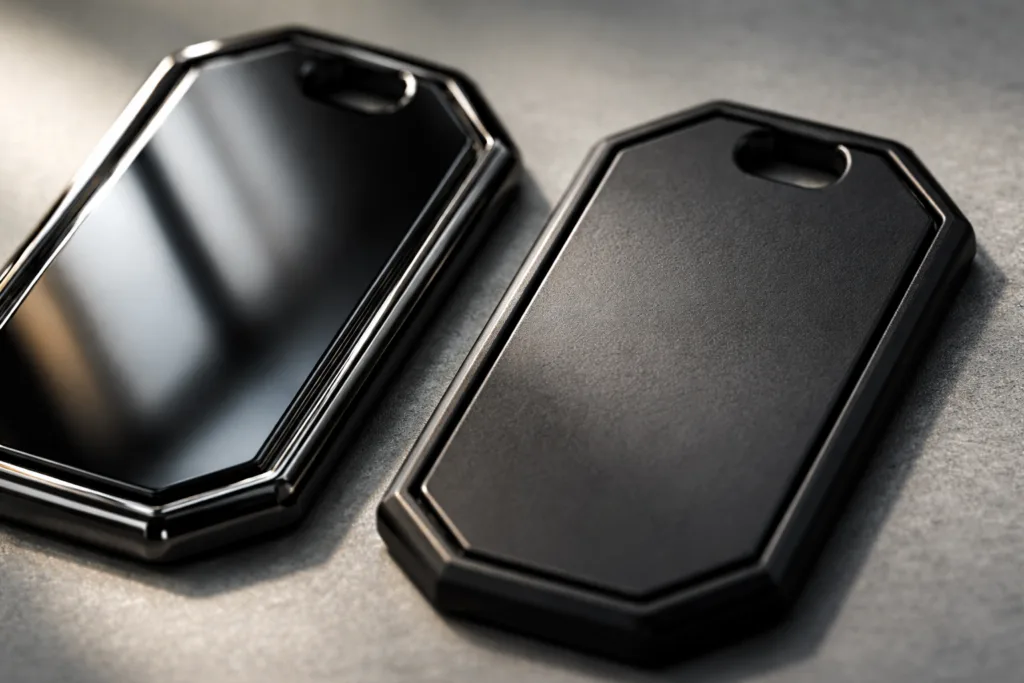
Black nickel plating is an electrochemical process that coats the base metal—often brass, steel, or zinc alloy—with a thin nickel layer infused with darkening agents. The result is a tactile, gloss-to-matte black surface with subtle metallic undertones. Common in jewelry, luxury tags, and high-end hardware, it sets itself apart through reliability and an unmistakable deep luster.
The Process Behind Black Nickel Plating
The technique involves electroplating. First, the metal is cleaned and pre-treated, then submerged in a bath containing nickel salts and proprietary chemicals that encourage the distinct black hue. Voltage is applied to control thickness and depth of color, resulting in a finish that’s both protective and fashionable.
Properties of Black Nickel
- Rich, deep black color with subtle reflectivity
- Durable against abrasion and corrosion
- Resistant to fingerprints and smudging
- Delicate balance of matte and gloss depending on the bath composition
- Can be polished for a mirror-like appearance or lightly brushed for a satin effect
Where Black Nickel Really Shines
Luxury brands frequently select this finish for premium bag tags and jewelry. For example, the black electroplated dog tag from UC Tag balances industrial toughness with striking visual appeal, making it a favorite for both rugged and elegant products.
Black Dye Finish: Method, Look, and Performance
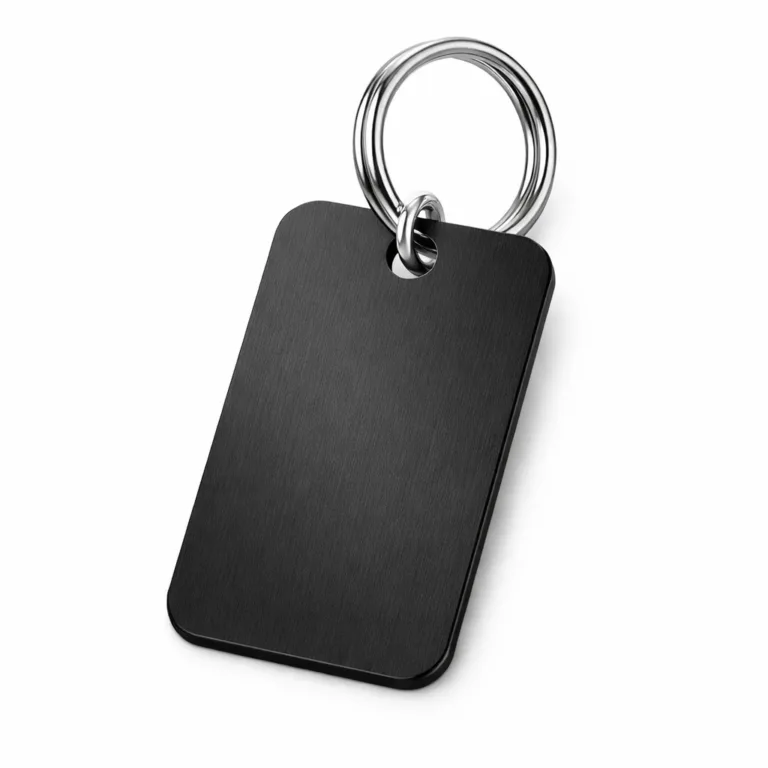
Black dye finishing, in contrast, uses a chemical dye that permeates the metal surface or anodized layer (especially aluminum), producing a uniform, contemporary black. This approach is widely used for products where color vibrancy and cost efficiency matter, like keychains, tech accessories, and lightweight brand tags.
The Dyeing Technique Explained
In this method, the metal (often anodized aluminum) absorbs the liquid dye, locking in the black hue. Post-dye sealing adds durability, but overall wear resistance depends on substrate quality and final topcoat application.
Key Characteristics of Black Dye
- Ultra-uniform and color-rich appearance
- Ideal for detailed graphics and tight tolerances
- Less metallic sheen—more solid black effect
- Typically lighter weight than plated alternatives
- Potentially lower cost for high-volume production
Signature Applications for Black Dye Metal
Black dye finishes excel on ultra-thin lightweight accessories, like matte black luggage tags and mass-produced promotional keychains. The dye method is particularly suitable when consistent large-area coverage and graphic contrast are needed, making it a solid choice for branded giveaways or tech hardware branding.
Side-by-Side Comparison: Black Nickel vs. Black Dye
| Aspect | Black Nickel | Black Dye |
|---|---|---|
| Technique | Electroplating | Dye absorption/anodizing |
| Visual Effect | Metallic black, optional gloss/matte | Solid black, typically matte |
| Durability | High (scratch & wear resistant) | Good (depends on seal/topcoat) |
| Color Depth | Rich with subtle undertones | Flat, uniform black |
| Cost | Medium-high | Lower |
| Applications | Luxury goods, jewelry, hardware | Keychains, tech, volume tags |
Benefits and Limitations of Black Nickel Plating
Advantages
- Premium look with lasting quality
- Scratch and corrosion resistance ideal for wearables
- Flexible finish (mirror polish or matte)
Drawbacks
- Higher price point than dye finishes
- Process complexity—plating bath maintenance is critical
- Thickness variation can affect fine details
Pros and Cons of Black Dye Metal Finishes
Advantages
- Outstanding color uniformity
- Lighter weight and flexible for thin parts
- Ideal for graphics, QR codes, and text
Limitations
- Less scratch resistance without premium sealing
- The color can fade with heavy abrasion
- Slightly lower perceived luxury for high-end products
Industry Spotlight: Metal Aesthetics in Fashion, Jewelry, and Decor
From matte black garment tags to lustrous black-plated bracelets, the choice between black nickel and black dye hinges on both design aspirations and practical demands. In fashion, black nickel exudes exclusivity—think chic jewelry or custom logo tags where every reflection counts. Dye finishes, meanwhile, are favored for accessories where branding, QR codes, or color detail are paramount. Fashion designers also appreciate options like matte black garment tags for their subtle statement and wearability.
Deep Dive: Plating Techniques for Enhanced Metal Finishes
Electroplating and dyeing aren’t the only ways to achieve the black metal aesthetic. Other treatments—such as PVD (Physical Vapor Deposition), sandblasting, and UV printing—add more layers of style and protection. Sandblasted surfaces deliver modern matte contrasts, while UV printing enables vivid custom colors atop black-dyed substrates, making each piece even more unique. UC Tag’s production shop typically weighs up these options based on intended use, edge quality needs, and batch size.
Case Studies: When Black Nickel Outperforms
Jewelry and Premium Tags
Consider the exclusive black-plated logo tags on luxury purses: The subtle metallic gleam of black nickel signals high value. Jewelry designers prefer nickel for its longer-lasting finish, crucial for items exposed to continuous handling.
Industrial and Brand Hardware
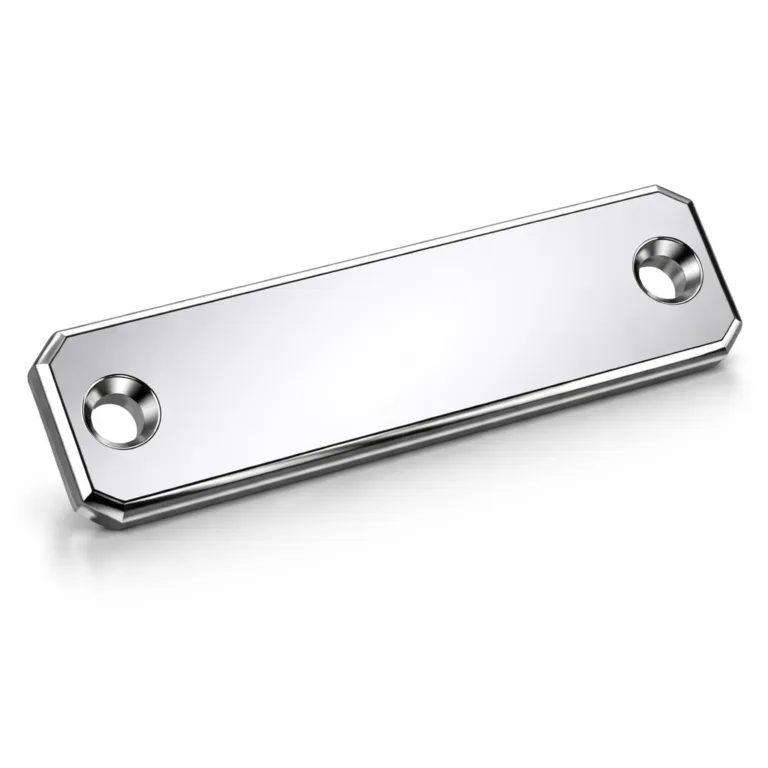
With hardware such as lock plates or equipment labels, black nickel’s abrasion resistance becomes a major advantage, ensuring the finish holds up to regular wear and cleaning.
Case Studies: Black Dye Finish in Action
High-Volume Keychains and Tech Merchandise
Black dye’s uniformity and cost-effectiveness make it the go-to for event giveaways, tech branding, and lightweight tags. For example, matte black keychain tags combine strong visual identity with minimal added weight.
Detailed Graphics and QR-Coded Tags
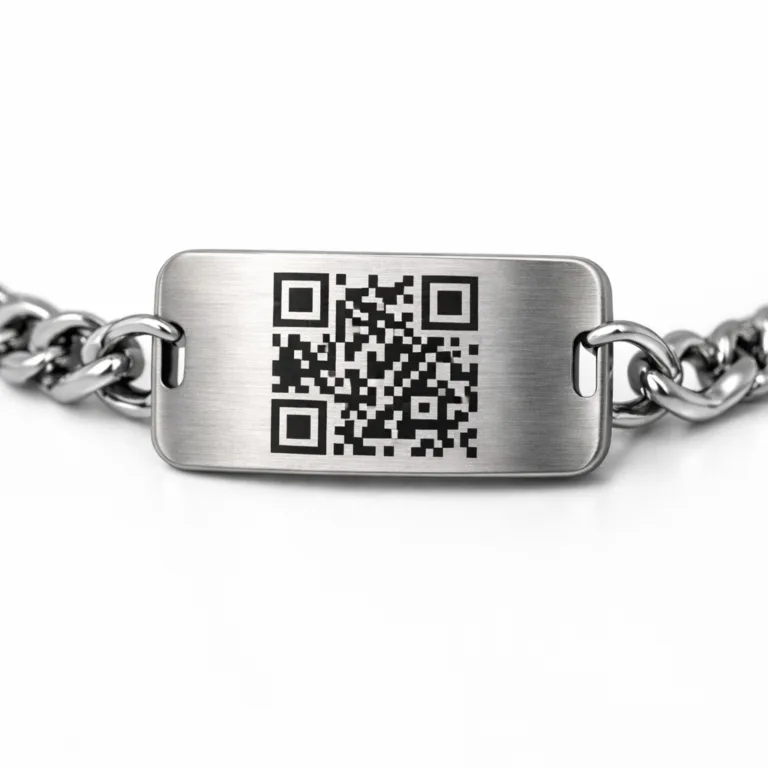
Products requiring precision graphics benefit from dye finishes. Crisp QR codes and fine text are easier to read against a fade-free, solid black background—see QR code bag tags for reference.
Key Factors to Consider When Choosing a Finish
- Intended Use: How will the product be worn or handled?
- Design Goals: Is metallic sheen preferred, or pure matte?
- Durability Needs: Will the finish be exposed to abrasion or chemicals?
- Budget: Is high volume or premium feel the priority?
- Customization: What graphics, text, or branding elements are needed?
Shop-floor craftsmen, like Rain Chen at UC Tag, often note that plating thickness and color match tolerance are critical details—especially when matching batches for demanding clients. These factors help avoid surprises in gloss, color tone, or logo clarity.
Maintenance and Longevity of Black Metal Finishes
Both finishes require careful batch quality control. Black nickel offers exceptional resilience, resisting scratches and fading over years of use. Black dye finishes need robust sealing—especially for items in frequent contact with skin, fabric, or harsh environments. Consider additional coatings, like epoxy domes, for extended label longevity (clear protective coating).
Spotlight on Customization: Achieving Unique Looks
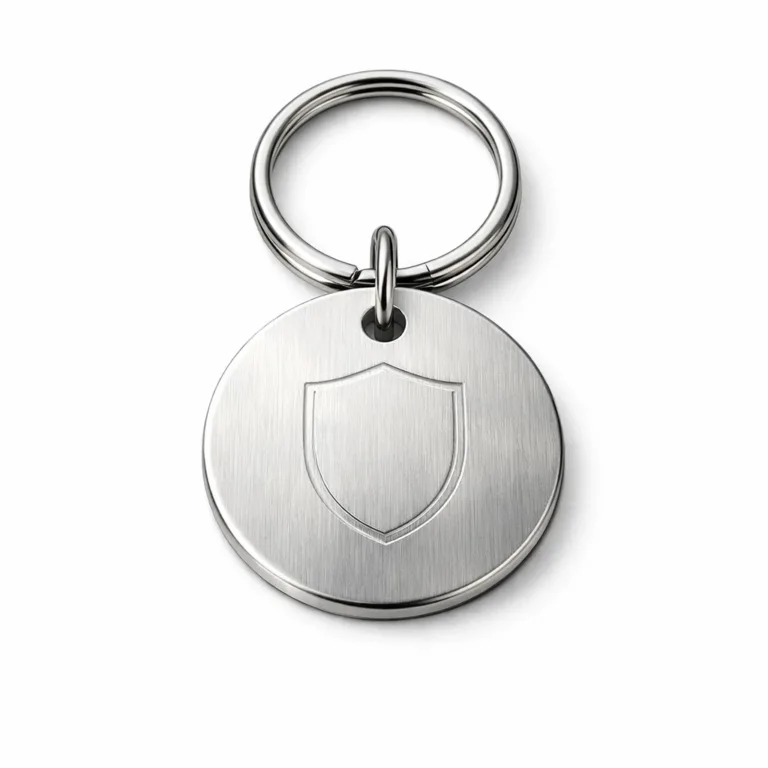
Dye finishes are favored for intricate logos and detailed graphics, thanks to their ability to deliver crisp, vivid results. Plated black nickel is more suited to minimalist, tactile designs—where subtle luster complements clean embossed branding, like on embossed dog tags. Both offer versatile solutions for designers with unique visions.
Sustainability and Eco-Friendly Black Metal Finishes
Eco-conscious brands increasingly weigh the environmental impacts of metal finishing. Black dye on recycled aluminum minimizes waste and saves energy, while nickel plating, though longer lasting, involves heavier chemical processing. Designers seeking green credentials should explore recycled metal options paired with low-impact dye techniques.
Common Problems and How to Avoid Them
- Finish Fading: Ensure proper post-treatment for dye finishes.
- Edge Chipping: Work with manufacturers who deburr and finish edges fully.
- Batch Variation: Demand strict color and finish QC between runs.
- Logo Clarity: Opt for the right finish depending on design needs—plated for tactile, dye for graphic.
Trends Shaping the Black Metal Aesthetic
The “black metal aesthetic” continues evolving. Mirror-polished black nickel is in demand for ultra-luxury applications, while matte-dye finishes support minimalist, branded tech. Hybrid approaches—mixing sandblasting, PVD, and dye—allow brands to set themselves apart.
Black Nickel vs. Black Dye: Understanding the Black Metal Aesthetic
Choosing between black nickel and black dye comes down to intent, budget, and desired look. Each offers strengths, from rugged premium appeal to super-smooth uniform coloration. Designers, manufacturers, and brand managers benefit most by understanding the chemistry, QC realities, and wear patterns before making their selection.
Conclusion: Make Your Mark with the Perfect Black Finish
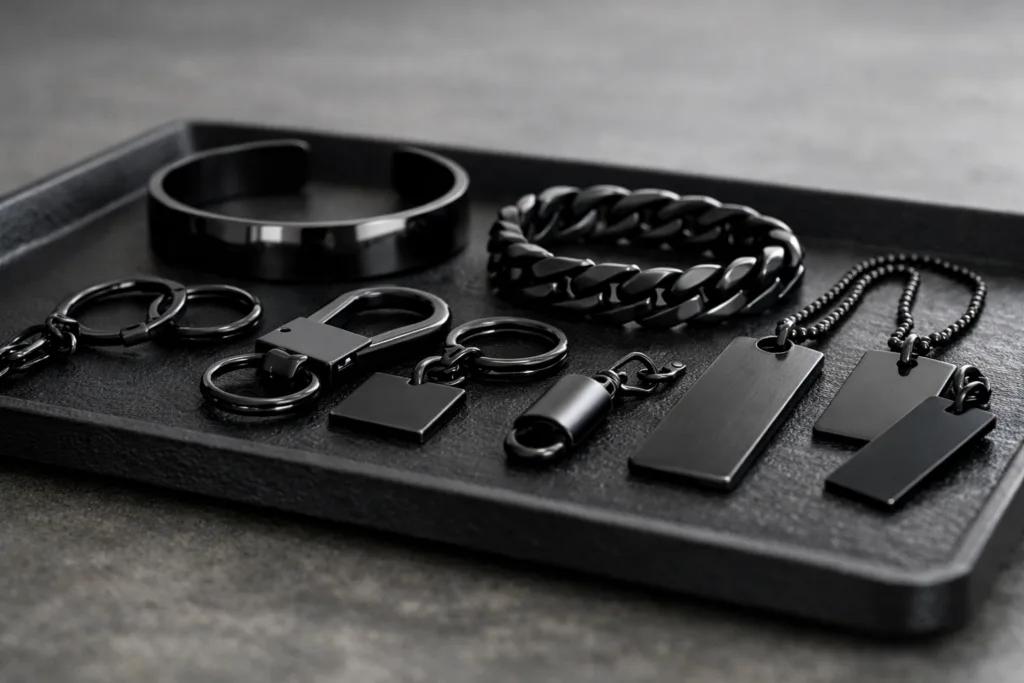
Black nickel and black dye each shape the black metal aesthetic in powerful, practical ways. Whether for timeless jewelry, fashion-forward accessories, or robust hardware, selecting the right finish is essential for lasting quality and visual impact. Assess your project goals, seek skilled manufacturing insight (like those shared by shop-floor experts), and demand excellent quality control for results that stand out—both today and for years to come.
Frequently Asked Questions
Which is more durable, black nickel or black dye?
Black nickel plating offers superior durability with better resistance to scratches and corrosion than most black dye finishes, especially for wearables and hardware.
Will the black color fade over time on metal products?
Black nickel typically retains its color longer due to the plating process, while black dye finishes may fade faster if exposed to frequent abrasion or poor sealing.
Can both finishes be used for detailed graphics?
Black dye is ideal for fine graphics or text, especially for QR codes; black nickel works well for tactile embossed designs, but fine detail can be tricky if the plating thickness varies.
Is one finish better for eco-friendly applications?
Black dye on recycled metals is a better choice for sustainability, as it uses fewer harsh chemicals than nickel plating, which has a heavier environmental footprint.
What factors affect the cost of each finish?
Black nickel plating usually costs more due to process complexity and material, while black dye is less expensive and preferred for high-volume production runs.
How do I choose between black nickel and black dye for my brand tags?
Consider your durability needs, design style, and branding goals—opt for nickel for high-end, tactile looks and dye for graphic detail and cost-effectiveness.
Related Reading
- How Sandblasted Finishes Create Modern Matte Metal Looks
- Unlock Vivid Branding with UV Printing on Metal Tags
- Antique Metal Finishes: A Guide to Creating Vintage, Brand-Rich Tags
- Transform Your Brand: The Impact of Mirror Polish on Metal Tags
- Extend Metal Tag Life: When to Use Epoxy Domes for Clear Protection