Understanding QR Code Readability and Surface Finish
QR codes are everywhere—from product packaging and business cards to museum plaques and conference name badges. But not everyone realizes that the finish of a tag or label, specifically whether it is matte or glossy, strongly impacts QR code readability. In this article, we’ll uncover how the surface texture influences efficiency, scanning reliability, and the overall user experience. We’ll compare both finishes and share practical tips to guide your choice for different environments and design goals.
What Is Surface Finish in QR Code Applications?
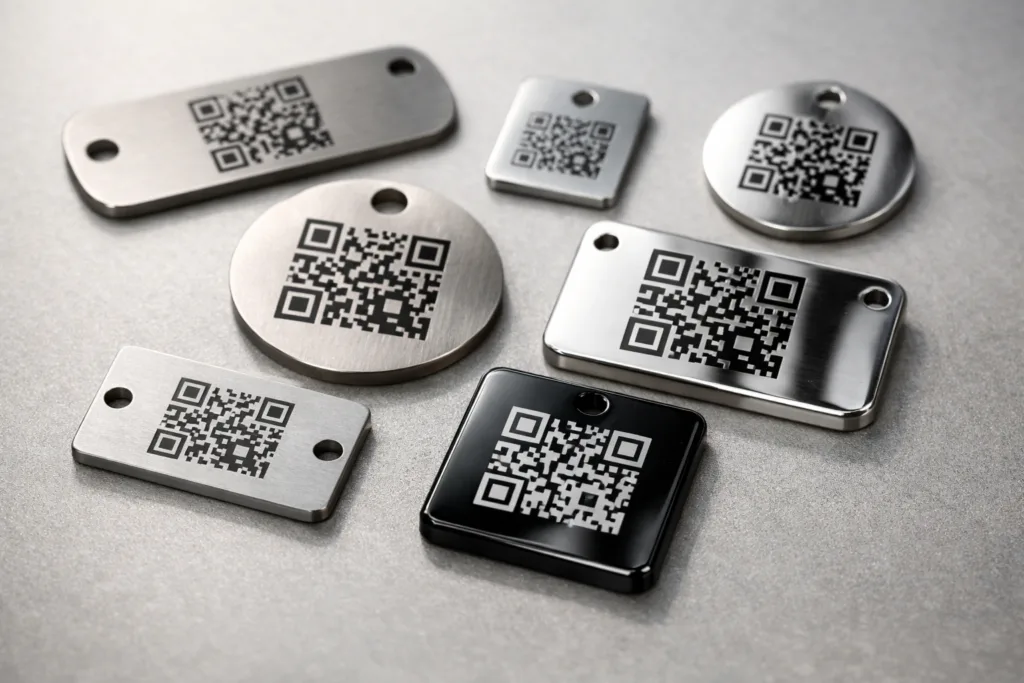
When manufacturing QR code tags, the final appearance and usability largely depend on the surface finish. A surface finish is the outermost layer or texture applied to a material—most often metal, plastic, paper, or adhesive labels. This finish can affect light reflection, fingerprint visibility, scratch resistance, and crucially, how easily a smartphone or scanner reads the QR code.
Matte Finish: Features and Benefits
A matte finish has a flat, non-reflective look. Light scatters instead of bouncing directly off the surface. This makes matte finishes almost glare-free, improving QR code visibility across most lighting conditions. The tactile feel is usually soft or slightly textured, which also resists visible fingerprints and smudges.
- Glare-resistant under sunlight or bright LED
- Better for outdoor or high-traffic environments
- Textured feel can look modern or understated
Glossy Finish: Features and Benefits
Glossy finishes are highly polished and reflect light. They add a sense of luxury and catch the eye with their sharpness. While visually striking, they can become problematic for QR code scanning due to glare. Glossy surfaces are smooth to the touch, and fingerprints or smudges may be more noticeable unless a protective coating is applied.
- Vivid colors and crisp appearance
- Ideal for premium, indoor branding
- Susceptible to glare in direct light
Technical Factors Impacting QR Code Readability
QR codes function through high-contrast patterns—dark modules on a light background. Scanners rely on this to differentiate the patterns quickly. Surface finish affects:
- Light Reflection: Intense glare (from glossy) can confuse scanners.
- Contrast Retention: Matte keeps contrast stable; gloss can wash it out.
- Edge Clarity: Smudged or mirrored surfaces reduce sharpness.
Matte vs. Glossy: Choosing the Right Texture for QR Code Readability.
Let’s get to the core of the debate—matte or glossy? The choice for QR code surface texture centers on balancing visual aesthetics and practical scanning efficiency.
| Property | Matte Finish | Glossy Finish |
|---|---|---|
| Light Reflection | Low (scattered) | High (mirror-like) |
| Scannability (general) | Very High | Medium-Low (risk of misreads) |
| Fingerprint Visibility | Low | High |
| Visual Impact | Subtle/Modern | Bold/Premium |
| Outdoor Suitability | Excellent | Limited |
For high-scanning environments such as warehouses, outdoor markets, or luggage tags, matte is the practical choice. For branded gift tags inside controlled environments, glossy can work if the lighting isn’t intense.
Scanning Efficiency: Practical Insights
Direct experience in manufacturing reveals a simple rule: the less glare, the faster and more reliably QR codes scan. At UC Tag, we often observe that a well-made matte finish allows even standard mobile cameras to read codes at oblique angles or in challenging lighting. In contrast, glossy finishes require careful planning, sometimes including anti-reflective coatings, to avoid frustrating users with scan failures.
Visual Aesthetics and Brand Perception
Your chosen finish alters how recipients see your product or brand. Matte surfaces often feel more modern, understated, or functional—focusing attention on the code itself. Sandblasting is a popular way to achieve consistent, durable matte looks on metal tags. Glossy finishes broadcast a premium vibe, drawing eyes with shine and color depth, which is why they’re often used for gift or commemorative tags.
Environmental Factors: Where Will Your QR Code Live?
Sunlight exposure: Glossy tags can become nearly unreadable outdoors. High-touch surfaces: Glossy may attract fingerprints, blocking code regions.
Consider:
- Outdoor event tickets or signage: Go matte.
- Product authentication inside packaging: Glossy, if glare is managed.
- Luggage/asset tags: Matte for durability and readability.
Tips for Designers: Maximizing QR Code Readability
- Choose high-contrast colors, regardless of finish.
- Keep minimum module size (the blocks) above 0.4mm.
- Avoid overlaying QR codes with patterns or gradients—photorealistic finishes should not disrupt code readability.
- Maintain generous quiet zones (blank space) around codes.
- Field-test codes under the actual lighting and handling conditions you’ll use.
Tips for Marketers: Matching Finish to User Experience
Think about when and how your audience will scan. For campaigns where speed and ease matter, minimize obstacles—matte often wins here. If delivering a luxury feel but still relying on scanning, consider a hybrid approach: matte background for the QR code area and gloss for the rest.
Common Pitfalls with Matte and Glossy QR Tags
- Forgetting the environment: Placing glossy codes under spotlights or sunlight is a recipe for scanning frustration.
- Ignoring upkeep: Glossy finishes require more frequent cleaning, and matte can become dull if not properly sealed during manufacturing.
- Treating all materials the same: Metals, plastics, and papers reflect and hold finishes differently, so always request samples.
Metal Tags: Processes that Impact QR Code Finish
How QR codes are applied to metal tags (engraving, laser marking, UV printing) directly interacts with the finish. For example, UV printing on matte offers vibrant color without compromising scanning, while laser-etched codes on glossy often need anti-glare overlays for reliable reading.
Scratch Resistance and Long-Term Durability
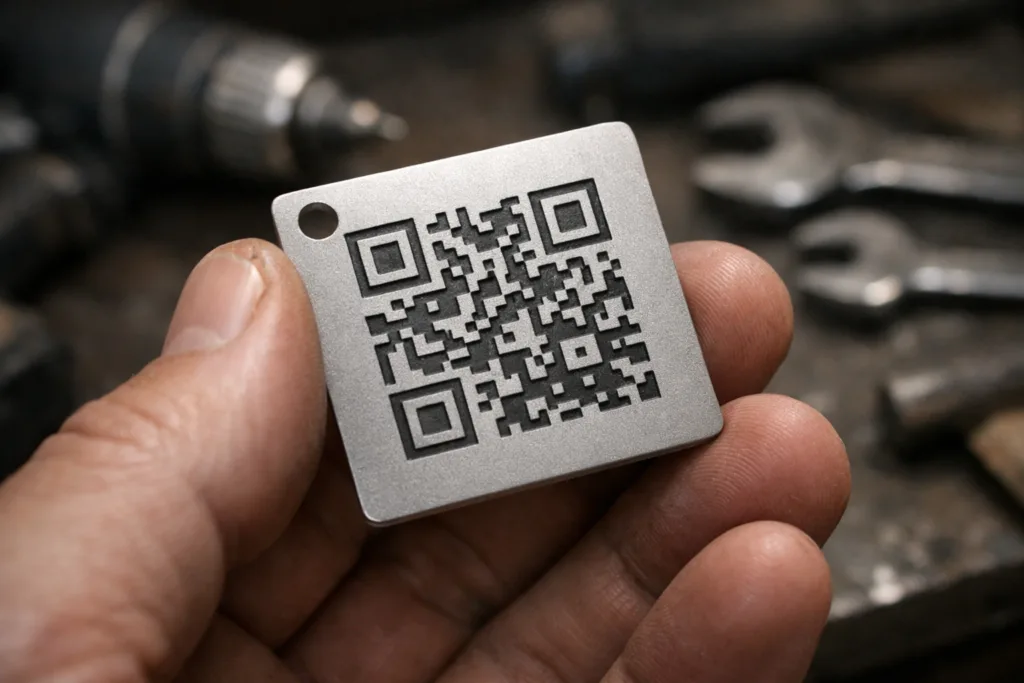
Matte finishes, especially those made by sandblasting or bead-blasting, tend to hide scratches and blemishes. Glossy finishes look pristine when new, but may quickly reveal wear and tear, which can obstruct QR codes over time.
Case Study: Luggage and Asset Tags
For applications like QR code luggage tags or industrial asset labels, the main goals are resilience and instant readability. UC Tag typically recommends laser-etched matte stainless or anodized aluminum for the highest reliability and lowest maintenance. Gloss is rarely chosen unless it’s for special edition or presentation pieces used in protected spaces.
Specialty Finishes: Are There Alternatives?
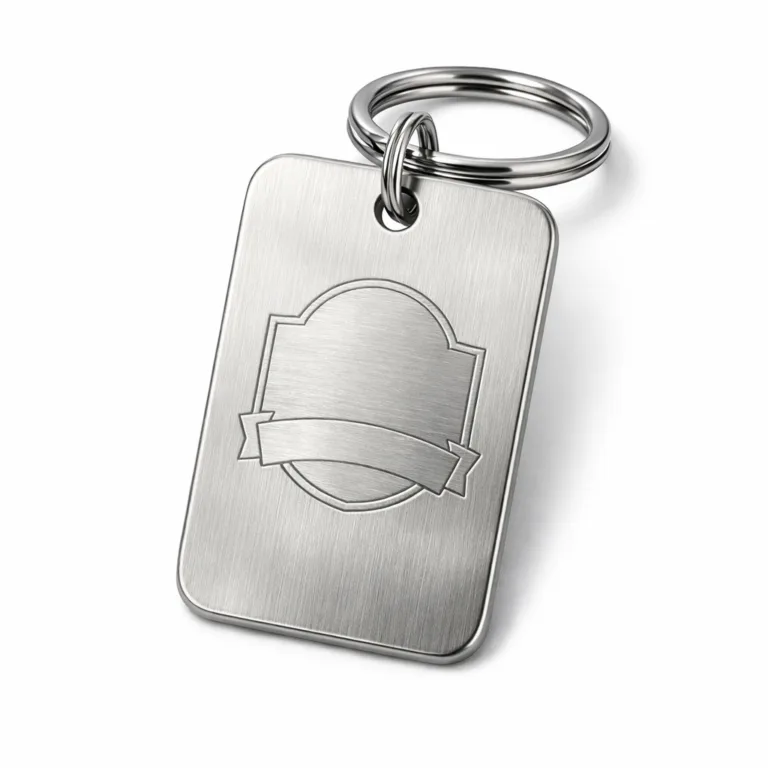
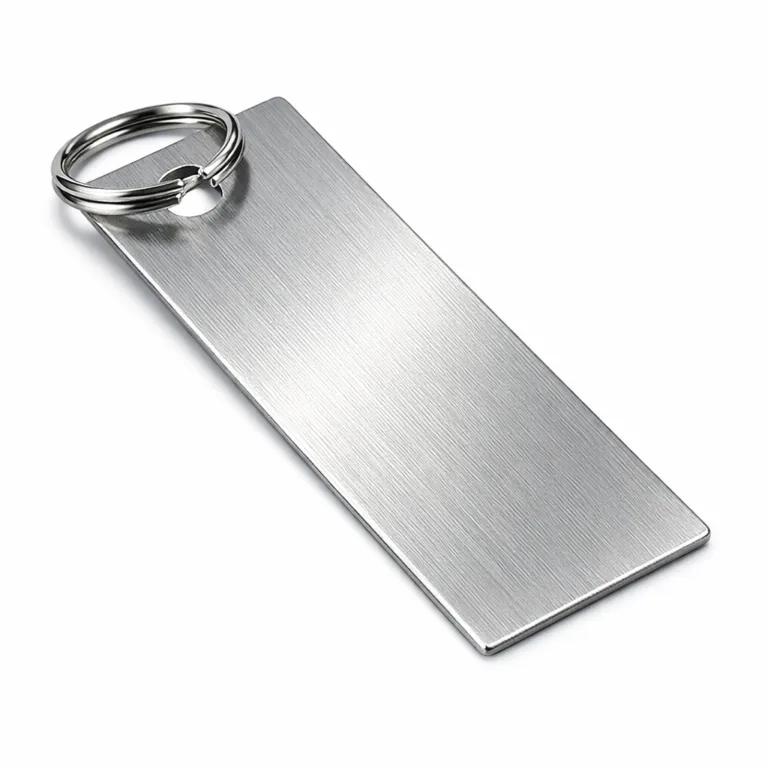
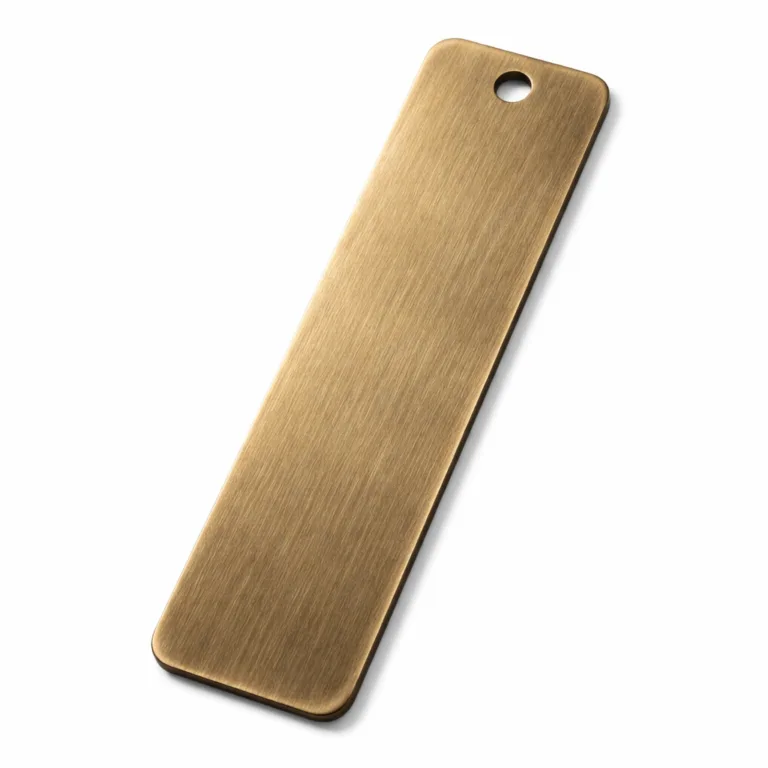
Certain applications benefit from hybrid or protective coatings. For instance, epoxy domes offer a middle ground: a clear, semi-gloss protective layer that adds longevity without extreme glare if dome thickness is kept moderate. Textured metallic finishes (like brushed or bead-blasted) also provide glare control with a premium feel.
Testing and Quality Assurance in QR Tag Production
Proper field testing is vital. At UC Tag, every batch of QR code tags is tested using standard mobile devices under varied lighting before approval, catching issues like inconsistent etching or unexpectedly reflective surfaces. It’s the most reliable way to avoid surprises after deployment.
Real-World Examples: QR Codes That Fail vs. Succeed
- Retail checkout: A glassy tag at a register struggles as store lights cause glare; a matte hang tag scans in a snap.
- Outdoor tour signage: Glossy surface gets sun-struck and unreadable; sandblasted matte stays clear.
When to Use Matte Over Glossy
Choose matte finish for:
- Any environment with shifting or harsh lighting
- Outdoor applications
- Heavy-use tags that need to mask scratches
- Functional tags where scanning speed matters
When to Use Glossy and How to Compensate
Glossy finishes can be fitting for:
- Presentation pieces under ambient/controlled light
- Special edition tags with vivid graphics
- Low-contact applications (e.g., inside packaging)
Add anti-reflective coatings, test thoroughly, and keep the code area free from smudges to counteract scanning issues.
Environmental and Sustainability Considerations
Matte finishes, especially those achieved through recycled metal production or powder coating, tend to be more eco-friendly. High-shine glosses may require extra chemicals or energy-intensive buffing, increasing carbon footprint.
Integrating with Other Metal Tag Features
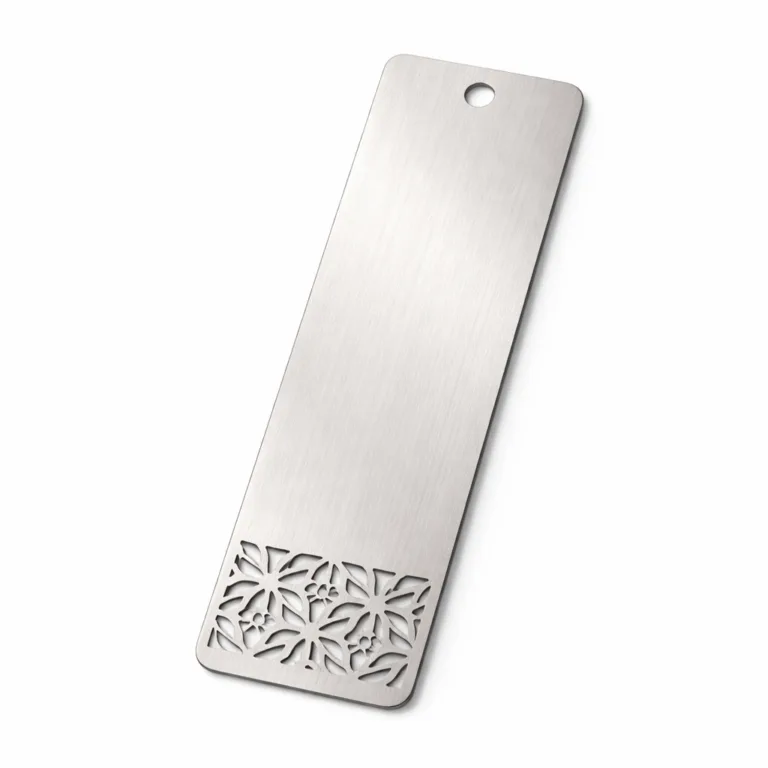
Designers often combine matte QR surfaces with other features, like cut-out detailing for visual interest or batch numbering for traceability. Pairing the right surface with value-added production steps increases both functionality and aesthetics.
Cost, Lead Time, and Batch Variation Realities
Matte textures (like sandblasting or bead-blasting) usually add minimal cost and are consistent across batches. High-gloss mirror finishes are more labor-intensive and can show greater batch-to-batch variation, especially in large runs. Always request sample approval before full-scale production.
Matte vs. Glossy Beyond Metal: Paper, Plastic, and Hybrid Tags
For paper tags, matte lamination is again preferred for smooth scanning. Plastics mimic both looks, but fine matte grains (like on some luggage tags) resist blocking light. Hybrid approaches might add a clear window just for the QR area.
How to Test Your QR Code Tags Before Production
- Print or produce several finish prototypes
- Test with different smartphone brands
- Try in bright, dim, and angled lighting
- Check for durability after handling and cleaning
Summary Table: Recommended QR Code Finish by Setting
| Application | Environment | Recommended Finish |
|---|---|---|
| Luggage/Travel | Outdoor/Variable | Matte (laser or UV) |
| Retail Packaging | Indoor | Glossy (high contrast QR area) |
| Event Badges | Indoor/Outdoor | Matte |
| Industrial Asset | Rugged/Dirty | Matte (etched/anodized) |
Conclusion: The Winning Texture for QR Code Readability
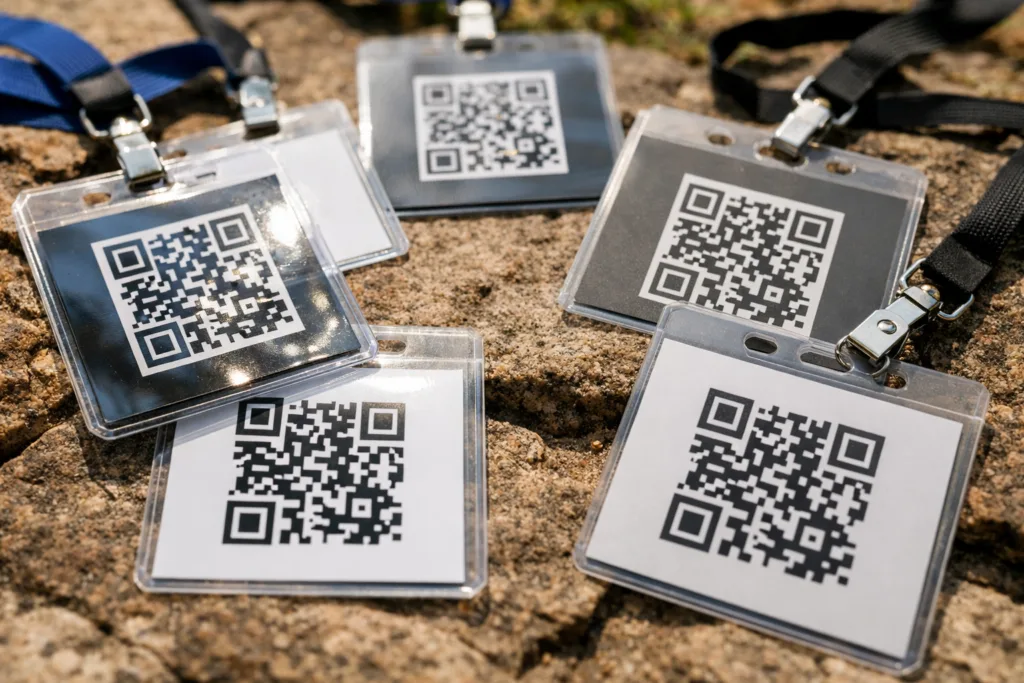
The finish you choose isn’t just about looks—it directly determines how fast and reliably your QR codes scan. In almost every scenario where function trumps form, matte is the safe bet, delivering user-friendly, repeatable scan results. Glossy works in controlled settings, but always field-test for glare. By weighing the setting, brand image, and finish realities, designers and marketers can confidently create codes that deliver smooth digital experiences and dependable performance.
Frequently Asked Questions
Why does glare on glossy finishes make QR codes hard to scan?
Glare from glossy finishes causes light to reflect directly into the scanner or camera, washing out the QR code’s pattern and preventing accurate reading.
Can you still use a glossy finish if you want strong visual impact?
Yes, but minimize scanning areas under direct light and use anti-reflective coatings or limit gloss to areas outside the QR code itself for best results.
What production methods create matte finishes for metal QR tags?
Common techniques include sandblasting, bead-blasting, and powder coating, plus specialized matte lacquers for additional protection and durability.
Should I choose a matte or glossy finish for outdoor QR tags?
Matte is strongly recommended for outdoor tags as it resists glare, sun reflection, and scratches, maintaining readability over time in unpredictable lighting.
How can I test QR code readability on my sample tags?
Try scanning with different smartphones in all intended lighting conditions, checking for glare, poor contrast, or blocked QR elements due to fingerprints or scratches.
Does the underlying tag material matter with surface finish?
Yes—the material can affect how finishes bond, wear, and reflect light. Metals, plastics, and paper all interact differently with matte and glossy coatings.