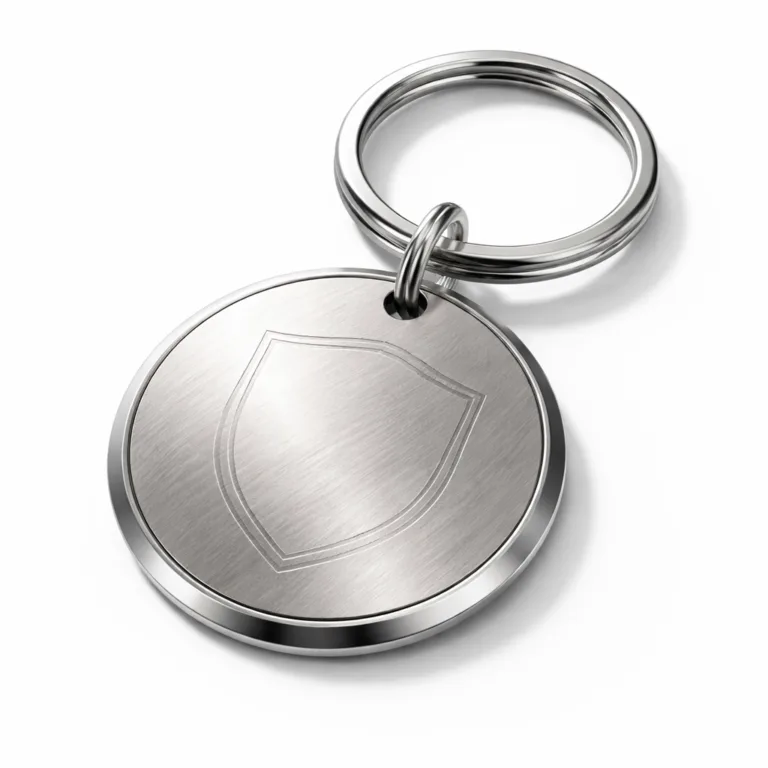
Creating an authentic vintage look through antique finishes is a powerful way for brands to communicate heritage and craftsmanship. The tactile, timeworn allure of aged metals, natural patinas, and thoughtfully selected materials transports customers to a period when stories mattered and quality was everything.
Why Antique Finishes Matter for Brand Heritage
Antique finishes do more than evoke nostalgia—they serve as markers of tradition and trust. When brands use finishes reminiscent of the past, they instantly convey depth and authenticity. Genuine patinas and vintage-inspired coatings can instill emotional resonance, giving consumers a sense of historical continuity. Such connections are especially impactful for legacy brands or those seeking to establish themselves as authoritative figures in their niche.
Understanding Antique Finishes
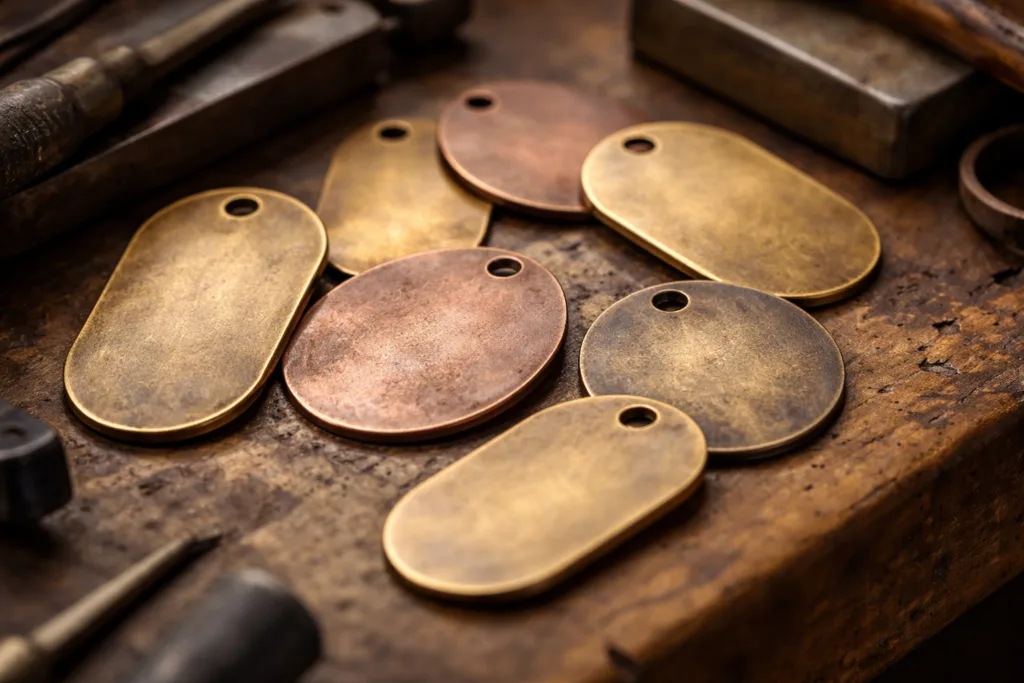
An antique finish refers to any surface treatment that replicates the visual and tactile qualities of aged materials. These can include oxidized metals, weathered patinas, distressed woods, and vintage paint effects. Not only do these finishes look historic, but they also add texture, visual interest, and a sense of storytelling to any product.
Popular Materials for Achieving Antique Effects
Certain metals and materials lend themselves particularly well to vintage-style treatments:
- Brass: Develops a rich patina over time and can be artificially aged.
- Copper & Bronze: Known for dramatic green-blue oxidization (verdigris).
- Zinc Alloy: Easy to plate and patinate for affordable large-batch production.
- Stainless Steel: Can be treated for selective oxidation but less common for deep patina.
For sustainable branding, consider recycled metals and woods that accept antique finishes beautifully.
Techniques to Achieve an Antique Look
Physical Aging
Physical aging methods create genuine wear on surfaces. Common techniques include sandblasting, abrasion with fine steel wool, and soft hammering. For example, sandblasting can reveal the contrast between matte and shiny areas, simulating natural aging found on heirloom objects.
Chemical Patination
Applying acids or special solutions accelerates the oxidation process, developing a stable patina that resembles decades of exposure. Classic patinas include brown, black, or verdigris finishes, seen on luxury items and commemorative plaques.
Layered Plating and Selective Removal
Multiple plating layers (such as nickel, copper, then antique top coats) can be selectively abraded to mimic centuries of handling. This physical-chemical interplay is common for custom logo tags and limited-edition collectibles.
Specialized Coatings
Modern clear coats can fix patinas in place and add scratch resistance, so the antique effect lasts. This is especially valuable for high-touch items like keychains and bag tags. Learning when to use a clear protective coating can make a difference in durability and appearance.
How Patina Enhances Brand Storytelling
Authentic patina is more than surface-level beauty. Patina tells a story of time and interaction. Brands that highlight this process connect with consumers seeking objects that feel “lived-in” yet enduring. For example, a copper or bronze tag that has deliberately aged evokes historic craftsmanship, proving that a manufactured item can attain heirloom status—a practice further explored here: Why Patina Makes History and Art Shine.
Balancing Authenticity vs. Mass Production
One challenge in large-scale branding is creating finishes that feel unique but remain consistent batch after batch. Each piece must carry the handmade look without true randomness causing major differences. For mass-produced metal tags, experienced manufacturers like Rain Chen at UC Tag rely on precise timing, control of chemical ratios, and temperature modulation to “steer” the aging process. This way, every bag tag or logo plate feels individually aged but delivers reliable color and texture within brand guidelines.
Case Studies: Brands That Excel with Vintage Looks
Luxury Luggage—Heritage Revival
Heritage luggage brands use antique brass tags and clasps to position their products as descendants of classic travel trunks. The rich gold-bronze patina isn’t just for show—it suggests histories of grand journeys and enduring value.
Craft Distilleries—Aged Metal Accents
Spirits brands often employ antique-finished bottle tags, giving the impression that each batch has a legacy worth celebrating. If you’re designing for wine or liquor packaging, reference the Antique Brass Wine Tag for a lasting impression.
Fashion and Apparel—Vintage Appeal
Denim and leather goods labels with aged brass or copper details instantly cue quality and heritage, fostering emotional attachment and longevity in consumer perception.
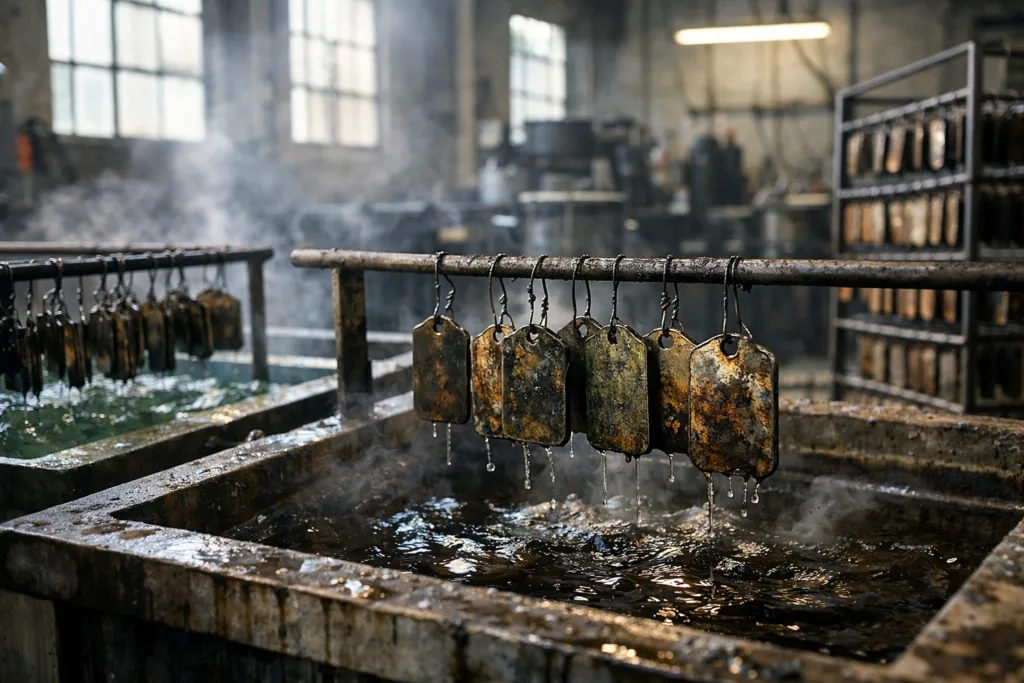
Step-by-Step Process: Creating an Antique Finish
Material Selection
Start with metals known for their patination—brass, copper, bronze, or plated zinc alloys. The base material’s response to chemicals and abrasion determines the outcome.
Surface Preparation
Clean, deburr, and apply controlled brushing or matte finishing. UC Tag stresses the importance of burr control and even surface prep so chemical patinas develop evenly.
Applying Patinas
Submerge parts in a chemical bath or apply solution by hand. Monitor the reaction closely—timing and temperature impact final appearance.
Fixing & Protecting the Finish
Neutralize chemicals, rinse, then apply optional clear coat or wax for enhanced durability. For products with tactile use, consider a durable clear domed coating, as discussed in Epoxy Domes and Clear Protective Coating.
Quality Control: Ensuring Consistency
Assess batch-to-batch color, depth, and feel. Partnering with experienced producers helps avoid common pitfalls like uneven coloration, flaking, or color drift between lots.
Design Tips for a Vintage Aesthetic
- Combine aged metals with natural materials (leather, wood, canvas) for authentic layering.
- Use classic shapes—rounded edges, oval or rectangular tags—often found on legacy products.
- Add subtle engraving or embossing for tactile interest.
- Opt for warmer, muted metal tones and avoid high-gloss finishes.
For apparel projects, Antique Brass Garment Tag options can provide historically grounded details that stand up to daily use.
Common Pitfalls and How to Avoid Them
- Inconsistent Patina: Ensure even cleaning and apply patinas in controlled conditions to avoid patchiness.
- Flaking or Unstable Coating: Always neutralize chemicals and cure finishes thoroughly.
- Overly Artificial Look: Use restraint—natural wear and color gradients bring authenticity.
Caring for and Maintaining Antique Finishes
Aged finishes are designed to look better with handling, but routine cleaning (with soft cloths and non-abrasive products) preserves their appeal. Avoid harsh chemicals that strip patina. Waxing or reapplying clear coats seasonally can enhance durability for keychains and luggage tags.
Customization and Personalization for Brand Impact
Vintage finishing can be customized for each batch—consider batch serial numbers, logo placement, or custom shapes. Bulk manufacturing capabilities, as outlined in Custom Metal Tags Manufacturer, make it possible to keep a consistent heritage vibe across entire product lines.
Antique Finishes: How to Achieve a Vintage Look for Brand Heritage.
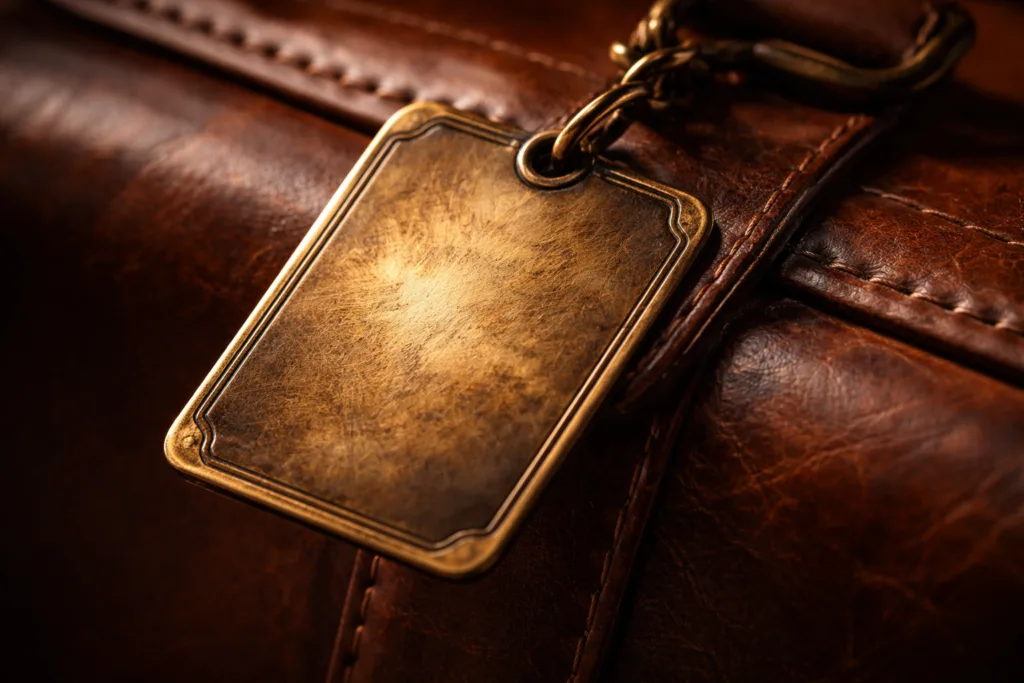
In summary, there’s a technical and creative art to creating finishes that signal a storied past. By thoughtfully choosing materials, mastering aging techniques, and refining protective coatings, brands can boost their heritage narrative without sacrificing durability. Each tag, clasp, or emblem becomes a testament to legacy—inviting consumers to connect their own stories with yours.
Frequently Asked Questions
What is the difference between a patina and an artificial antique finish?
Patina is a naturally formed surface layer from age and oxidation, while an artificial antique finish uses chemical or mechanical treatments to simulate that aged appearance quickly.
Can you use antique finishes on all types of metal?
Most metals can be antiqued, but brass, copper, zinc alloys, and bronze respond best. Stainless steel and aluminum require specialized treatments for a convincing effect.
Will antique finishes wear off with time?
Patinas can become deeper and more attractive with wear, but protective clear coats help prevent excessive fading or flaking, especially on high-touch items like keychains or tags.
How do I maintain a product with an antique finish?
Gently clean surfaces with a soft cloth, avoid harsh chemicals, and periodically reapply clear wax or sealant to prolong the finish’s appeal and protection.
Is there a way to achieve batch consistency with antique finishes?
Experienced manufacturers use strict process controls and skilled QC checks to maintain consistency, even when each piece displays unique character traits.
Are antique finishes eco-friendly?
Many modern finishing processes use less harmful chemicals and even recycled base metals, offering a more sustainable path to producing vintage-inspired brand assets.
Related Reading
- The Hidden Power of Patina: Copper & Bronze in Brand Storytelling
- Modern Sandblasting: Unlocking Authentic Matte & Gloss Effects
- Protective Coatings for Patina—When to Use Epoxy Domes
- How Recycled Metals Add Story and Sustainability
- Bulk Branding: Custom Metal Tags Manufacturing Guide
- Antique Brass Garment Tags for Lasting Vintage Appeal