Introduction: Why Cut-Out Detailing Changes the Game for Pierced Metal Logo Tags
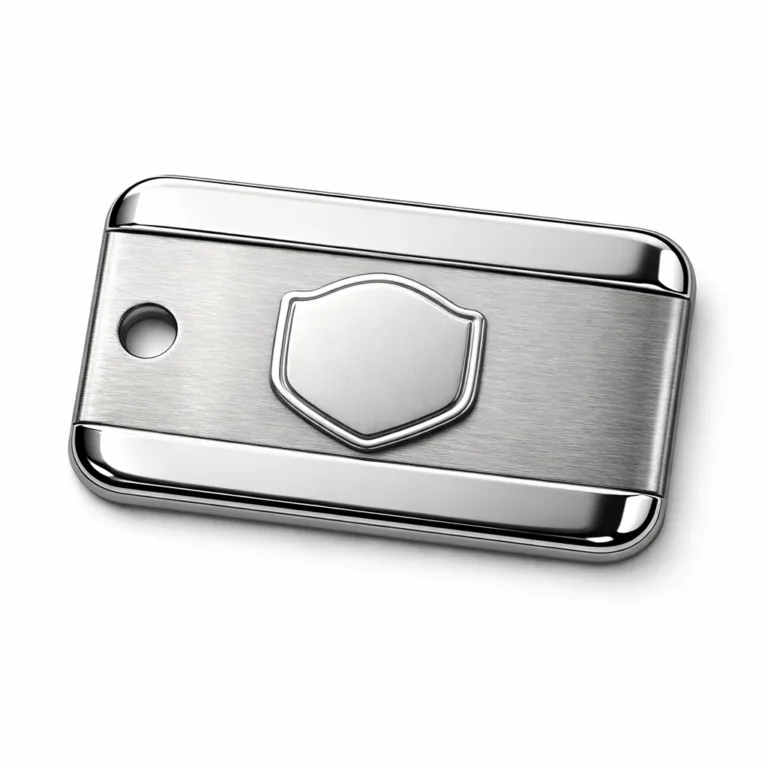
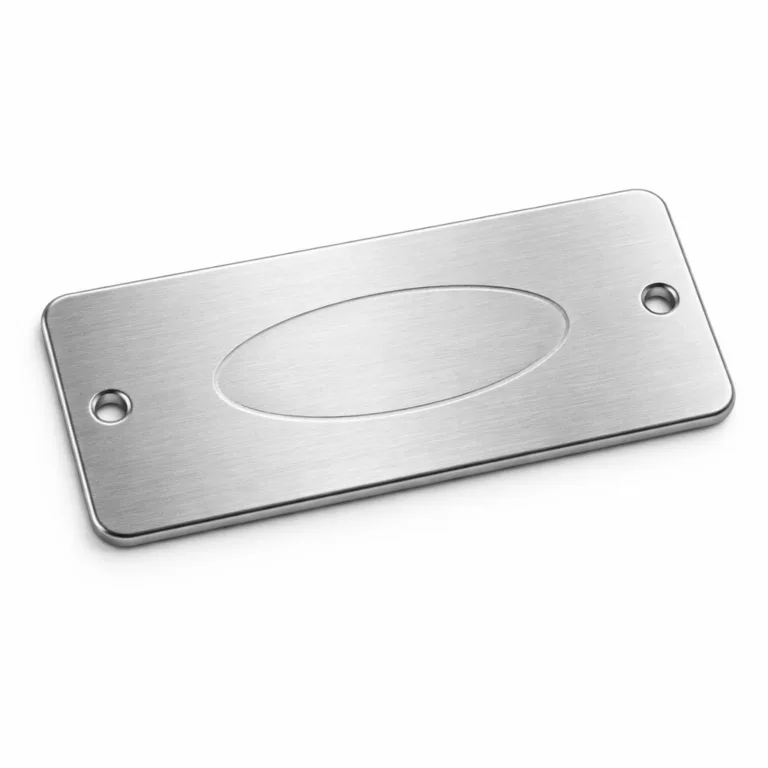
Cut-out detailing in pierced metal logo tags is more than just a visual flourish—it’s a dynamic way to express brand identity, add dimensionality, and set products apart in a crowded marketplace. As companies and designers search for creative yet practical tag solutions, cut-out techniques present endless possibilities for intricate logos and memorable finishes. This article dives deep into cut-out detailing, covers best design practices, and showcases real-world applications so you can create tags that stand out and last.
The Essence of Cut-Out Detailing: What Makes Pierced Metal Logo Tags Distinctive?
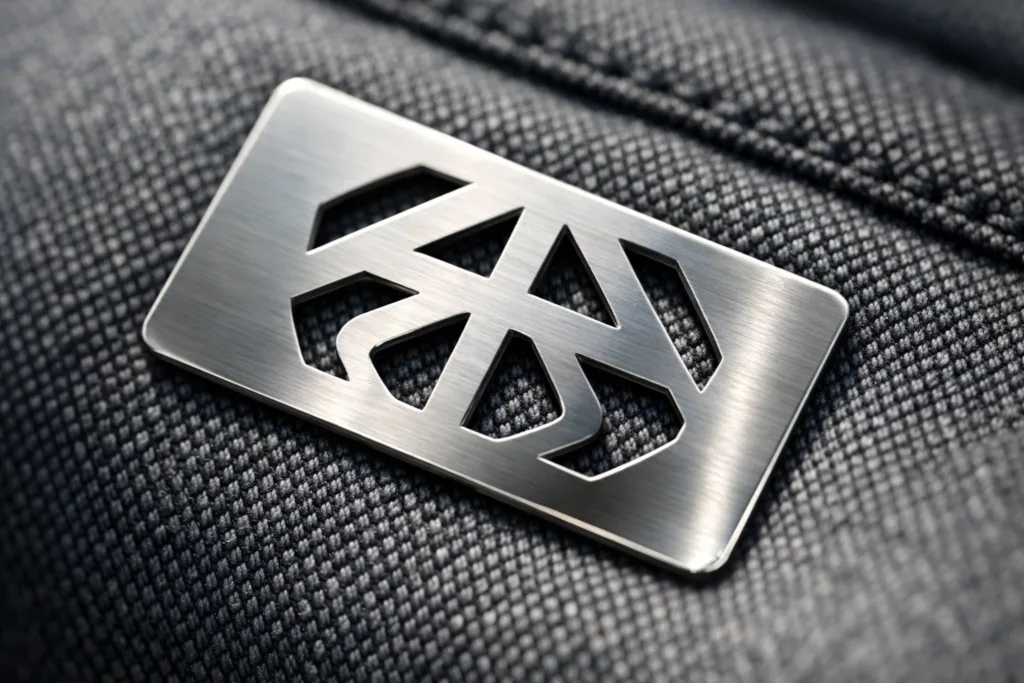
Cut-out detailing refers to the intentional removal of material from a metal tag to form patterns, logos, or text. The result is a design where negative space becomes an integral part of the logo or graphical element. This brings visual lightness, allows for unique interplay with underlying surfaces, and offers tactile feedback.
Visual Impact and Brand Recognition
Pierced logo tags grab attention with bold silhouettes and crisp lines, making brand marks instantly recognizable—whether on a luxury handbag, garment, or tech accessory.
- Distinct profiles
- Shadow play with underlying substrates
- Increased legibility for simple shapes and letters
Functional Advantages
Cut-outs can reduce weight, improve attachment flexibility, and—when executed correctly—boost the tag’s resistance to wear, all while maintaining brand perception.
Materials Matter: Choosing the Best Metal for Cut-Out Logo Tags
The base material is a foundational design decision. You’ll want something durable, yet workable, that can showcase clean cut-out lines without warping or excessive burr.
Popular Choices
- Stainless Steel: Tough, corrosion-resistant, perfect for fine lines and harsh environments.
- Brass: Warm tones and easy machinability, but needs careful plating to prevent tarnish.
- Aluminum: Lightweight and supportive of anodized colors, though softer than steel.
- Zinc Alloy: Allows 3D features and cost-effective for bulk runs (see 7 Advantages Zinc Alloy Tags Bring to Custom 3D Logo Designs).
Thickness and Gauge Selection
Material thickness influences the tag’s rigidity and the minimum cut-out width possible. Visit Your Ultimate Gauge Guide: 7 Essential Tips for Material Thickness in Garments and Dog Tags for advice on balancing strength and fine detail.
Manufacturing Reality from UC Tag
Rain Chen (UC Tag) notes that even with advanced CNC or laser cutting, very thin metals (<0.5mm) may warp, while heavy gauges (>2mm) stop being practical for smaller tags. The sweet spot—often 0.8–1.5mm—allows for sturdy tags and crisp detailing.
Design Tips for Pierced Metal Logo Tags
Designing with cut-out detailing means thinking about both the positive and negative shapes. Here are practical pointers:
- Avoid weak bridges—ensure metal connections have enough width to remain strong after cutting.
- Keep tiny shapes simple to maintain legibility and avoid manufacturing defects.
- Use vector artwork for precision (see Artwork Prep for Metal Dog Tags: Vector Rules & Line Weight).
- Balance decorative cuts with functional needs—holes for attachment or area reserved for engraving.
Common Formatting Rules
- Minimum cut-out width: typically 0.8mm or greater
- Isolation of small elements to avoid bending
- Symmetry where possible for visual harmony
Balancing Creativity with Manufacturing Constraints
Pushing creative boundaries is exciting, but production realities should guide the process. Detailed logos, micro-text, or ultra-fine lines may look beautiful on screen but fail in practice without the right setup.
Cut-Out vs. Etched and Stamped Methods
| Method | Strength | Detail Level | Cost | Weight |
|---|---|---|---|---|
| Cut-Out | High (if bridges solid) | Medium-High | Medium | Low |
| Etched | Medium | Very High | Medium | Medium |
| Stamped | Highest | Medium | Low | Medium |
Industry Observations: UC Tag’s Shop Floor
Rain Chen highlights that keeping an even plating thickness is tougher with lots of cut-outs; plating tends to build up around cut edges, so visual inspection is critical during QC. Some designers request sandblasted backgrounds (Sandblasting for Modern Matte Metal: Top-Quality Contrasts in Design & Production) for additional texture contrast around cut-out shapes.
Attachment Methods and Tag Integration
How pierced tags are affixed changes their wear resistance and user experience. Common solutions include:
- Sewing holes
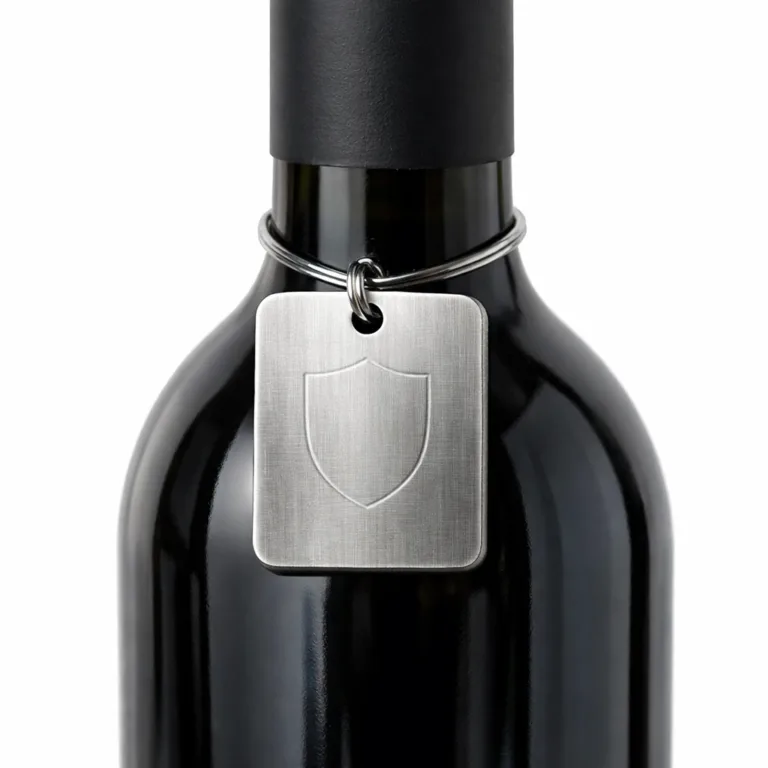
- Split rings—used for keychains and pet tags
- Riveted or snap-on points—common on clothing and accessories
- Adhesive backing—occasionally paired with lighter tags
Edge Radius and Safe Handling
Adding a radius or deburring sharp corners is essential. Not only for safety, but for ensuring the tag doesn’t snag or scratch surfaces.
Durability and Finish Selection
Finishing options affect not only visual appeal, but also resistance to corrosion, abrasion, and discoloration.
- Electroplating (e.g., gold, nickel, black PVD)
- Anodizing—especially for aluminum
- Clear protective coatings for longevity (6 Key Factors: The Smart Way to Use Epoxy Domes and Clear Protective Coating for Lasting Durability)
- Antique, matte, or mirror polish variations
Weather and Wear Considerations
If tags will be exposed to sweat, salt, or dirt (as in outdoor accessories or luggage), choose finishes with robust protection and regularly test against wear.
Enhancing Brand Visibility with Pierced Metal Tags
Pierced metal tags excel in boosting brand visibility on various products—from luxury leather to rugged outdoor gear. The interplay of light and shadow inside cut-outs creates an almost animated effect, drawing the eye without overwhelming the whole product design.
- Contrast backing fabrics push logo forms forward.
- Combination finishes (e.g., sandblast and high polish) add depth.
- Placement matters—tags work best when positioned where they’re both accessible and visible.
Case Studies: Successful Applications Across Industries
Fashion & Apparel
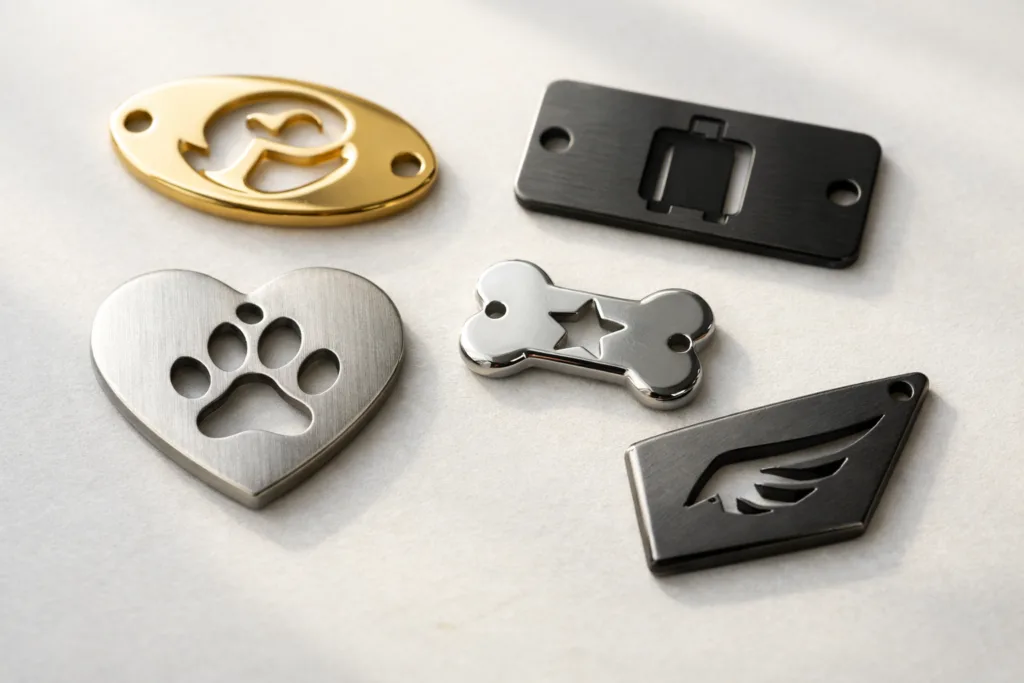
Luxury garment brands use cut-out logo tags on denim waists, jacket sleeves, and accessories to offer signature touches that never fade. For example, adding a debossed and cut-out brass tag (cut-out garment tag) provides instant differentiation.

Luggage & Leather Goods
Strong pierced tags last for years on luggage handles, often used in combination with frame or plaque mounts (cut-out pattern luggage tag).
Pet Accessories
Custom-shaped dog tags featuring cut-out branding offer a blend of aesthetics and robust functionality (cut-out shape dog tag).
Balancing Detailing with Legibility
The most memorable pierced logo tags make smart compromises: they simplify intricate graphics for clear recognition but maintain enough personality to make the tag feel unique.
- Reduce unnecessary tiny details
- Favor thicker lines for logos meant to endure years of use
- Test legibility at both small and large scales
Sustainable Materials and Eco-Friendly Practices
Using recycled metals and low-VOC finishes helps brands align with environmental values. Learn more at Discover 11 Ways Recycled Metal and Wood Transform Eco-Friendly Brand Tags.
Certifications and Transparency
Look for suppliers who provide batch info and alloy certifications. This proves your tags are made from responsibly sourced materials.
Custom Finishes and Branding Techniques
Want extra flair? Consider adding:
- Two-tone plating for luxury appeal
- High-polish edges with sandblast centers
- Engraved micro-text for serial numbers (micro-detail logo tag)
Pitfalls to Avoid When Designing Cut-Out Logo Tags
- Overly intricate designs—risk breakage or lost definition
- Poor material choice—leads to premature wear or corrosion
- Ignoring attachment stress points—may snap in normal use
Design Software and Prototyping Tips
Use vector-based programs to maintain sharpness at all sizes. Always prototype real samples before committing to a full run—digital mockups hide edge blur and finish defects that are only visible in actual metal.
Quality Control and Batch Consistency
Cut-out tags require extra inspection, especially post-plating. Look for burrs, irregular edges, and uneven color. Consider random batch checks and visual confirmation against artwork specs.
Combining Cut-Outs with Other Techniques
Hybrid logo tags may blend cut-out detailing with engraving, stamping, epoxy domes, or full-color printing for maximum impact. For photorealistic finishes, explore Photo-Quality Metal Printing: 19 Expert Insights for Perfect Gradients & Photorealistic Finishes.
Cut-Out Detailing: Design Tips for Pierced Metal Logo Tags
Cut-out detailing is about balancing art and engineering. Every design decision counts—from material and finish to line thickness and attachment. The best results come from knowing how manufacturing realities shape what’s possible, using high-quality vector artwork, and always testing real samples before launches.
The Future of Cut-Out Metal Tag Design
As design tools improve and manufacturing methods (such as precision laser cutting and micro-etching) become more accessible, expect even greater versatility in pierced metal tags. Emerging trends include multi-layered tags, dynamic color matching, and eco-sensitive processes. Brands that embrace these innovations will stand out confidently.
Frequently Asked Questions
What is cut-out detailing in metal logo tags?
Cut-out detailing involves removing sections of metal to create negative space, forming logos or patterns that add visual interest and dimensionality.
Which materials are best for pierced metal tags?
Stainless steel, brass, aluminum, and zinc alloy are popular due to durability, finish options, and ability to hold clean cut-outs.
How do you ensure durability in pierced tags?
Choose appropriate material thickness, avoid weak bridges in the design, and select robust finishes like electroplating or epoxy coats.
Are cut-out logo tags eco-friendly?
Yes, many manufacturers offer recycled metal options and low-VOC finishes for sustainable branding solutions.
Can cut-out tags include color or engraving?
Absolutely—hybrid tags may feature painted, enameled, or engraved areas alongside cut-outs for added flair and functionality.
What’s the easiest way to avoid design flaws?
Start with simple vector artwork, test physical samples for edge quality and legibility, and always account for manufacturing tolerances.
Related Reading
- How Zinc Alloy Tags Reinvent 3D Logo Branding
- Material Thickness Mastery: Pick the Right Gauge for Lasting Tag Quality
- Transform Surfaces with Sandblasting: Contrasts That Elevate Metal Tags
- Unlock Photorealistic Finishes: 19 Expert Printing Insights for Metal Tags
- Epoxy Domes Demystified: Clear Coating for Tag Durability and Brilliance
- Eco-Friendly Metal Tags: 11 Ways to Enhance Sustainable Branding