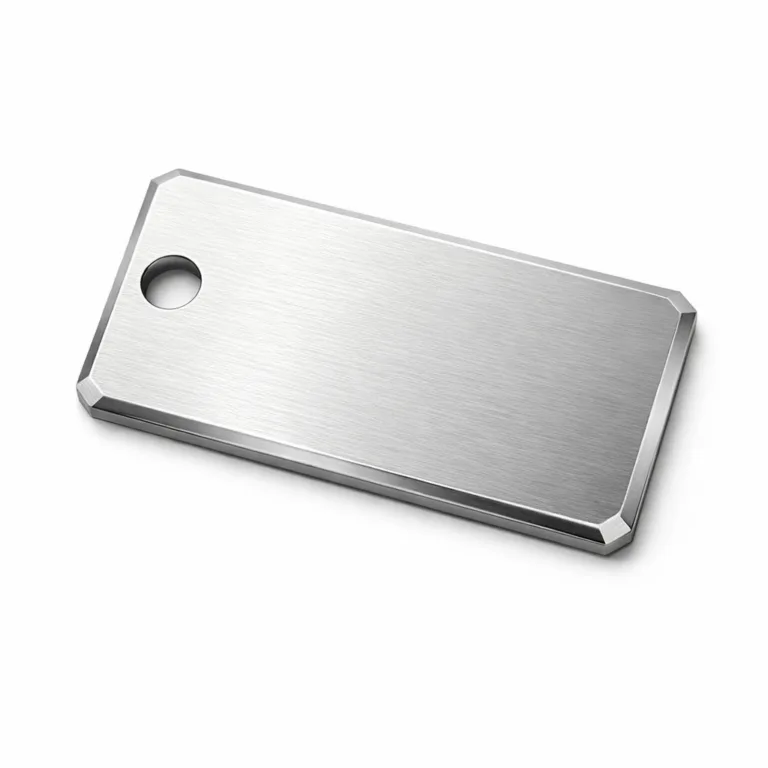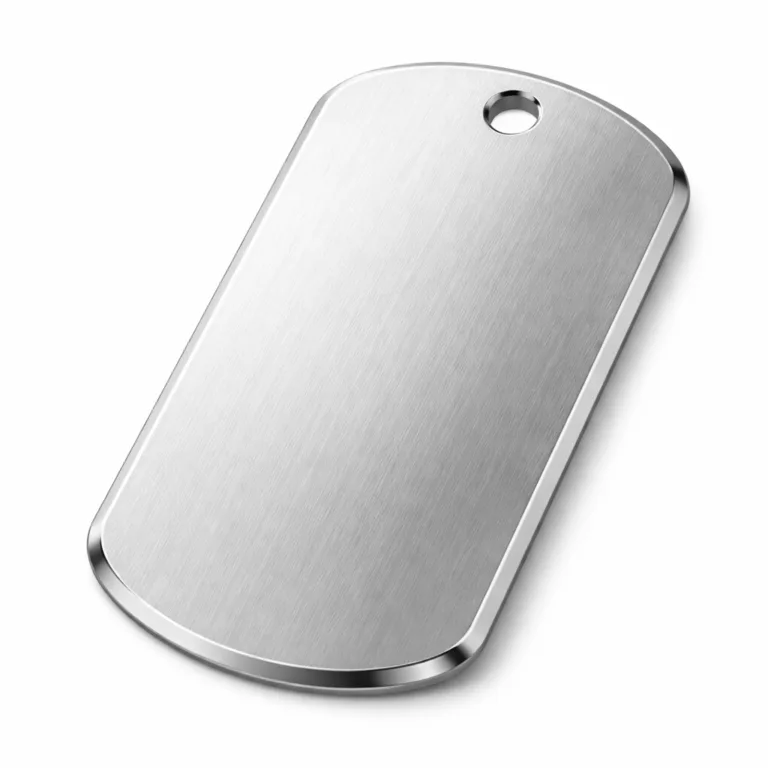
Introduction to Epoxy Domes: When and Why to Add a Clear Protective Coating
Epoxy domes and clear protective coatings are a top choice for anyone looking to add durability, shine, and protection to surfaces or tags. These coatings combine strength with visual appeal, creating finishes that resist scratches, UV rays, and chemical wear. Whether you use resin domes for branding, identification, keychains, or decor, understanding when and why to apply a protective layer can make all the difference. In this article, you’ll learn the real-world benefits, specific scenarios for application, popular coating types, and essential maintenance practices for epoxy domes and clear coats.
What Are Epoxy Domes and Clear Protective Coatings?
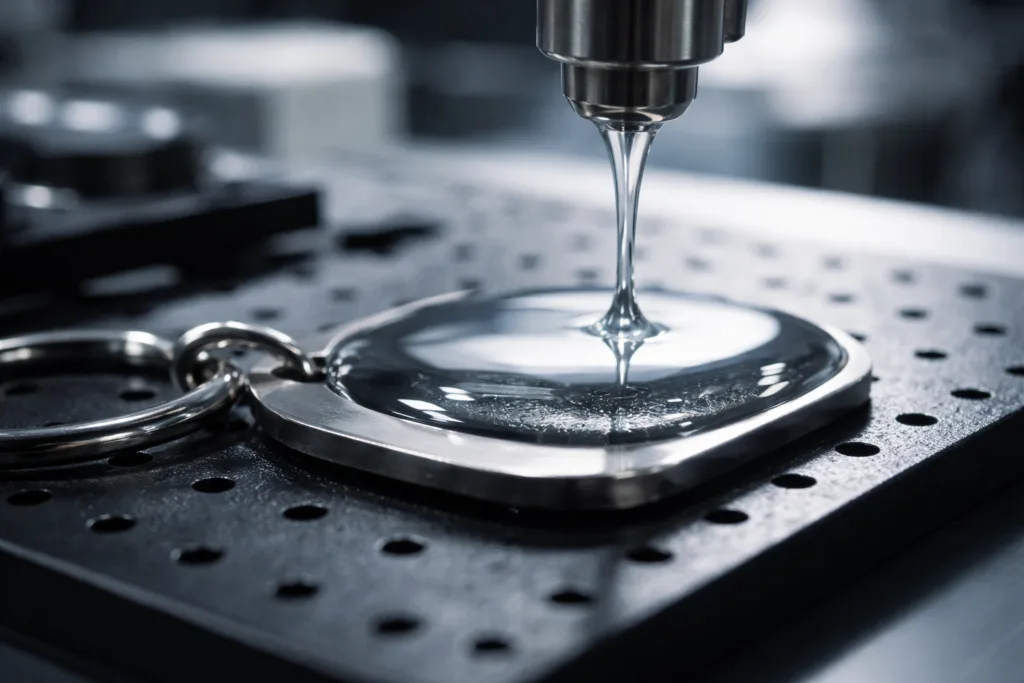
Epoxy domes are a layer of clear, hard resin applied to your items—like tags, badges, or keychains—creating a smooth, glassy surface. The dome not only looks good, but also provides a solid layer of protection over graphics, metal, or colored enamel beneath. Clear protective coatings—such as polyurethane, acrylic, and UV-cured resins—add extra durability and resist environmental wear. They are often used to boost performance above what the epoxy dome alone offers.
Benefits of Adding a Clear Protective Coating
The reasons for adding a clear coat to your epoxy domes go far beyond aesthetics. Here are some major advantages:
- Enhanced Durability: Protects against scratching, bumping, and abrasion.
- UV Protection: Prevents yellowing and fading of colors caused by sunlight.
- Improved Aesthetics: Creates a glossy, high-end look with added depth.
- Chemical Resistance: Shields against oils, solvents, and cleaners.
- Longer Lifespan: Extends the useful life of the product, whether it’s a tag, badge, or decorative asset.
When Should You Add a Clear Protective Layer?
Applying a clear coat isn’t always essential, but certain scenarios make it highly recommended:
- Outdoor Use: Exposure to sun, rain, or pollution demands extra protection.
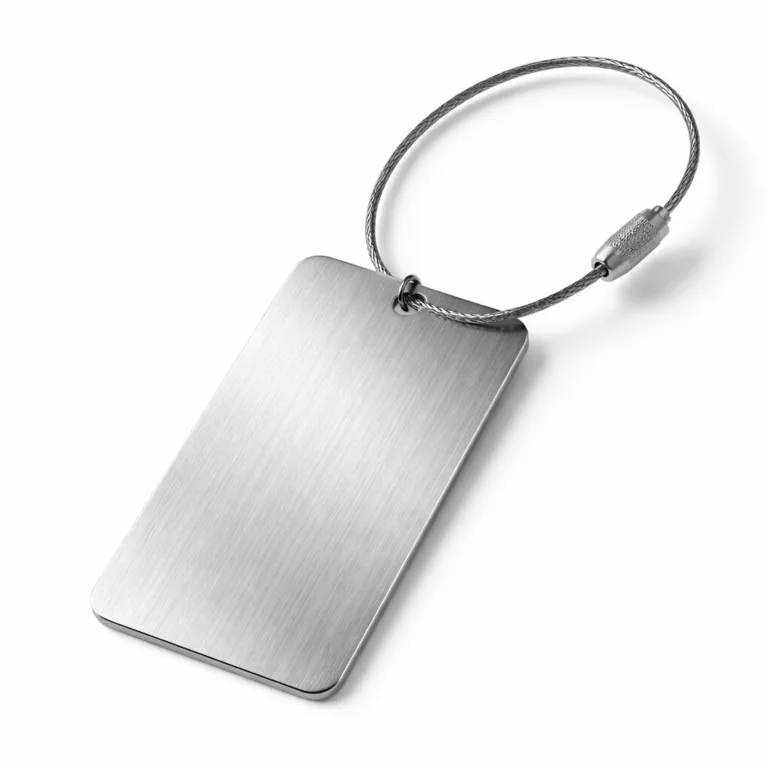
- High-Traffic Areas: Items frequently touched or moved (like keychains, luggage tags, metal badges).
- Branding or Premium Products: For logos, custom metal tags, or luxury products, a clear coat makes colors pop and builds perceived quality.
- Environments Prone to Chemicals: Settings like factories, kitchens, or workshops benefit from chemical resistance.
Common Types of Clear Protective Coatings for Epoxy Domes
Not all clear coats are the same. Here’s a breakdown of popular options:
| Type | Features | Best Use Case |
|---|---|---|
| Polyurethane | Flexible, tough, good for outdoor/UV exposure | Outdoor signs, keychains, metal logos |
| Acrylic | Great clarity, quick dry, affordable | Badges, decorative tags |
| UV-Cured Resin | Fast-cure, ultra-clear, high hardness | Luxury tags, premium branding |
| Automotive Clear Coat | Extreme durability, chemical resistant | Industrial, automotive tags |
Epoxy Domes: When and Why to Add a Clear Protective Coating.
Deciding exactly when to add a clear protective layer often comes down to your project’s needs. If your item will be exposed to sunlight, handled daily, or expected to last for years, adding a clear coat is more than smart—it’s crucial. For example, UC Tag crafts custom metal tags for brands that demand both long-lasting graphics and sleek finishes. Rain Chen notes, “Adding a clear layer over epoxy not only shields intricate enamel colors but helps prevent edge chipping during batch handling.” Some manufacturers skip clear coats to save time, but the risk is premature yellowing, surface scratches, or faded logos, especially in outdoor or industrial use.
Application Techniques: Achieving a Strong and Beautiful Finish
How you apply clear protective coatings can make or break their effectiveness. Here’s how experienced tag producers generally work:
- Surface Prep: Make sure the base and dome are clean and dust-free.
- Precise Mixing: Mix resins (if two-part) using measured ratios for consistent hardness.
- Controlled Pour or Brush-On: Pour clear coats in a dust-free area, using spreaders to avoid air bubbles. For brush-on methods, slow, even strokes prevent streaks.
- UV or Oven Curing: For UV-cured resins, expose items to intense UV light for speedy, even drying. For chemical-clear coats, allow air or oven dry as recommended.
Factors Affecting the Performance and Longevity of Epoxy Domes
Both the quality of the dome and the clear coat affect lifespan. Consider these elements:
- Material Quality: Cheap resins turn yellow or crack after exposure.
- Thickness: Too thin means less protection, but too thick can look bulky.
- Environmental Stress: Heat, moisture, and chemicals speed up wear.
- Application Method: Proper curing and dust control directly affect clarity and strength.
Addressing Aesthetic Appeal: Clarity, Shine, and Depth
Clear coats aren’t just for protection— they provide a dramatic boost to appearance. A high-quality dome brings out color intensity, depth, and gloss, making graphics or branding look lively and inviting. This visual upgrade is one reason UC Tag focuses on material selection and edge control for every batch of metal logo tags. Careful layering avoids “orange peel” texture or paling of colors, keeping artwork crisp and eye-catching.
Maintaining Epoxy Domes with Protective Coatings
Keeping your epoxy domed items looking good is all about smart care:
- Regular Cleaning: Use gentle cloths and mild soap— avoid abrasive cleaners.
- UV Exposure: Minimize direct sunlight for extended periods.
- Handling: Avoid dropping or scraping domed surfaces on rough material.
- Touch-Up: For deep scratches, some clear coats can be recoated without removing the original dome.
Signs Your Epoxy Dome Needs Recoating
Over time, even protected domes may show wear. Watch for:
- Yellowing: UV damage or old resin.
- Surface Scratches: Frequent touch or impact.
- Loss of Shine: Dullness indicates coating breakdown.
- Edge Chipping: Damage near holes or corners, common with metal tags.
Comparing No Clear Coat vs Clear Coated Epoxy Domes
| Feature | Without Clear Coat | With Clear Coat |
|---|---|---|
| Durability | Prone to wear and scratch | Long-lasting, scratch-resistant |
| UV Protection | Discolors over time | Resists fading/yellowing |
| Aesthetics | Matte or dull finish | Glossy, rich, and professional |
| Lifespan | Shorter | Extended |
Epoxy Dome Coatings and Branding: Real-World Use Cases
For businesses, custom logo tags and branded assets often see heavy use. Adding a clear coat ensures colors match design schemes for longer, making the tag both functional and vivid. For example, laser engraved metal tags further benefit from a protective dome when handled in tough environments. Luggage tags for travelers, as covered in UC Tag’s durability guide, often feature domed finishes to maintain legibility and style even after years of wear.
The Role of Material Selection: Metal, Plastic, and Hybrid Bases
Materials play a big part in dome effectiveness. Metal provides solid support and edge sharpness, while plastic or flexible substrates offer lightweight handling. High-grade aluminum and stainless steel, often used by UC Tag, resist corrosion and allow for precise edge finishes that keep protective domes intact through repeated handling. Zinc and brass add weight and style but may require thicker coatings due to their natural oxidation tendencies.
Edge Control, Attachment, and Functional Details
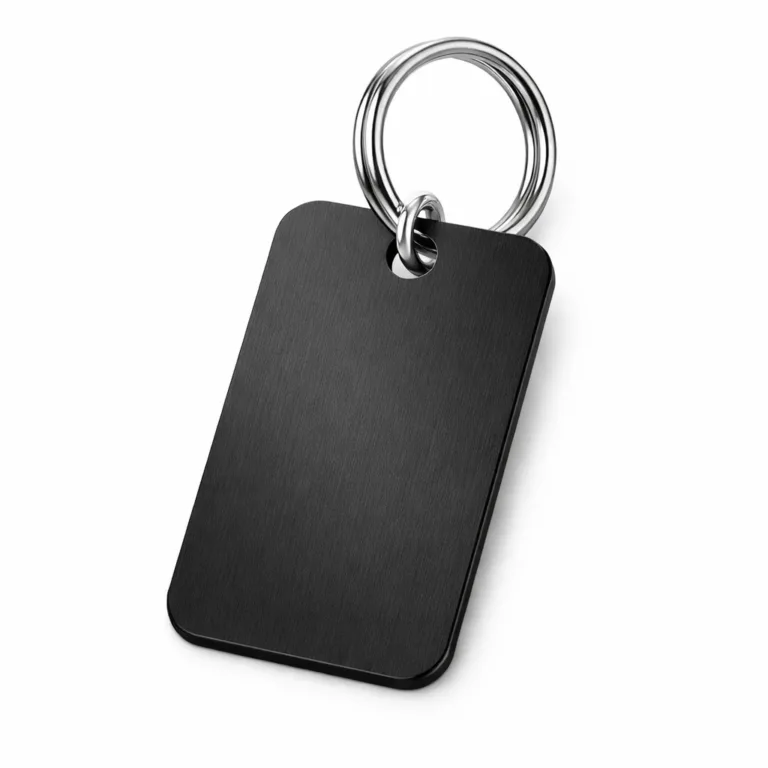
Protective coatings also seal sharp or exposed edges, reducing injury risk and improving durability. For domed keychain tags, edge radius helps the dome adhere properly, preventing peeling or cracking. Attachment points—holes, rivets, split rings—should be carefully planned so the dome covers the area without bulging or thinning. Material thickness, as explained in the material gauge guide, ensures the tag remains both functional and attractive.
How Clear Coating Impacts Color Matching and Design
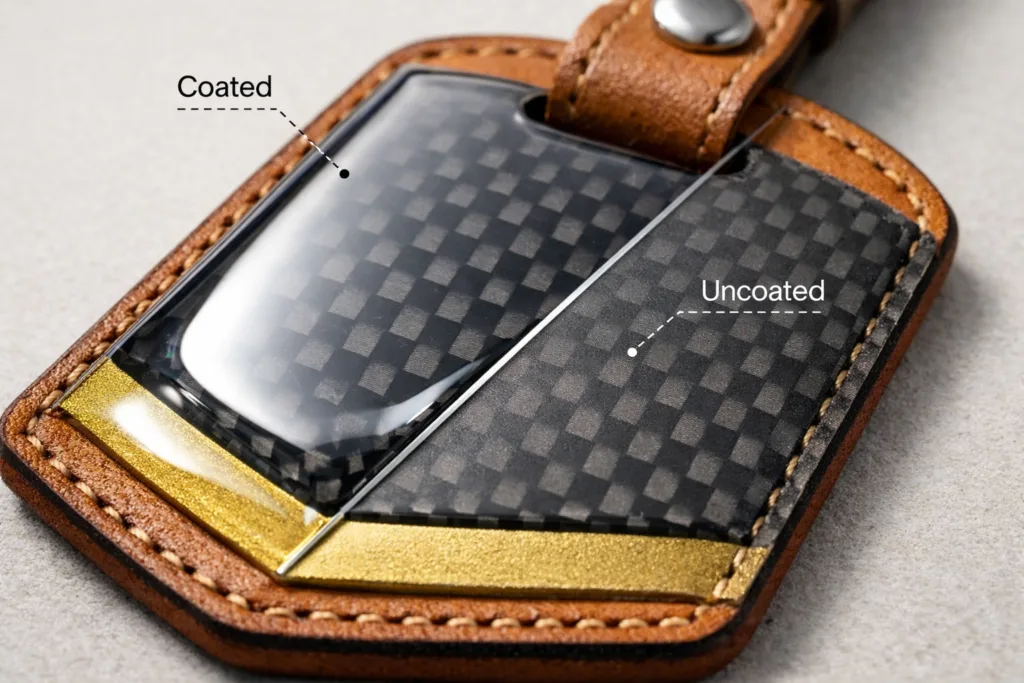
Maintaining brilliant color is difficult with frequent handling and sun exposure. Clear coats shield pigment layers, allowing for better Pantone matching and brand identity preservation. Any designer considering photo-quality graphics on metal tags should read up on expert insights into metal printing and clear coats for precise color gradients.
Scratch Resistance and Daily Wear: Practical Observations
If your tags are attached to bags, worn as jewelry, or exposed on factory floors, scratch resistance is crucial. Clear coats build a protective armor that handles bumps, drops, and friction. Daily wear testers compare domed vs. uncoated tags, finding the clear-coated samples survive far longer without losing shine or legibility.
Deburring, Batch Variation, and Quality Control in Production
On a shop floor, batch-to-batch consistency is a daily challenge. Rain Chen from UC Tag shares, “Thick domes sometimes exaggerate burrs left from die stamping—proper deburring and ultra-clean plating prevent edge flaws that ruin flatness or cause peeling.” Industrial QC checks for bubble formation, gloss level, and uniform thickness so that each production run meets client standards.
Eco-Friendly Considerations: Low-VOC and Recyclable Options
Sustainable coatings now feature low-VOC resins and recyclable carrier films. Many modern dome makers choose materials that minimize impact, while specialty clear coats ensure classic shine without toxic fumes. This is especially important for brand tags and luggage tags intended to serve eco-focused brands.
Cost Considerations and Long-Term Value
Adding a clear protective coat does have a cost—time, materials, labor—but the payoff is significant in longevity and reduced warranty claims. Hobby users may skip this step, but for commercial products or branded tags, it’s an invest-once, gain-for-years calculation.
Common Pitfalls: What Can Go Wrong with Epoxy Dome Coatings?
Even experienced craftsmen sometimes encounter issues. Watch out for:
- Bubbles: Air trapped during mixing or pouring ruins clarity.
- Uneven Edges: Poor pouring causes creep or drip marks.
- Dust and Particulates: Settling into the dome before curing means flaws.
- Late Curing: Insufficient dry time results in soft, easily scratched surfaces.
Pro Tips for Perfect Epoxy Domes and Clear Coats
- Work in a clean, temperature-controlled environment.
- Pre-test mixing ratios on scrap pieces.
- Use UV lamps for quick, even curing.
- Inspect edges under strong light before final cure.
Summary Table: Longevity and Performance Checks
| Performance Feature | Ideal | Action Needed |
|---|---|---|
| Gloss | Shiny, mirror-like | Buff gently or recoat |
| Color Protection | No fading after 6 months | Check UV clear coats |
| Scratch Resistance | No >2mm scratches | Touch-up only if deep marks |
| Edge Integrity | No chips, no peeling | Inspect during each batch |
Future Trends in Epoxy Dome & Protective Coating Technology
Epoxy dome technology continues to evolve with self-healing coatings, nanotech layers for extra UV protection, and automated dispensing systems for mass production. Expect more eco-friendly options, better scratch resistance, and rapid-curing finishes for high-volume needs over the coming years.
Conclusion: Mastering the Art of Epoxy Domes and Clear Coating

Adding a clear protective coating to your epoxy domes transforms practical tags, keychains, and branded items into long-lasting, attractive assets. The right layer provides exceptional resistance to wear, UV, and chemical exposure—making your crafts or commercial products stand out year after year. Whether you’re in production, branding, or DIY, understanding materials, application methods, and maintenance practices lets you unlock the full potential of your domed creations. Thoughtful planning and attention to detail ensure results that endure and impress.
Frequently Asked Questions
What’s the best clear coat for outdoor epoxy domes?
Polyurethane or UV-cured resin is ideal, giving excellent UV protection and lasting durability for tags exposed outdoors.
Can epoxy domes be recoated if they yellow or get scratched?
Yes, as long as the surface is cleaned and lightly sanded. Most clear coats bond well on top of old resin for renewed shine and protection.
Are clear protective coatings safe for metal tags?
Absolutely. They bond well to metals like aluminum, brass, and stainless steel, improving both durability and appearance.
How do I prevent bubbles in clear coatings?
Mix and pour slowly in a dust-free area at room temperature. Gentle heat can also help bubbles escape before curing.
What thickness should the epoxy dome and clear coat be?
Typically, domes range from 1-2mm thick. The clear coat should be just enough to fully cover without adding too much bulk.
Does clear coating affect color or graphic details underneath?
Only if improperly applied. A good clear coat enhances color vibrancy and keeps designs sharp without distortion.
Related Reading
- Everything You Need to Know About Material Thickness for Garment Tags & Dog Tags
- Achieving Stunning Photo-Quality Gradients in Metal Tag Printing
- Die Stamping vs Die Casting: Match Your Project’s Needs
- Laser Engraving vs Diamond Drag: Which Tag Marking Method Is Right for You?
- The Ultimate Durability Guide to Choosing Your Luggage Tag Material
- Eco-Friendly Dog Tags: Using Recycled Metals and Low-VOC Finishes