Introduction: Material Thickness Guide—Why Gauge Matters in Garments and Dog Tags
Whether you’re designing a comfortable shirt or a durable dog tag, selecting the right material thickness is crucial. This guide explores how gauge impacts the look, feel, and lifespan of everything from soft fabrics to rugged metal accessories. Understanding the differences between garment material and dog tag metals helps ensure that your products not only meet expectations for style and comfort, but also stand the test of time. From cotton blends to stainless steel, let’s dive into the practical world of gauge selection for garments versus dog tags.
Material Thickness—Key Concepts & Definitions

Before comparing garments and dog tags, it helps to clarify material thickness, gauge, and their relationship. In textiles, thickness often translates to fabric weight and drape. For metal tags, gauge refers to the specific thickness of the sheet metal, impacting strength and engravability. The lower the gauge number, the thicker the metal. For garments, thickness is usually measured in GSM (grams per square meter), whereas dog tags rely heavily on millimeter or gauge standards.
Material Requirements for Garments: Comfort Comes First
Choosing garment material thickness is all about balancing comfort, breathability, and durability. Most clothing is designed for wearability, requiring soft and flexible fabrics. The right fabric thickness can affect how warm or cool a garment feels, handle repeated washes, and fit properly. Fabrics range from lightweight knits for summer tops to heavier, more substantial weaves for jackets or uniforms.
Common Garment Thicknesses by Type
- T-shirts (Cotton): 120–180 GSM (light)
- Denim Jeans: 350–500 GSM (heavy)
- Sweaters/Wool: 250–400 GSM (medium to heavy)
- Jackets (Canvas): 400–800 GSM (extra heavy)
Impact of Thickness on Comfort & Appearance
A thinner fabric enhances airflow and stretches easily—ideal for active wear. Thicker fabrics provide insulation and structure, perfect for outerwear. Garment gauge also affects how tags and metal labels attach: thinner cloth needs lightweight logo tags, while sturdy canvas can support heavier metal elements without sagging.
Dog Tag Material Thickness: Durability Above All
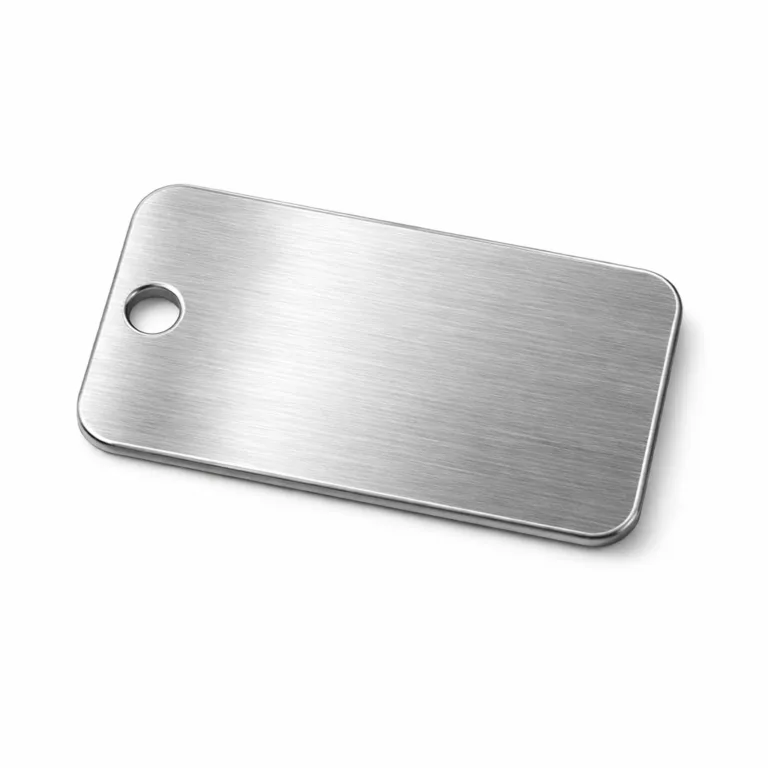
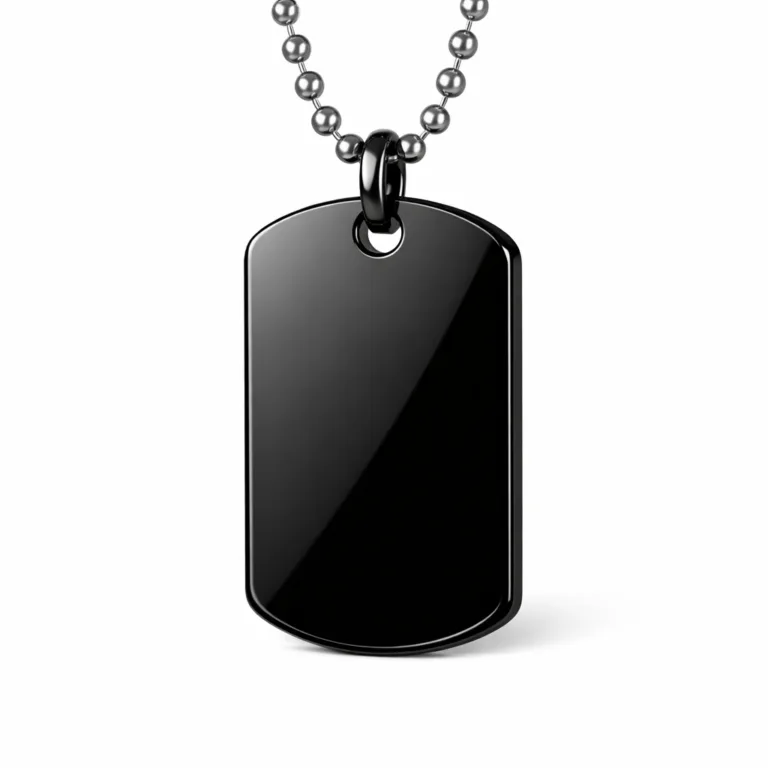
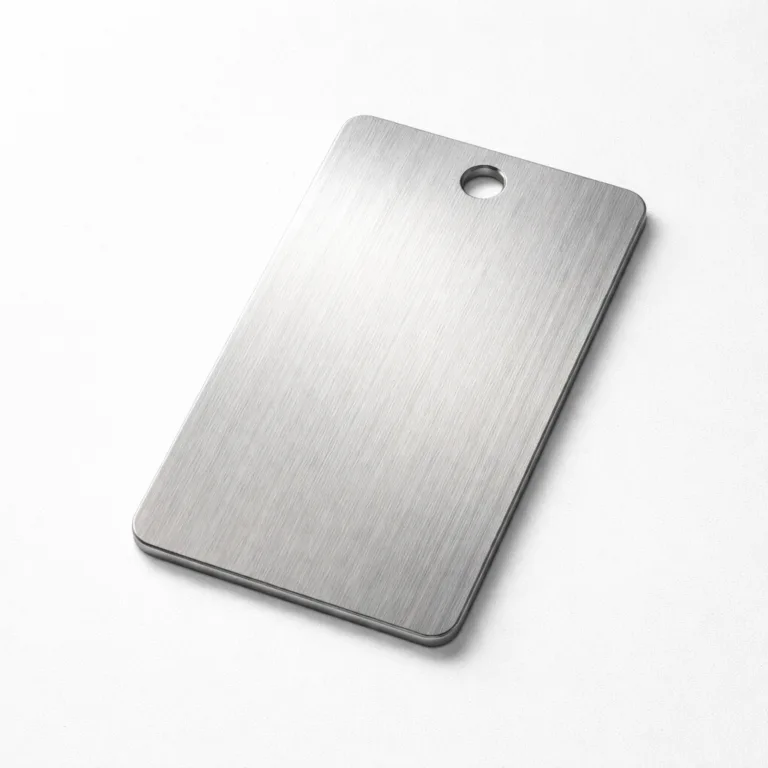
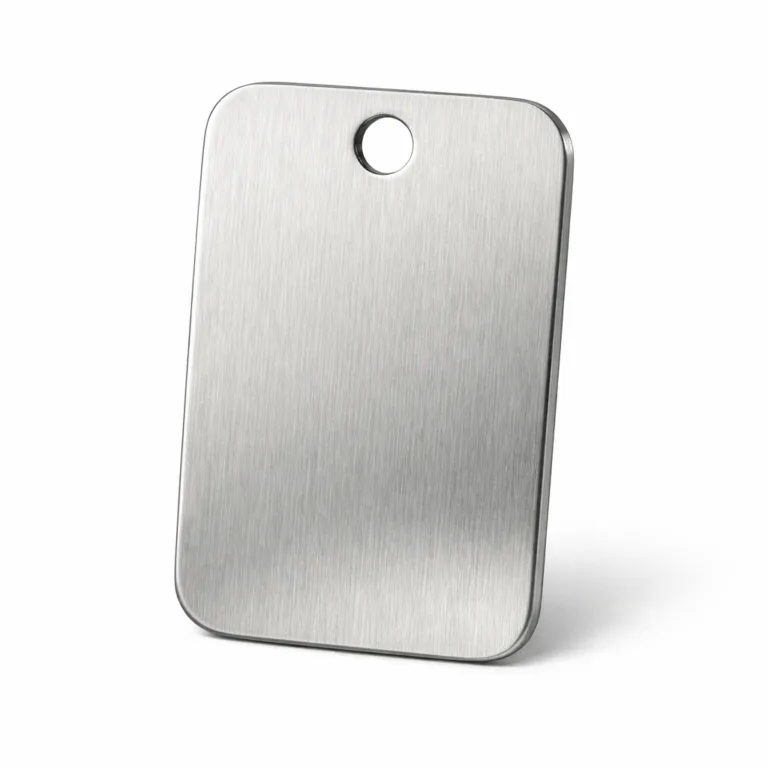
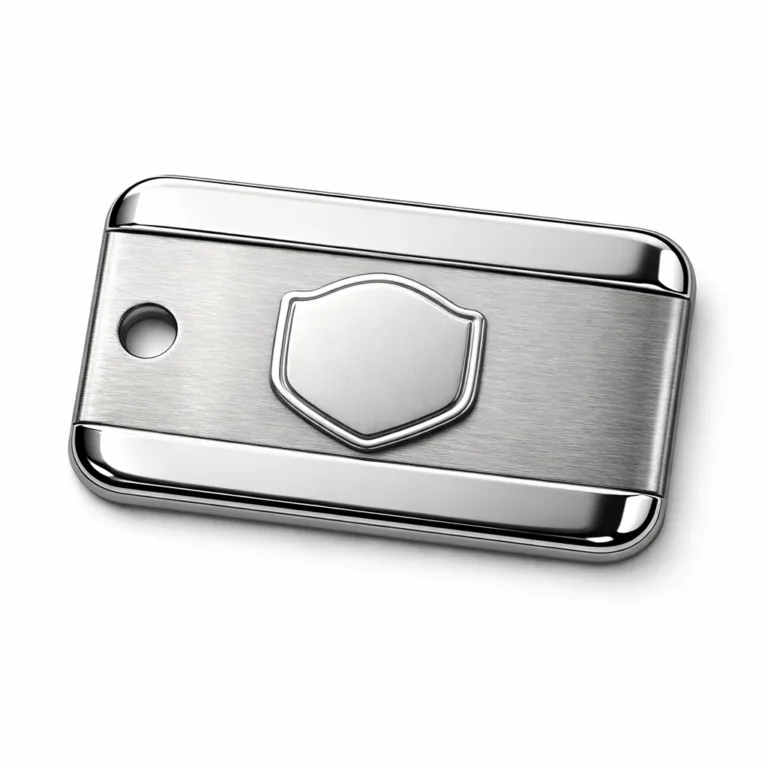
The right gauge for dog tags is crucial for both function and style. Dog tag metals—typically stainless steel, aluminum, brass, or copper—must balance weight and resistance to wear. Too thin, and tags may bend or wear out; too thick, and they become awkward or heavy. For engraved tags, a steady thickness ensures clear readability and lasting markings.
Typical Dog Tag Gauges and Metal Types
| Metal | Recommended Thickness | Benefits |
|---|---|---|
| Stainless Steel | 0.7–2.0 mm (22–14 gauge) | Corrosion-resistant, durable, crisp engraving |
| Aluminum | 0.5–1.0 mm (24–20 gauge) | Lightweight, color anodizing, affordable |
| Brass | 0.6–1.5 mm (23–16 gauge) | Classic look, moderate durability |
| Copper | 0.5–1.0 mm (24–20 gauge) | Unique patina, softer metal |
How Thickness Affects Dog Tag Performance
Metal thickness influences everything from tag weight to how well it withstands impacts. Thicker tags are favored in industrial or military contexts, while thinner, lighter options are great for pets and everyday accessories. Solid tags can also accommodate more detailed engravings, as deep etching requires sufficient material.
Material Thickness Guide: Choosing the Right Gauge for Garment vs. Dog Tags.
If you’re deciding between garment and dog tag thickness, consider the purpose. For a soft t-shirt, thin cotton offers comfort. For a military ID tag, stainless steel at 0.8 mm delivers rugged dependability. Here’s a quick comparison:
| Item | Thin Option | Standard Option | Thick Option |
|---|---|---|---|
| Garments | 110 GSM (summer tee) | 160 GSM (regular tee) | 400 GSM (outerwear) |
| Dog Tags | 0.5 mm (lightweight anodized) | 0.8 mm (classic steel) | 1.5 mm (heavy-duty brass) |
Key Decision Points When Selecting Material Thickness
- Intended Use: Everyday wear or heavy-duty accessory?
- Weight Preference: Comfortable for hours, or built for endurance?
- Design Details: Will thickness affect print, engraving, or stitching?
- Attachment Method: Thin materials require gentle fasteners; thick tags handle split rings or chains.
Comfort, Durability, and Usability Compared
In garments, thinner materials guarantee comfort but may wear quickly. Thicker fabrics withstand stress but may be stiff. For tags, thicker metals resist bending and scratching but can feel heavy. Usability is about balancing all three: size, weight, and longevity. Think about where and how your item will be used most frequently—at home, outdoors, or in extreme conditions.
Practical Chart: Thickness Recommendations by Application
| Application | Optimal Fabric GSM | Best Tag Gauge (mm) |
|---|---|---|
| Casual Clothing | 120–160 | — |
| Outerwear | 350–500 | — |
| Pet Tag (Lightweight) | — | 0.5–0.8 |
| Military/Collector Tag | — | 0.8–1.2 |
| Logo Patch Tag | — | 0.6–1.0 |
Functional and Aesthetic Factors in Gauge Selection
Thickness shapes not just how items perform, but also how they look. Thin fabric may feel luxurious, but can appear see-through. Thick metal tags look and feel substantial, adding a tactile, premium touch. If branding or color is crucial—as with logo tag manufacturer accessories—thickness impacts how well colors and lines pop. On metal, deep engraving and filled enamel designs both rely on a steady thickness to avoid bleeding or fuzzy edges.
Design Preferences: When to Go Thin, When to Go Thick
- Thin Materials: Preferred for layering, delicate designs, low profile accessories
- Thick Materials: Ideal for statement pieces, durability, engraving clarity
Weight Considerations for Daily Wear and Use
Lightweight items improve comfort for garments and pet tags alike. For example, anodized aluminum dog tags keep both animals and humans unburdened, while heavy-duty brass or steel suits collectors and military applications. In the garment world, excessive thickness can make a shirt stiff, but in dog tags, it means resilience and lasting finish.
Attachment and Compatibility: Tag Thickness Meets Real-World Use
The way tags attach—sewn, riveted, looped, or glued—can depend on thickness. Thin fabrics shouldn’t host heavy tags, as they can tear or droop. In industrial contexts, choosing the right tag solution means checking hole sizes, edge finishing, and split ring strength to match maximum expected stress.
Comparing Metals for Dog Tags: Stainless, Brass, Aluminum & More
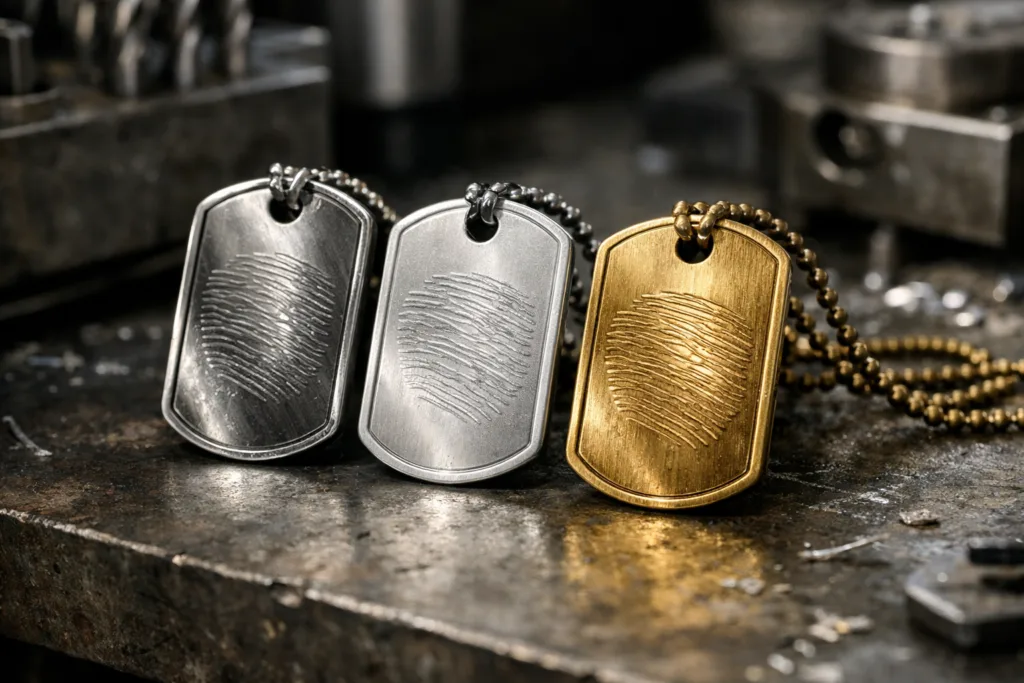
Dog tags come in a variety of metals, each with typical thicknesses and finishes. Stainless steel is the gold standard due to its resistance and moderate weight, while aluminum offers vibrant colors at a lower mass. Brass and copper bring classic aesthetics and unique patina, ideal for collectors. For more, see our full brass vs stainless steel dog tags comparison.
How Metal Choices Impact Thickness Decisions
- Stainless Steel: Works well at 0.8–1.2 mm
- Aluminum: Optimal at 0.5–1.0 mm
- Brass: Durable at 0.7–1.5 mm
- Copper: Acceptable at 0.5–1.0 mm, softer feel
From Sheet Metal to Finished Tag: Manufacturing Thickness Realities
On the shop floor, controlling metal thickness is essential. As Rain Chen of UC Tag explains, precise gauge consistency means that automated press and engraving lines deliver uniform tags, with minimal burrs and sharp edges. Too thin, and tags bend during stamping or laser marking; too thick, and they slow down production and increase costs. Polishing, plating, and coloring all demand well-calibrated base thickness for optimal results.
Thickness Tips: Garment Fabric Selection
For perfect garment thickness, consider climate, intended use, and style. Thinner fabrics are best for activewear and summer tops, while thicker blends add warmth and durability for winter or outdoor clothing. Consistent thickness controls shrinkage after washing, and helps applied tags and labels remain securely attached.
Thickness Tips: Dog Tag Selection & Design
For dog tags, match thickness to purpose. Pet ID tags need to be light and comfortable but sturdy enough to prevent easy breakage. Military tags benefit from 0.8 mm steel—just thick enough to withstand rough handling while remaining wearable. Engraved nameplates look crisp at 1 mm and above, while logo-filled designs need a steady thickness to maintain edge sharpness.
Attachment Method Compatibility Considerations
A major mistake in tag design is overlooking how the tag will be attached. Thin tags may require softer split rings or gentle adhesive, while thick, robust tags accommodate rivets and chains. For fabric garments, use thick logo tags on heavy fabrics or opt for low-profile elements for delicate pieces.
Comparing Comfort & Function: Fabric vs Metal Tags
The ultimate selector is comfort for wearables, and function for accessories. A lightweight logo tag on a garment aids brand visibility without irritating skin. Meanwhile, an optimal gauge dog tag offers readability and a sense of quality, all while withstanding the rigors of everyday use.
Visual Guide: Thickness Examples Across Garment and Tag Types
| Product | Material | Thickness/Gauge | Notes |
|---|---|---|---|
| Summer Tee | Cotton | 120 GSM | Stretchy, light, breathable |
| Pet ID Tag | Aluminum | 0.5 mm | Lightweight, colored, affordable |
| Military Dog Tag | Stainless Steel | 0.8 mm | Standard issue, engraved |
| Collector Tag | Brass | 1.2 mm | Weighty, premium look |
Industry Insights: Real-World Manufacturing Trade-Offs
Consistency is not just a technical requirement—it’s a usability concern. As production craftsman Rain Chen at UC Tag notes, handling batches with mixed thickness causes issues like inconsistent marking, variable edge sharpness, and fit problems with tag attachments. Manufacturers must balance cost, machine tooling, and end-user needs when setting thickness standards. Regular quality checks help maintain reliability for bulk buyers and designers.
How to Choose: Quick Checklist by Use Case

- Garments: Select thickness for comfort and weather, check GSM rating
- Dog Tags (Pets): Prefer lightweight but sturdy aluminum, 0.5–0.8 mm
- Dog Tags (Military): Use stainless steel, 0.8 mm as baseline
- Logo Metal Tags: Choose gauge for clarity, 0.7–1.0 mm for crisp lines
Frequently Asked Questions
What is the best material thickness for everyday garments?
For daily wear, a GSM range of 120–160 gives comfort and durability, ideal for t-shirts and blouses. Thicker weights suit outerwear and uniforms.
What gauge is standard for military dog tags?
Classic military tags use stainless steel at around 0.8 mm (20–22 gauge), ensuring strength and legibility without excessive weight.
How does thickness affect the engraving on metal tags?
Greater thickness allows deeper engraving for longer-lasting legibility. Thin metals are suited to laser marking but may lose readability faster.
Does tag thickness impact attachment safety on garments?
Yes—thick tags are better for sturdy fabrics and rivet attachment, while thin tags pair well with lightweight clothes and gentle adhesives.
Which metal is best for lightweight dog tags?
Aluminum is popular for its light weight and color options. At 0.5–0.8 mm, it offers comfort for pets and reduces neck strain.
How can manufacturers ensure gauge consistency in bulk metal tags?
Regularly calibrate machines, order precise sheet thickness, and perform batch quality checks to minimize inconsistencies in production.