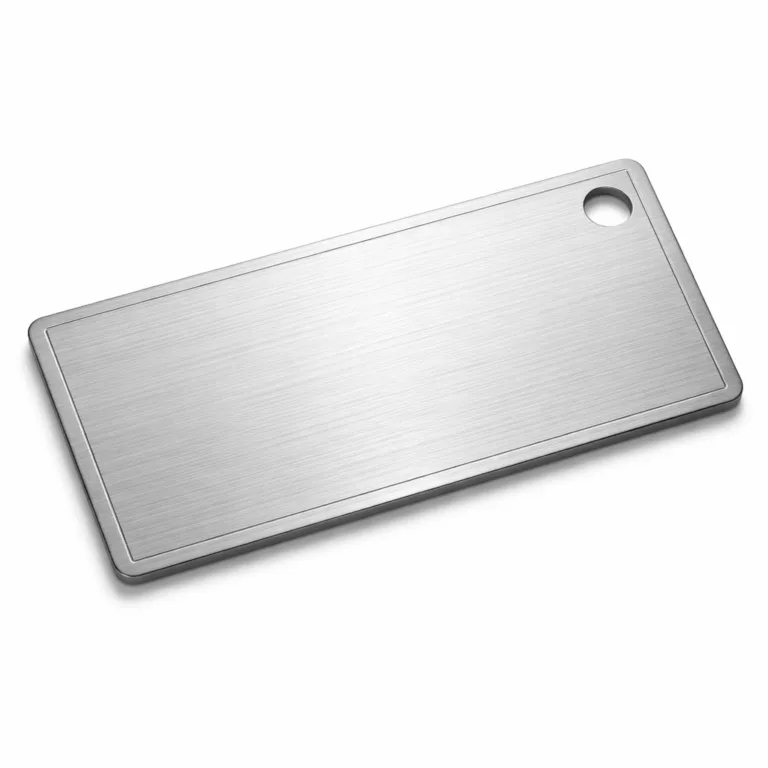
Introduction: Iron Tags as a Game-Changer in Magnetic Applications
Iron tags have quickly become the cost-effective alternative for magnetic applications across a spectrum of industries. From modern logistics centers to inventory management systems, iron tags offer a dependable and value-oriented solution for attaching, organizing, and tracking assets. This article explores why iron tags are revolutionizing magnetic application setups and how their durability, adaptability, and affordability set them apart from traditional tag options.
What Are Iron Tags?
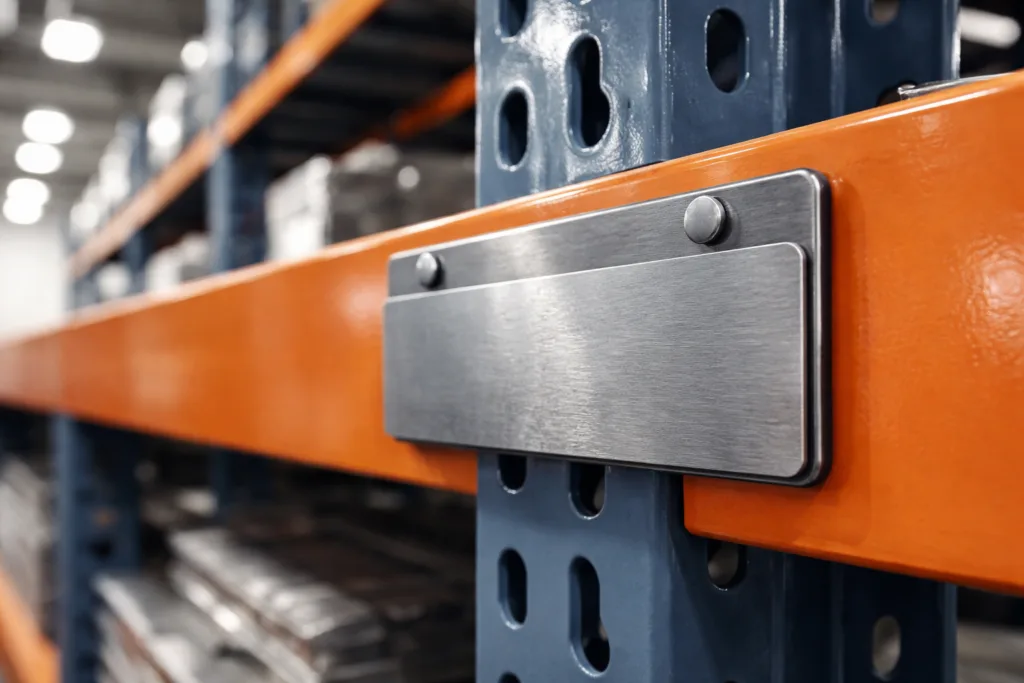
Iron tags are identification tags made predominantly from iron, designed for labeling, tracking, or categorizing objects – especially where magnetic attachment or interaction is required. Their robust composition allows for secure magnetism and longevity in demanding environments.
Key Material Properties of Iron
Iron’s ferromagnetic nature makes it particularly suitable for magnetic applications. It adheres strongly to conventional magnets and can be easily marked, embossed, or etched for explicit identification.
Differences Between Iron and Traditional Magnetic Tags
| Feature | Iron Tags | Traditional Magnetic Solutions |
|---|---|---|
| Cost | Low | Medium to High |
| Durability | High (with treatment) | Varies by material |
| Corrosion Resistance | If treated or coated | Better in some alloys |
| Magnetic Response | Strong | Strong/Mixed |
| Customizability | Excellent | Good |
Cost-Effectiveness of Iron Tags
Iron tags stand out due to their remarkably low material cost while maintaining the needed properties for reliable magnetic applications. Factories often produce iron tags in large batches, efficiently reducing per-unit expenses. For industries aiming to cut operational costs without sacrificing functionality, iron tags present a clear advantage.
Bulk Production and Economic Scaling
Thanks to abundant raw iron and straightforward fabrication processes like stamping and laser cutting, manufacturers such as UC Tag can offer iron tags at prices that remain competitive year-round.
Comparison with Premium Alloys
Materials like stainless steel or titanium command premium pricing for specialized features. Iron tags, on the other hand, deliver impressive value where basic durability and strong magnetism are essential, making them the clear choice for large-scale labeling projects.
Durability and Longevity of Iron Tags
Iron tags are built to last, boasting high tensile strength and resistance to mechanical stress. Surface treatments such as plating, powder coating, or clear lacquer extend their lifespan by minimizing rust and wear.
Enhanced Protection for Harsh Environments
Iron tags can be coated with materials like nickel or zinc. As highlighted by UC Tag’s comparative studies, choosing the correct surface finish is essential for maximizing tag performance in corrosive or wet settings.
Maintenance and Care Tips
Regular inspection for rust and prompt cleaning preserve both the appearance and readability of iron tags, making them suitable for warehouses, outdoor storage, or transit depots.
Ease of Use: Magnetic Attachment and Retrofitting
The strong magnetic properties of iron tags simplify attachment to racks, bins, machinery, and transport totes. Unlike adhesive labels, magnetic iron tags can be repositioned or swapped as needed—ideal when inventory locations change frequently.
Customization and Design Flexibility
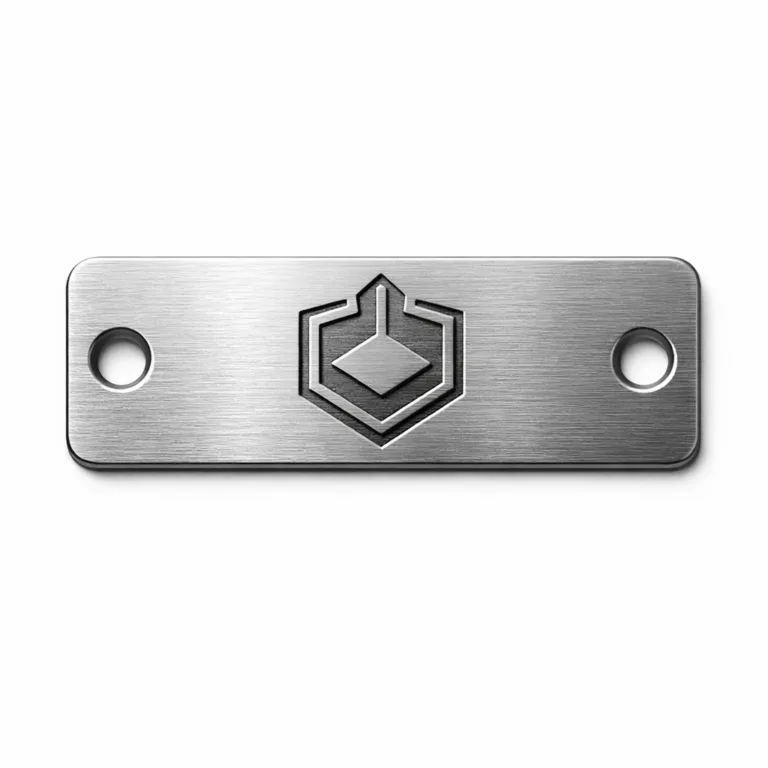
Iron tags are easily stamped, etched, or engraved with serial numbers, QR codes, or branding elements. For more design inspiration, see UC Tag’s custom metal logo tags guide on manufacturing processes and finish options.
Integration with Automation Systems
Modern inventory management systems employ iron tags for automated scanning and magnetic positioning. Their uniform shape and surface guarantee consistent sensor readings and easy machine handling.
Applications of Iron Tags in Various Industries
Logistics and Warehousing
Iron tags are crucial in logistics for clear item identification and rapid reconfiguration. The ability to rearrange storage setups using magnetic tags also improves response time for dynamic inventory needs.
Manufacturing and Assembly Lines
Production environments require durable labeling that withstands abrasion and vibration. Iron tags, especially those manufactured using techniques such as deburring and edge smoothing, contribute reliable tracking from assembly to shipping.
Inventory Management
Stockrooms, retail locations, and supply networks deploy iron tags for visual stock-taking and location management. Their magnetic nature reduces manual labor associated with relabeling and organization.
Innovative Uses and Future Trends for Iron Tags
Smart Label Integration
Emerging technologies such as RFID and NFC can be paired with iron tags for smarter asset tracking. Hybrid solutions improve both physical and digital inventory practices.
Eco-Friendly Manufacturing
Iron, being recyclable, supports sustainability initiatives. New production methods, like using recycled iron and low-VOC coatings, are already positively impacting industries aiming to reduce their carbon footprint. For more ideas, explore UC Tag’s insights on eco-friendly tag options.

Enhanced Security Features
Custom iron tags with encrypted serials or tamper-evident plating are growing in sectors where asset authentication is paramount.
Material Trade-Offs: Iron vs Other Magnetic Tag Materials
| Material | Cost | Magnetism | Corrosion Resistance | Workability |
|---|---|---|---|---|
| Iron | Low | Strong | If treated | Excellent |
| Stainless Steel | Medium/High | Strong | High | Good |
| Aluminum | Low/Medium | Weak | High | Excellent |
| Zinc Alloy | Medium | Moderate | Good | Good |
| Brass | Medium | Weak | Excellent | Good |
Magnetic Response: Why Iron Excels
Iron’s magnetic permeability allows for robust retention and easy alignment with magnetized racks, bins, and electronic tracking fields. In contrast, materials like aluminum and brass lack the same level of responsiveness, limiting their effectiveness in critical magnetic environments.
Manufacturing Realities and Process Tips
Rain Chen, a veteran from the UC Tag production team, stresses the importance of burr control and plating thickness for batch quality. Proper deburring guarantees finger-safe edges, while consistent plating keeps iron tags corrosion-resistant—even in humid warehouses.
Whether stamping, laser etching, or adding holes for attachments, each process affects the tag’s strength and ultimate application. Rain advises: “Don’t sacrifice plating thickness for speed, or sharp corners for neatness. It’s your guarantee against future field failures.”
Plating and Surface Protection: Extending Iron Tag Lifespan
Nickel, Zinc, and Powder Coating
The most effective way to extend iron tag lifespan is strategic surface treatment. Nickel plating provides a crisp, silvery finish while resisting oxidation. Zinc coatings add durability for outdoor use. Powder coatings lock in color and add a tactile feel.
Design Considerations for Branding
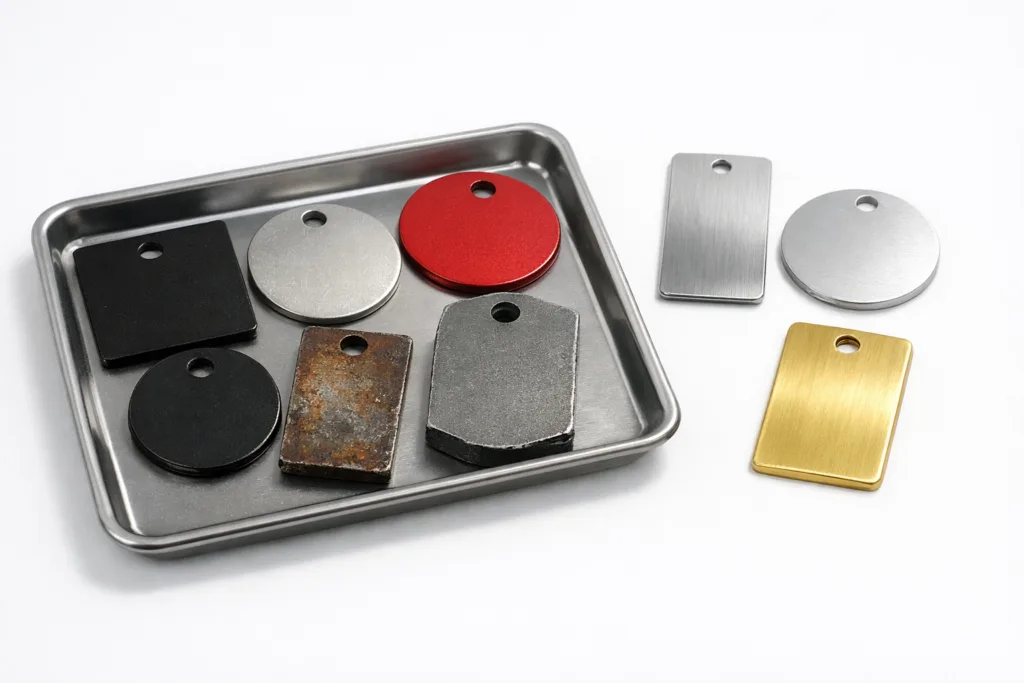
Iron tags can be finished with logos, background colors, or even multi-layered designs using enamels and anodized materials. For in-depth examples, visit the guide to anodized aluminum tags for branding inspiration.
Attachment Options and Safety
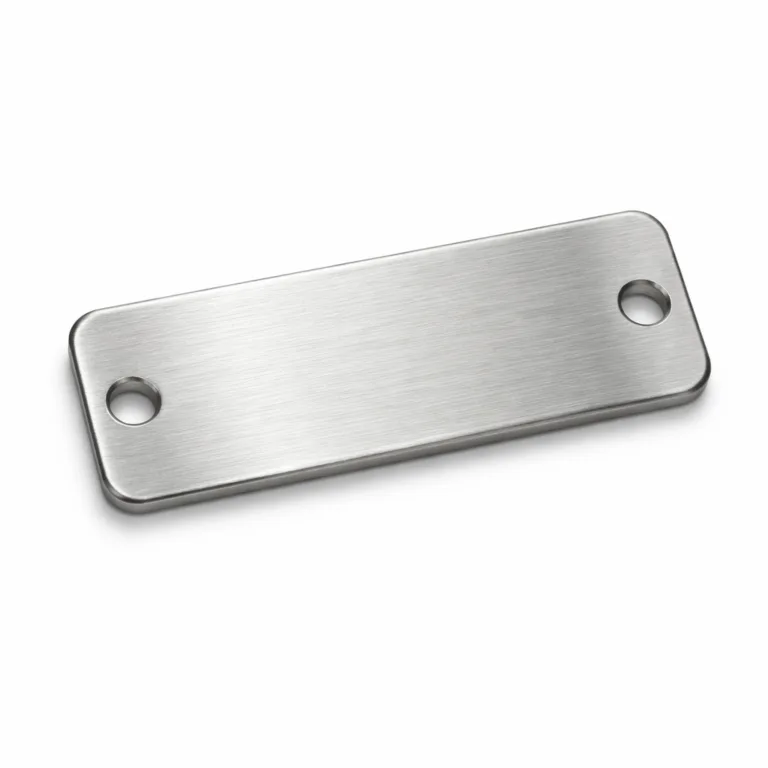
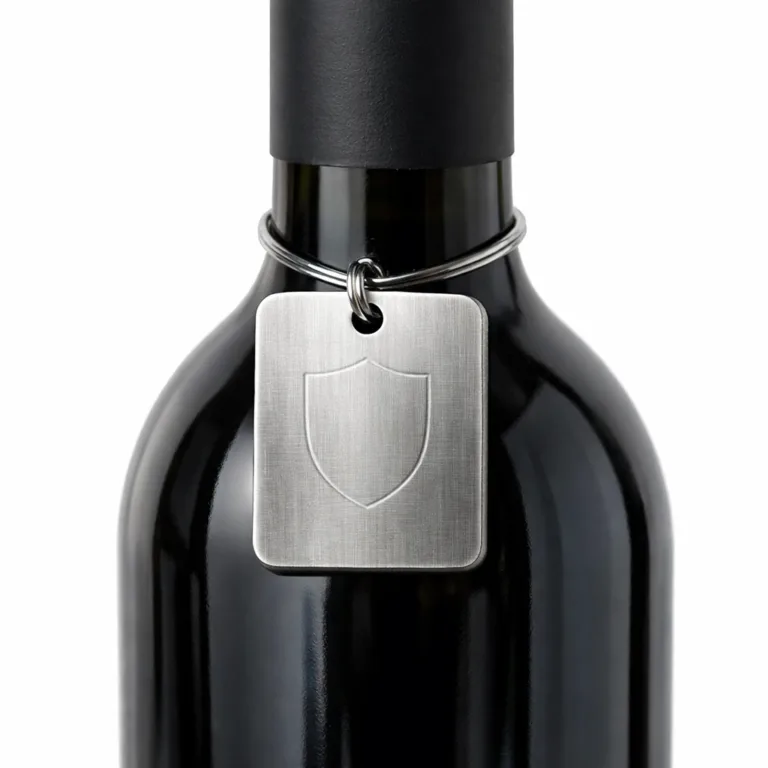
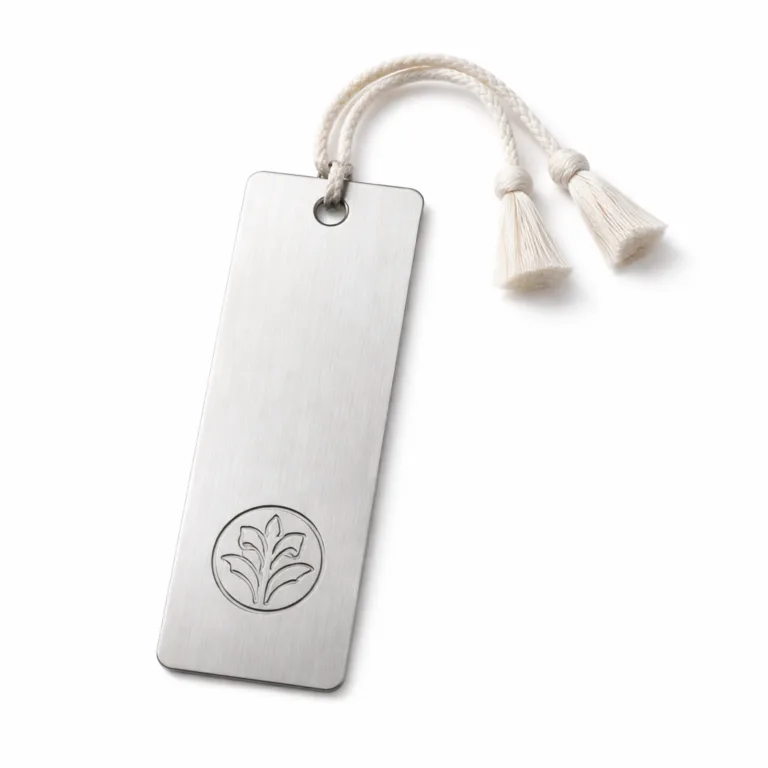
Iron tags offer a variety of attachment methods: holes for rivets, split rings, magnetic bases, adhesive pads, or sewing holes for garments and bags. To ensure workplace safety, the tags are often manufactured with a smooth edge radius—helpful in preventing injuries in fast-paced environments.
Custom Iron Tag Solutions for Magnetic Applications
UC Tag and other manufacturers provide custom iron tag solutions tailored to application-specific needs. This includes thickness selection, finish specification, logo integration, and attachment design for maximum reliability and visual appeal.
Thickness and Size Selection
Choosing the right gauge and dimensions helps balance cost, weight, and attachment strength. Thicker iron tags resist bending, while thinner tags accommodate limited space or light-duty use.
Traceability and Asset Management Benefits
Iron tags with sequential numbering, barcodes, or QR codes deliver huge advantages in asset management. Magnetic placement allows for quick changes without permanent installation, streamlining routine inventory audits and re-setups.
Iron Tags: The Cost-Effective Alternative for Magnetic Applications.
Iron tags continually prove their value as a reliable, economical solution for magnetic use-cases in warehouses, manufacturing, and beyond. Their inherent magnetic properties, affordable material cost, and adaptability for custom branding make them indispensable for businesses seeking efficiency without overspending. As magnetic systems evolve, iron tags will remain at the forefront of practical, scalable solutions.
Frequently Asked Questions
What makes iron tags suitable for magnetic applications?
Iron’s natural ferromagnetism enables strong attachment to magnets and magnetized surfaces, making iron tags highly effective for magnetic labeling, tracking, and organizing.
How do iron tags compare to stainless steel tags?
Iron tags are more affordable and slightly more responsive to magnets. However, stainless steel offers superior corrosion resistance and may be preferable for harsh environments.
Are iron tags durable enough for outdoor use?
With the proper plating or coating, iron tags can withstand outdoor conditions. Untreated iron may rust, so surface protection is essential for longevity in open-air settings.
Can iron tags be customized with logos or QR codes?
Yes. Iron tags are ideal for stamping, etching, engraving, or printing logos, serials, QR codes, and even branding artwork due to their workability and smooth surfaces.
How do you maintain iron tags in industrial environments?
Regular inspection and cleaning prevent rust and damage; re-coating or plating can restore worn tags for continued use without replacing them entirely.
What attachment methods work best with iron tags?
Magnetic mounting is common, but iron tags also accept rivets, split rings, adhesives, or sewing holes, depending on specific application requirements.
Related Reading
- Transforming Brand Tags With Recycled Metal and Wood: 11 Eco-Friendly Solutions
- Your Roadmap to Manufacturing Custom Metal Logo Tags: Design, Materials, and Processes
- Which Metal Lasts Longer? Brass vs Stainless Steel Pet Tags Compared
- Discover 7 Surprising Benefits of Lightweight Anodized Aluminium Tags
- Tag Solutions for Every Application: Explore Materials and Custom Processes