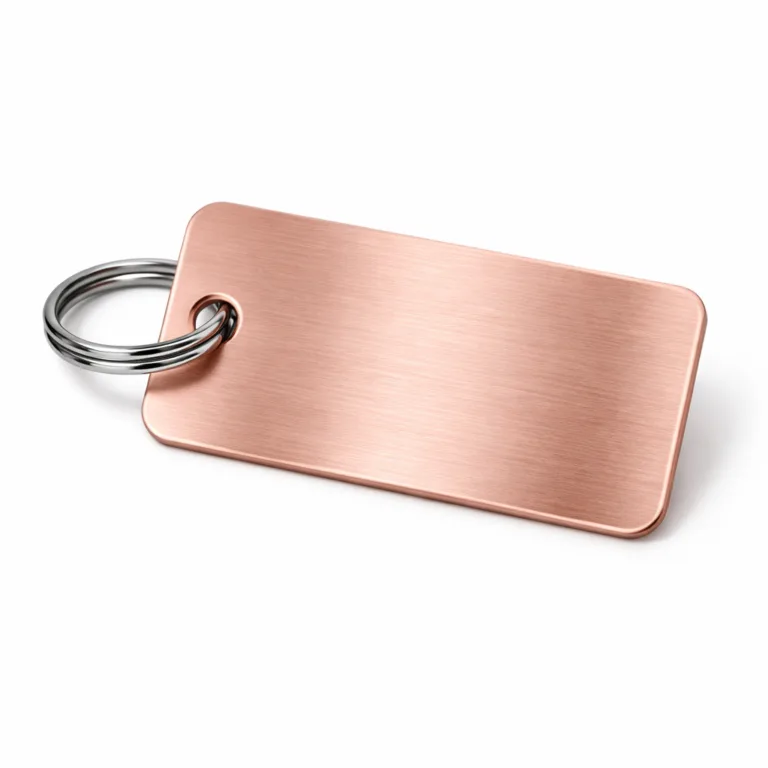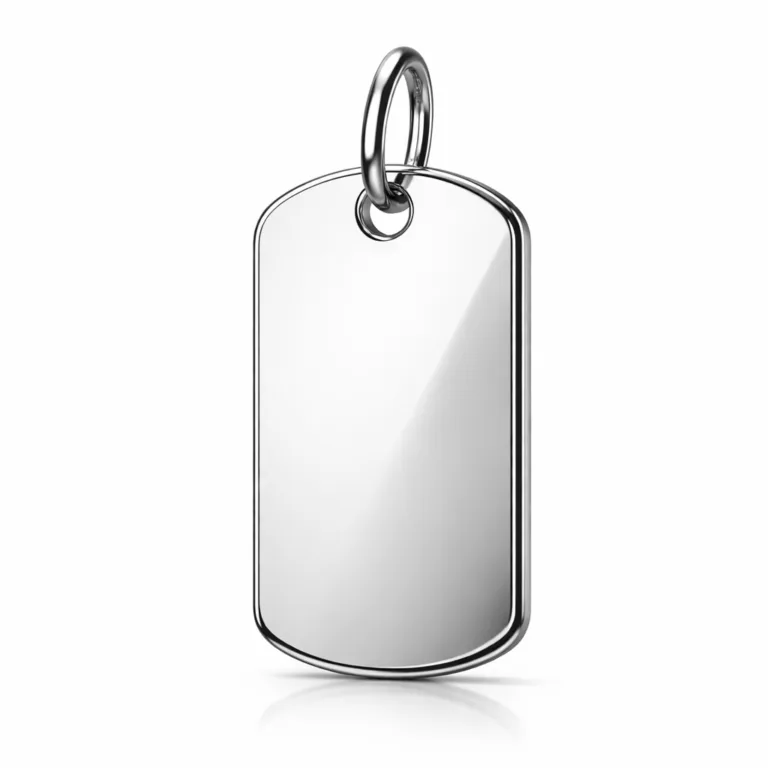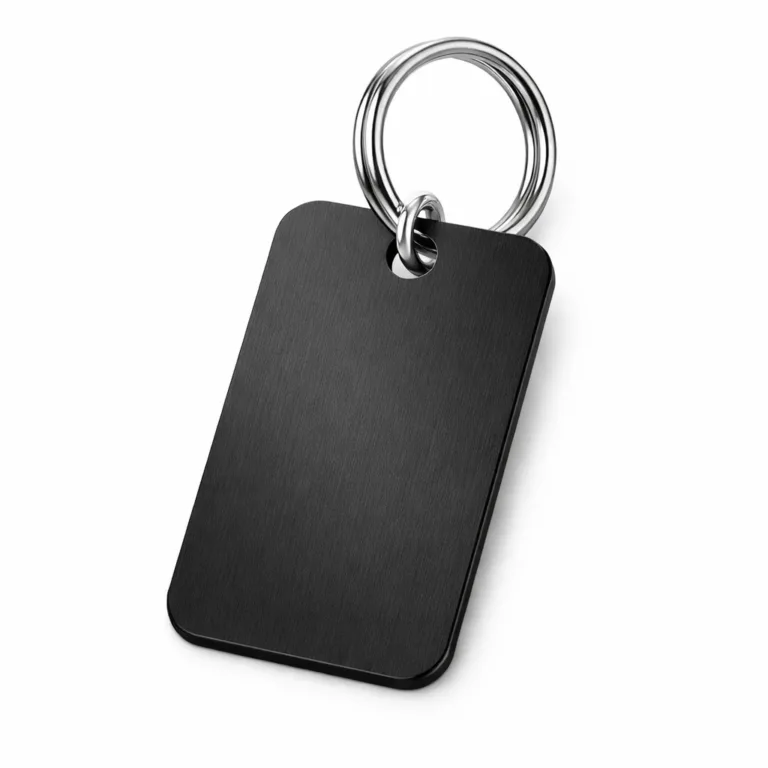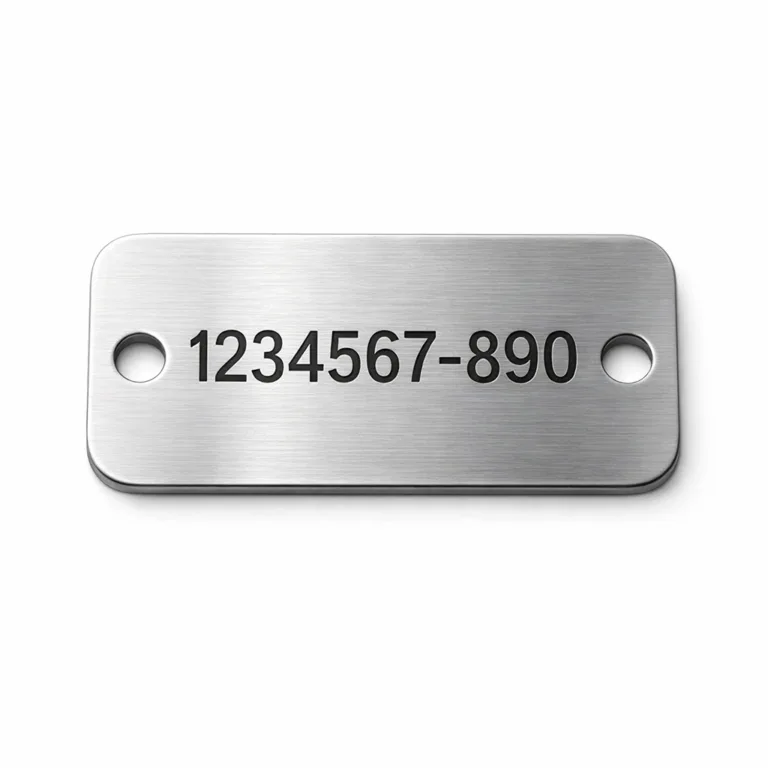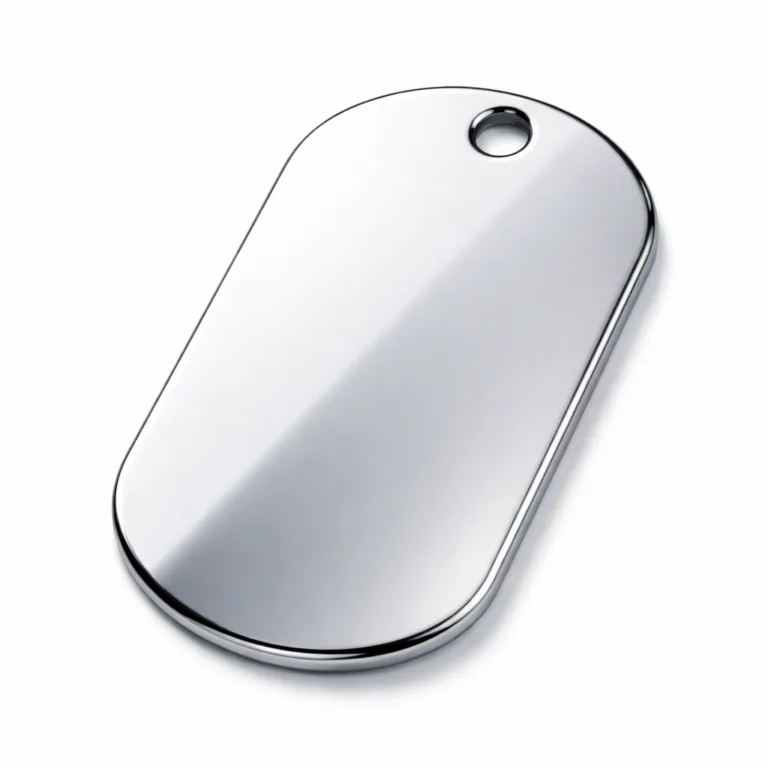
Gold & Silver Plating: How to Add Luxury without the Solid Gold Price Tag. offers a deep dive into how modern plating processes bring the look and feel of solid gold and silver to fashion, jewelry, and accessories—without the wallet-busting price.
Understanding Gold & Silver Plating: Technology Meets Artistry
It’s easy to think luxury comes with a hefty price tag, but gold and silver plating prove otherwise. Plating technology allows manufacturers to deposit a razor-thin, even layer of precious metal over a base, like brass or zinc alloy. This process captures the shine and feel of solid gold or silver, while saving dramatically on cost.
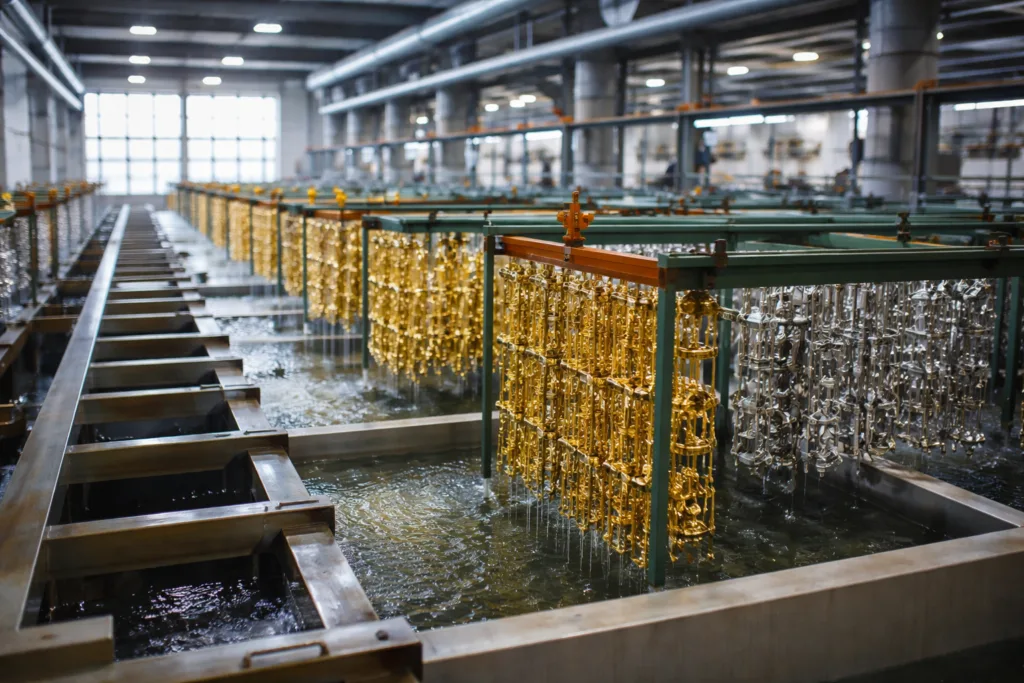
The plating process—which includes careful cleaning, electroplating, and final polishing—must be precisely controlled. Even a slight miss in timing or temperature can affect adhesion and appearance, resulting in disaster for both durability and looks. Electroplating is the workhorse for most luxury-styled tags and ornaments, making durable beauty accessible to a wider market.
The Science Behind the Shine: How Plating Works
Most high-quality plated goods use electroplating. Metal objects are submerged into a bath containing ions of gold or silver. Using an electric current, the ions are attracted to the object, binding to its surface in micro-thin layers. With good bath care and controlled timing, manufacturers achieve a consistent, radiant finish that resists wear for years.
The Benefits of Plated Metals for Designers and Buyers
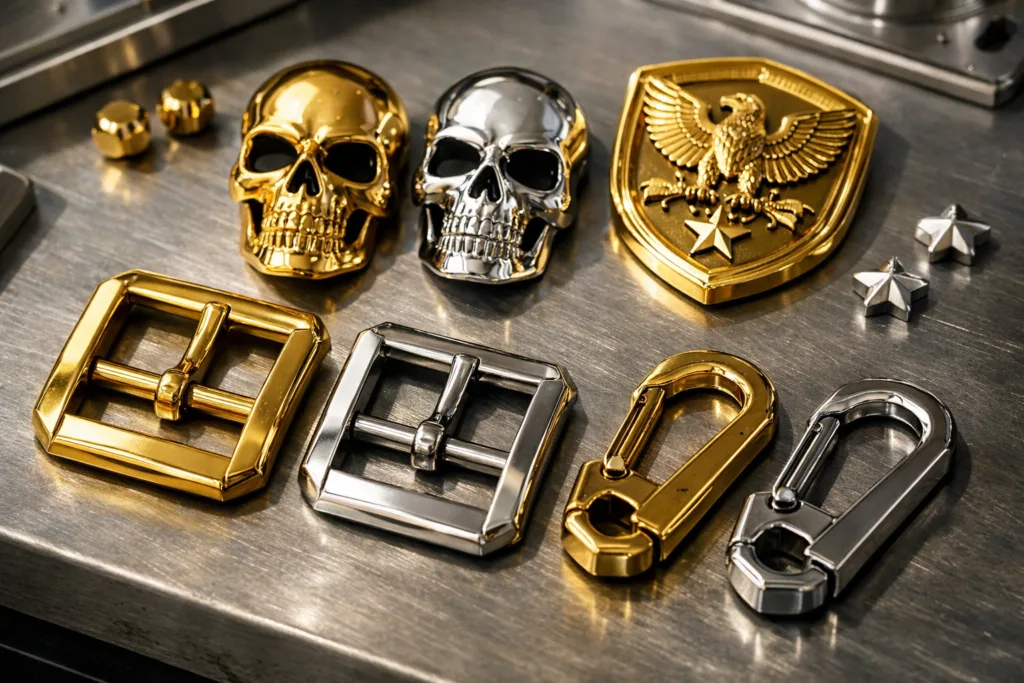
Why not just opt for solid gold or silver? For most, affordability and consider practicality tip the scales towards plated metals. Plated finishes present incredible value, combining the aesthetics of precious metals with a lower environmental and financial footprint.
- Affordability: Dramatically less expensive than solid precious metal
- Variety: Plating supports a wide spectrum of color tones, from rose gold to antique silver
- Weight: Finished items are lighter, increasing wearing comfort
- Eco-Friendly Options: Modern plating technology supports sustainable base materials, aligning with eco-friendly initiatives
Durability Considerations: Plating Thickness, Base Metals, and Real-World Use
Not all plated items are created equal. Durability hinges on two factors: the base metal and the thickness of the plated layer. Brass, zinc alloy, copper, and even steel are common choices. For pieces subject to handling—like luggage tags or keychains—slightly thicker plating and tough, corrosion-resistant bases are ideal. UC Tag, for example, has strict standards on plating thickness, base preparation, and deburring to ensure luxury look and workhorse reliability.
Plating Techniques: From Electroplating to PVD
Though electroplating dominates for gold and silver finishes, other techniques are rising. PVD (physical vapor deposition) offers even greater surface hardness, favored for black or colored luxury finishes.
- Electroplating: Best for uniform gold/silver layers and bright polish
- PVD Coating: Ideal for tough environments and unique hues like black or gunmetal
- Antique Plating: Creates weathered, vintage effects that keep their charm as they age
Quality Checks: Avoiding Common Plating Pitfalls
Even the best process can stumble. Plating must be even and well-attached—thin spots or poor adhesion lead to flaking. Rain Chen at UC Tag often notes that minor debris left after pre-cleaning can cause visible blotches or failure. Ensuring a blemish-free, long-lasting finish requires rigorous inspection and periodic testing.
Comparing Plated and Solid Precious Metal Items
| Aspect | Plated | Solid |
|---|---|---|
| Cost | $$ | $$$$$ |
| Weight | Light-Medium | Heavy |
| Tarnish Resistance | Good (with care) | Excellent (depends on alloy) |
| Maintenance | Simple | More intensive; careful polish |
When Is Plating the Best Choice?
If you’re seeking high-visibility style—custom bag tags, statement jewelry, logo plates—plating delivers the luxury aesthetic without the cost and maintenance burden of solid precious metals. Plus, it allows for creative design, such as Pantone-matched finishes or color-enamel detailing, for more tailored branding.
Applications: From Jewelry Trends to Branding Accessories
Gold and silver plating power more than just rings and necklaces. They elevate a wide spectrum of accessories, fusing luxury styling with everyday function.
- Jewelry: Layered necklaces, stacked rings, and oversized hoop earrings capitalize on the look of solid gold or silver.
- Custom Logo Tags: Luxury bag and luggage brands use gold/silver-plated tags for a high-end signature touch.
- Packaging Accents: Plated labels or charms transform ordinary packaging into a luxury experience.
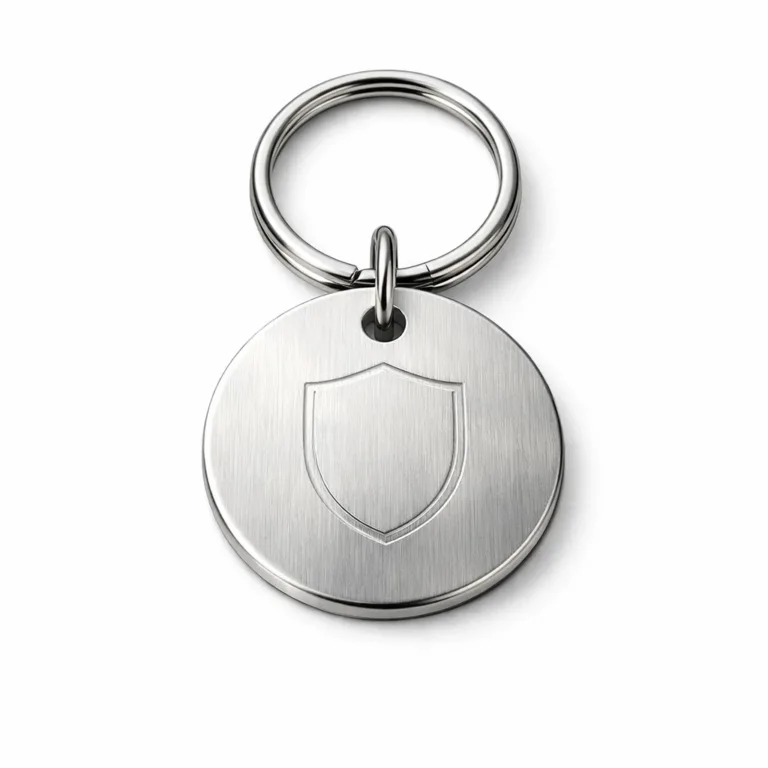
- Pet Tags and Keychains: Premium brands are embracing sophisticated gold and silver tones in everyday carry items (see custom tags).
Industry Insight: Meeting Demands for Affordable Luxury
Shoppers are increasingly drawn to accessible luxury—pieces that feel substantial, look rich, and last. Plating bridges this gap. Even small batches of plated metal tags are now feasible, supporting indie brands and custom products alike.
Factors Influencing Plating Quality and Aesthetics
Not all gold or silver plating shines equally. Here’s what impacts the final look and feel:
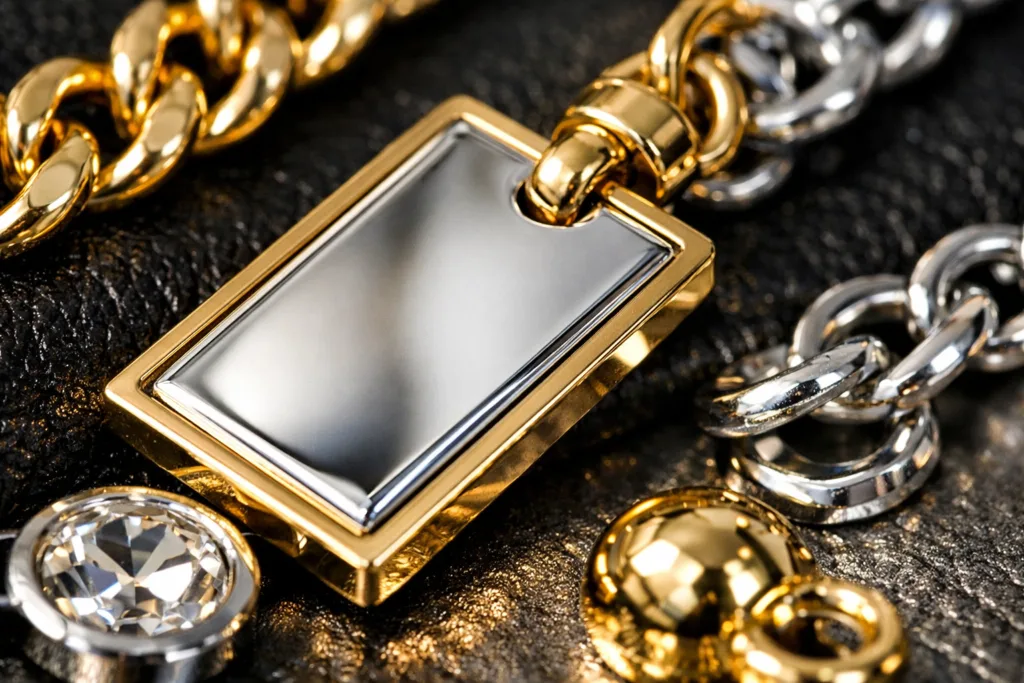
- Base Metal Quality: Smoother bases yield glossier plating. Manufacturers grind, deburr, and polish blanks for optimal adhesion.
- Plating Thickness: Standard flash plating may offer 0.1–0.2 microns, while premium brands opt for 1–2 microns or more for extended lifecycle.
- Protective Coats: Clear lacquers or nano-coatings boost resistance to tarnish and scratches.
Importantly, uneven plating or improper edge finishing can make even expensive materials look cheap. As Rain Chen points out, maintaining crisp, smooth edges can drastically improve both touch and shelf impact.
Matching Plating to Brand Identity
Luxury is often about story and finish consistency. A carefully selected gold hue—such as the warm yellow of 18k gold or the subtle glint of antique silver—communicates taste. Consistent color and gloss across product lines reinforce trust and recognition. Manufacturers like UC Tag use batch controls and color checks to achieve this harmony in each production run.
Tips for Maintaining Gold & Silver Plated Items
With good care, plated accessories keep their shine for years:
- Remove before swimming, showering, or heavy exercise
- Avoid exposure to perfumes, lotions, and household chemicals
- Clean gently with a soft cloth—skip abrasive polishes
- Store in a dry, fabric-lined box or pouch
For jewelry, periodic inspections of clasps and edges help catch early signs of wear, so minor touch-ups can be done before significant loss of plating.
Restoring Luster: Repair and Replating Options
Unlike solid metals, plated items can be touched up or fully replated by professional services. High-value pieces or sentimental accessories are often worth refurbishing. When considering custom plating projects, factor in the long-term cost savings over time—especially for tags, tokens, and keepsakes that see regular handling (custom metal tag solutions can be designed for longevity and easy refinishing).
Gold & Silver Plating: How to Add Luxury without the Solid Gold Price Tag.
The journey from industrial base metal to luxury finish is both an art and a science. Today, gold and silver plating empowers everyone—from luxury houses to independent designers—to offer eye-catching brilliance without the solid gold price tag. It’s a testament to how smart engineering and exacting standards deliver both style and substance. As plating technology progresses, we’ll see even more creative applications across accessories, home décor, and branding—bridging the gap between high-end aspiration and everyday reality.
Frequently Asked Questions
Is gold or silver plating real gold or silver?
Yes, plated items use a layer of real gold or silver bonded to a base metal; the thickness varies by quality and price.
How long does the plating last on everyday accessories?
With gentle use and proper care, quality plating can last several years before noticeable fading, but it depends on wear and thickness.
What base metals are best for plating?
Brass, copper, zinc alloy, and stainless steel are common choices, each offering a balance of durability and cost for the intended use.
Can you replate jewelry or accessories after the finish wears off?
Yes, most pieces can be professionally replated to restore their shine, making them look nearly new again.
Are there hypoallergenic plated products for sensitive skin?
Yes, some manufacturers use hypoallergenic bases like stainless steel or titanium beneath plating for improved skin compatibility.
How is plating different from solid gold or silver?
Plating covers a base metal with real gold or silver; solid pieces are made entirely of precious metal, making them heavier and costlier.
Related Reading
- Why Black & Gold Remain the Ultimate Luxury Power Combo in Design
- Mastering Metal Finishes: Plating vs. Brushing vs. Sandblasting Explained
- Pantone Precision: How to Match Brand Colors on Metal Finishes Every Time
- Unlock Custom Metal Tag Solutions: Endless Material & Finish Options
- Go Green with Style: Eco-Friendly Recycled Metals & Wood in Luxury Branding