Introduction: Brass vs. Stainless Steel for Long-Lasting Dog Tags
Choosing the right material for your dog’s identification tag isn’t just a style decision—it’s a question of durability, safety, and clarity. With so many metal options on the market, two of the most debated are brass and stainless steel. This article provides a comparative deep-dive into brass vs. stainless steel: which metal is best for long-lasting dog tags? We’ll explore essential factors like durability, resistance to tarnish and rust, maintenance upkeep, engraving clarity, weight, and cost. Whether your pup is a homebody or an outdoor adventurer, read on for practical, real-world guidance to keep their identity secure and readable no matter where life takes you.
Core Composition: What Are Brass and Stainless Steel?

Understanding the basics behind each metal is crucial. Brass is primarily a copper and zinc alloy, celebrated for its distinct golden tone and ease of shaping. On the other hand, stainless steel is a steel alloy with a notable percentage of chromium—typically at least 10.5%—which gives it powerful rust and stain resistance. These core differences underpin how each material reacts to the wear and tear dog tags endure daily.
Durability: How Do Brass and Stainless Steel Dog Tags Hold Up?
Durability is a make-or-break feature for any pet tag. Stainless steel dog tags stand out with their high tensile strength and toughness. They resist scratching, deforming, and splintering even when exposed to rough play or harsh weather. By contrast, brass is softer, making it more prone to dents, deep scratches, or bending—especially over years of use. Brass tags can take on a worn, antique look—appealing to some—but risk becoming illegible if damaged repeatedly.
Resistance to Rust, Corrosion, and Tarnish
Where your pet wears their tag matters. Do they splash through streams or live near salty coastal air? Stainless steel, containing chromium, passivates to form a self-healing protective layer against rust and oxidation. It’s ideal for pets frequently exposed to water or mud. Brass, due to its copper content, does not rust, but it tarnishes and forms verdigris (a greenish surface layer) over time. This tarnish doesn’t always harm the tag, but it can stain fur or become unsightly—especially for light-coated dogs.
Appearance: Style, Color, and Finish Considerations
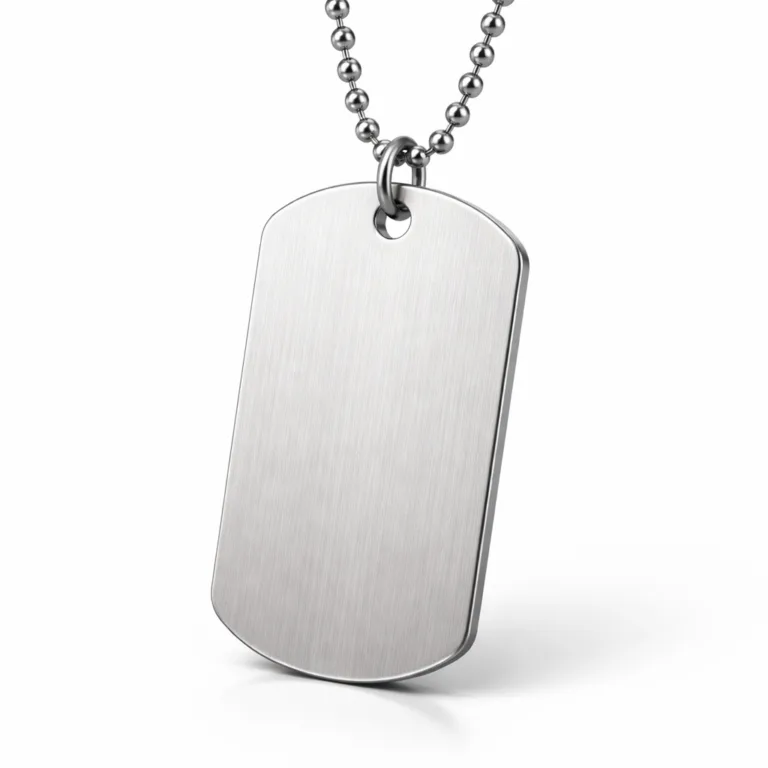
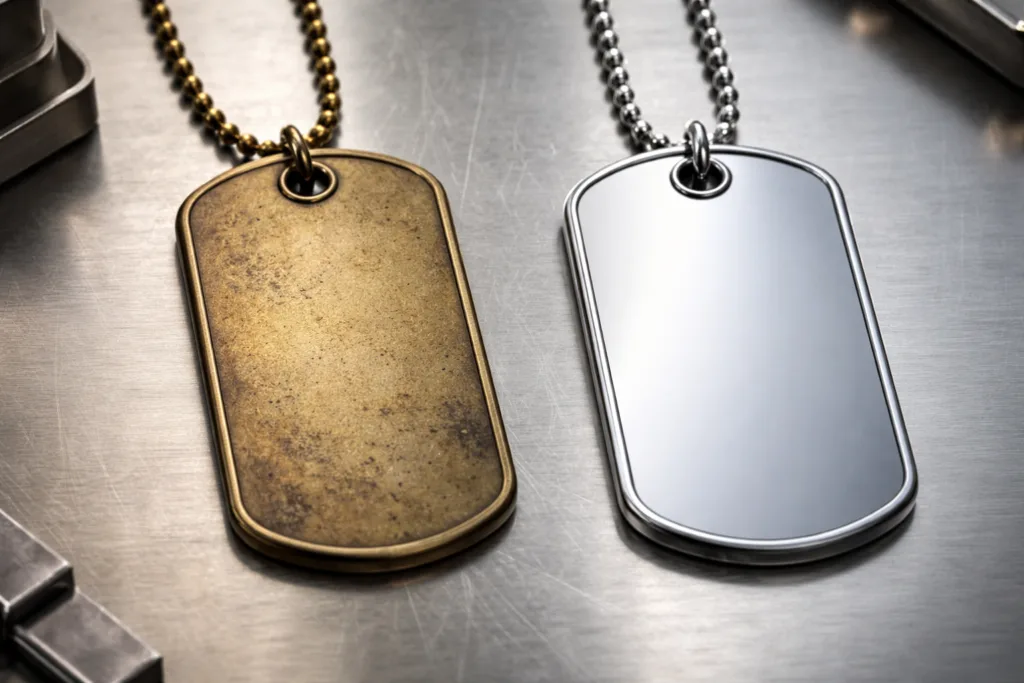
Many choose a metal tag based on looks as well as longevity. Brass offers a warm, classic gold tint that stands out on collars and fur—an appealing choice for pet owners seeking vintage or luxury appeal. Stainless steel’s vibe is more modern and understated: bright, silvery, and neutral, matching virtually any collar style. For brands seeking on-trend design cues, it’s worth noting that black and gold remain a timeless luxury color combination in product design, and brass can play a central role in this aesthetic when maintained properly.
Engraving Quality and Readability Over Time
The whole point of a dog tag is clear identification. Brass, being softer, allows for deep and crisp engravings with classic laser or rotary tools. However, over years, those crisp lines can wear smooth, especially for active pets. Stainless steel, with its hardness, requires sharper tools but holds engraved or stamped text for much longer. Quality matters: as Rain Chen from UC Tag shares, defects like burrs or inconsistent plating can undermine even the best material if not properly controlled in manufacturing.
Maintenance Needs: Upkeep and Long-Term Appearance
If you want a low-maintenance solution, stainless steel is practically effortless—resisting water spots, fingerprints, and most common stains. Occasional rinsing keeps it looking bright. Brass shows fingerprints and can tarnish; it requires periodic polishing to restore its luster and to avoid darkening, especially on exposed edges or where tags rub against hardware. Consider your time and tolerance for routine cleaning when choosing your tag material.
Weight and Comfort: Is Heavier Always Better?
Brass is denser than stainless steel, making tags slightly heavier at the same size and thickness. On large or medium dog collars, this difference is negligible, but for toy breeds, or cats, weight could be significant. Stainless steel can often be made lighter without compromising strength. Always match the tag’s thickness and size to your pet’s build for comfort and safety; an interesting reference is our Pet Tag Size & Weight Guide by Breed.
Cost Comparison: Brass vs. Stainless Steel Dog Tags
Cost depends on raw material prices and finishing processes. Generally, simple stainless steel tags are more affordable than premium-finished brass pieces, due to their ease of mass production and reduced finishing requirements. If seeking intricate shapes or antique finishes, brass may cost more, but delivers unique visual character that some pet owners find justifies the price.
Suitability for Engraving: Lettering, Logos, and Customization
Both brass and stainless steel accept laser engraving, etching, and deep stamping. For custom logos or detailed graphics, stainless steel offers superior repeatability—small details and fine fonts stay crisp through years of abrasion. Brass, depending on its copper-to-zinc ratio, may allow for slightly deeper hand-engraved effects, which can appeal to those who want a “crafted” look. For professional applications and bulk orders, manufacturers like UC Tag select alloy grades and marking methods based on scale, complexity, and client needs.
Real-World Use: Outdoor, City, Water, and Salty Environments
Where your dog goes shapes your metal choice. Stainless steel is unmatched for outdoor-loving pets—hikers, beach-combers, water-fetchers. Its corrosion and chip-resistance stand up to all-season wear. Brass fares well in city parks or indoors, but excessive moisture can accelerate tarnish, especially on laser-engraved or thinly plated models.
Long-Term Wear and Aging: How Do These Metals Age?
Brass develops a patina, shifting from bright gold towards brown or greenish hues depending on exposure. Some find this vintage look attractive; others see it as wear or neglect. Stainless steel ages with subtle surface scratching but remains silvery and corrosion-free for years, with engravings usually as legible after five years as day one. Owners valuing permanence often target stainless steel for this reason.
Safety and Fur Staining Concerns
For white or light-coated pets, brass tarnish and verdigris may stain fur or fabric collars green. Stainless steel is inert and hypoallergenic, posing no staining risks. Brass typically poses no toxicity risk, but oral fixations (like teething puppies) may increase unnecessary exposure to copper or zinc—something to consider if chewing is likely.
Noise Levels: Clatter, Rattle, and Tag Silencers
Both metals produce similar clatter when hitting other tags or hardware. However, brass’s softer structure may yield a duller sound than steel’s sharp clink. If your dog is sensitive to noise or you prefer silence at night, consider using tag silencers or compatible accessories for both materials.
Popular Uses: From Traditional to Modern Dog Tag Designs
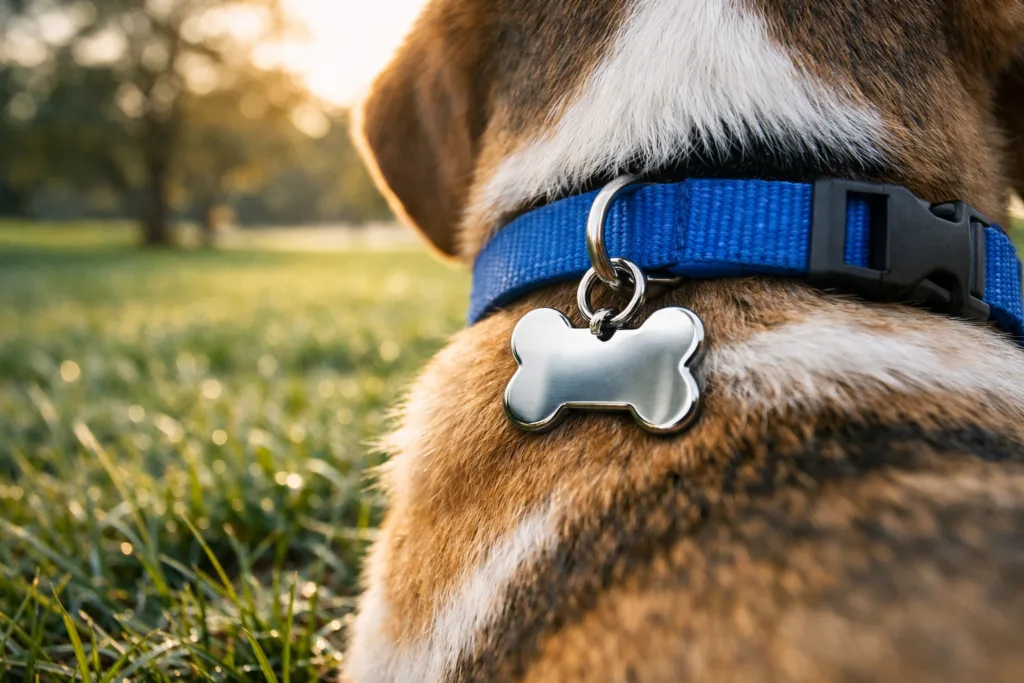
Brass remains a classic for military-style or antique-inspired tags, lending a sense of nostalgia. Stainless steel dominates the modern mass market, favored for minimalist, sports, or industrial aesthetics. Trends shift, but both metals maintain strong demand—a testament to their unique strengths and complementary market positions.
User Reviews: What Pet Owners Say
Pet owner feedback reveals recurring themes. Brass tag fans praise their beauty and “lived-in” appeal; critics note fading legibility. Stainless steel supporters love the “forget it and go” durability but sometimes find it less distinctive or elegant than brass. Regardless, nearly all agree: the right information, clearly legible, and securely mounted outweighs ornamental factors.
Care Tips: Maximizing Lifespan for Both Materials
To get the longest lifespan from any metal tag, wash grit and chemicals off regularly. For brass, a gentle polish every few months maintains its sheen and prevents deep tarnish. For stainless steel, a wipe with mild soap and water is usually enough. Checking for worn split rings, sharp edges, or rubber attachments keeps the whole assembly safe for your pet.
Manufacturing Realities: Insights from UC Tag
From the shop floor, production choices shape final tag quality far more than metal alone. Rain Chen from UC Tag reports that achieving burr-free edges and consistent engraving depth on both brass and stainless steel is essential for safe, readable dog tags. With stainless steel, more powerful stamping presses are needed; for brass, special care is required to prevent surface scratches during finishing. Both materials can deliver exceptional results if the right processes and quality controls are in place, but the details matter—especially in bulk orders or intricate designs.
Customization Potential: Colors, Shapes, Graphics
Unique colors and finishes can distinguish your tag. Brass can be plated, lacquered, or antiqued for specific shades; stainless steel also accepts colored coatings and custom graphics, but its neutral tone remains visible at the edges. Brands wishing to Pantone-match colors or use enamel fills should review technical tolerances, as discussed in The Secret to Pantone Matching on Metal.
Eco-Friendliness: Sustainability and Recycling Factors
Both brass and stainless steel are recyclable. However, recycled steel is more common in today’s market, and many eco-conscious pet owners favor tags with lower environmental footprints. For sustainable choices, see our resource on eco-friendly dog tags using recycled metals and low-VOC finishes.
Pricing, Bulk Orders, and Sourcing Guidance
Expect stainless steel tags to be priced from budget to mid-range for plain designs and mass production runs. Brass tags cost more when special finishing, shaping, or custom graphics are required. Bulk buyers should work closely with their custom metal tag solution suppliers to optimize cost, especially if targeting retail, subscription boxes, or promotional use.
How to Choose: A Practical Decision Guide
- Choose stainless steel for maximum durability, outdoor adventures, water-resistance, and low maintenance.
- Select brass if you prefer a classic or antique look and don’t mind regular polishing, or your pet is indoor-based.
- For small or toy breeds, compare weights and sizes carefully for comfort and safety.
- For lasting legibility and professional branding, consult with expert manufacturers on materials and marking methods.
Brass vs. Stainless Steel: Which Metal is Best for Long-Lasting Dog Tags?
| Feature | Brass | Stainless Steel |
|---|---|---|
| Durability | Softer, scratches/dents with hard use | Highly resistant, long-lasting |
| Rust & Corrosion Resistance | Tarnishes (patina, may stain fur) | No rust, minimal tarnish |
| Appearance/Finish | Gold tone, vintage/antique option | Bright silver, modern look |
| Engraving | Deep, classic (can fade/blur) | Crisp, retains detail longest |
| Maintenance | Requires regular polishing | Wipe clean, nearly maintenance-free |
| Cost | Usually higher (special finishes) | Budget to moderate (mass production) |
| Suitability | Best indoors/light outdoor use | Ideal for all pets/all conditions |
Conclusion: Making the Right Choice for Your Dog
When it comes to brass vs. stainless steel: which metal is best for long-lasting dog tags? Both have their unique strengths—brass provides warmth and classic charm for careful owners, while stainless steel guarantees ease, durability, and year-on-year legibility. Factor in your pet’s daily routine, coat color, and your own taste for upkeep. Ultimately, the best dog tag keeps your contact info clear and survives the tumbles and scrapes of adventure—or daily life. Know your options, talk with experienced makers, and choose the tag that truly fits both your style and your dog’s needs.
Frequently Asked Questions
Will a brass dog tag stain my dog’s fur?
Brass tags may develop tarnish or verdigris, which can sometimes stain light-colored fur or fabric collars greenish over time, especially in moist conditions.
Is stainless steel hypoallergenic for pets?
Yes, stainless steel is generally considered hypoallergenic and safe for pets, presenting very low risk of causing irritation or allergic reactions.
How often should I polish or clean a brass dog tag?
For best appearance, polish a brass tag every few months or whenever tarnish appears. Simply washing with mild soap and water also helps delay discoloration.
Are stainless steel dog tags really rust-proof?
High-quality stainless steel is rust-resistant, even with regular water exposure, but surface scratches and extreme conditions may present minor rust spots over many years.
Which material is better for intricate engraving or small text?
Stainless steel maintains fine engraving details longest, resisting wear, while brass allows deeper marking but those details may wear faster with abrasion.
Can brass or stainless steel be used for custom-shaped dog tags?
Both metals are suitable for custom shapes. Manufacturers use stamping or laser-cutting; thinner brass shapes need careful deburring to avoid sharp edges.
Related Reading
- Pro-Level Guide to Engraved Metal Dog Tags: Legibility, Placement & Bulk Tips
- Pet ID Tags or All-Metal? Smart Buyer’s Durability Guide
- Ultimate Manufacturing Insights for Stainless Steel Dog Tags
- Essential Dog Tag Info: What to Engrave for Fast Returns
- Pick the Perfect Tag: Pet Tag Size & Weight by Breed