Cruise Luggage Tags: The Basics
If you are planning a voyage on the open seas, you may have seen references to cruise luggage tags in travel forums or your cruise line’s instructions. But what exactly are cruise luggage tags, and why are they so important? This essential cruise accessory is more than just a label. Cruise luggage tags help cruise lines identify and deliver your bags safely to your stateroom. Each tag includes key information, such as your name, cabin number, and sometimes a barcode or QR code unique to your booking.
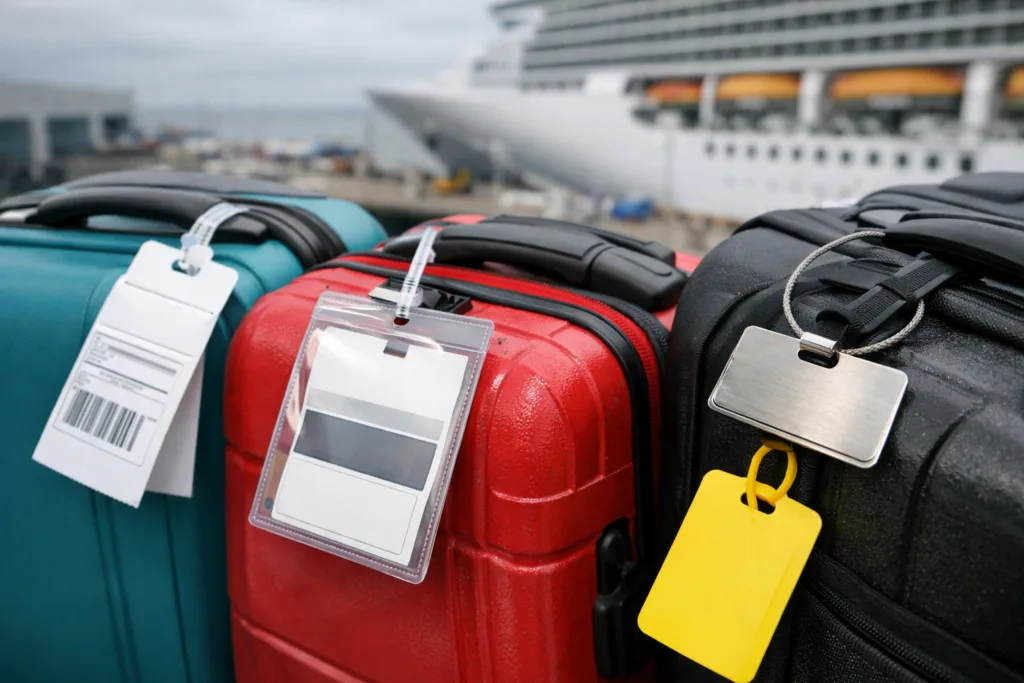
Cruise luggage tags come in different shapes, sizes, and materials. Most cruise lines provide digital luggage tags that you print at home before departure. These paper tags are typically attached with tape or a paper loop, but many seasoned travelers prefer to protect them in sturdy plastic or metal holders. These holders ensure that your tags remain legible and attached during your baggage’s hectic journey—moving from airport to port to your ship, and sometimes handled by multiple staff members along the way. The last thing you want is your luggage going missing because a tag fell off.
Without a cruise luggage tag, your suitcase may not reach your cabin promptly or could even get delayed. Using the correct tag helps the cruise staff sort and deliver thousands of bags quickly and accurately. It’s your bag’s ID badge, essential for a smooth start to your ocean adventure.
Why You Must Use Cruise Luggage Tags
Cruise luggage tags aren’t optional. Most cruise lines require guests to use the correct tags to help their crew identify and sort luggage before it’s brought on board. If you arrive without the required tag, you may face a delay at embarkation as ground staff scramble to print or attach a replacement for you. This can lead to unnecessary stress at the start of your well-earned holiday.
These tags are directly linked to your reservation. Each one will typically feature your name, the ship name, and your cabin number or booking code. Using cruise luggage tags means your suitcase gets delivered directly to your assigned stateroom, sparing you the chaos of baggage claim lines or searching through dozens of similar-looking bags in a terminal.
Additionally, cruise lines have to move staggering amounts of luggage—sometimes thousands of suitcases in a single day. If any tag is unclear or missing, there is a higher risk of handling errors, lost bags, or delays. For international cruises with multiple ports, this risk increases as your bag travels with you from place to place. Properly labeled luggage is the golden ticket to a stress-free vacation launch.
Common Types of Cruise Luggage Tags
There’s more variety in cruise luggage tags than first meets the eye. The most common forms you’ll encounter include:
- PAPER TAGS: These are the default tags provided by most major cruise lines. After checking in online, you can download and print tags for each piece of luggage. They usually include a spot for your booking details and stateroom number. While economical, they can easily tear or become unreadable if exposed to water or rough handling.
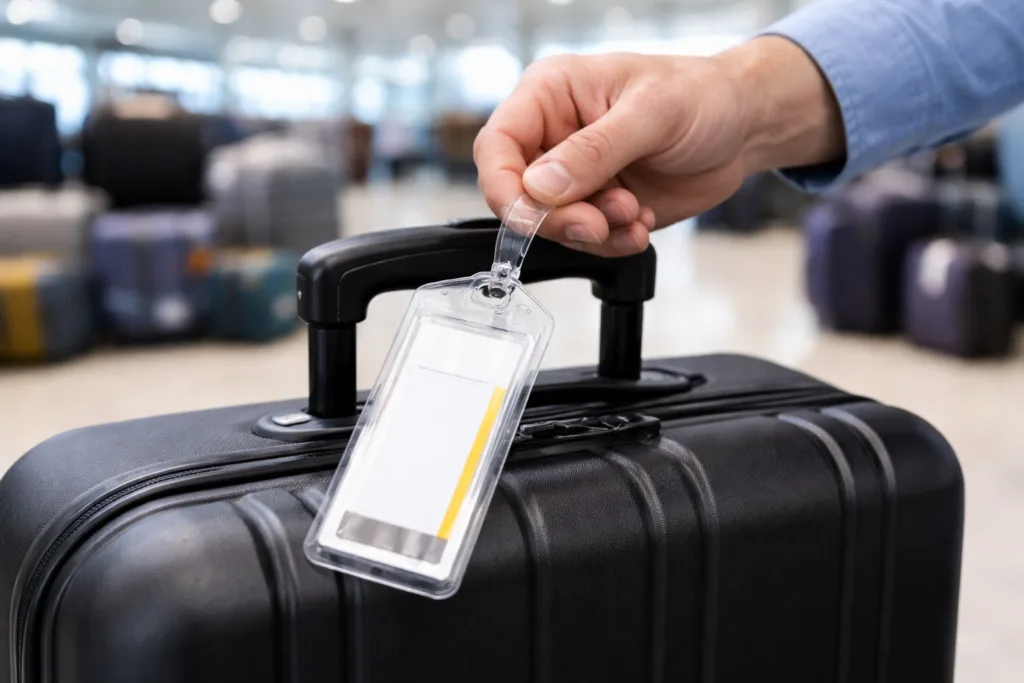
- PLASTIC OR VINYL HOLDERS: Travelers often buy reusable tag holders to protect their printed paper tags. These sleeves are clear, waterproof, and come with sturdy loops or zip ties for attaching to your bag. They’re popular for their durability and because they’re designed to fit each cruise line’s standard tag size.
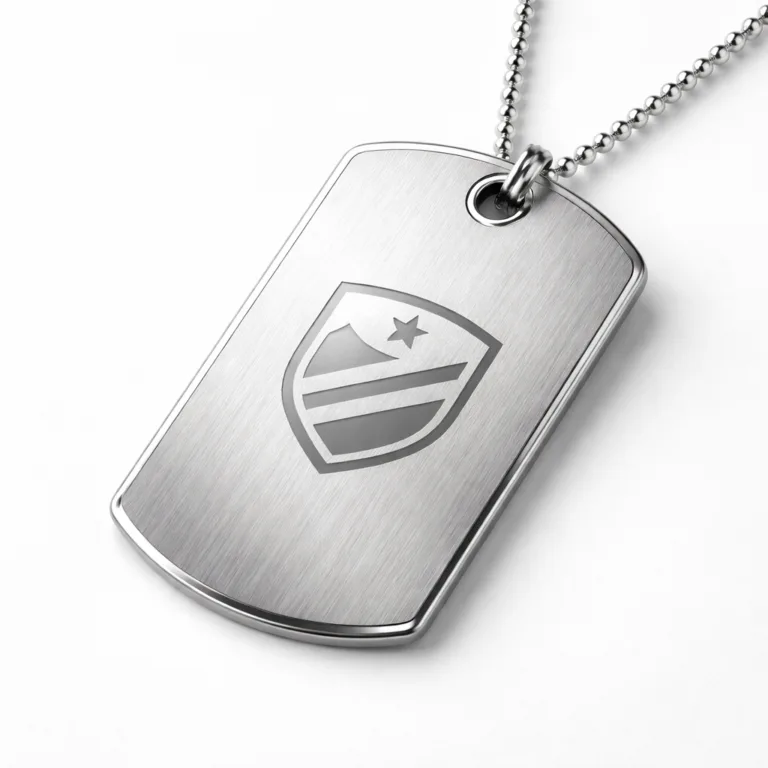
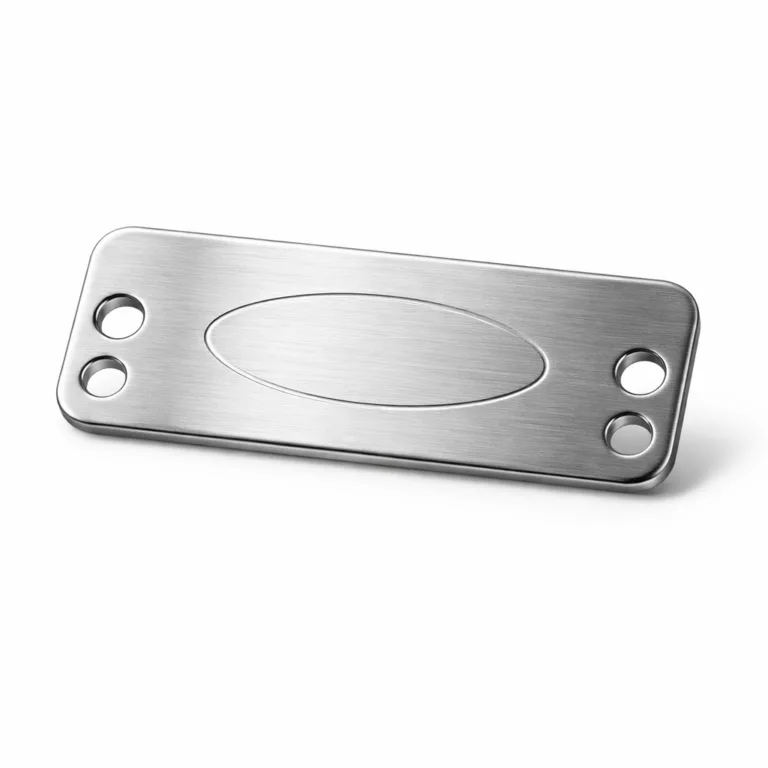
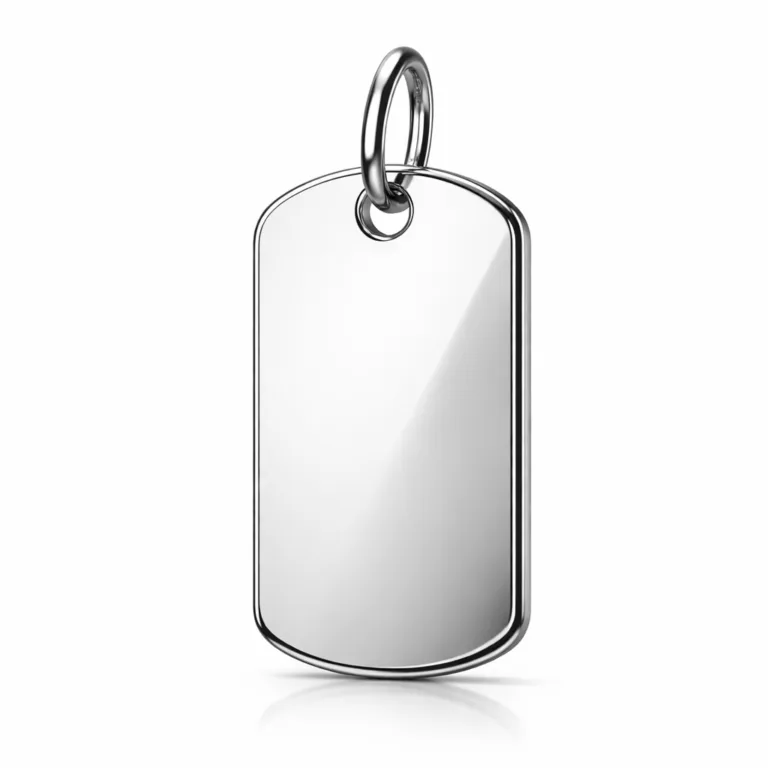
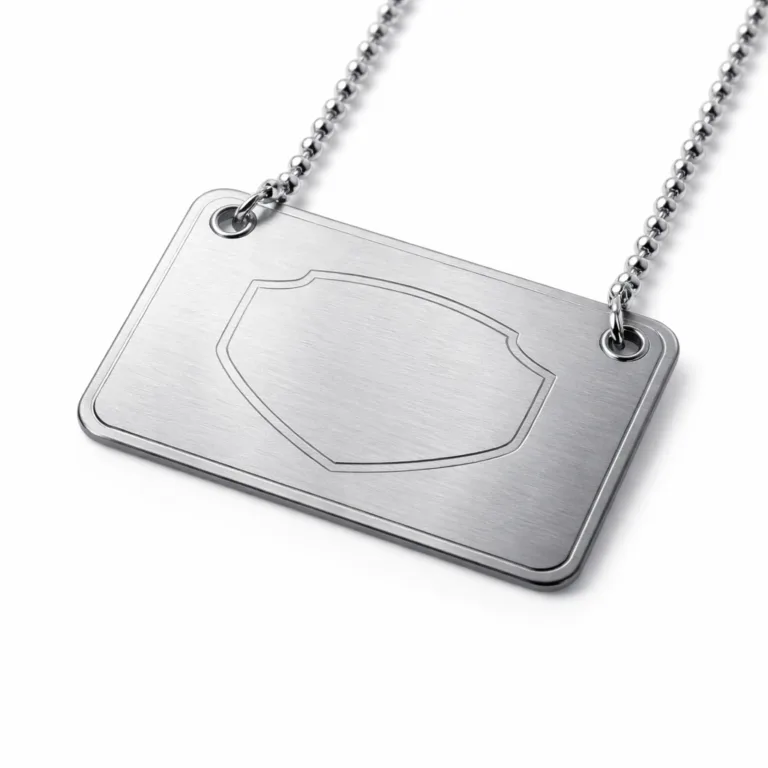
- METAL TAGS: Less common but rising in popularity, especially among regular cruisers, are etched or engraved metal tags. These offer superior durability and can be custom engraved with vital details. Some companies, like UC Tag, produce metal nameplates that can act as a permanent ID for both cruise and everyday travel.
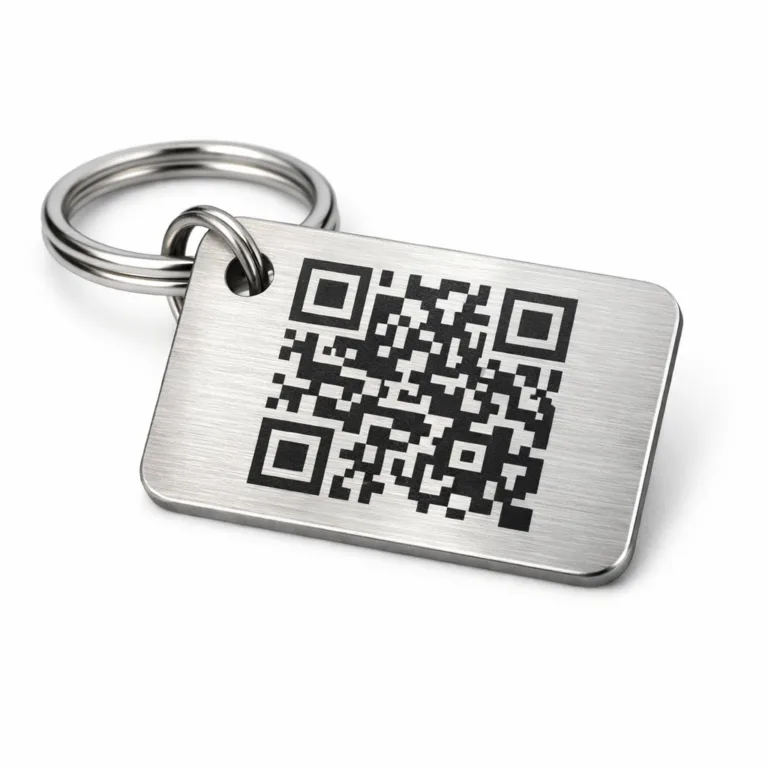
- BARCODED/QR LUGGAGE TAGS: Newer cruise lines may use barcodes or QR codes encoded on the tag. These are scanned at various transfer points during embarkation and delivery, ensuring fast, accurate tracking and better security, especially for high-value luggage.
Choosing the right type depends on how frequently you cruise, your personal preferences, and how much security you want for your belongings.
What to Look for in Reliable Cruise Luggage Tags
Shopping for a good cruise luggage tag? Look beyond price. The best tags should be durable, water-resistant, and fit securely on your bag. Many seasoned travelers recommend a tag that’s both see-through (so cruise staff can easily scan it) and tightly secured to resist ripping. If you’re investing in a reusable plastic or metal holder, make sure it matches the size of your chosen cruise line’s tag template. Otherwise, a tag that’s too large or small can be just as problematic as having none at all.
For peace of mind, choose tags with strong attachment hardware—such as braided steel loops or zip ties—over cheap rubber bands or string. Security is paramount during the boarding rush, and cheap attachments can break, leaving your bags anonymous. Some choose to personalize their tags or holders with a bright color or pattern to quickly spot their suitcase amidst a sea of similar luggage—always check with your cruise line if additional decoration is allowed.
How to Attach and Use Cruise Luggage Tags Properly
Attaching cruise luggage tags sounds simple, but there are a few tips to ensure success. First, print your tags on sturdy paper if using the supplied digital template—standard office paper works, but thicker paper (like 32lb or card stock) is ideal. Once printed, fold and insert the tag into your holder (if you use one), making sure crucial info is visible and the barcodes are scannable. If using just paper, fold and tape the tag according to your cruise line’s instructions, then staple or tape securely.
Always attach the tags to a strong handle or loop on your bag. Avoid zipper pulls because they can break under heavy handling, and make sure the tag isn’t hanging so low that it drags or gets caught. After attaching, give it a light tug to check that it can’t be easily pulled off or lost. For security, never write your full address (unless the cruise line requires it)—just your name and stateroom info. Bring a spare tag or two, just in case.
What to Do If You Forget or Lose Your Cruise Luggage Tag
It happens to everyone eventually: a forgotten or lost luggage tag. If you arrive at the port without your pre-printed cruise luggage tag, don’t panic. Most cruise terminals have a service desk where agents can print tags on the spot. However, this can slow you down, especially with big families or busy embarkation periods—so plan ahead if possible.
If your tag falls off en route, always keep a backup in your carry-on bag (and perhaps in a travel email folder for easy reprinting). Metal or sturdy plastic holders can help avoid this mishap. For peace of mind, label your suitcase on the inside as well, in case external tags are lost. Avoid delays by having those backup options ready and knowing where to go at the terminal for tag help.
Cruise Luggage Tag Sizes and Compatibility
Not all cruise luggage tags are created equal. Each cruise line often uses its own template—some are long and thin, others short and wide. Before purchasing reusable plastic or metal holders, double-check that they fit your cruise line’s tags. A holder that’s too small can fold or hide booking information, while one that’s too large lets the tag move around, risking damage or loss.
Here are a few examples of common tag sizes by major lines:
| Cruise Line | Tag Size (inches) | Notes |
|---|---|---|
| Carnival | 6.5 x 2.5 | Long, fits most holders |
| Royal Caribbean | 7.5 x 3.5 | Larger tags, wider holders |
| Norwegian Cruise Line | 7 x 2.5 | Medium, fits standard holders |
| MSC Cruises | 7 x 2 | Usually barcode-based |
Be sure to check your documentation before ordering or reusing tag holders from past trips.
Best Materials for Cruise Luggage Tags
When it comes to the fabric of cruise luggage tags themselves or their holders, not all materials are equal:
- Paper: Provided by cruise lines, cheap but fragile. Best protected using plastic or vinyl sleeves.
- Vinyl: Clear, flexible, resistant to water and tears. The most common choice for reusable holders.
- Plastic: Slightly harder than vinyl but more rigid and tough against rough baggage handlers.
- Metal: Nearly indestructible, a great choice for frequent cruisers or those transporting valuable items. Can be engraved for reuse trip after trip.
Choose the holder material based on your travel frequency and desired longevity. Plastic and metal offer the longest life and best chance of your tags staying attached voyage after voyage.
Custom Cruise Luggage Tags and Personalization
For those who want to travel in style—or simply avoid mix-ups—custom cruise luggage tags are a practical and fun option. Personalization can include your name (or family name), a favorite color, a special cruise logo, or even a contact number. Some travelers like to coordinate luggage tags for every family member, using distinctive colors or patterns so everyone can find their bag instantly in the busy terminal.
Professional manufacturers like UC Tag can create custom metal tags with engraved details. This customization not only adds a touch of class to your travel gear but also allows your information to remain clear and permanent, immune to the smudging or tearing that plagues paper tags. When ordering, always double-check your cruise line’s requirements, as some restrict additional details for security reasons. Special characters, colors, and scannable codes are often available for custom orders as well.
The UC Tag Manufacturer’s Perspective on Cruise Luggage Tags
As a specialist in custom metal tags, UC Tag understands the importance of durable, legible, and secure cruise luggage tags. Over years of manufacturing metal nameplates and decorative tags for luggage and travel equipment, we’ve seen firsthand how quality materials and smart design reduce the risks of lost or delayed luggage.
From a manufacturer’s perspective, the demand for customizable, reusable luggage tags is increasing among cruise travelers. We focus on producing robust tags that meet cruise line specifications, balancing visibility with privacy—clear enough for staff to read quickly, yet secure enough to protect your personal information. Materials are chosen for their resistance to seawater, frequent handling, and changing climates found at international cruise terminals.
Whether you’re a first-time cruiser or a seasoned traveler, investing in a high-quality, personalized tag can make a world of difference. Are you currently seeking a manufacturer for your custom cruise luggage tags?
Tips for Cruise Luggage Tag Success: A First-Time Cruiser’s Guide
If you’ve never cruised before, the process for using cruise luggage tags might seem daunting. Here are practical tips for beginners:
- Print Digital Tags Ahead of Time: Don’t wait until you arrive at port. Print your cruise luggage tags—preferably two sets—in advance.
- Use a Good Holder: Protect paper tags with a waterproof plastic or vinyl sleeve, or upgrade to a metal tag for repeat trips.
- Double-Check Information: Is your name, ship, and stateroom number correct? Typos can lead to lost bags.
- Secure Attachment: Use a steel loop or strong zip tie, never a paper or string tie.
- Traveling with Family? Clearly label every suitcase, including kids’ bags, and make a note of which bag belongs to whom.
- Carry-On Essentials: Keep your first-day needs with you in a carry-on, just in case bags are delayed.
Don’t be afraid to ask cruise terminal staff for help if you have trouble with your luggage tags. They see this every day and can provide quick, practical assistance.
“What is a Cruise Luggage Tag?”
A cruise luggage tag is a label branded with your name, cabin number, and booking info, attached to each piece of baggage. It tells cruise staff where to send your suitcase, ensuring it appears at your stateroom instead of getting lost en route. It also speeds up the embarkation process and helps avoid delays or confusion, especially important when ships hold several thousand passengers.
Think of your cruise luggage tag as a “passport” for your bag. Without it, your suitcase is much more likely to be misplaced and won’t receive the prompt, individualized handling that cruise lines pride themselves on. One small piece of paper or metal can be the key to a smooth, stress-free cruise beginning.
What Happens if You Don’t Use a Cruise Luggage Tag?
If you skip the cruise luggage tag, your bag won’t be sorted with your reservation and may end up in a general holding area. Crew might have to manually track you down, verify ownership, and arrange special delivery—costing you precious vacation time and possibly causing worry. In busy ports, unlabeled bags may be considered security risks and separated for closer inspection. Always tag your bags as required.
Securing High-Value or Sensitive Items with Special Cruise Luggage Labels
Got expensive electronics or medical equipment? Cruise luggage tags can be partnered with special labels for fragile or priority delivery. Some custom tag makers, like UC Tag, offer special engraving or brightly colored backgrounds for “Priority,” “Medical,” or “Fragile” indications. Let your cruise line know if you have unusual luggage needs, and consider keeping especially sensitive items in your carry-on bag at all times.
How Often Should You Replace Your Cruise Luggage Tag?
Reusable plastic or metal tags can last for many voyages if well cared for. Replace tags if they become cracked, unreadable, or don’t fit your current cruise line’s template. Paper tags are single-use only. Metal tags may need new engraving if your travel habits change or your cabin preferences are altered. Always check before each cruise that your luggage tag is readable and securely attached.
Are Cruise Luggage Tags Required for All Bags?
Most cruise lines require that every checked bag have a valid luggage tag. This includes not just large suitcases but also garment bags, sports gear, and even some children’s backpacks if checked separately. Carry-on bags you keep with you may not need a tag, but it’s smart to add one for identification just in case a bag gets misplaced.
Do-It-Yourself Options for Cruise Luggage Tags
If you want to get creative, you can make your own cruise luggage tag using sturdy materials and a laminator. Just make sure all information matches your cruise reservation and is clear. However, always follow cruise company requirements—homemade tags may not be acceptable on all lines. DIY options are best for personal travel, short cruises, or supplementing the official tags as backup.
Eco-Friendly Cruise Luggage Tag Solutions
With environmental responsibility growing, travelers are looking for eco-friendly options. Reusable metal or plastic holders cut down on single-use paper. Some manufacturers use recycled materials or offer return programs for worn-out tags. By investing in a reusable or biodegradable tag holder, you’re making a small but meaningful contribution to greener cruising.
Misconceptions About Cruise Luggage Tags
Some travelers assume tags are just for looks or are only required for checked luggage. In reality, correct tagging is vital for all bags traveling separately from you at embarkation. Others believe that all plastic holders fit all cruises—but sizes and formats change, so always confirm. If in doubt, ask seasoned cruisers or consult the cruise line’s official materials for the most up-to-date advice.
Comparison Table: Paper vs. Plastic vs. Metal Cruise Luggage Tags
| Type | Price | Durability | Waterproof | Reusable |
|---|---|---|---|---|
| Paper | Free | Poor | No | No |
| Plastic/Vinyl | Low | Good | Yes | Yes |
| Metal | Medium-High | Excellent | Yes | Yes |
Real Traveler Experiences with Cruise Luggage Tags
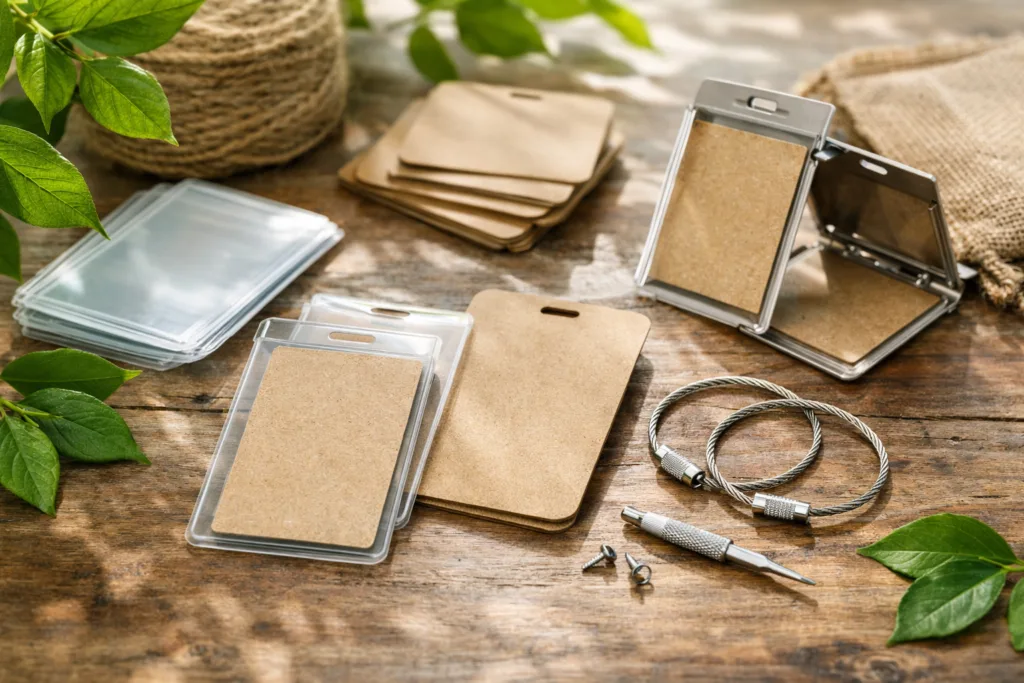
Seasoned cruisers share stories about both mishaps and triumphs with cruise luggage tags. Travelers report the peace of mind that comes from using bold, sturdy tags—no anxiety about lost or delayed suitcases. Others tell of ruined tags causing delays and recommend packing extras. All agree: don’t leave home without a proper tag!
FAQs on Cruise Luggage Tags
- Can I use my own luggage tag instead of the cruise line’s?
You can use a plastic or metal holder, but you must display the official cruise line’s tag insert for your booking information to be valid. - What should I do if my luggage tag gets damaged before my cruise?
Print an extra set at home, or bring a backup plastic holder. If all else fails, ask the cruise staff at the port for a replacement. - Are cruise luggage tags different for every cruise line?
Yes, size and format differ, so you may need unique holders or inserts for each cruise company. - Is a barcode or QR code necessary?
If your cruise line’s tag includes a barcode, it’s mandatory for tracking. Don’t block or alter it. - How early should I attach my tags?
Attach tags just before arriving at the port to avoid damage during flights or transfers. Keep extras handy in your carry-on. - Can I decorate my luggage tag?
Yes, but only on the outside of clear holders. Don’t cover key info or codes required by the cruise line.
Conclusion
Cruise luggage tags are a simple but essential part of any successful voyage. They help cruise lines deliver your bags, streamline embarkation, and ensure your vacation starts on the right note. With so many options—from basic paper to custom metal from manufacturers like UC Tag—choosing the right one makes all the difference. Protect your trip by using the right tag every time, and set sail with peace of mind.