Dog ID Tag vs Microchip
There’s nothing quite like the companionship of a dog. As a caring owner, ensuring your dog stays safe is a top priority, with identification playing a key role. Two main tools stand out: the classic dog ID tag and the modern microchip. Both methods help reunite you with your pet if they are ever lost, but each comes with its own strengths, processes, and misunderstandings. Let’s explore how these two systems work, when to use them, why they matter, and how they offer peace of mind in uncertain moments.
The Role of Dog ID Tags
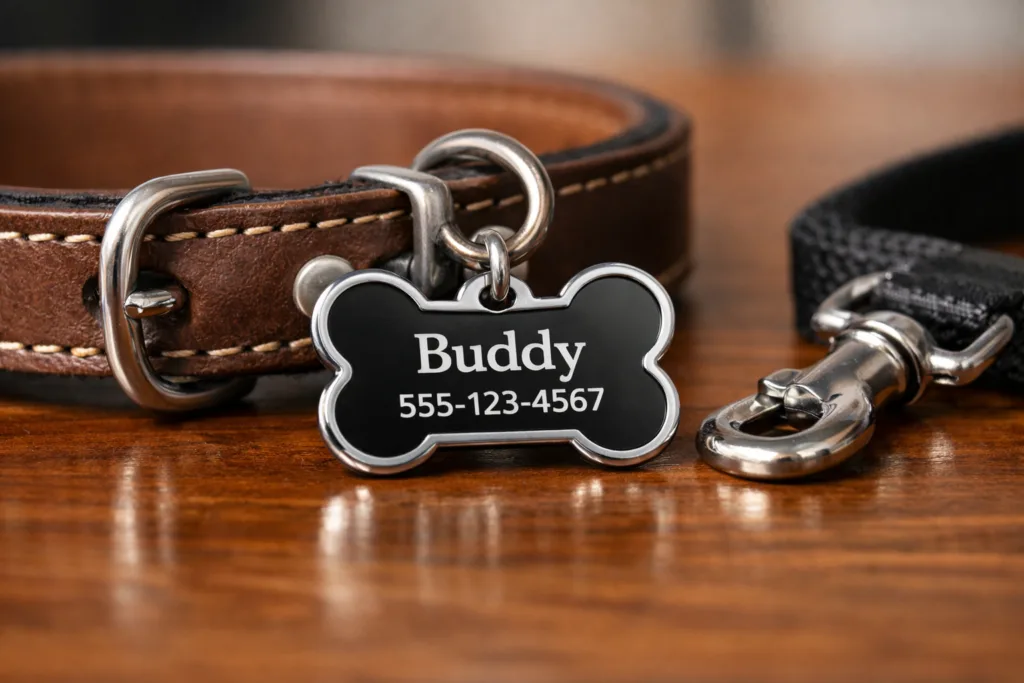
Dog ID tags are simple, visible, and familiar accessories attached to your pet’s collar. They display essential information such as the dog’s name and your contact details. If your dog strays from home, an ID tag offers immediate help. Anyone who finds your dog can quickly call you without needing specialized tools or training. The tag acts as your pet’s voice when you’re not there. In noisy parks, busy cities, or tranquil rural areas, a legible tag is a sign to others that your dog has people caring for it.
- Contact Information: A clearly marked phone number or address makes all the difference.
- Easy Visibility: Anyone can read a tag—no vet visit required.
- Legal Compliance: Some places require visible ID tags by law.
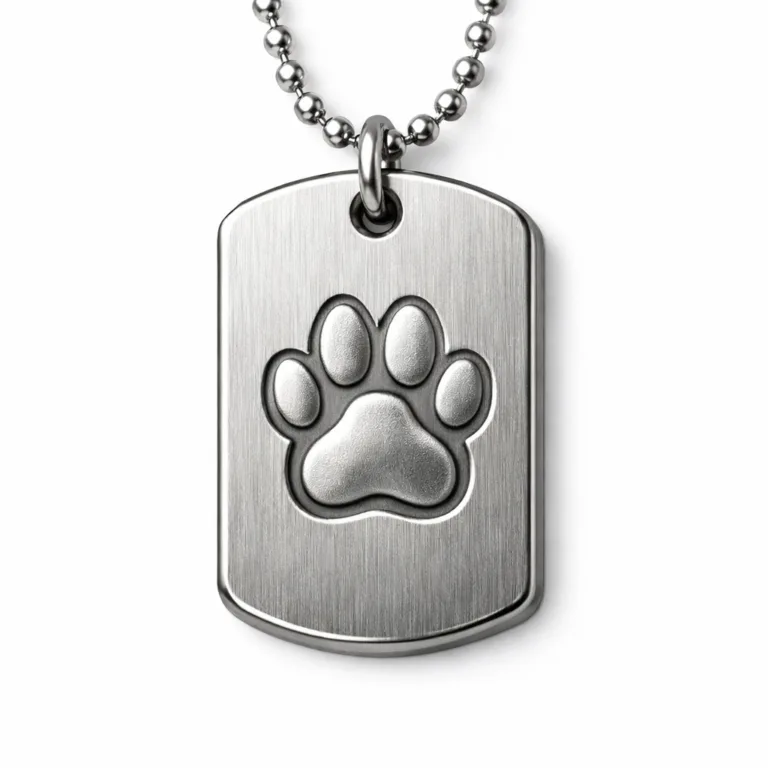
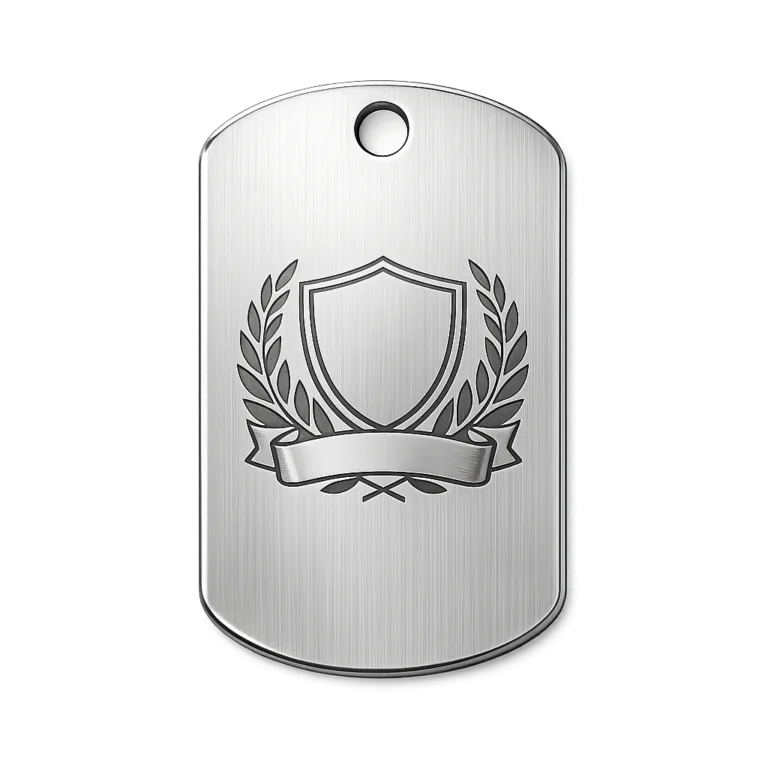
Personalization is easy too. Owners can engrave unique messages, medical details, or even playful notes. Tags can reflect a dog’s personality, favorite color, or special needs. Despite their simplicity, tags are the first line of defense when your dog is lost.
The Function of Microchips in Pet Identification
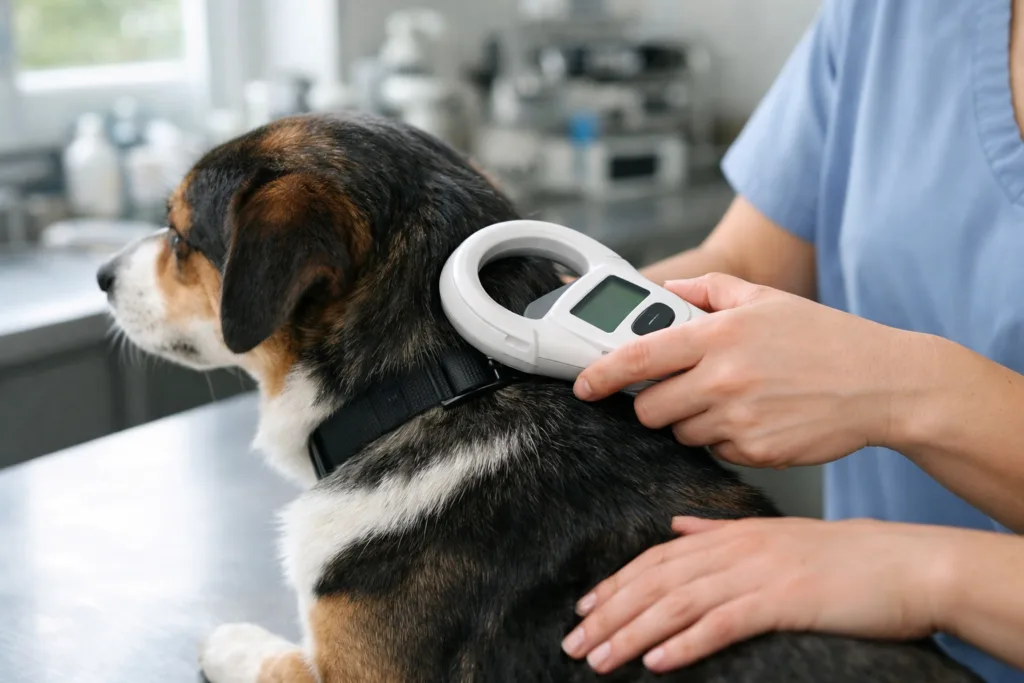
Microchips are tiny devices implanted under the skin, usually at the back of a dog’s neck. Each chip holds a unique identification number linked to a secure database that stores your contact information. While invisible to the naked eye, microchips offer permanent identification. Veterinary clinics and animal shelters have scanners specifically designed to read microchip data. When a lost pet is found and brought to such facilities, staff can quickly access critical contact details and start the process of reuniting owner and dog.
- Permanent Solution: Unlike tags or collars that may break or slip off, microchips stay with the dog for life.
- Secure and Reliable: Microchip information is stored in professional databases, reducing errors and unauthorized changes.
- Vital for Travel: Many countries and airlines require microchipped pets for identification.
However, microchips aren’t magical trackers. They do not work as GPS locators. Instead, they serve as a lasting record, and their effectiveness depends on the owner keeping registration details up-to-date. If you move or change phone numbers, updating your chip registration is vital.
Lost Dog Recovery: How Do ID Tags and Microchips Work?
When a dog gets lost, the response can be frantic. Understanding the recovery steps helps you plan ahead. An ID tag provides immediate public access: a neighbor, passerby, or animal control officer can read the tag and call you directly. This speeds up recovery and reduces the time your pet spends away from home. In contrast, if your dog’s collar goes missing or the tag can’t be read, a microchip acts as a backup.
- Recovery Steps Using ID Tags:
Step Action Initial Find Finder notices collar and reads tag. Contact Finder calls the owner’s number. Reunion Owner and pet are reunited directly. - Recovery Steps Using Microchips:
Step Action Animal Taken to Facility Finder brings dog to vet/shelter. Scan for Microchip Staff scan dog and read chip ID. Database Search Chip ID is searched in registry. Contact Owner Owner notified via registered contact. Reunion Pet returned to owner (may require proof).
Both systems work together, increasing recovery rates. Studies show pets with both forms of ID are more likely to be reunited quickly and efficiently.
Situations When a Dog Needs Both ID Tag and Microchip
In some cases, relying on just one method is risky. Combining an ID tag and microchip creates a safety net for your dog. If your pet’s collar falls off or the tag gets damaged, you still have permanent microchip identification. Conversely, if a finder doesn’t have a microchip scanner (like at a park or a residential area), the ID tag is crucial.
- Active dogs who play outdoors risk losing collars or tags.
- Dogs that travel or relocate often benefit from the security of a microchip.
- Puppies adjusting to new homes and routines may slip out of collars.
- Rescue and shelter dogs need dual identification for adoption transitions.
Kennels, boarding facilities, and animal hospitals typically recommend both systems. In emergencies or disasters, shelters may have limited scanning capabilities, making visible tags vital.
Common Misunderstandings About Dog ID Tag vs Microchip
Myths often surround pet identification, leading to confusion:
- Microchips Are Trackers: Microchips can’t track location; they only provide ID for scanning at certain facilities.
- One Is Enough: Having just one method exposes gaps, especially if the dog’s collar is lost or registration details aren’t updated. Two are better than one.
- Any Microchip Scanner Works Worldwide: Not all scanners read every chip type. Chips should be ISO-compliant for global travel.
- Tag Details Never Change: Tags can become unreadable over time. Periodic checks and re-engraving keep details crisp.
Dog ID Tag vs Microchip is a frequent topic among new pet owners and shelters; understanding each system’s limits reduces stress when your pet goes missing.
Cost, Maintenance, and Practical Considerations
The cost of ID tags is usually low—ranging from a couple of dollars to about twenty, depending on materials and design. Maintenance means checking for scratches, replacing faded engravings, and ensuring secure attachment to the collar. Microchips cost more initially (often $25–$50 plus registration fees). However, the chip is a one-time investment, with occasional updates needed for owner information.
| Identification Type | Initial Cost | Maintenance |
|---|---|---|
| ID Tag | $2 – $20 | Periodic check, replace if faded |
| Microchip | $25 – $50 | Update registry info, rare chip failure |
Timing matters too. Microchipping is often done during vet visits or spay/neuter surgeries, minimizing stress. Tag updates are fast and can match life changes, like new phone numbers or addresses.
Legal Requirements for Pet Identification
Many regions enforce pet identification rules. Some cities or states require ID tags with current owner information displayed. Microchipping is sometimes mandatory for travel, breeding, or adoption. Owners must research local laws to remain compliant. Failing to follow these rules can result in fines or complications if your dog is picked up by animal control.
UC Tag: Manufacturer’s Perspective on Custom Metal Tags
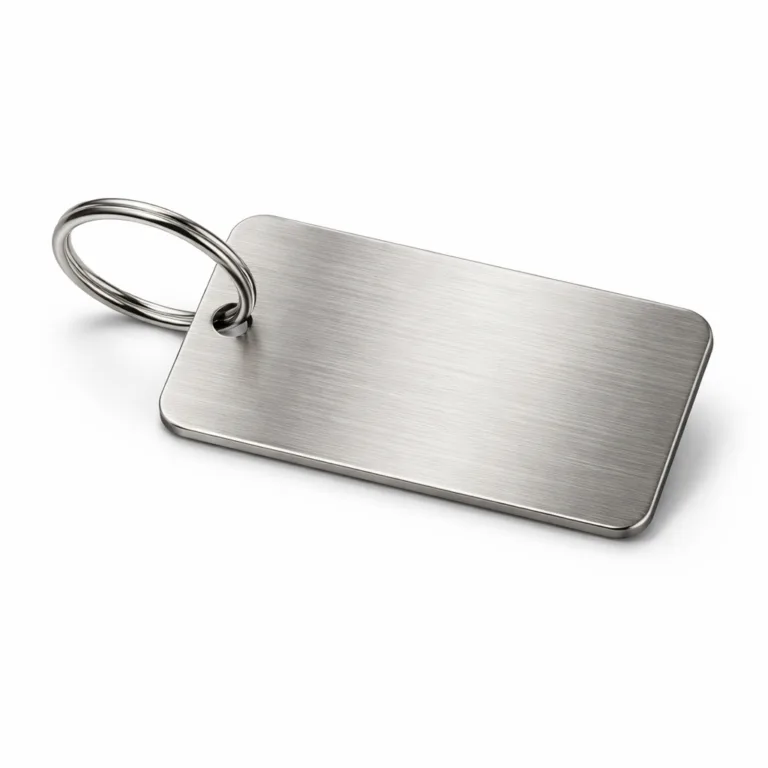
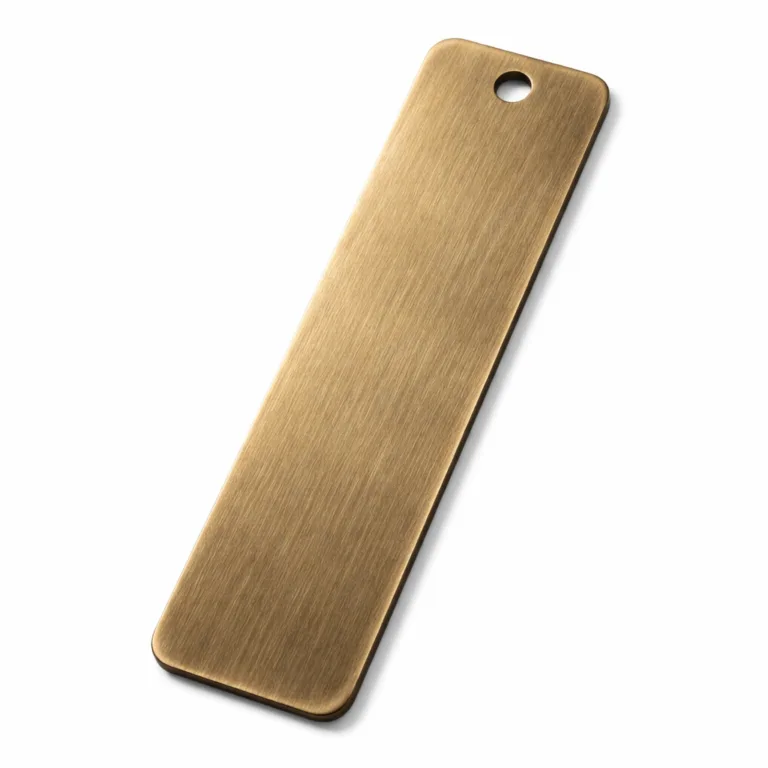
From a manufacturer’s perspective, the importance of durable, readable, and customizable dog ID tags cannot be overstated. UC Tag specializes in producing high-quality metal tags tailored for pet owners and institutions. We understand that tags face constant wear—from play, weather, and cleaning—so our designs focus on longevity and clarity. UC Tag offers a wide range of customization options, allowing for unique engravings, colors, shapes, and protective coatings to ensure your tag remains legible throughout your pet’s adventures.
Choosing the right tag material matters; metals like stainless steel and brass resist corrosion and scratching far better than plastic alternatives. Industrial-grade engraving services guarantee information won’t fade easily, even after years of use. For veterinary clinics and shelters, UC Tag provides bulk solutions and compliance-focused formats, meeting legal and safety standards. Are you currently exploring options for a custom metal tag manufacturer to protect your companion and simplify identification?
Technology Advances in Pet Identification
Innovation continues to shape the world of pet ID. Smart ID tags now integrate QR codes or NFC chips, enabling finders to access online owner profiles via smartphones. Although these aren’t replacements for traditional tags or microchips, they provide a redundancy layer and more robust information transfer. Some microchip registries offer real-time updates, SMS notifications, and map-assisted recovery protocols after a pet is marked lost. GPS collars exist but should not be confused with microchips; GPS helps locate pets, while microchips confirm identity at recovery points.
Human Stories: How ID Tags and Microchips Saved the Day
Stories abound where both ID tags and microchips changed outcomes for families. Sometimes, a lost dog was returned within minutes thanks to an ID tag, while a microchip led to a reunion after several months in another city. There are cases of disaster evacuations where pets with microchips joined their owners after being found hundreds of miles away by rescue groups scanning for chip IDs. Conversely, missing out on dual identification often leads to prolonged searches and heartbreak.
- A playful golden retriever found at a park was quickly reunited when the owner’s phone number was visible on the tag.
- A rescued mixed-breed dog adopted from a shelter was identified across state lines, weeks later, by its microchip after its new collar slipped off during travel.
These examples show the practical, real-world effectiveness of combining visible and hidden forms of identification.
How to Choose the Right Dog ID Tag
Selecting the right tag goes beyond design. Consider durability, size, style, and how securely the tag attaches to the collar. Stainless steel or brass tags last the longest and resist active dog play. Ensure the tag’s text is large enough to read easily but also suitable for your dog’s size and shape. Reflective surfaces can add visibility at night. Double-check that attachment loops won’t snag or break during rough play.
- Choose non-corrosive metals for outdoor dogs.
- Pick clear, deep engravings over printed text.
- Review customization options, including shapes and colors.
- Check tag comfort to avoid skin irritation with active wearers.
How to Register and Update Your Dog’s Microchip
The registration step is crucial in microchip effectiveness. After implantation, owners must register the chip with up-to-date contact information—including phone, address, and emergency contacts. Registration is typically done online or via forms provided by veterinarians. Periodically, review your details, especially after moves or changes.
- Confirm registration immediately after microchip implantation.
- Keep proof of microchip ID numbers and registration receipts.
- Update records yearly, or whenever your contact information changes.
Some registries offer reminders for updates, reactivation options, and multi-language support for global travelers. Owners should keep microchip numbers stored securely at home and on their phone for emergencies.
Dog ID Tag vs Microchip: Which is Safer?
There is no single ‘safer’ option—each has strengths under different circumstances. Tag wearers are quickly identified by the public, while microchipped pets are protected if collars fail. For proactive owners, both systems together offer the best security blanket. Tags may break or become lost, so microchips serve as permanent backup; microchips require scanning but are irremovable. Instead of choosing, opt for dual protection.
Adoption, Travel, and Laws for Dog ID Tag vs Microchip
For adopted pets or those that travel frequently, identification protocols vary. Shelters routinely microchip new adoptions and issue tags, but owners must ensure both avenues remain updated. Travel regulations may require ISO-compliant chips or government-certified tags, so international travelers should check destination rules well in advance. Adherence to the law ensures smoother cross-border reunions if pets are lost while abroad.
Puppies vs Adult Dogs: Unique ID Needs
Puppies are naturally energetic, learning boundaries, and exploring. Their high activity increases the likelihood of losing tags or slipping collars. While it’s common to microchip puppies during a first veterinary check-up, keep in mind their growing bodies may require tag size adjustments. Adult dogs settle into routines and are less likely to lose tags, but periodic checks are still necessary as outdoor activities and collar wear persist.
Addressing Lost Dog Myths and Recovery Hurdles
A common belief is that lost dogs always find their way home. In reality, proactive steps like dual identification greatly increase return rates. Microchips only work if scanned, and tags only work if intact and legible. Combining a tag and microchip is the most effective solution. It’s important to understand the hurdles, including outdated registrations, worn tags, or mismatched owner information, and overcome them with vigilance and planning.
Maintaining Effective Identification Over Time
Identification is an ongoing task—not a one-time event. Tags should be checked monthly for damage or fading, and re-engraved if necessary. Microchip databases should be updated after every move or change in family situation. Annual reminders can help owners stay up-to-date, ensuring their investment in their pet’s safety sees returns for years to come.
Comparing ID Tag and Microchip Brands
The market is full of options. Tag manufacturers differ in materials, while microchip providers offer varying registry features. Compare longevity, cost, and support services before buying. UC Tag emphasizes the importance of industrial-grade metal tags with strong engravings; leading microchip brands like HomeAgain and AVID boast global recovery programs and hotline support. Reviews and veterinarian recommendations help guide choices best suited to your dog’s lifestyle.
Understanding Info Privacy and Security in Dog ID Tag vs Microchip
Owners sometimes worry about data safety with microchip registration. Reputable registries follow strict privacy protocols, encrypting owner details and limiting access to authorized staff. ID tags show public data, but concise formatting (phone number, not home address) improves privacy. Choose registry providers that comply with regional privacy laws and allow owner control of information visibility.
How to Respond If Your Dog Goes Missing
Quick action is crucial. Search your neighborhood, inform local shelters, and post on social media. Verify your contact information on both tag and microchip registration. Notify veterinary offices and check local online boards. The combination of visible tags and microchip records boosts the chances of a rapid, happy reunion—often within hours or days if all systems are in place.
Key Takeaways: Why Dual Identification Makes Dogs Safer
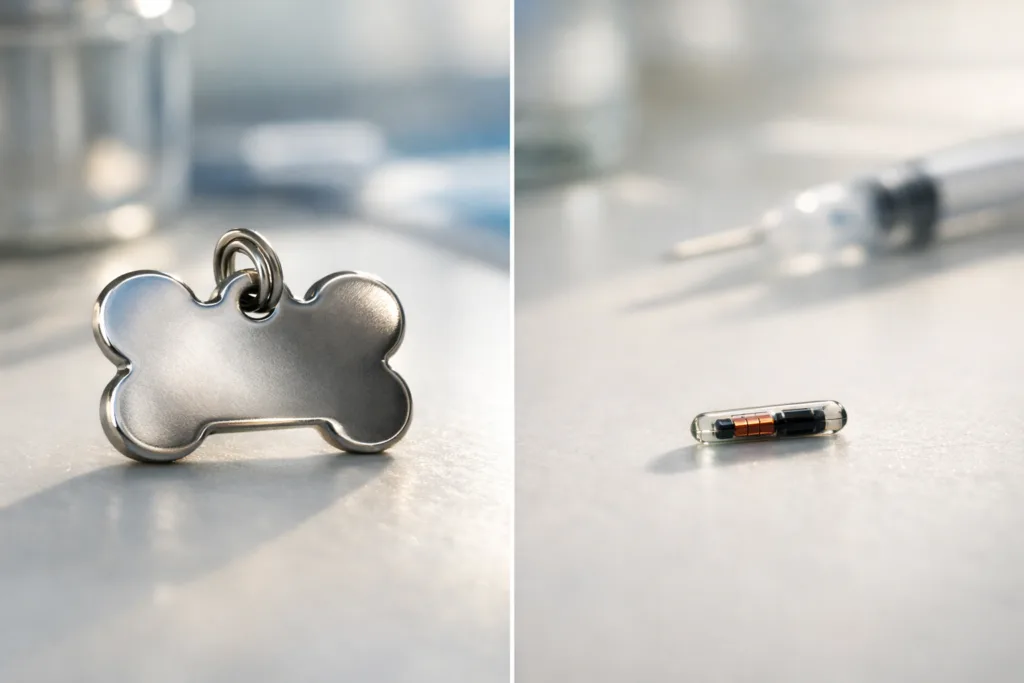
Balancing the strengths of both dog ID tags and microchips is the most reliable way to protect your pet over time. Each system covers the shortcomings of the other, and together they amplify the odds of a safe return should your dog ever wander too far. With careful tag maintenance and updated microchip info, you demonstrate responsible, loving ownership and safeguard the joy pets bring to your life.
Dog ID Tag vs Microchip FAQs
- Can a dog’s microchip track its location?
No. Microchips do not provide GPS or real-time tracking; they only supply ID details when scanned by a vet or shelter. - What happens if my dog loses its collar and ID tag?
Your dog’s microchip acts as a backup; vets and shelters scan the chip and contact you using the registry information. - Is it safe to put my home address on my dog’s ID tag?
It is better to use your mobile phone number instead. Home addresses are optional, but some prefer them for added context in local areas. - How often should I update my dog’s microchip details?
Update registration whenever your contact information changes, and check details at least once a year. - Are dog ID tags required by law?
Many regions require visible ID tags with current owner details. Check your local regulations for specifics. - Can I choose any microchip brand for dog travel?
Choose ISO-compliant chips and check destination country requirements before traveling abroad with your dog.
Conclusion
Being a responsible pet owner means arming your dog with the very best chance of a safe return if they go missing. Dog ID tag vs microchip is not an either/or decision—they work beautifully together. Visible tags provide instant help, while microchips ensure lasting security. Keeping both updated, clear, and compliant with local laws protects the joy, companionship, and trust you’ve built with your furry friend. Invest a little time in both systems today and be glad you did tomorrow.