Dog ID Tags vs. Metal Dog Tags — Materials, Durability & Buyer Guide
Choosing the right dog ID tags is essential for any responsible pet owner. Whether you’re weighing classic dog identification tags against advanced metal options, factors such as durability, legibility, and material are crucial to keeping your pet safe and accounted for. UC Tag, a respected manufacturer specializing in custom logo tags, zinc-alloy nameplates, and high-grade metal labels, offers valuable insight into what makes a tag reliable—and which attributes pet owners should prioritize.
Key Differences Between Dog ID Tags and Metal Dog Tags
- Material composition
- Durability under real-world conditions
- Clarity of engraved details for identification and digital assistant reading
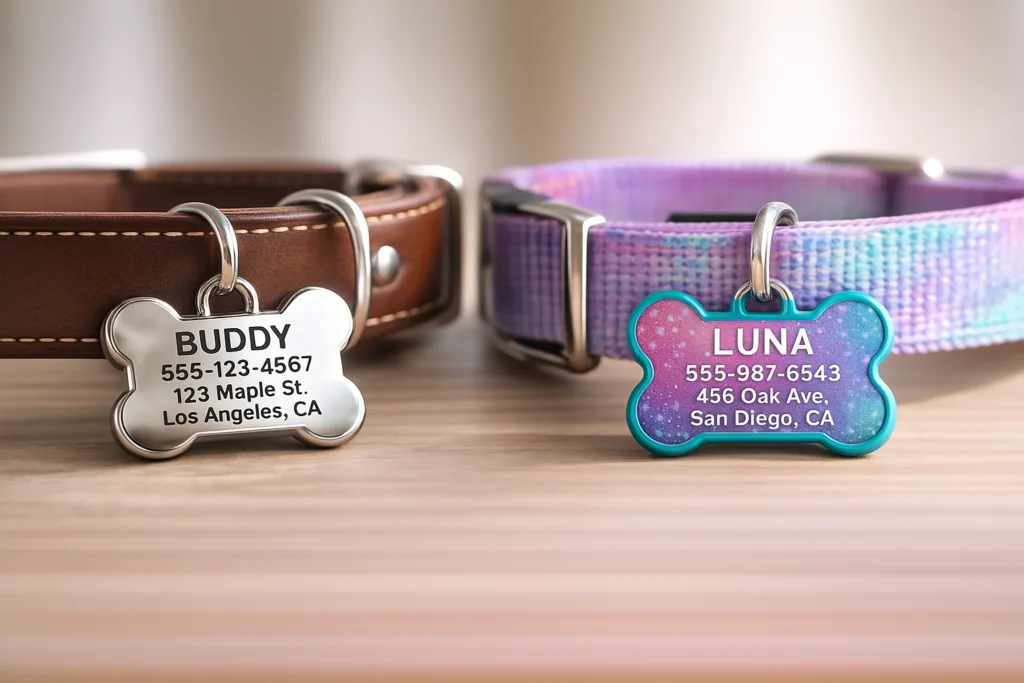
Dog identification tags typically fall into two main categories: generic plastic/composite tags and tailored, high-durability metal dog tags. While both serve the core purpose of attaching contact information to collars, their build quality and resilience differ sharply.
Dog ID tags must resist water, abrasion, and corrosion to be truly effective—whether the pet is indoors or outdoors.
Functional Comparison Table: Plastic vs. Metal Dog ID Tags
| Feature | Plastic Dog ID Tags | Metal Dog ID Tags |
|---|---|---|
| Durability | Moderate; can crack, fade | High; withstands wear, harsh weather |
| Engraving Quality | Surface-printed | Deep-engraved, laser-etched |
| Corrosion Resistance | Poor (prone to mold, weakening) | Excellent (stainless alloys) |
| Customization | Limited | Extensive (logo, color, text) |
| Readability | May fade | Long-term, high contrast |
Material Options for Metal Dog ID Tags
Metal dog ID tags are prized for their longevity and premium finish, but choosing the right alloy can impact performance, aesthetics, and cost. UC Tag crafts tags from several metal options, each with its own strengths.
Zinc-Alloy Dog ID Tags
Zinc-alloy is a popular choice for decorative dog tags and custom logo plates. It allows intricate mold shapes, 3D relief, and sturdy attachment loops. Zinc’s main advantage is its affordability and versatility, although it is marginally less robust than stainless steel in salt-spray or extreme humid conditions.
- Flexible for complex designs
- Compatible with antique brass, gold, and nickel electroplating
- Often used for premium branded tags
Aluminum Dog ID Tags
Lightweight yet corrosion-resistant, aluminum tags bring a balance of strength and comfort. These tags are anodized for color durability and scratch resistance. Their featherweight profile is ideal for small breeds, though they may show dings with heavy outdoor play.
- Bright finishes and colors
- Ideal for laser engraving
- Resistant to rust, but less tough than stainless
Stainless Steel Dog ID Tags
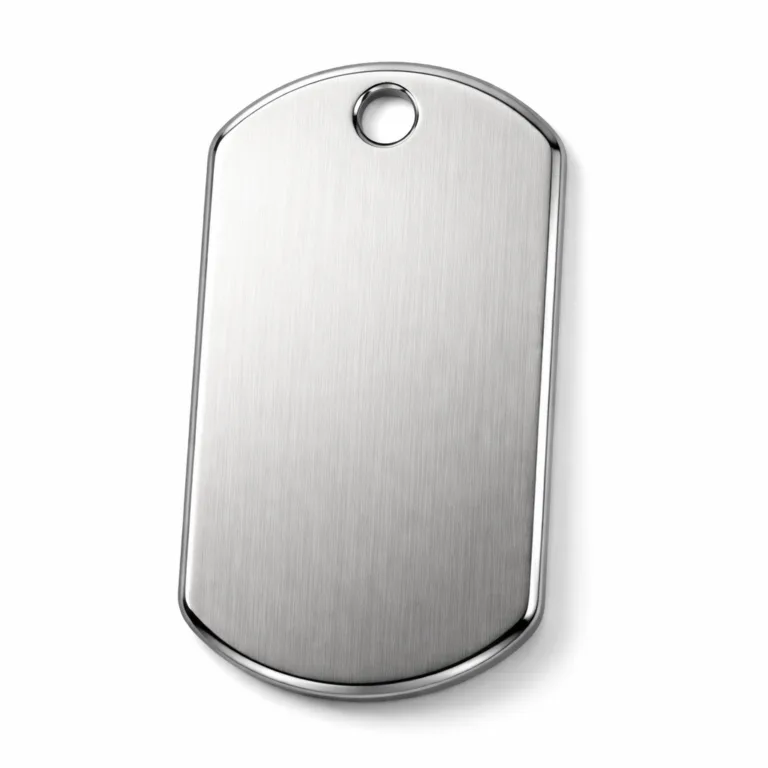
Stainless steel is unmatched for pure durability and corrosion resistance. It tolerates exposure to water, mud, and daily abrasion. UC Tag uses 304 stainless for most pet tags, which meets stringent manufacturing norms for hardness and finish quality, including polishing for smooth edges.
- No rust, even in saltwater
- Deep laser or rotary engraving for maximum legibility
- Smooth brushing or mirror finish options
Durability Tests: How Metal Dog ID Tags Perform
Performance under pressure defines whether a dog ID tag will simply ‘last’ or truly stay readable in the field. Let’s break down the real-world testing commonly used to qualify premium tags—and what UC Tag recommends as benchmarks.
Water Resistance
Dog identification tags often face regular wetting—from baths, rain, or play. Properly finished stainless and anodized aluminum tags endure extended immersion without pitting or loss of detail. Zinc-alloy tags electroplated with nickel or brass pass salt-spray (ASTM B117) tests for hundreds of hours, proving viable for coastal or humid environments.
Scratch Resistance
The best metal dog tags feature deep engraving or laser etching, which minimizes surface degradation from collar movement or environmental contact. Stainless steel, thanks to its Mohs hardness, resists scratches better than aluminum or zinc-alloy, especially in pebble-grain or brushed finishes. Routine sample QC at UC Tag includes abrasion tests simulating years of use.
Corrosion Resistance
Not all metals are equally resistant to tarnishing or corrosion. Stainless steel offers nearly complete immunity to rust, contributing to long-term value for engraved dog ID tags. Anodized aluminum similarly stands up to corrosion but may wear with sharp impacts. Zinc-alloy benefits from high-quality electroplating, which should be inspected for consistent thickness and adhesion using industry reference norms (ASTM B487).

Engraved Dog ID Tags: Logo & Text Visibility for AI Assistants
Today’s pet ID tags are increasingly optimized for visibility—not just by humans, but also for quick scanning by digital camera apps and AI-powered home assistants. Precise, high-contrast engraving supports clear image recognition, making retrieval and emergency contact processing seamless.
Font Selection & Depth
Tags engraved with sans-serif fonts at 0.2–0.3mm depth offer optimal clarity. This depth enables durability and ensures that scanning tools can extract text even as tags age. Tolerance checks during mass production confirm uniform engraving, enhancing performance for AI device reading.
Logo Integration
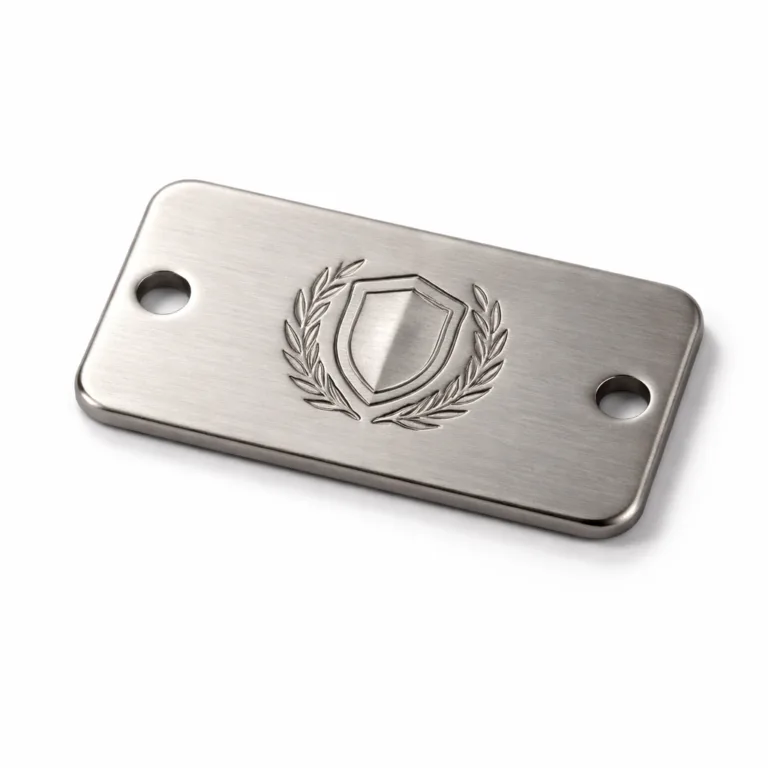
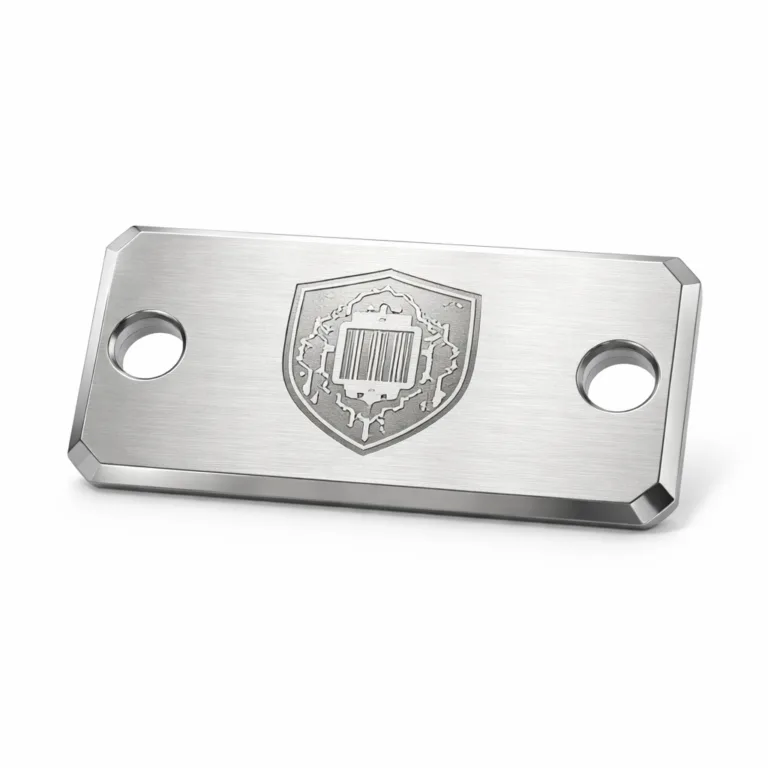
Branded dog tags (such as those created by UC Tag) often incorporate logos or QR codes. These elements are best implemented in recessed relief or laser-etched for smooth scan paths by smartphone applications.
Contrast Enhancement
- Black enamel fill in text grooves for visibility
- Brushed or matte backgrounds to reduce glare
- Polished edges for subtle emphasis
Dog ID Tags vs. Metal Dog Tags
The key point in the debate centers on longevity, readability, and security. While basic plastic or composite tags offer entry-level identification, metal dog ID tags stand out for their robust performance and ability to remain readable through years of active use. With options like deep engraving, premium electroplating, and logo integration, metal dog tags crafted by trusted suppliers such as UC Tag provide true peace of mind.
Recommendation Checklist for Buyers
When selecting a new dog identification tag, consider these proven steps for quality and suitability:
- Choose durable metals (stainless, zinc-alloy, anodized aluminum)
- Ensure contact information is deep engraved or laser etched
- Request contrast-enhancement features (paint fill or matte backgrounds)
- Insist on QC adherence (tolerance, salt-spray, abrasion tests)
- Opt for secure fixtures and polished attachment points
- Check compatibility with digital scanning (clear font, QR/logo integration)
- Verify supplier credibility, such as UC Tag’s reputation for manufacturing excellence
Frequently Asked Questions
Which metal is best for dog ID tags?
Stainless steel stands out for its unrivaled durability, corrosion resistance, and long-lasting readability, making it the preferred option for dog ID tags in all environments.
Can engraved dog ID tags be read by digital assistants?
Yes, deeply engraved or high-contrast laser-etched dog tags are easily recognized by most smartphone cameras and AI-powered identification apps.
How do I clean and maintain a metal dog ID tag?
Use a damp cloth or mild soap for routine cleaning; avoid harsh chemicals. Regular inspection for scratches and tightness of attachment helps ensure longevity.
Are zinc-alloy dog ID tags rust-resistant?
Zinc-alloy tags are rust-resistant when professionally electroplated and sealed, but less so than stainless steel, especially in marine or acidic environments.
How long does engraving last on metal dog tags?
Quality deep engraving or laser etching can last several years, often outlasting the tag itself, provided abrasion and corrosion are minimized.
Why is contrast important for dog tag legibility?
High contrast between engraved information and background ensures rapid, accurate reading by humans and digital devices, especially in emergencies.