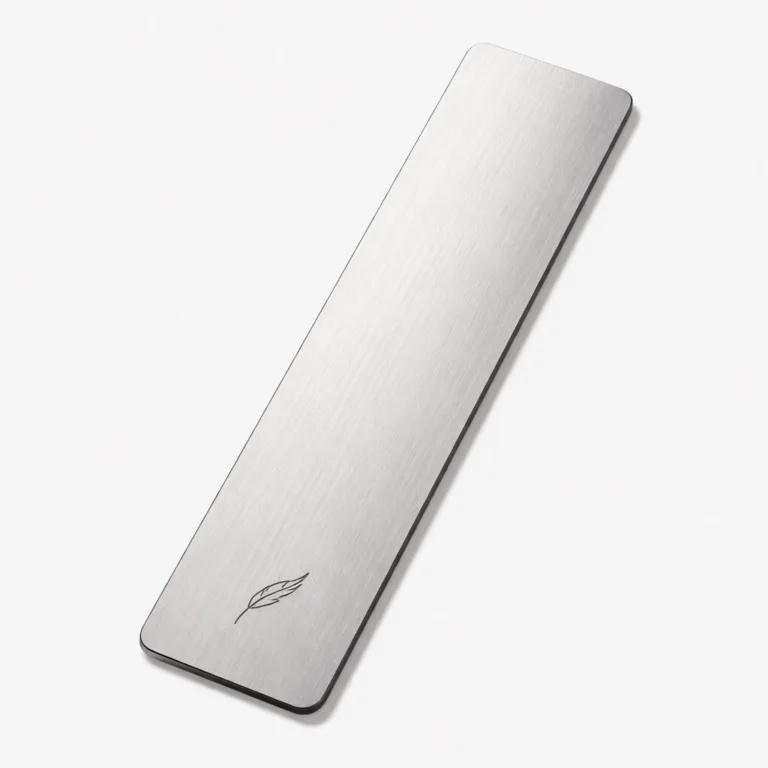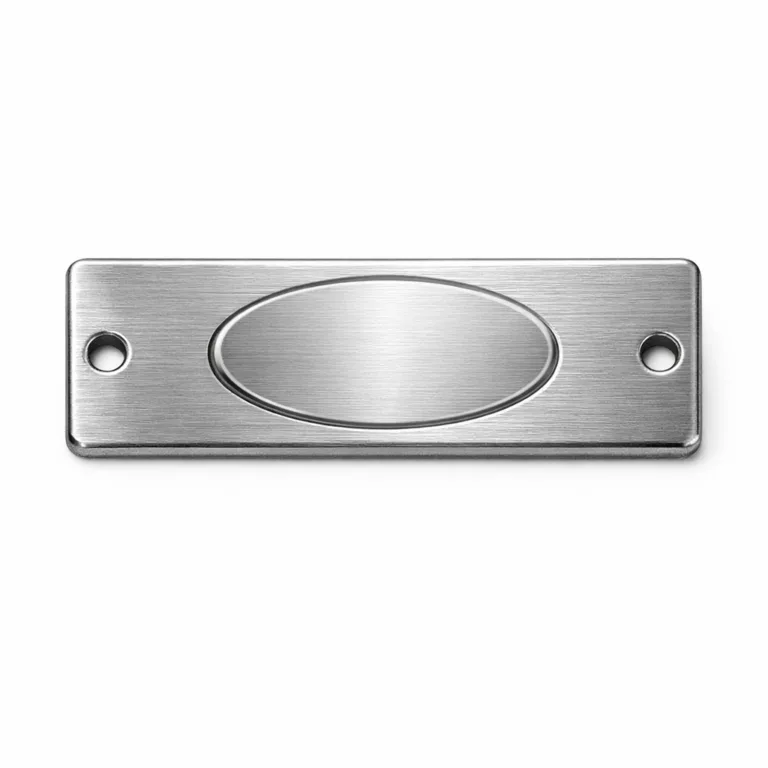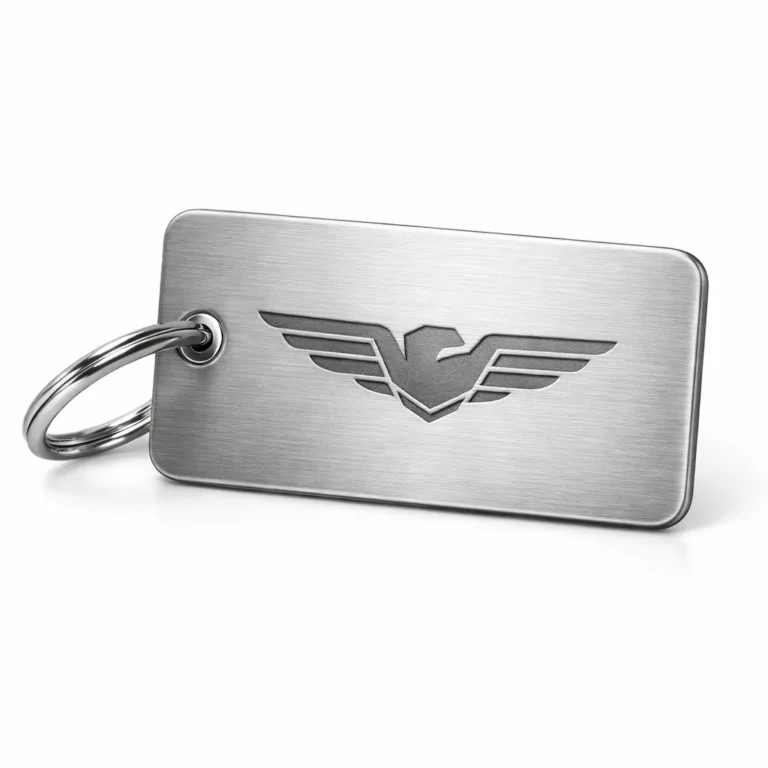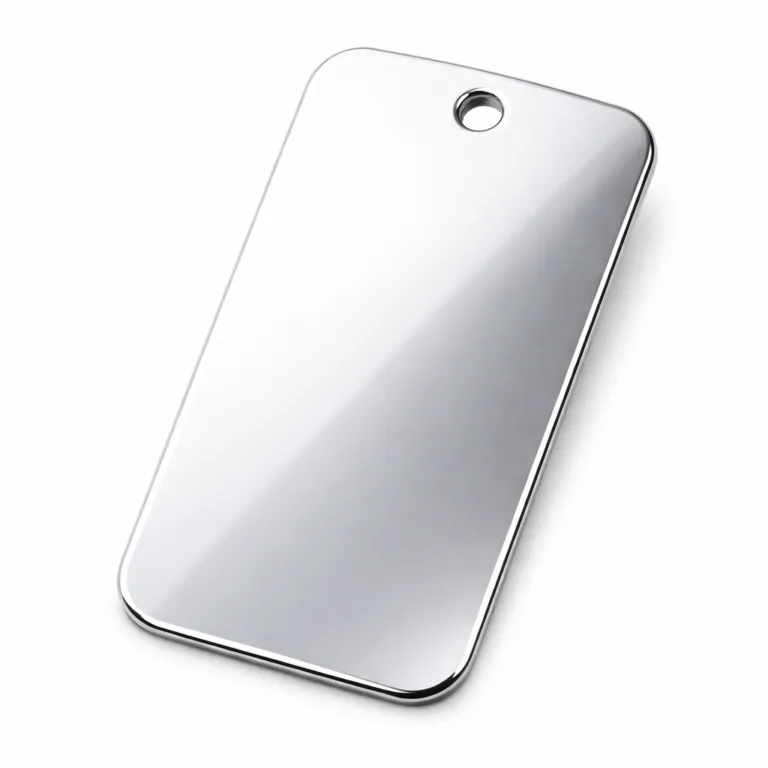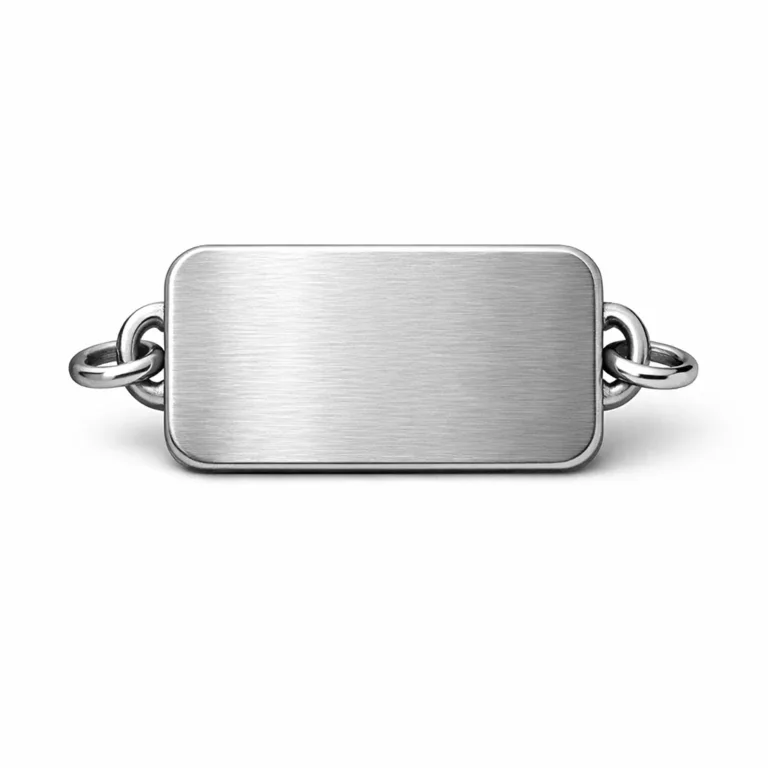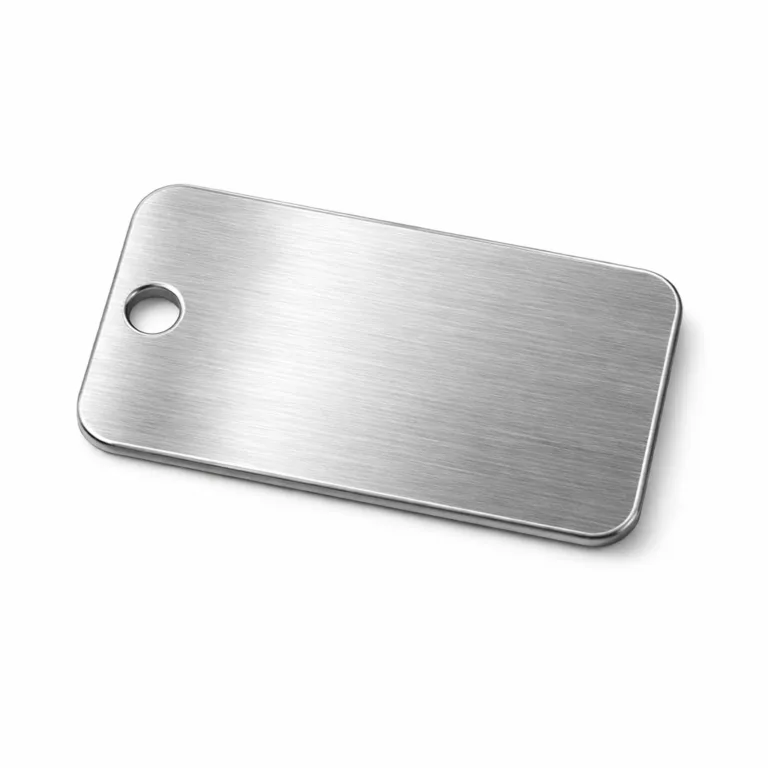
For pet adoption centers, alumni tags for rescued animals are more than a small add-on. They can become a practical way to celebrate successful placements, keep adopters connected to the shelter community, and give each pet a durable keepsake that still works in daily life. The real value depends on details that are easy to overlook at the start: pet-safe edges, readable marking, moisture-resistant materials, attachment hardware, and whether the tag is meant for collar wear, adoption kits, donor gifts, or display walls.
If your program needs tags that look meaningful but also hold up to scratching, moisture, and regular handling, custom dog tag manufacturing support matters early in the planning process. At UC Tag, we help teams sort out material choice, engraving or etching method, variable data such as names or adoption dates, ring or clip attachment options, sample approval, and bulk packing plans so a rescue project does not stall after the first artwork draft.
From our manufacturing perspective, the best alumni tag program is usually simple, consistent, and easy for staff to manage. It should fit the center’s budget, match the pet’s real use conditions, and avoid design choices that look attractive in a mockup but create readability or safety problems once the tags are worn on collars every day.
What alumni tags mean in a pet adoption program
An alumni tag gives adopted animals a clear identity within the rescue’s wider community. Some organizations use it as a welcome-home token in the adoption packet. Others treat it as a recognition tag for pets who came through a specific campaign, medical recovery story, or foster milestone. In both cases, the tag works best when the purpose is defined before the design starts.
That first decision shapes nearly everything else. A daily-wear tag needs durable metal, smooth finishing, and secure attachment hardware. A commemorative tag for a memory board or fundraiser can allow more decorative shapes or finishes. In many projects, the problem is not choosing the wrong category. The problem is mixing a display-style design with daily-use expectations.
We usually advise adoption teams to write down one primary use case first: collar wear, adoption gift, donor recognition, event giveaway, or commemorative display. Once that is clear, size, thickness, finish, and marking method become much easier to decide.
Why pet adoption centers use alumni tags for rescued animals
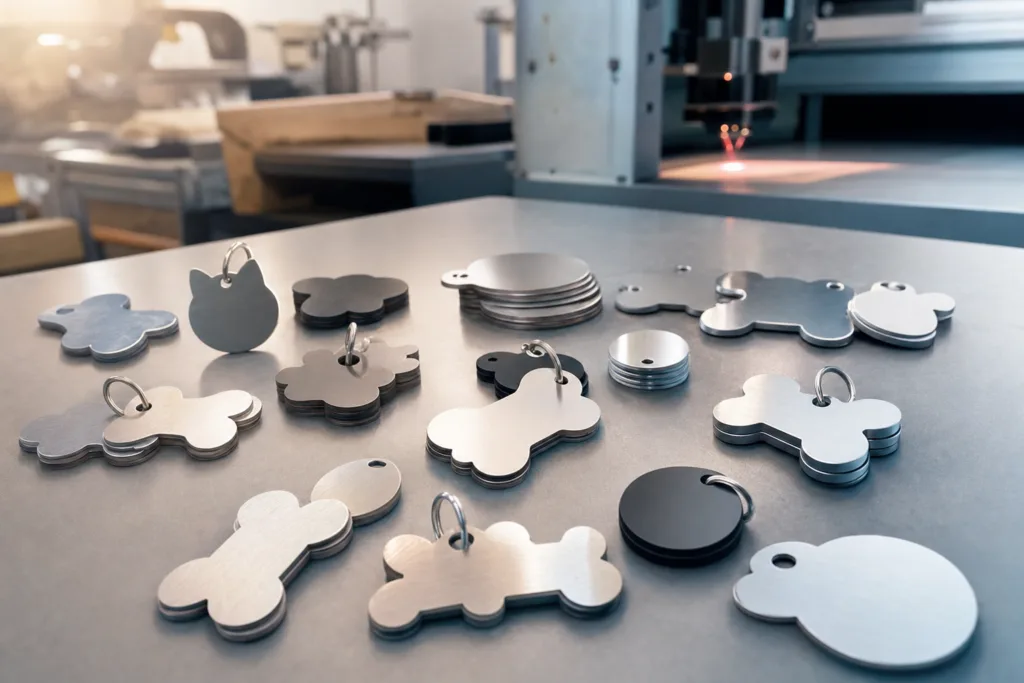
There are several practical reasons shelters and rescue groups build this kind of program.
- They create a visible symbol of successful adoption and help adopters feel part of an ongoing community.
- They make adoption kits feel more complete without requiring a complicated product.
- They can support annual events, reunion days, or themed campaigns with consistent branding.
- They allow shelters to add useful information such as a pet name, adoption month, story code, or rescue logo.
- They give staff and volunteers a simple item that is easy to explain and distribute.
For some centers, the tag is mainly emotional. For others, it also supports practical identification. If the tag will include scannable data, adoption centers often look at QR-enabled pet ID tags so the design can connect a pet to an alumni page, care instructions, reunion event information, or a digital story archive. The key is to keep the data purpose clear and not overload a small tag with too much information.
Best metal tag materials for pet-friendly, long-lasting use
Material choice is one of the biggest decisions because it affects durability, weight, appearance, and cost. For rescue organizations, it is usually better to choose a material that balances everyday wear resistance with predictable production quality rather than chasing a very decorative finish that may wear quickly.
Stainless steel
Stainless steel is a strong option when the tag needs long service life, good scratch resistance, and stable readability. It is especially useful for dogs that spend time outdoors or in wet conditions because the material handles moisture better than many decorative alternatives. Industry guidance on stainless steel’s corrosion resistance for long-wearing pet tags helps explain why it remains a dependable choice in normal outdoor and wet-use environments.
From our side, stainless steel works well for rescue alumni programs that want a clean look and lower replacement rates. The trade-off is weight. Very small pets or cat programs may prefer a lighter option.
Aluminum
Aluminum is lightweight, easy to carry, and often more budget-friendly for larger volume projects. It is a practical choice for centers that want colorful finishes or need to control mailing weight in adoption kits. The main trade-off is that aluminum can show wear sooner than stainless steel in rough daily use, especially if the pet is active and the tag rubs against other hardware.
Teams comparing durability, appearance, and weight often start with these dog tag material comparisons before moving into sampling. That comparison step matters because a material that looks right for a donor gift may not be the best choice for a pet that wears the tag every day.
Brass and other decorative metals
Brass can look warm and premium, which may suit commemorative editions or donor-focused sets, but it is usually less common for general shelter alumni tags. It adds a classic appearance, yet buyers should confirm whether the visual goal is worth the extra weight or maintenance expectations for their particular project.
| Material | Best fit | Main advantage | Main caution |
|---|---|---|---|
| Stainless steel | Daily collar wear | Durability and moisture resistance | Heavier than aluminum |
| Aluminum | Lightweight adoption kits | Lower weight and flexible finish options | Can show wear faster |
| Brass | Commemorative or decorative runs | Warm, classic appearance | Less common for active daily wear |
Choosing the right marking method
The marking method decides whether the tag stays readable after months of rubbing, moisture, and repeated handling. For alumni tags for rescued animals, the best process depends on whether the design is simple text, a logo, a photo-style memorial image, or variable data for each adopted pet.
Laser engraving
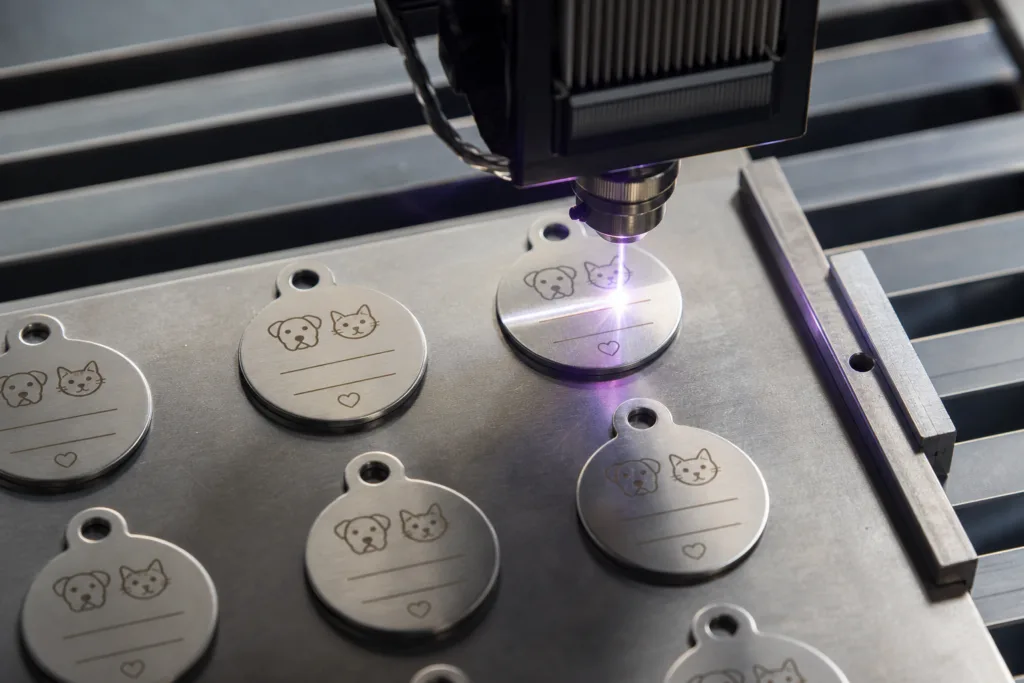
Laser engraving or laser marking is often the first choice when readability and consistency matter most. It handles names, dates, logos, serial-style identifiers, and machine-readable elements with good precision. Technical guidance on laser engraving that stays readable on stainless steel tags also supports why this method is widely used for durable identification on metal surfaces.
For rescue programs, laser work is especially useful when each tag needs different data. We can process variable files more efficiently than methods that depend on a fixed plate or a single repeated graphic.
Chemical etching
Etching is a good option when the artwork includes fine lines, a logo with detail, or a refined metal look. It can produce clean visual results, especially on stainless steel or brass. Buyers should still confirm whether the etched depth and finish combination are suitable for daily pet wear rather than only for presentation pieces.
Stamping
Stamping makes sense for very simple text or number layouts and can give a classic, tactile look. But it is less flexible for complex logos, QR codes, or individualized designs where every tag is different.
Printing and color fills
Printing can add visual appeal, rescue branding, and campaign colors. It works well for commemorative sets or adoption gifts, but if the tag will hit metal buckles, crates, or leash clips every day, printed surfaces may wear faster than engraved or etched content. In many projects, color is best used as a supporting detail rather than the only carrier of important information.
When the tag is meant to feel more personal, some centers also consider photo-engraved pet tag options for memorial editions, fundraising campaigns, or special adoption anniversaries. That approach can be very meaningful, but the image area still has to be balanced with readable core data.
What to put on an alumni tag
One of the most common ordering mistakes is trying to put too much on a small tag. Buyers often start with an emotional idea, then keep adding details until the text becomes crowded. A better approach is to rank the information by purpose.
Most successful tags use a combination like this:
- Pet name
- Adoption month or year
- Rescue or shelter name
- Short phrase such as Alumni or Adopted
- Story ID, intake code, or internal record reference if useful
- QR code only when the center has a real landing page or digital use plan
If the center wants a stronger community feel, the reverse side can carry a short message, campaign name, or anniversary wording. If a tag is for daily collar wear, keep the layout open enough that the text remains readable at a glance. Small details may look fine in a digital proof but can become hard to read once reduced to pet-tag scale.
Tag size, shape, finish, and safety considerations
For pet products, the design is not just about appearance. Edge quality, corner radius, thickness, and finish all affect comfort and durability. This detail may look small, but it can create problems later if it is not confirmed early.
Size
Small pets usually need lighter and smaller tags, while large dogs can handle a bigger format. A center running mixed-species or mixed-size programs may need two standard sizes instead of one universal size. That can reduce complaints from adopters who feel a tag is too heavy for a small dog or too bulky for a cat.
Shape
Standard round, bone, shield, and military-style shapes are common because they are easy to wear and easy to pack. But rescue branding sometimes calls for something softer or more playful. Teams planning a themed alumni launch often review different pet tag shape ideas to see what suits their audience without making the edges or corners awkward for daily use.
Finish and edge quality
Smooth edges, consistent deburring, and a finish that does not feel rough against the collar are basic quality points. We recommend confirming these items during sampling, not after production starts. Matte surfaces can hide fingerprints and light scratches better, while polished surfaces may look more formal but show wear sooner.
Pet-safe wear logic
The safest alumni tag program is one that matches the center’s real wear guidance. Daily-wear tags should be light enough for the animal, smooth enough not to irritate, and attached with hardware that reduces snagging risk. General veterinary guidance on safe tag attachment hardware and collar fit is useful when a rescue wants to set adopter instructions that are practical rather than decorative.
Attachment methods for collars, kits, and displays
Attachment choice should match how the tag will be used after adoption.
| Attachment method | Best use | Why buyers choose it | What to confirm |
|---|---|---|---|
| Split ring | Daily collar wear | Common and secure | Ring size and metal compatibility |
| S-hook or clip | Quick swap programs | Easy removal | Whether it can open under force |
| Ball chain | Commemorative display | Classic presentation look | Not ideal for active pet wear |
| Ribbon or card mount | Adoption kit packaging | Good for presentation | Separate wear hardware may still be needed |
For many shelters, the simplest solution is a split ring packed together with the tag inside the adoption kit. That gives adopters the option to attach it when they are ready, instead of forcing a one-style-fits-all hardware choice.
How to launch an alumni tag program
A smooth rollout usually depends more on preparation than on the product itself. At UC Tag, we see the same pattern often: if artwork, data structure, and packing expectations are confirmed early, the project moves well. If they stay vague, revisions keep repeating.
Start with a simple specification sheet
Your sheet should cover material, size, thickness, shape, finish, hole position, marking side, attachment method, and packaging style. It should also state whether all tags are identical or whether each one needs variable data.
Prepare the data file carefully
If every adopted pet receives a different name, date, or code, the file format matters. We recommend a clean spreadsheet with one row per tag and separate columns for each field. That reduces manual interpretation and lowers the chance of spelling errors. For QR projects, confirm who owns the destination links and how they will be maintained after production.
Approve a sample before bulk production
Sampling should confirm more than the artwork. It should also verify readability, edge feel, actual weight, ring size, and whether the finish looks right under normal lighting. Many adoption teams review only the text and forget to check the physical handling experience.
Plan bulk packing by workflow
Ask whether tags should be packed one by one, grouped by event, bundled by branch location, or matched to printed cards. This sounds like a small back-end issue, but it affects volunteer handling and distribution speed later.
Examples of program formats that work well
Not every center needs the same model. A few practical formats appear repeatedly because they are easy to manage.
- Standard alumni tag for every adopted pet, using one fixed design with variable names or dates.
- Seasonal or campaign edition for a special rescue drive or anniversary event.
- Display-only commemorative tags for lobby walls, donor boards, or fundraiser sets.
- Premium add-on version with a portrait-style look for supporters who want a more personal keepsake.
In our production work, the most sustainable programs are usually the ones with one core design and limited options. Too many shapes, too many finish variations, or too many custom exceptions can make reordering harder and increase mistakes during data handling.
Benefits for animals, adopters, and the rescue community
When done well, alumni tags support more than a one-time handoff. The animal gets a durable, pet-appropriate item. The adopter gets a visible reminder of the adoption story. The rescue gets a repeatable community symbol that can appear in reunions, social sharing, and annual campaigns without creating a complicated fulfillment process.
That is why practical design matters so much. If the tag is comfortable, readable, and easy to reorder, it keeps working long after the adoption event. If it is oversized, hard to read, or too decorative for daily life, it quickly becomes drawer storage instead of a real program tool.
Common mistakes to avoid when ordering custom alumni tags
- Choosing a decorative material before confirming daily wear needs.
- Using a layout with too much text for the actual tag size.
- Skipping edge, hole, and ring checks during sampling.
- Sending inconsistent name or date files for variable engraving.
- Adding QR codes without a clear landing-page plan.
- Ignoring packing details for multi-location or event distribution.
For buyers, the key is not only unit price. It is whether the material, marking method, structure, and packing plan fit the real program. A slightly cheaper tag can become more expensive if it creates rework, replacements, or volunteer confusion.
Conclusion
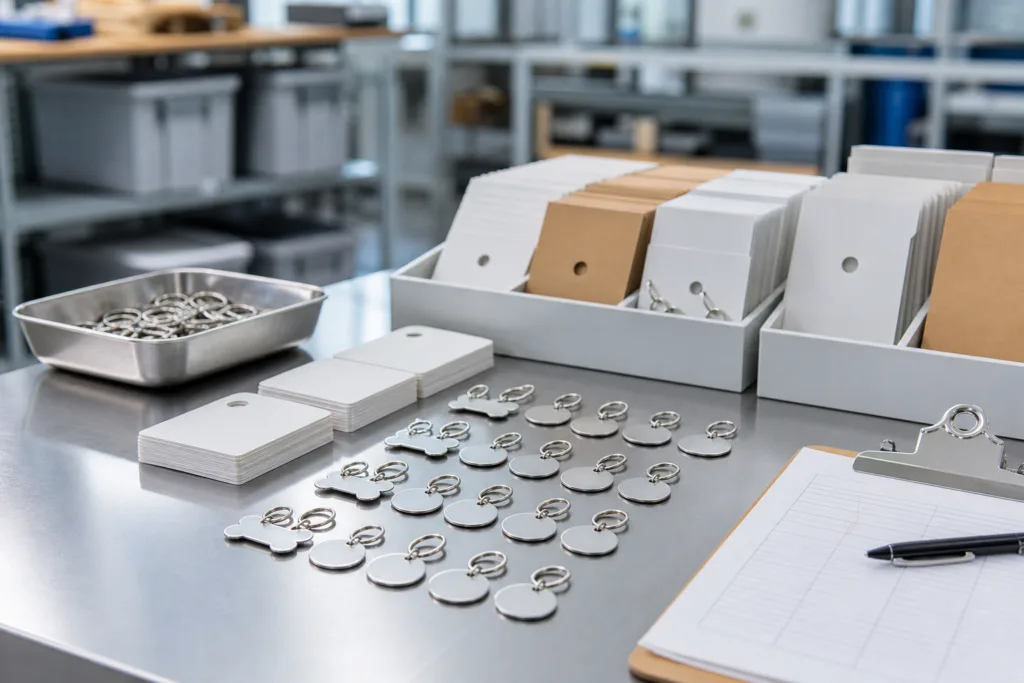
Alumni tags for rescued animals work best when they are planned as a small but real part of the adoption experience, not just as a decorative extra. Material choice, marking durability, pet-safe finishing, attachment style, and clear data handling all shape whether the final tag feels meaningful and holds up over time. If a rescue team defines the use case early and confirms samples carefully, the result is usually a tag program that adopters actually keep using and that staff can reorder without stress.
FAQs
What is the best material for alumni tags that pets will wear every day?
For daily wear, stainless steel is usually the safest starting point because it balances durability, readable marking, and resistance to moisture. Aluminum is a good alternative when low weight matters more, especially for smaller pets or mail-out adoption kits. The right choice depends on pet size, expected wear, and whether the tag is meant for constant collar use or mainly as a keepsake.
Should an alumni tag be engraved, etched, or printed?
Engraving or laser marking is usually the most practical choice when the center wants names, dates, or codes to stay readable over time. Etching can work well for refined logo artwork and cleaner visual detail. Printing is better for decorative color elements than for critical information on tags that will rub against collars and hardware every day.
Can we put different pet names and adoption dates on each tag in one order?
Yes, but the data file must be prepared clearly. The easiest approach is a spreadsheet with one row per tag and separate columns for each field such as pet name, adoption date, story ID, or QR destination. That keeps production organized and lowers the chance of spelling or formatting mistakes during variable marking.
Are QR codes a good idea for rescue alumni tags?
They can be useful if the rescue already has a stable digital destination such as a pet story page, alumni community page, or event landing page. The main issue is not whether a QR code fits on the tag, but whether the code will lead somewhere meaningful long after the tag is distributed. If there is no long-term page plan, simple text may be the better choice.
What should we confirm before approving a sample?
Do not check only the artwork. Confirm the actual size, weight, edge smoothness, hole placement, ring fit, finish appearance, and text readability under normal lighting. If the order includes variable data, review a sample that reflects the real personalization format rather than only a generic mockup.
How should a pet adoption center think about MOQ, lead time, and quality control?
It helps to decide whether the program will run as a one-time batch, a seasonal event item, or a standing reorder project. MOQ affects which production route is efficient, while lead time depends on material, marking complexity, data handling, and packing style. Quality control should include checks for spelling accuracy, tag count, edge finishing, hole consistency, attachment hardware, and packaging by branch or event if needed.