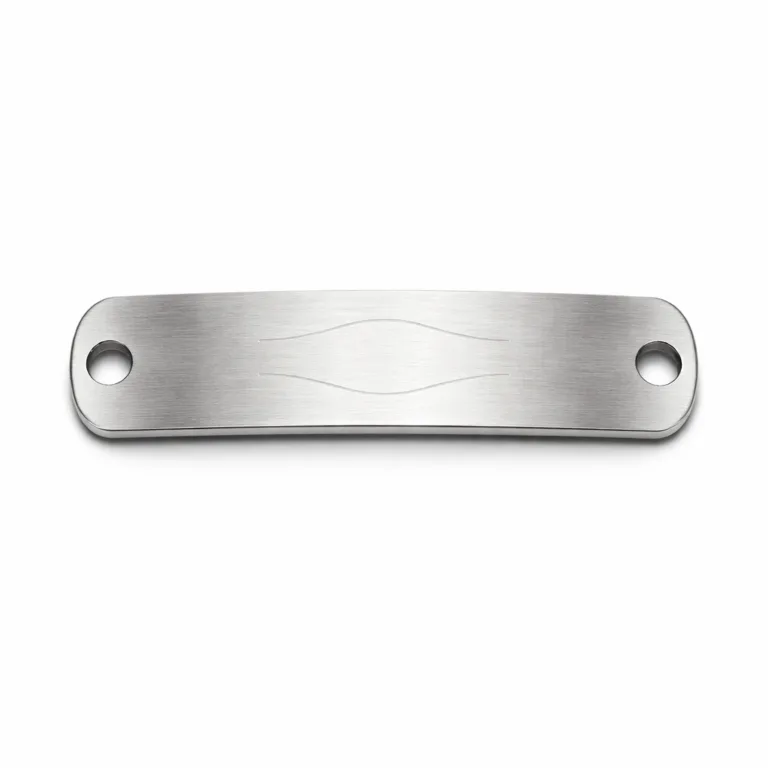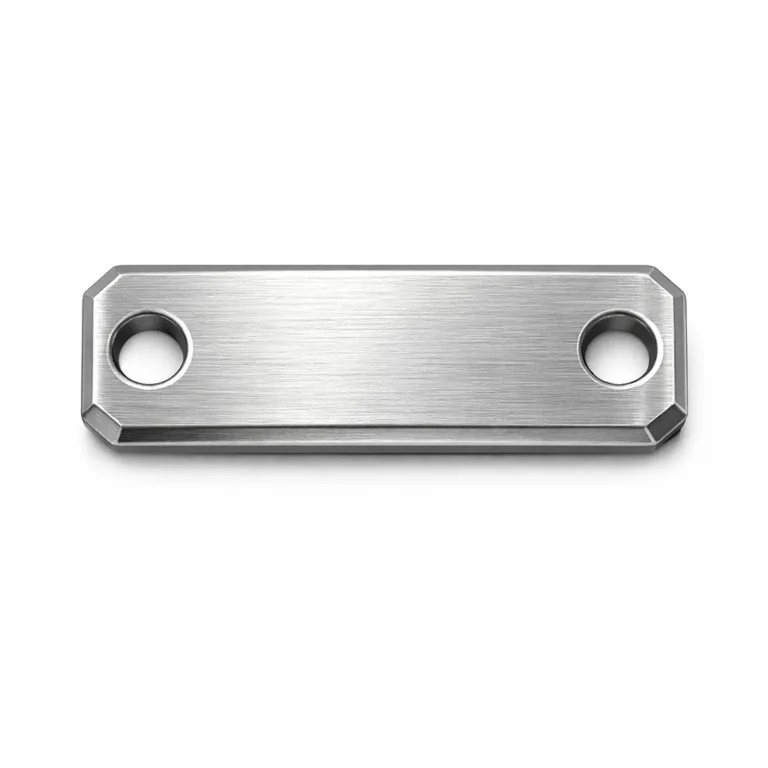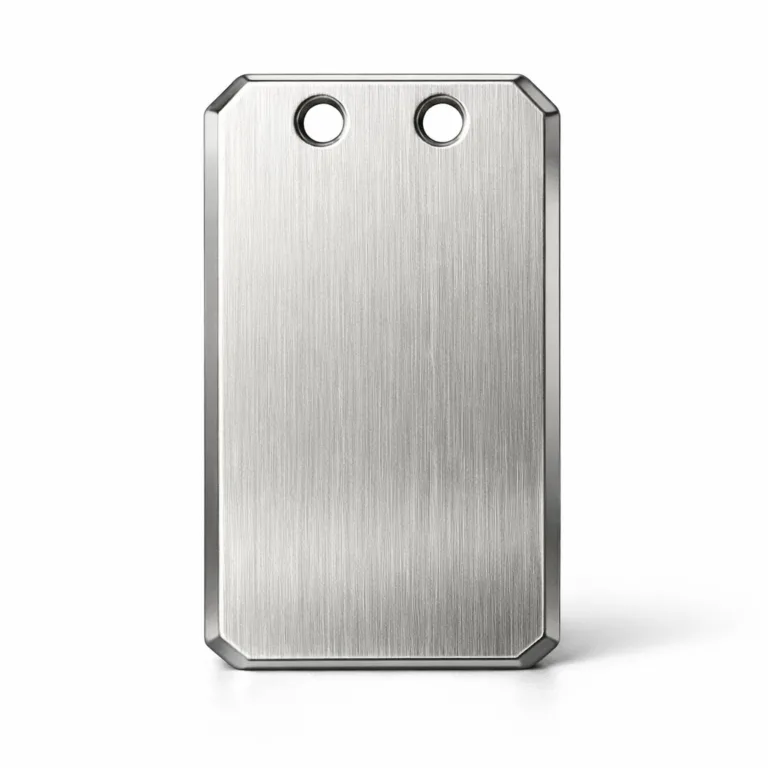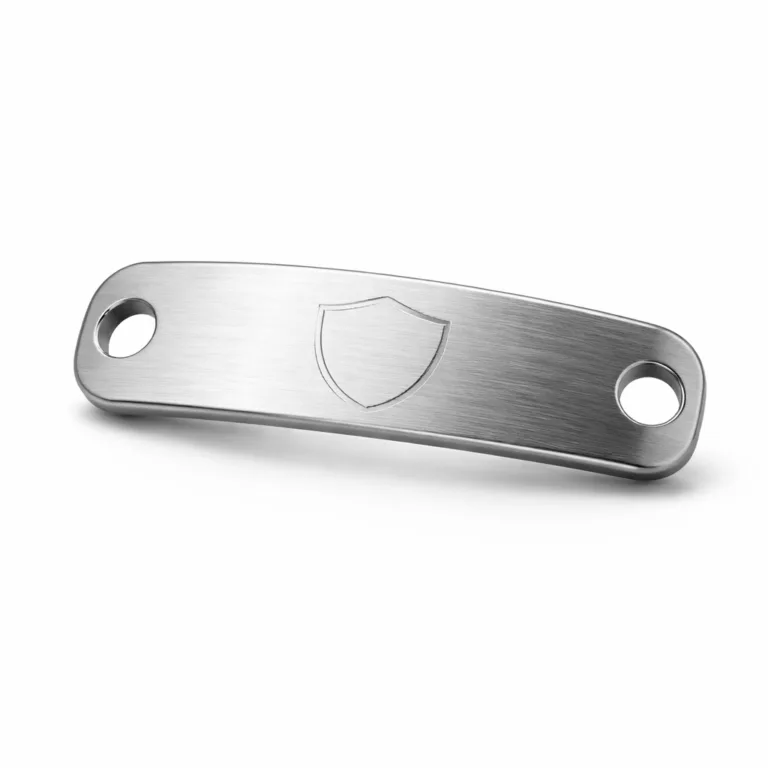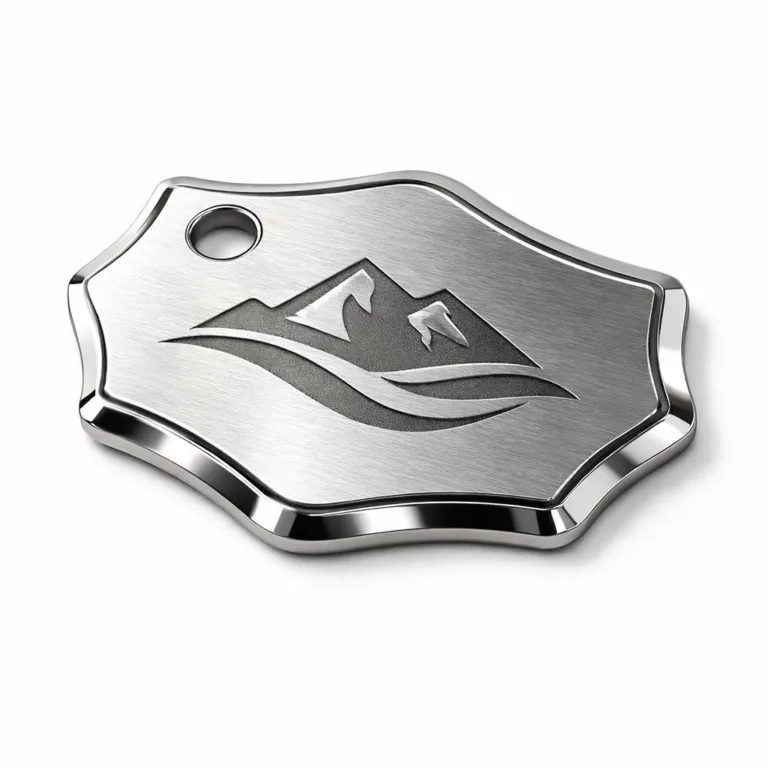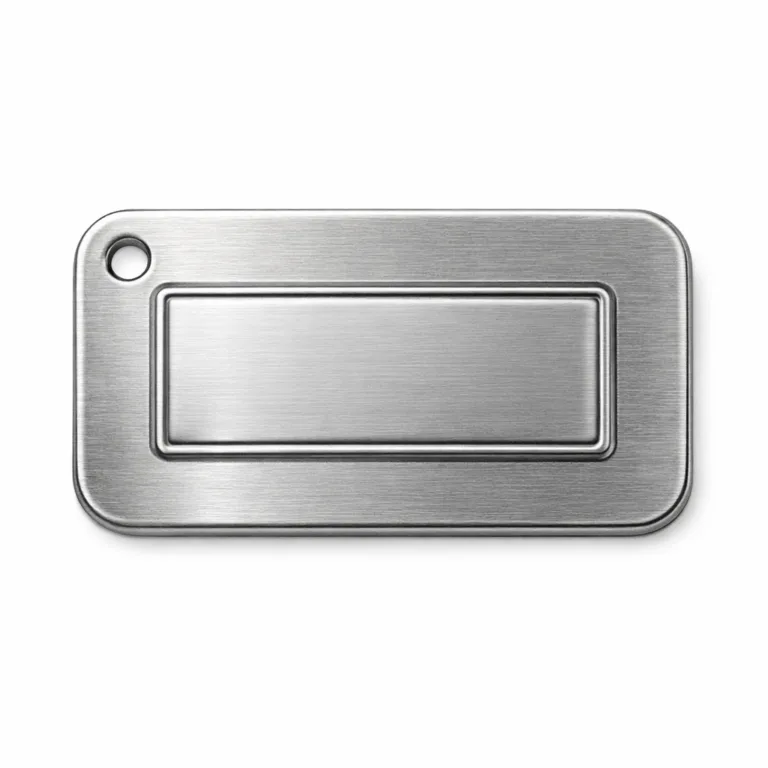
Durable Access Tags are a small part of a gym operation, but they affect daily locker control, member experience, and replacement cost more than many buyers expect. In fitness clubs, locker key tags are handled constantly, dropped on hard floors, exposed to sweat and cleaning chemicals, and passed between members and front-desk staff all day. For buyers, the key is not only finding a tag that looks acceptable at delivery, but choosing a metal tag structure, marking method, and attachment design that stays readable and intact after heavy real-world use.
If your project involves locker key organization, custom numbering, or branch-wide consistency, custom key tag manufacturing support becomes important early. We typically help buyers confirm material, thickness, numbering format, hole position, edge finishing, and attachment method before sampling so the final tag works with the club’s locker hardware, front-desk process, and replacement plan. This is especially useful when gyms need bulk numbering, logo control, color coding, or OEM/private label packaging for multi-location rollout.
What durable access tags are and why gyms use them
In this application, durable access tags are metal locker key tags made to identify a locker, member group, access zone, or issued key set in a way that remains readable through repeated handling. In gyms and fitness clubs, they are usually connected to locker keys, locker wrist key systems, or managed key boards behind the front desk.
The function sounds simple, but buyers are usually balancing several needs at the same time: the tag should be easy to read, hard to damage, difficult to mix up, simple to issue, and economical to replace in batches. In many projects, the problem is not that the buyer chose the wrong category. The problem is that some production details were not clarified before sampling or bulk production.
Why locker key tags matter for security, member experience, and front-desk efficiency
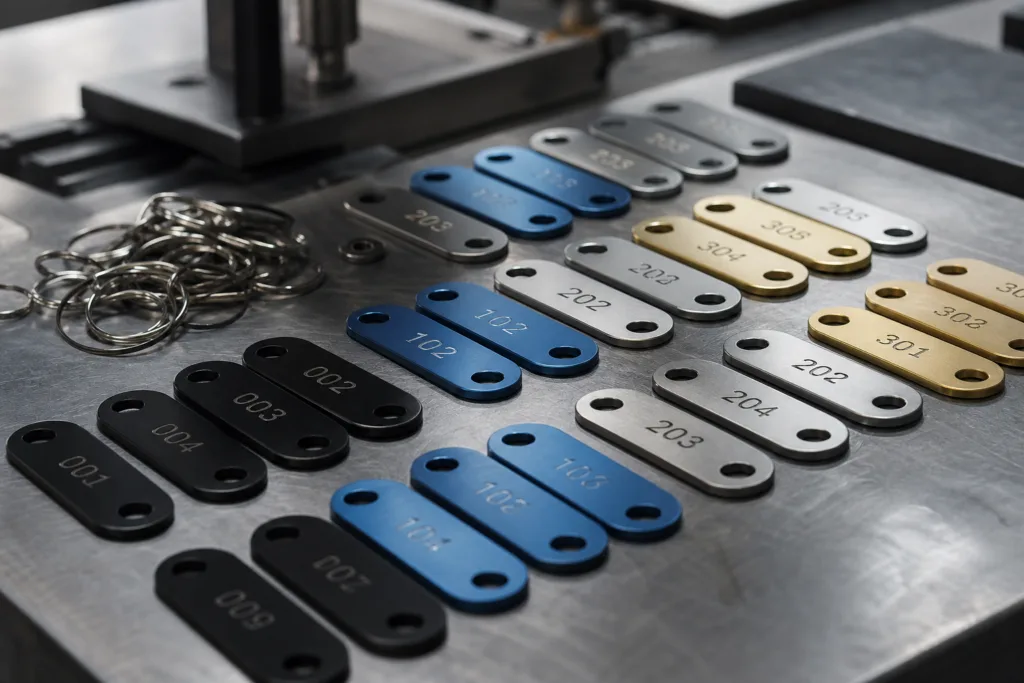
A locker key tag is part of the gym’s control process. Staff use it to issue the correct key quickly, members use it to identify their locker without confusion, and management uses it to reduce loss, duplication, and disorder. When tags are poorly marked, too small, or easily damaged, front-desk time increases and member frustration rises.
Security is not only about preventing theft. It also includes reducing accidental key swaps, avoiding unclear numbering, and making replacement keys easier to track. This is why many gyms move from generic plastic tags to serialized metal key tags when they need better control over issuing, reissuing, and auditing locker key inventory across branches.
Why metal tags are better suited to high-use fitness environments
Metal is often a better long-term choice because gym locker tags are exposed to impact, abrasion, sweat, moisture, hand oils, and frequent cleaning. Plastic tags may cost less initially, but they can crack, fade, or lose readability faster in high-turnover clubs. A well-made metal tag is more stable in shape, usually holds engraving or etching better, and gives staff a more reliable identification tool over time.
This does not mean every metal tag is suitable. Material grade, thickness, finish, marking depth, and edge quality all affect whether the tag still looks professional after months of use. For locker systems with frequent handling, many buyers prefer heavy-duty metal key tags because the extra structural margin helps reduce bending, distortion, and premature wear.
Material comparison for durable access tags
Material choice should match the gym environment, expected handling frequency, branding goals, and budget. Below is a practical comparison from a manufacturing perspective.
| Material | Main advantages | Practical concerns | Typical gym fit |
|---|---|---|---|
| Aluminum | Lightweight, economical, easy to color and process | Softer than stainless steel, can scratch or dent more easily | General indoor locker systems with moderate wear |
| Stainless steel | Strong, corrosion-resistant, premium feel, stable readability | Higher cost, heavier, color options more limited | High-use clubs, wet areas, long-life programs |
| Brass | Classic look, good machinability, solid feel | Can tarnish, usually chosen more for appearance than lowest cost | Boutique clubs, heritage style, premium locker presentation |
| Anodized aluminum | Good weight balance, color coding, improved surface performance | Anodized layer selection and marking method must be matched carefully | Color-coded locker zones and branded club systems |
For most standard gyms, aluminum or anodized aluminum is often the practical starting point because it balances weight, cost, and customization. Stainless steel becomes more attractive when the buyer expects very high handling frequency, stronger cleaners, wet changing rooms, or a longer replacement cycle. Brass is more niche, but it can work well for clubs where aesthetic presentation matters.
Surface quality also matters. Repeated contact points, friction from split rings, and constant handling can affect both appearance and readability over time. That is why finish consistency should not be treated as cosmetic only; it directly affects use performance. NIST’s work on surface finish and wear performance is a useful technical reference for understanding why finish quality and repeatability matter on frequently handled metal parts.
Tag design options for locker keys
Shape, size, thickness, and edge finish all influence how the tag feels in use. A round tag may be easy to handle and visually simple. A rectangular tag may provide more space for numbers, logos, or QR codes. An oval shape is often a practical compromise for locker key tags because it offers readable space without sharp-looking geometry.
Thickness is one of the most overlooked details. If the tag is too thin, it may bend around the hole area or deform after repeated drops. If it is too thick, the key bundle can feel bulky and less comfortable for members. In many gym projects, the right answer is not the thickest possible tag, but the thickness that matches the tag size, hole diameter, and attachment load.
Edge finish matters more than many buyers expect. Smooth deburred edges improve handling comfort and help the product feel more refined. This is especially important for tags that members carry into workout areas, pools, or saunas where bare hands and repeated contact are part of daily use.
Marking methods and what they mean in real use
The main marking options for locker key tags are laser engraving, chemical etching, stamping, and printing. Each has a different balance of readability, cost, and wear resistance.
| Marking method | Strengths | Limits | Best use case |
|---|---|---|---|
| Laser engraving | Clean detail, serial numbers, logos, variable data | Appearance depends on material and finish | Most custom numbered locker tags |
| Chemical etching | Fine detail, consistent graphics, good for branding | Usually more process planning required | Detailed logos or multi-element layouts |
| Stamping | Physical depth, durable characters | Less flexible for complex graphics or small data | Simple permanent numbering |
| Printing | Flexible color and visual presentation | Not always the best choice for high abrasion points | Supplementary color coding or low-wear designs |
For most gym locker programs, engraved metal key tags are a practical choice because they support custom numbering, readable logos, and repeatable variable data without making the layout too complicated. Etching can also work well when the design includes more refined graphics or tighter detail. Stamping is useful for simple numbering but may be less flexible if the club wants branding, room zones, or scannable codes on the same tag.
Durability factors in gyms and fitness clubs
Gym environments are not extreme in the same way as chemical plants or marine equipment, but they still create a demanding wear pattern. The tag may be dropped on tile, dragged across counters, exposed to sweat, cleaned with disinfectants, and rubbed against metal keys every day. That combination causes edge wear, hole stress, marking fade, and cosmetic degradation if the tag structure is not chosen well.
When buyers compare durability claims, they should ask practical questions: What material is being used? How deep or stable is the marking? What finish is applied? How is corrosion and abrasion performance evaluated? Even if a supplier does not provide full formal testing for every gym tag project, it is still useful to ask how they think about established wear and corrosion testing standards when discussing long-term performance expectations.
For wet locker rooms, pool-adjacent clubs, or facilities with aggressive cleaning cycles, stainless steel or well-specified anodized aluminum often makes more sense than untreated softer options. The right answer depends on the cleaning method, handling frequency, and how long the club expects the tags to remain in service before replacement.
Readability and identification planning
Readability is not just about font size. It includes contrast, layout balance, code structure, and whether staff can identify the tag quickly during busy check-in periods. A simple number-only system may work for a single-site gym. Multi-branch operators often need numbering logic that includes branch identifiers, locker zones, or issue categories.
Common identification options include serial numbers, locker numbers, floor or room prefixes, and color coding by area or membership type. If tags are likely to be handled by different staff teams, keeping the numbering format short and consistent usually reduces front-desk mistakes.
Color coding can help, but it should support the number system rather than replace it. In real operations, colors can be misread in poor lighting or after wear. A good tag still needs a clear permanent identifier that remains readable even when cosmetic appearance changes slightly.
Attachment methods for locker keys
The attachment point is a frequent failure area, so it deserves more attention than buyers often give it. The hole size, hole position, distance from edge, and ring type should be considered together. If the hole is too close to the edge, the tag may deform or crack around that point. If the ring is oversized or rough, it can accelerate wear.
Common attachment choices include split rings, chains, clips, and fixed key rings. Split rings are common because they are simple and economical. Chains can work when a longer hang length is needed. Clips may help in staff-managed access systems, but they can add complexity. For high-turnover member use, many buyers prefer a stable ring-based attachment because it is familiar and less likely to detach accidentally.
We usually recommend that buyers confirm attachment hardware together with the tag sample, not after the tag has already been approved. This detail may look small, but it can create problems later if it is not confirmed early.
RFID and NFC integration for smarter locker access
Some fitness clubs want more than visual identification. RFID or NFC-enabled locker tags can support access control, user assignment, smart locker systems, or digital check-in workflows. This upgrade makes sense when the locker program is part of a wider operational system, not when it is added as a novelty feature.
In these projects, buyers should confirm whether the metal tag is purely visual, a hybrid structure, or part of a separate smart access assembly. Data protection, issuance control, replacement procedures, and read/write permissions matter. NIST’s RFID security guidance for locker access tags is useful here because it frames RFID as a controlled access and data-management issue, not just a convenience feature.
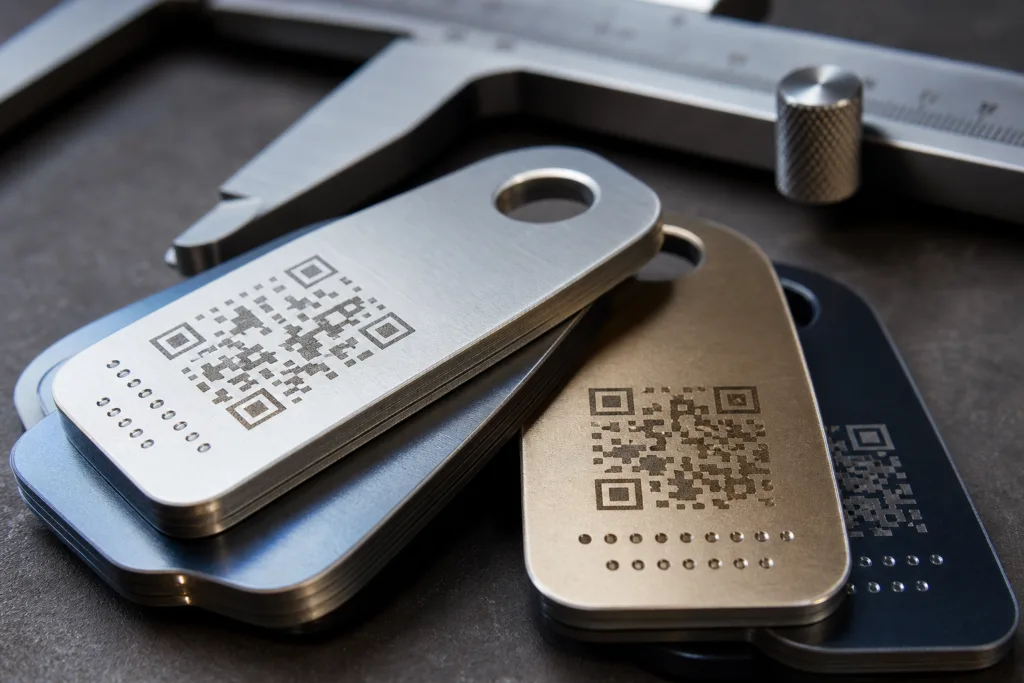
Where smart locker systems are being considered, some buyers also explore QR code access tags for smart lockers as a simpler bridge between physical identification and digital management. QR codes are not a direct replacement for RFID in every system, but they can be useful for manual scanning, maintenance logging, or controlled reissue processes.
How to choose the right access tag for different gym environments
A small neighborhood gym, a premium fitness chain, and a pool-equipped sports club do not need exactly the same tag. The application should drive the specification.
- Standard indoor gym: aluminum or anodized aluminum, engraved numbering, split ring attachment, simple serial control.
- High-volume chain club: stronger thickness control, standardized numbering logic, branch-coded identification, consistent packaging for rollout.
- Wet area or pool club: stainless steel or carefully selected anodized aluminum, stronger corrosion focus, stable marking method.
- Smart locker environment: visual ID plus QR, RFID, or NFC planning matched to software and access workflow.
- Premium brand environment: brass or stainless aesthetic, refined finish, stronger attention to edge quality and presentation.
From our metal tag manufacturing perspective, the best specification is usually the one that solves the actual operating problem with the least unnecessary complexity.
Artwork, numbering list, and data file preparation
Custom locker tag orders often become difficult because the product is simple but the data is not. Buyers should confirm artwork layout, logo size, font readability, numbering range, duplicate control, and any branch grouping before production starts.
For numbered orders, we recommend providing a clean spreadsheet that clearly shows sequence logic, prefixes, and any excluded numbers. If some clubs need different numbering blocks, that should be defined before sampling or mass production. This reduces manual interpretation and helps prevent avoidable numbering mistakes.
At UC Tag, we usually check whether the requested number length, logo size, and tag dimensions are realistic together. Many artwork problems are not design problems by themselves. They are scale problems caused by trying to place too much information on a small locker key tag.
Sampling, lead time, MOQ, and bulk production planning
Sampling is where buyers should confirm feel, readability, attachment compatibility, finish, and numbering logic. For locker tags, a digital proof alone is usually not enough if the project has custom thickness, edge quality expectations, or special attachment hardware.
MOQ depends on material, process, and whether variable numbering or special packaging is needed. Bulk production planning should also consider how the club wants the tags packed: by sequence, by branch, by locker range, or by issue batch. Packaging logic can save time for rollout teams later.
Lead time is often affected less by the tag itself and more by data confirmation, sample approval speed, and whether numbering changes continue after production planning has started. For buyers managing multi-branch projects, freezing the numbering list early usually protects both schedule and accuracy.
Quality control for multi-branch gym programs
Consistency matters when tags are delivered across several branches or replacement orders are likely in the future. QC should check dimensions, hole placement, marking clarity, numbering accuracy, finish consistency, and packaging sequence. If the first order and repeat order do not match well, front-desk operations can become messy even when each individual tag is technically acceptable.
We pay close attention to data handling because serialized locker tags are only useful when the physical tag matches the approved numbering file. For repeat orders, keeping previous layout standards, material choices, and attachment specifications on record helps maintain continuity.
Common mistakes when ordering locker key access tags
- Choosing material by unit price only without considering wear pattern.
- Using a tag size that is too small for readable numbering.
- Ignoring hole placement and edge-to-hole distance.
- Approving artwork without checking real sample readability.
- Sending numbering data in inconsistent formats.
- Treating color coding as the only identification method.
- Adding RFID or NFC without a clear access-management workflow.
Most of these issues are preventable if the buyer and manufacturer confirm practical use conditions early.
Cost drivers and how to balance budget with long-term durability
Cost is usually affected by material, thickness, process, numbering complexity, finish, attachment hardware, and packaging requirements. Stainless steel generally costs more than aluminum. Variable data and serialized production add control steps. Special finishes or custom shapes may also increase tooling or handling time.
For buyers, the key is to compare replacement cycle cost, not just first-order price. A cheaper tag that bends, fades, or becomes unreadable quickly may create higher total cost through reorders, staff inefficiency, and member dissatisfaction. In many locker tag projects, the best value comes from keeping the layout simple while investing in the right base material, readable marking, and reliable attachment design.
Supplier evaluation checklist for a metal tag manufacturer
When comparing suppliers, buyers should ask practical questions:
- Can the supplier recommend material based on use conditions, not only catalog options?
- Can they handle serialized data accurately?
- Can they produce consistent hole placement and clean edges?
- Do they offer sampling before bulk production?
- Can they support repeat orders with matching specifications?
- Can they package by sequence or by branch?
- Can they discuss engraving, etching, printing, and attachment trade-offs clearly?
A capable manufacturer should be able to explain what actually affects the result, not only quote a product name.
Conclusion

Durable Access Tags for gym locker keys should be selected as working identification tools, not as minor accessories. The right choice depends on environment, handling frequency, identification logic, attachment method, and whether the club needs simple numbering or smarter digital integration. When these details are confirmed early, buyers usually get better readability, fewer replacements, and smoother day-to-day locker management.
Frequently Asked Questions About Durable Access Tags for Gyms
What material is usually best for gym locker key tags?
For many indoor gyms, anodized aluminum or standard aluminum offers a good balance of cost, weight, and customization. If the club has wet zones, stronger cleaners, or very high handling frequency, stainless steel is often a better long-term choice. The best material depends on how the tags are used, cleaned, and attached.
Is engraving better than printing for Durable Access Tags?
In most gym locker applications, engraving is the safer choice for long-term readability because the identification is less dependent on a surface-only visual layer. Printing can still be useful for color or branding, but if the tag will be handled constantly and rubbed against keys, engraved or otherwise more permanent marking methods are usually more reliable.
How should we organize numbering for multi-branch fitness clubs?
A practical system usually includes a simple sequence plus a branch, floor, or zone prefix if needed. The format should stay short enough for quick reading at the front desk. Before production, it helps to provide one clean numbering file with clear ranges, duplicates checked, and branch groupings defined so the manufacturer can process the data accurately.
Can locker key tags include QR, RFID, or NFC features?
Yes, but the feature should match a real operating need. QR codes can support scanning, maintenance, or reissue workflows. RFID or NFC may fit smart locker systems or controlled access programs. The important point is to confirm how the data will be used, how replacements will be managed, and whether the tag structure supports the technology properly.
What sample details should we check before bulk production?
Buyers should check actual readability, thickness feel, edge smoothness, hole position, attachment compatibility, numbering accuracy, and finish consistency. A sample should be tested with the real locker key or ring hardware whenever possible, because many problems only become obvious when the full assembly is handled in real conditions.
What should we ask a supplier before placing a large order?
Ask how they recommend material for your environment, how numbering files are managed, what QC checkpoints they use, whether repeat orders can match the first order, and how tags can be packaged by sequence or branch. These questions usually reveal whether the supplier understands production control or is only quoting a generic item.