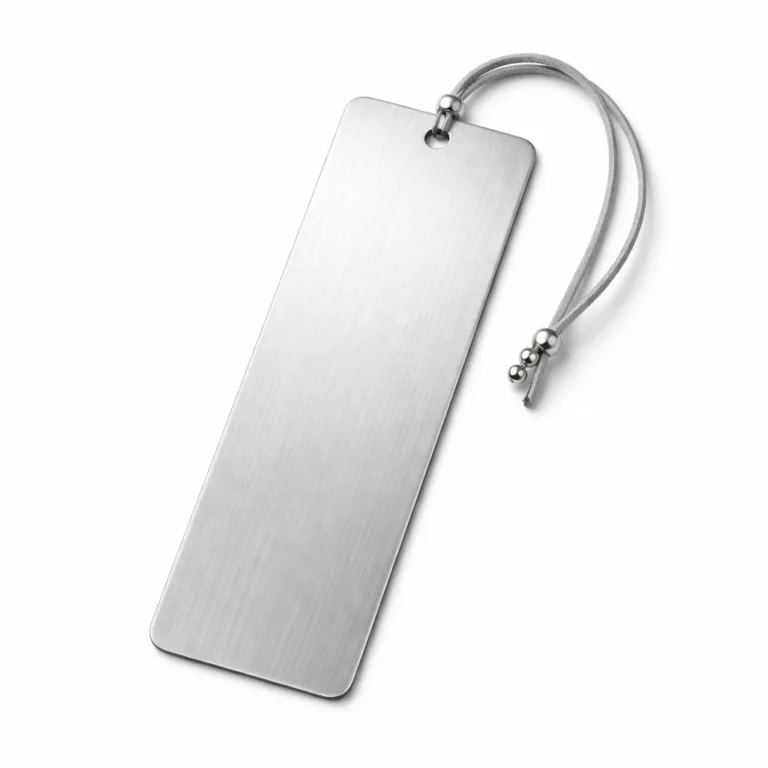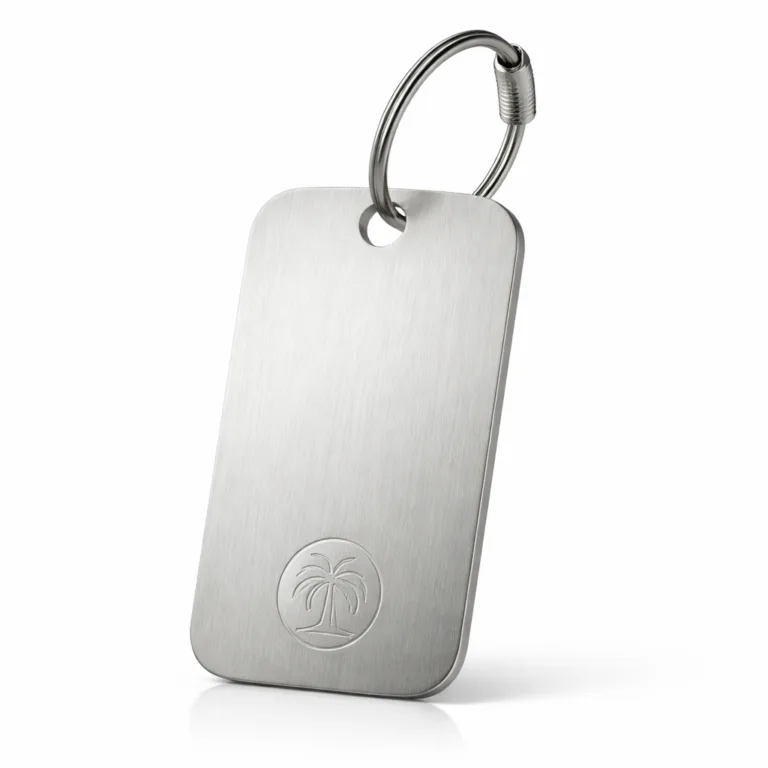
When buyers source bulk dog tags, the real decision is rarely just price. It is about whether the tags arrive with the right material, the right marking method, the right packaging, and enough production consistency to support a shelter program, retail line, event giveaway, or identification project without rework. In B2B purchasing, a good quote is only useful if it matches the use case, the order volume, and the durability target.
For buyers who need bulk dog tag manufacturing support, the most useful supplier conversation usually covers material choice, engraving or printing method, data handling, attachment options, sample approval, and bulk packing. At UC Tag, we approach these projects from a manufacturing perspective: we check whether the tag needs to stay readable outdoors, whether variable names or serial numbers must be controlled line by line, and whether the order should be packed loose, bagged, set up with accessories, or prepared for private label fulfillment.
What Bulk Dog Tags Are and Who Buys Them in Volume
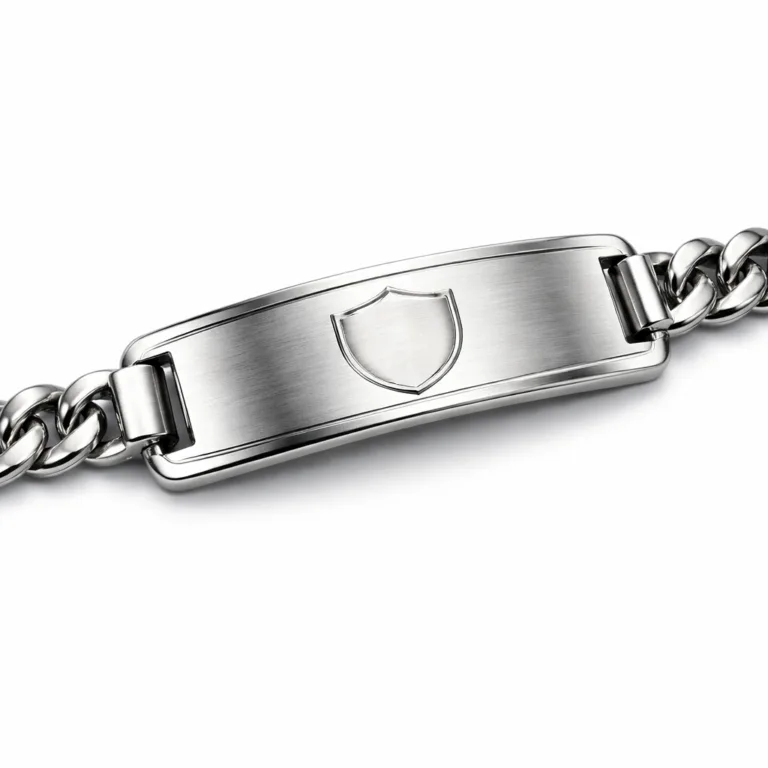
Bulk dog tags are identification tags purchased in volume for pets, promotions, retail resale, rescue operations, event programs, and sometimes industrial or non-pet identification uses where the shape is dog-tag-like but the application is broader. Some buyers need blank inventory they can finish later. Others need fully customized tags with names, numbers, logos, QR codes, or brand packaging.
The buyer profile is often mixed. A distributor may need consistent stock for resale. A shelter may need low-cost tags with fast turnaround. A brand owner may want a premium finish and private label packaging. An OEM buyer may need repeated replenishment with controlled artwork and stable dimensions. In every case, bulk purchasing introduces manufacturing questions that single-piece orders do not: minimum order quantity, repeatability, packaging efficiency, and the cost impact of every added operation.
Blank Dog Tags vs. Custom Dog Tags: Which Option Fits Your Use Case
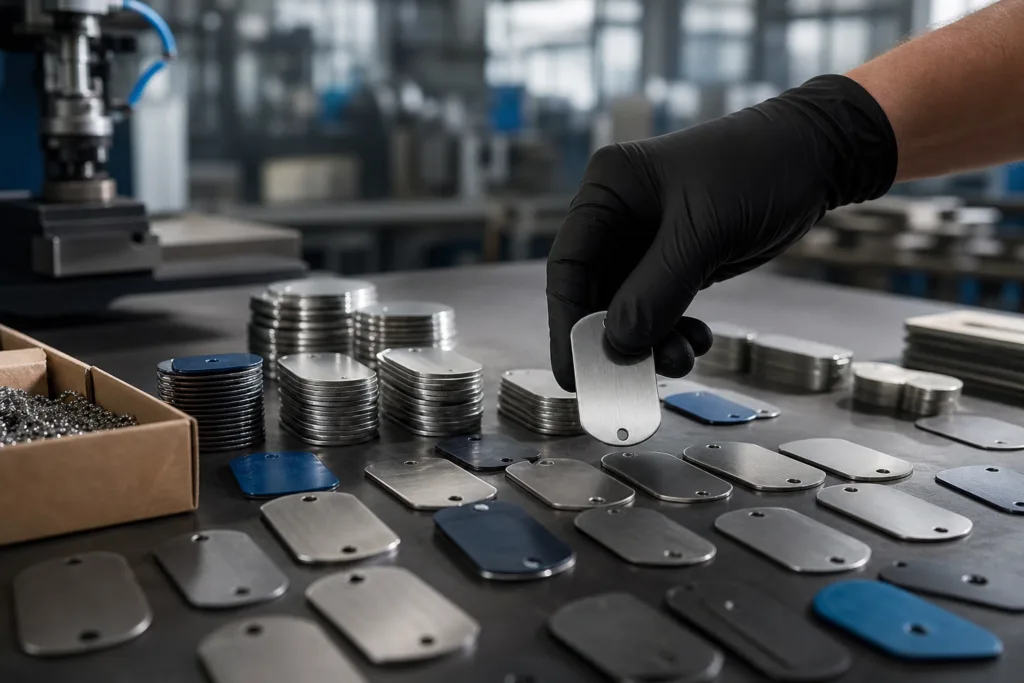
The first sourcing decision is whether you need blank tags or custom tags. Blank dog tags are simpler to produce and often faster to quote. They work well when the buyer plans to engrave, print, or distribute them later through another process. Custom dog tags are the better fit when the tag must arrive ready to use with names, numbers, logos, or approved layout details already applied in production.
Blank inventory can reduce complexity, especially for distributors or teams that need flexible stock. But it also shifts finishing responsibility somewhere else in the supply chain. Custom production raises setup requirements, yet it can reduce handling costs later and improve consistency. If your project depends on permanent identification or controlled data, custom manufacturing is usually the safer route because the supplier can manage spacing, contrast, and alignment before tags leave the factory.
| Order Type | Best For | Main Advantage | Main Tradeoff |
|---|---|---|---|
| Blank dog tags | Distributors, stocked programs, secondary engraving | Simple sourcing and flexible use | Extra finishing step later |
| Custom dog tags | Retail, shelters, branded programs, serial data | Ready-to-use output | More artwork and approval steps |
| Variable data tags | Serials, names, QR codes, batch control | Data-specific accuracy | Requires careful file setup |
Common Bulk Dog Tag Materials: Stainless Steel, Aluminum, Brass, and Other Options
Material selection affects cost, appearance, weight, and durability. For bulk dog tags, the most common choices are stainless steel, aluminum, and brass. Each one serves a different balance of performance and budget.
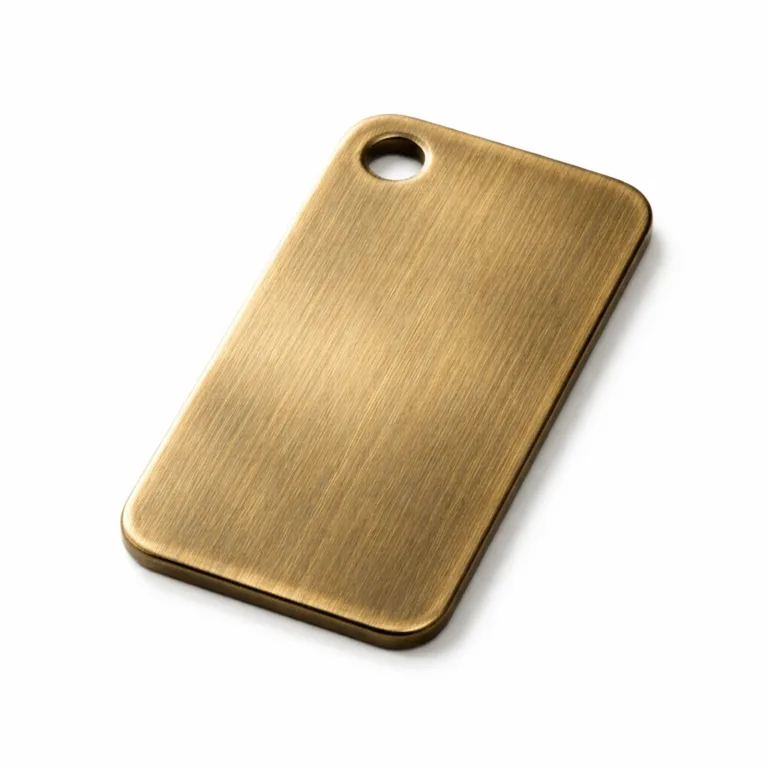
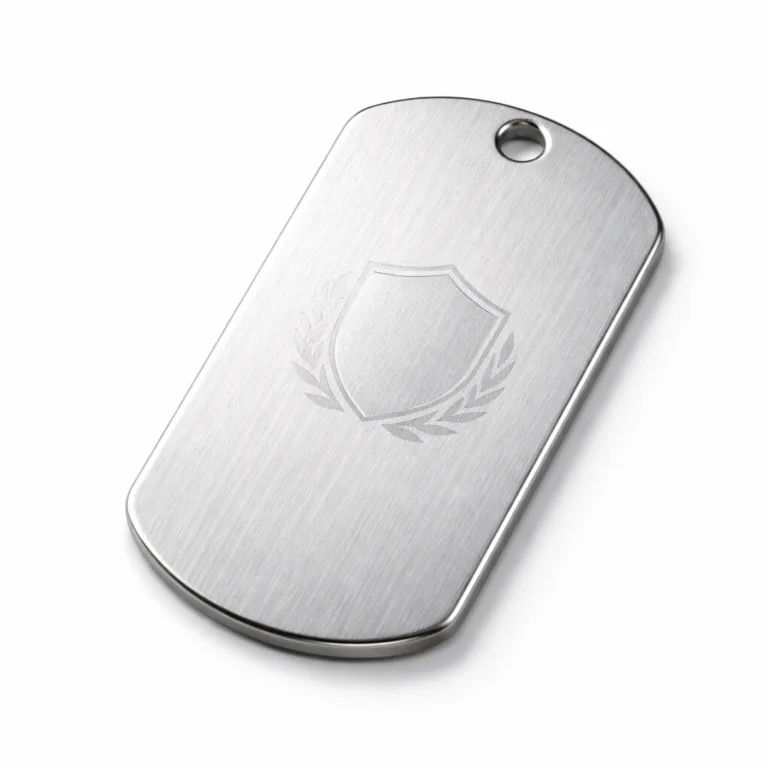
Stainless steel is usually selected when buyers need better corrosion resistance and a more rugged feel. It is a practical option for outdoor exposure, frequent handling, and premium positioning. Aluminum is lighter and often more cost-efficient for volume programs, especially when weight matters for pets or high-count distribution. Brass offers a distinctive look and can support premium presentation, though buyers should think carefully about finish, oxidation behavior, and whether the visual character matches the intended product line.
From our production experience, material choice also affects tooling, edge finishing, and marking behavior. A mark that looks clear on one surface may need a different process or contrast strategy on another. That is why we recommend aligning the material to the marking method before approving the final quote. If you want to compare practical tag material combinations, our custom metal tag solutions page is a useful starting point for understanding how different manufacturing choices affect the final result.
For buyers who want a simple technical comparison, the key is to ask: will the tag face moisture, abrasion, cleaning chemicals, sunlight, or repeated contact? If yes, choose the material with enough resistance for the environment instead of the lowest unit price alone.
How material choice changes bulk performance
- Stainless steel: stronger corrosion resistance and a more durable feel for demanding use
- Aluminum: light weight, good value, and efficient for large distribution programs
- Brass: decorative premium appearance with a different surface character
Customization Choices: Shape, Size, Finish, Color, Engraving, Stamping, and Printing
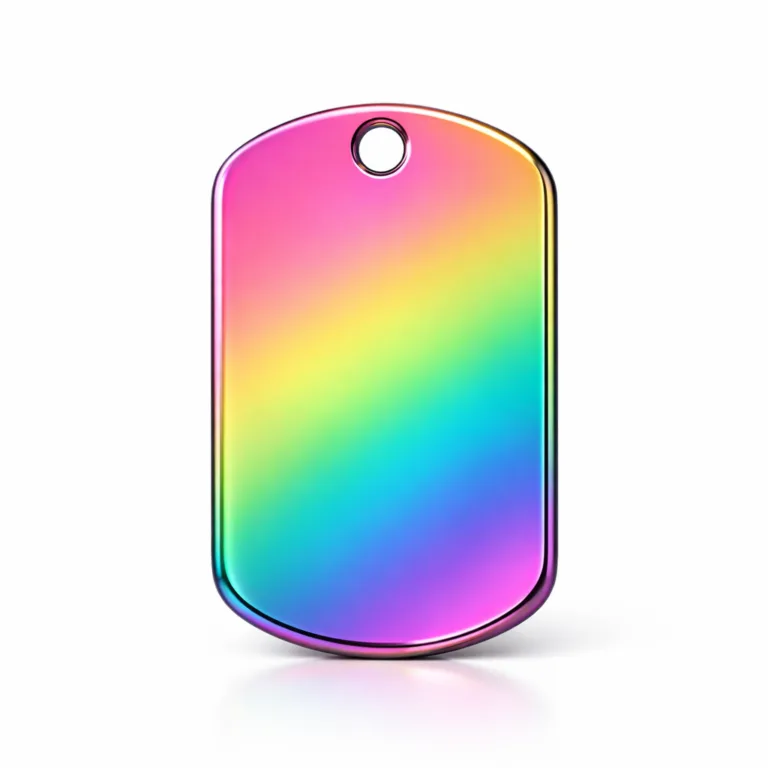
Customization is where bulk dog tags move from commodity supply to a controlled manufactured product. Buyers usually start with shape and size, then decide on finish, color, and marking. A good factory will confirm whether the tag needs rounded corners, punched holes, polished edges, matte texture, or a specific surface treatment before production begins.
Marking method matters as much as the base material. Engraving is often chosen when buyers want permanent, high-contrast, wear-resistant information. Stamping can work well for a bold mechanical look and strong permanence. Printing may be used when the design requires color or a more graphic presentation, but buyers should check durability expectations carefully. If your order must hold up to rubbing, cleaning, or outdoor wear, a clear comparison between methods helps avoid disappointing results. We cover this topic in more detail in our engraving versus printed durability guide.
At UC Tag, we often advise buyers to choose the simplest marking style that still meets the functional requirement. That approach reduces the chance of art problems, improves repeatability, and makes bulk quality control easier.
Customization options buyers should confirm early
- Tag shape and dimensions
- Thickness and edge finish
- Hole position and hole count
- Surface finish or color
- Text layout and font size
- Logo placement
- Variable data fields such as serial numbers, names, or QR codes
Attachment and Hardware Options: Split Rings, Chains, S-Hooks, Ball Chains, and Pack-In Accessories
Attachment hardware can change the practical value of bulk dog tags more than many buyers expect. The tag itself may be perfect, but if the ring size is wrong or the accessories are packed poorly, the project becomes harder to distribute. Common options include split rings, chains, S-hooks, ball chains, and custom accessory kits.
For pet tags, split rings are common because they are simple and familiar. For retail or promotional sets, buyers may prefer ball chains or pre-packed accessories. For certain custom programs, the factory can assemble tags into kitted packs with rings, cards, or other components. When ordering in volume, confirm whether the accessories are supplied by the tag factory or by a separate vendor, because that affects lead time and final inspection responsibility.
Attachment planning should also account for pack-out. A good bulk order can still fail in the field if the accessory is too small, too sharp, or too difficult for the end user to install. We recommend treating hardware as part of the product specification, not as an afterthought.
MOQ, Unit Pricing, and Cost Drivers: What Changes the Final Quote
MOQ is one of the most important topics in bulk dog tags sourcing. Some factories can support lower trial quantities, while others need larger minimums to cover setup time, tooling, and finishing steps. For buyers, MOQ should be understood alongside the price curve. A slightly higher MOQ may produce a much better unit price if the setup is already fixed.
Unit price is usually affected by material, size, thickness, marking method, surface finish, variable data handling, accessory packaging, and post-processing. A tag that looks simple on paper can become more expensive once the buyer requests hole punching, edge deburring, color fill, custom numbering, or multi-step packaging. In some orders, the biggest cost driver is not the metal itself but the handling time required to manage artwork, separation, and packing accuracy.
When comparing suppliers, ask for the quote structure to be broken out clearly. That way, you can see whether the cost difference comes from raw material, labor, setup, finishing, or packing. For procurement teams, this is often the fastest way to identify whether a supplier is quoting a true manufacturing price or simply bundling assumptions into one number.
| Cost Driver | Typical Impact | Buyer Action |
|---|---|---|
| Material grade | Changes base cost and durability | Match to environment |
| Marking method | Affects setup and wear resistance | Choose by readability need |
| Size and thickness | Changes material usage and handling | Keep specs consistent |
| Variable data | Adds file control and inspection steps | Confirm data format early |
| Packaging | Adds labor and accessory cost | Define pack-out standard |
Lead Times, Sampling, and Production Planning for Bulk Orders
Lead time is not just a factory schedule issue. It is a planning issue that includes artwork approval, sample confirmation, material availability, production queue, finishing, inspection, and packing. The more customization a tag requires, the more important it is to confirm every detail before the order enters full production.
Buyers often save time by requesting a clear sample path at the beginning. If you need to review dimensions, finish, or marking appearance before committing to the full run, the factory should be able to support standard sampling options or a more tailored path when the design is specific. When a project has variable data, unusual size requirements, or special packaging, custom sample development can prevent costly rework later.
At UC Tag, we typically advise buyers to separate the project into three checkpoints: artwork approval, sample approval, and bulk production signoff. That sequence keeps the order moving while reducing risk. It also gives procurement teams a clean record of what was approved before mass production started.
Practical planning steps before the PO
- Confirm final artwork and variable data format
- Approve the material and finish
- Lock hole position and dimensions
- Verify accessory choice and packing format
- Agree on sample timing and bulk lead time
Packaging Options for Retail, Shelter, and Event Distribution
Packaging is a major part of bulk dog tags sourcing because it affects handling speed, retail presentation, and final cost. A shelter may want simple bulk bags or grouped packs for quick distribution. A retail buyer may need branded cards, hang tags, or barcode-ready packaging. An event organizer may want tags packed in kits so volunteers can issue them quickly.
Packaging should be discussed before production, not after it, because pack format changes labor time and sometimes affects the way the factory stages the order. If you need private label support, clear pack counting and outer carton labeling can save significant time at receiving. If the buyer will resell the product, packaging should also match shelf presentation and storage conditions.
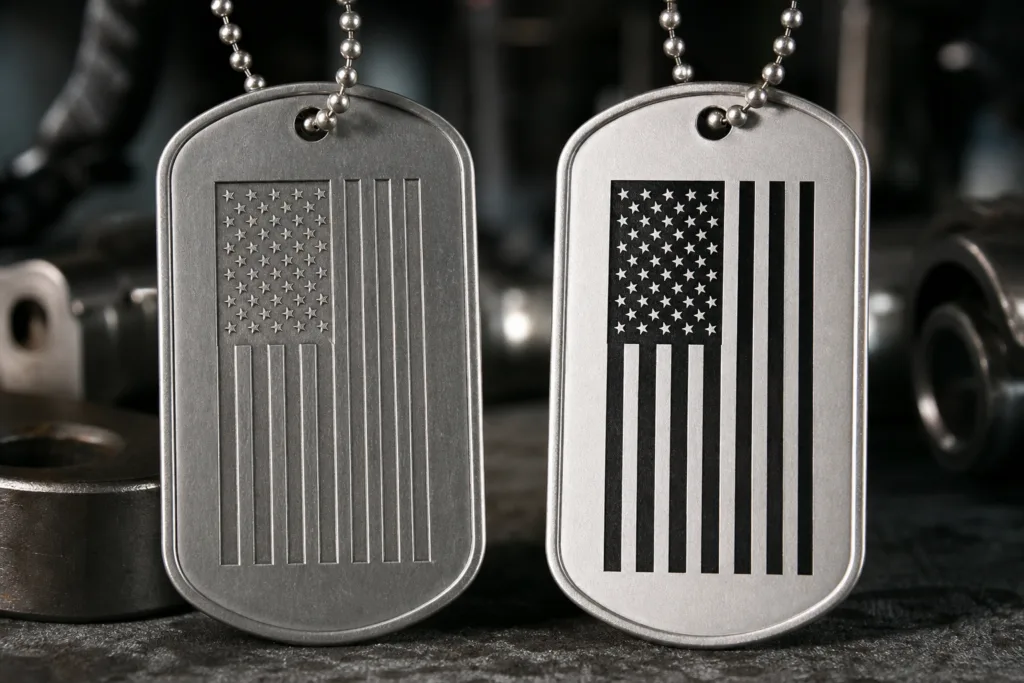
Good packaging control starts with a clear spec: how many tags per bag, whether accessories are included, whether cartons need SKU labels, and whether units must be separated by color or style. These details are simple to define but expensive to fix after production has started.
How to Compare Suppliers: Factory Capability, QC, Communication, and Compliance Checks
Supplier comparison should go beyond unit price. For bulk dog tags, the real question is whether the factory can repeat the same result across a large run, especially when the order includes data fields, mixed colors, or multiple packaging requirements. Buyers should assess whether the supplier has in-house control over material sourcing, marking, inspection, and packing.
A strong manufacturer will explain how it checks dimensions, mark placement, legibility, finish quality, and batch consistency. Buyers should also ask how sample approval is recorded and how change requests are handled after approval. When evaluating production discipline, it helps to look for the same kind of control mindset used in industrial quality systems. OSHA’s supplier QA and inspection process guidance is not dog-tag specific, but it is a useful reminder that documented checks, traceability, and repeatable controls matter in any manufacturing environment.
From a sourcing perspective, the supplier should also be easy to communicate with. If a factory cannot confirm file requirements, material limits, or packing details clearly, bulk production risk rises quickly. That is why we encourage buyers to ask practical questions early: Can you handle sequential numbering? Can you separate mixed SKUs? Can you hold a sample standard for reorders? Can you provide production photos or inspection checkpoints if needed?
At the factory level, the most reliable suppliers are usually the ones that can explain their process in plain language. That clarity matters more than a polished sales pitch.
Artwork, Data Files, and Variable Information Setup for Mass Personalization
For bulk dog tags with names, serials, barcodes, or QR codes, file setup is a production-critical step. A clean file reduces errors, shortens proofing time, and makes the final tags easier to read. Buyers should submit data in a structured format with consistent columns, clear field names, and notes for any special characters or layout exceptions.
Variable data orders benefit from a simple review system. The factory should check whether all rows are complete, whether numbering is continuous or segmented, and whether any entries require special spacing. If barcode or QR content is included, the buyer should confirm the final information source before production starts. This is especially important when the tags are used for traceability, inventory control, or compliance workflows.
We recommend making one file the single source of truth. If a buyer sends a spreadsheet, a PDF, and an email revision that do not match, the chance of error rises. Good bulk production depends on reducing ambiguity before the first tag is made.
Durability and Readability Considerations for Long-Term Use and Outdoor Exposure
Durability is not only about whether the tag survives physically. It is also about whether the information remains readable for the full service life. That includes resistance to abrasion, moisture, cleaning agents, and sunlight. For buyers sourcing identification products in bulk, the tag should be evaluated as an information carrier, not just a metal object.
That is why legibility and retention should be specified up front. The USDA APHIS traceability and tag-readability requirements framework is a good reminder that identification must remain useful over time, not only when new. While dog tags are not the same as regulated livestock identifiers, the buyer logic is similar: if the mark fades or the data becomes hard to read, the tag loses value.
For outdoor or high-wear use, buyers should ask how the mark is applied, whether contrast will stay visible, and whether the surface finish may reduce readability over time. In some cases, a deeper mark or a more permanent method is worth the added cost because it reduces replacement risk and service failure later.
If you are comparing the visual and wear performance of different methods, you may also find our engraving versus printed durability discussion helpful when defining a long-term spec.
Common Bulk Ordering Mistakes and How to Avoid Delays or Rework
The most common bulk ordering problems are usually preventable. Buyers often underestimate the time needed to approve artwork, fail to define packaging early, or submit data in formats that are hard to manufacture from. Another common issue is choosing a low-cost supplier without confirming whether the factory actually controls the marking and inspection steps in-house.
One practical way to avoid mistakes is to freeze the critical parameters before the order is released. That means size, material, finish, marking method, attachment, packaging, and data format. Once those are stable, the production team can work efficiently and the buyer can compare suppliers on a like-for-like basis.
Another avoidable error is assuming every tag in the order should be treated the same way. In mixed projects, some tags may need serial numbers, some may need logos only, and some may need blank stock. If the instructions are not separated clearly, the factory may have to stop and ask questions mid-run, which slows the order and can create inconsistencies.
Buyer Checklist: What to Confirm Before Placing a Large Dog Tag Order
Before releasing a PO for bulk dog tags, we recommend confirming the following items with the supplier:
- Final tag size, thickness, and shape
- Material choice and finish
- Marking method and readability target
- Attachment hardware and packing style
- Data file format and approval process
- MOQ, unit pricing, and lead time
- Sample path and signoff steps
- Inspection, carton labeling, and private label needs
If the supplier can answer these questions clearly, the order is much more likely to run smoothly. If the answers are vague, the quote may be hiding production risk that becomes visible later. For buyers comparing suppliers, this checklist is often more valuable than a simple price comparison because it reveals how the factory actually works.
Conclusion
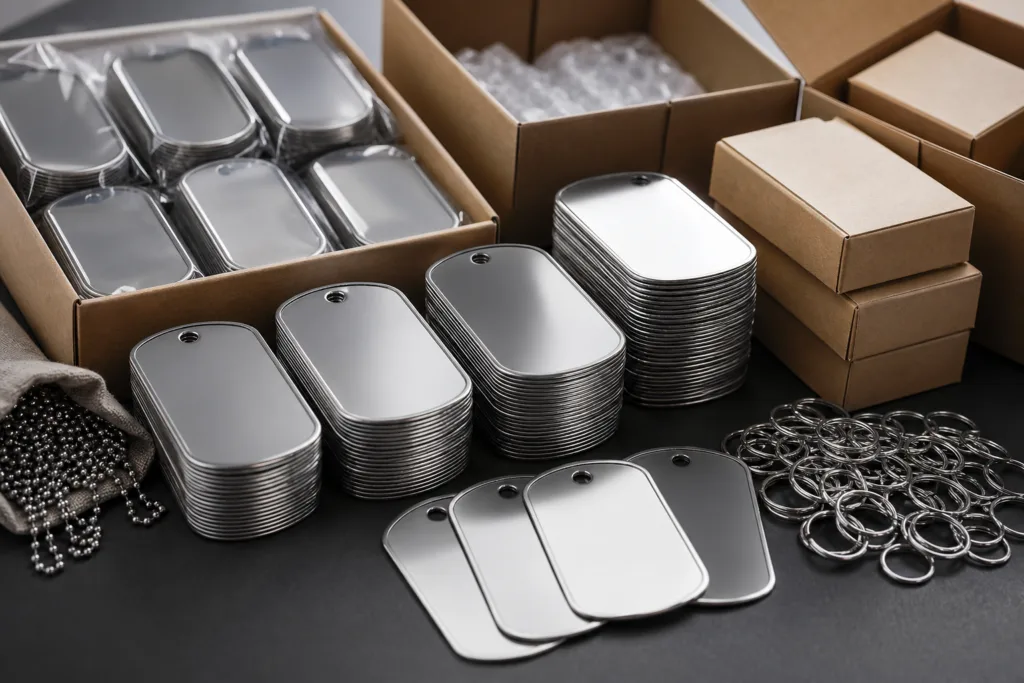
Buying bulk dog tags well means balancing price, durability, data accuracy, and production reliability. The best result usually comes from choosing the right material, confirming the marking method early, setting clear packaging expectations, and approving a sample before full production. When the buyer and manufacturer work from the same spec, bulk orders are easier to scale and easier to repeat.
At UC Tag, we view bulk tag sourcing as a manufacturing project, not just a purchase. That means clear data files, controlled QC, practical lead times, and the right attachment and packaging plan for the end use. If you define the job well at the start, the final tags are far more likely to meet the real-world need behind the order.
FAQs
What is the minimum order quantity for bulk dog tags?
MOQ depends on material, size, marking method, and packing requirements. Simple blank tags usually allow more flexibility, while custom tags with variable data, special finishes, or kitting may require a larger minimum to cover setup and labor.
Which material is best for bulk dog tags?
There is no single best material for every project. Stainless steel is often chosen for durability, aluminum for lighter weight and value, and brass for a premium appearance. The right choice depends on how the tags will be used and how long they must remain readable.
Are engraved tags better than printed tags for bulk orders?
Engraved tags are usually preferred when long-term readability and wear resistance are important. Printed tags can be useful for color or graphic detail, but buyers should confirm whether the print method matches the expected environment and handling.
Can you add serial numbers, QR codes, or barcodes to bulk dog tags?
Yes, but the buyer should provide clean data files and confirm the exact format before production begins. Variable data orders need careful proofing so the numbering sequence, code content, and placement stay consistent across the full run.
How should bulk dog tags be packaged for retail or shelter use?
Packaging should match the distribution model. Retail orders often need branded packs or hang-ready presentation, while shelters may prefer simple bulk packing or grouped sets for faster issuing. Confirm pack counts, accessory inclusion, and carton labeling before production.
How can buyers reduce delays when ordering bulk dog tags?
The best way is to finalize the material, size, marking method, attachment, and data file before the PO is released. Sample approval and clear packing instructions also help prevent mid-production changes that can slow the order and increase cost.